
Patersonia occidentalis
Also known as: Information to be completed
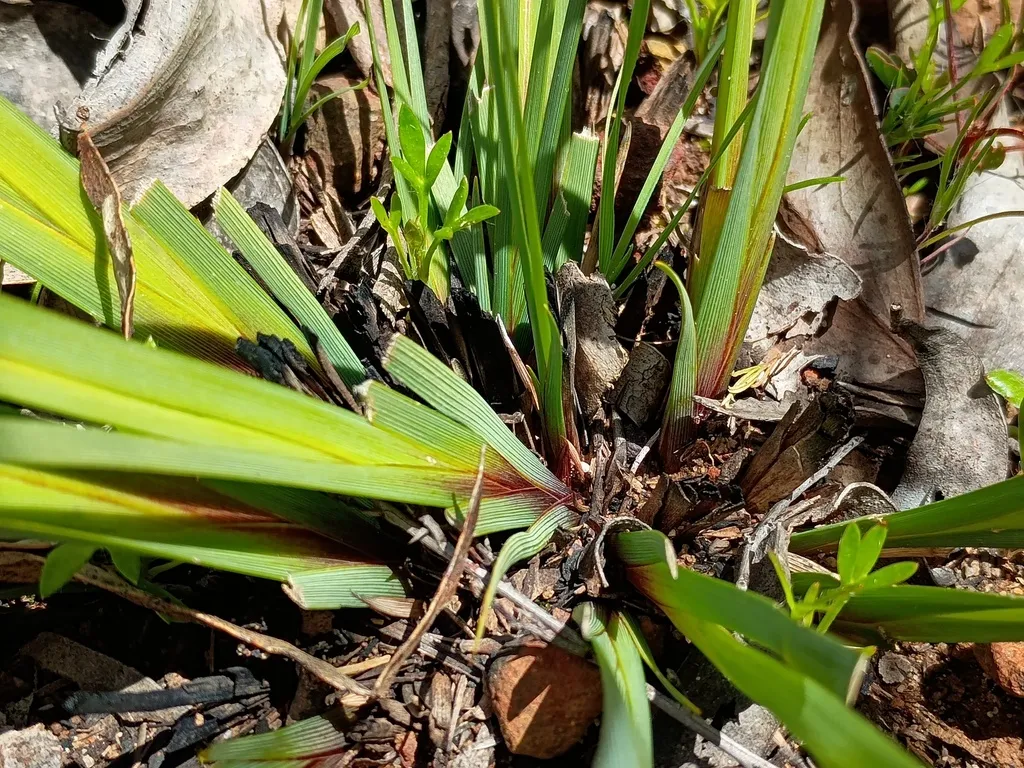
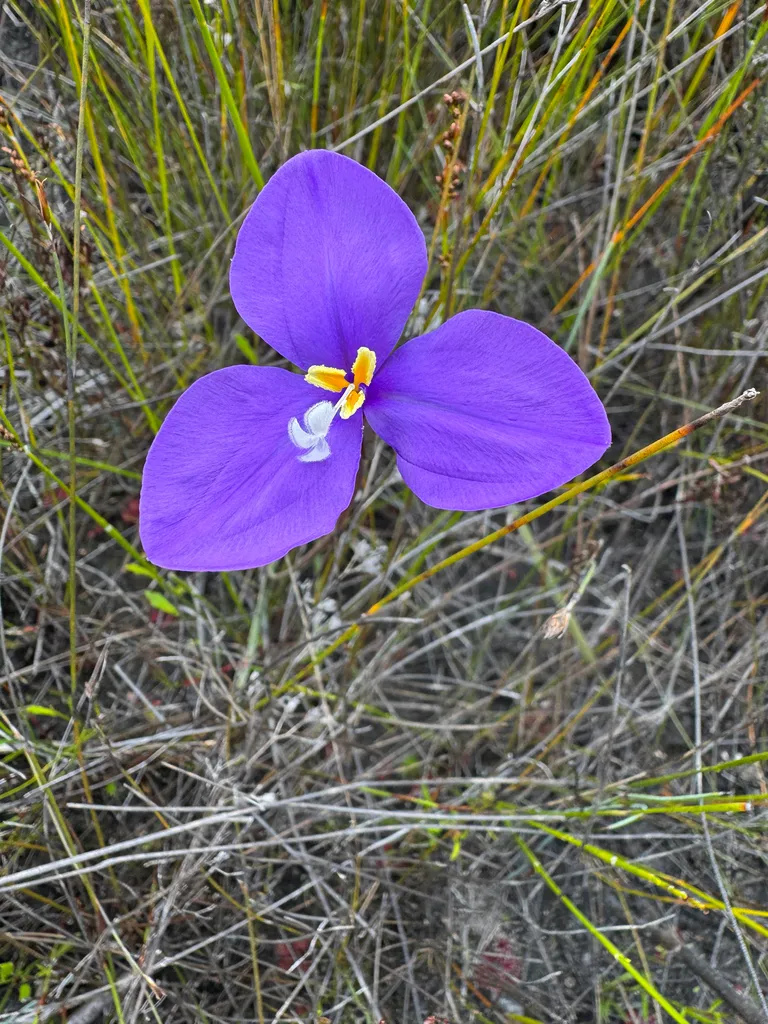
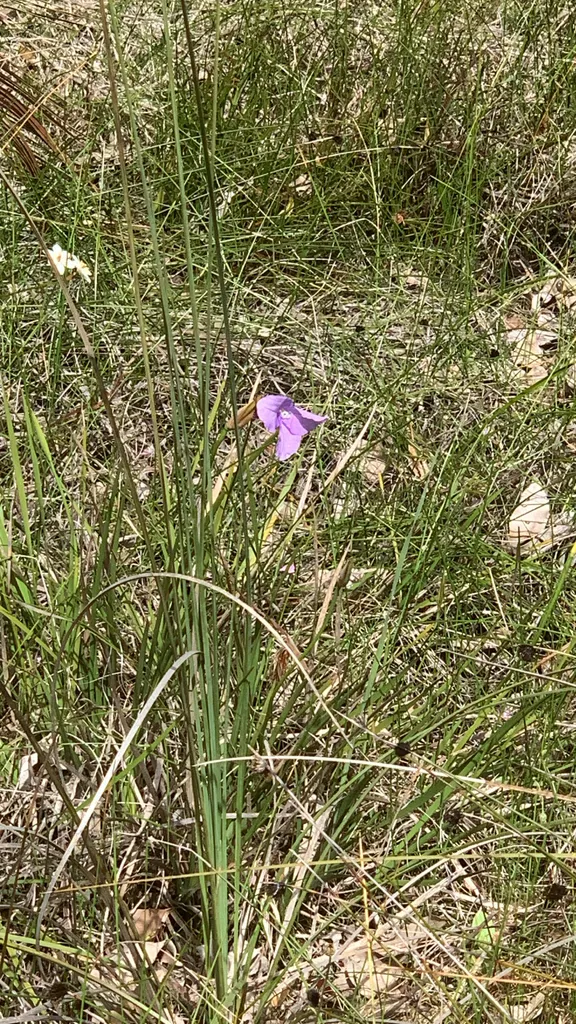
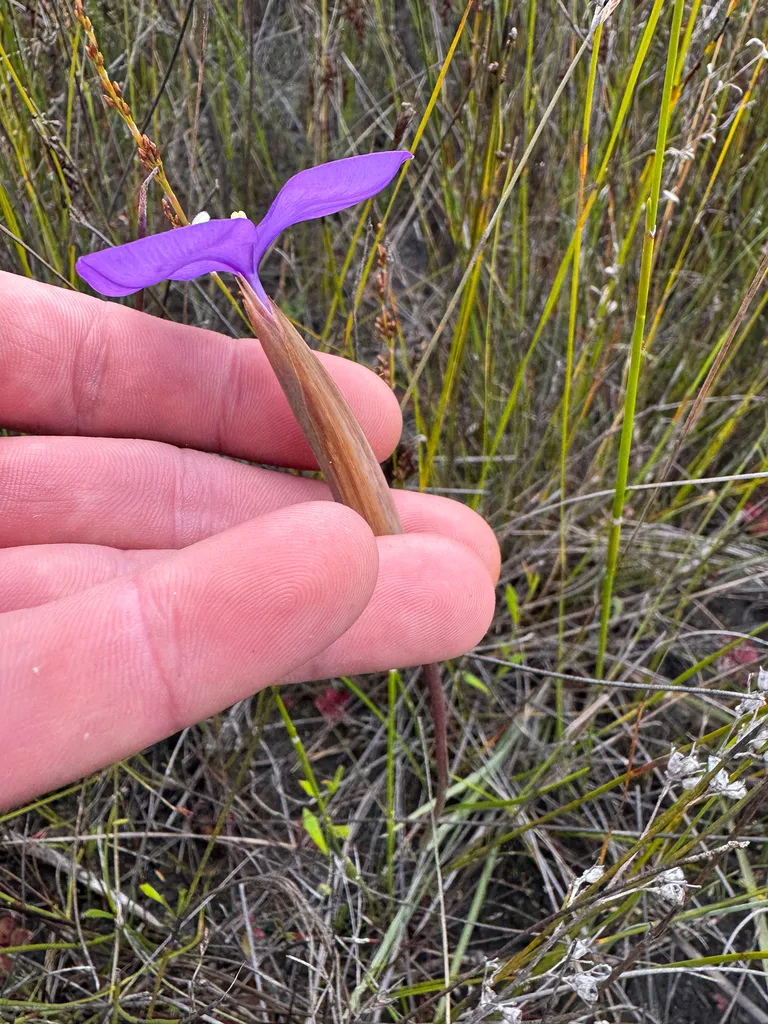
A tender evergreen perennial, forming tufts of grass-like, linear basal leaves to 40cm long. Small, three-petaled purple or deep blue flowers are borne on slender stems in late spring and early summer; though the flowers are short-lived, they are produced successionally, sometimes for several weeks
Scientific classification
- Species
- Patersonia occidentalis (Patersonia occidentalis)
- Genus
- Patersonia
- Family
- Iridaceae
- Order
- Asparagales
- Class
- Liliopsida
- Phylum
- Magnoliophyta
- Information to be completed
- Toxicity
- Herbaceous Perennial
- Plant type
- 0.1-0.5 metres
- Height
- 0.1-0.5 metres
- Spread
- Evergreen
- Foliage
- Tufted
- Habit
- Spring · Summer · Autumn · Winter
- Season of interest
- Full sun
- Sunlight
- Information to be completed
- Ideal temperature









Patersonia occidentalis pictures
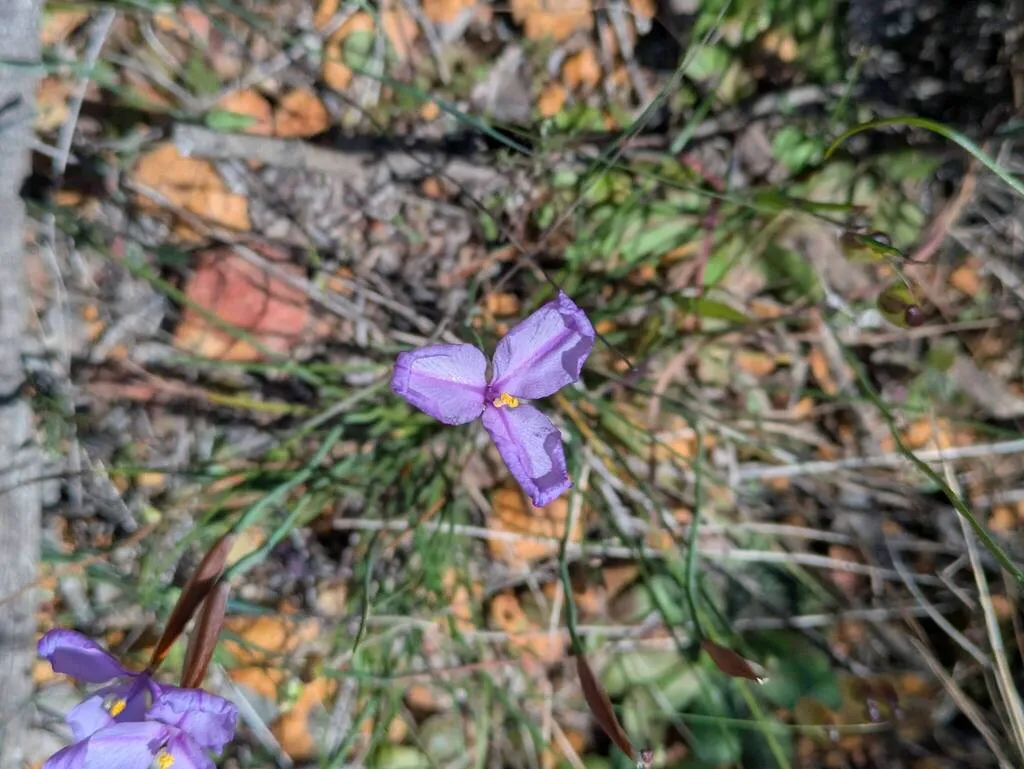
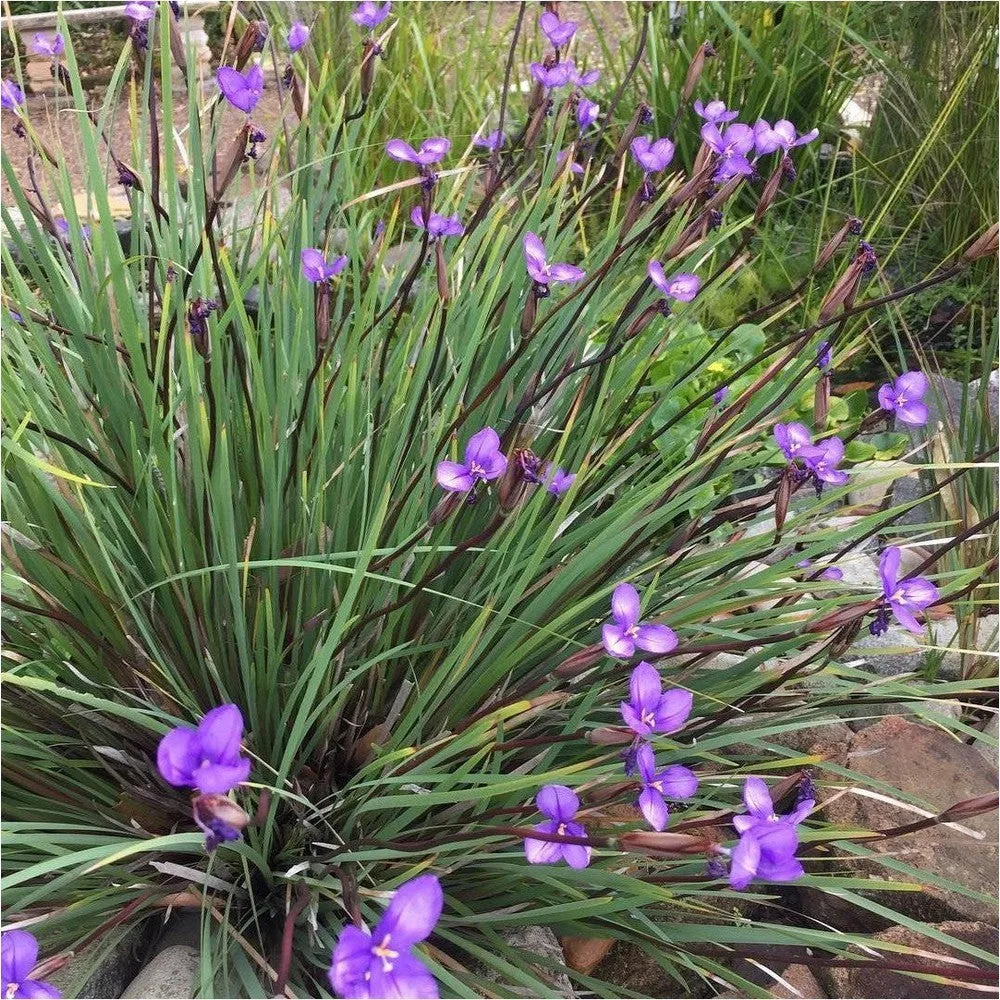
Distribution of Patersonia occidentalis
Distribution map
- Native
- Introduced
- Cultivated
Source:WCVP v16 · Royal Botanic Gardens, Kew · CC BY 3.0 · Boundaries:WGSRPD / TDWG
Patersonia occidentalis care guide
- Water moderately, allow partial soil drying between irrigation cycles
- Watering
- Full sun
- Sunlight

Watering
Water moderately, allow partial soil drying between irrigation cycles
Fertilizing
 Fertilizing
Light balanced diluted feed monthly warm active growth months
Pruning
 Pruning
No pruning required
Propagation
 Propagation
Propagate by seed, sown at 15-18°C, or by division in autumn
Growing
 Growing
In frost-free areas, may be grown outdoors in light, fertile, well-drained soil in full sun; may tolerate occasional light frosts where drainage is excellent. In colder areas, grow in a cool greenhouse or conservatory, or in containers that can be moved indoors over winter, in a loam-based potting compost with added grit
Common pests and diseases
Diseases
Generally disease-free
Pests
Generally pest-free
Explore the plant health library →




