
Aster asperulus
Also known as: Information to be completed
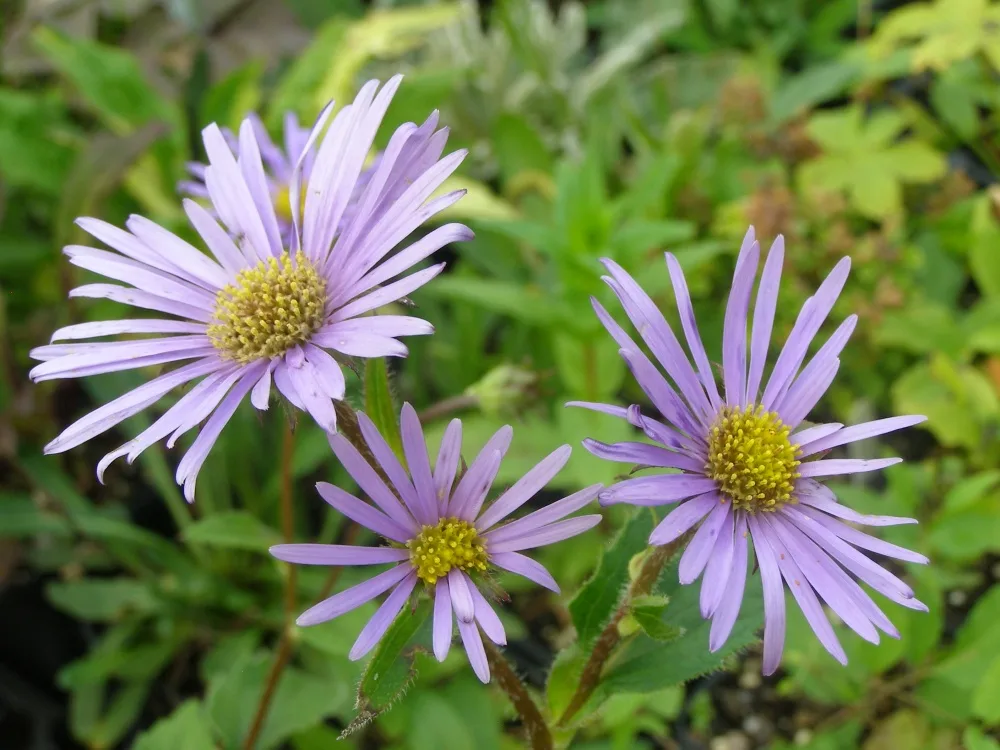
Forms a compact, bushy mound of heart-shaped, serrated foliage, topped with clusters of large, blue-purple, daisy flowers with yellow centres in late summer and early autumn
Scientific classification
- Species
- Aster asperulus (Aster asperulus)
- Genus
- Aster
- Family
- Asteraceae
- Information to be completed
- Toxicity
- Herbaceous Perennial
- Plant type
- 0.1-0.5 metres
- Height
- 0.1-0.5 metres
- Spread
- Deciduous
- Foliage
- Bushy · Clump forming
- Habit
- Spring · Summer · Autumn
- Season of interest
- Full sun
- Sunlight
- Information to be completed
- Ideal temperature









Aster asperulus pictures
Distribution of Aster asperulus
Distribution map
Information to be completed
Information to be completed
Culture
Information to be completed
Toxicity
Information to be completed
Quick identification of Aster asperulus
Information to be completed
Aster asperulus care guide
- Moderate regular watering, allowing brief slight drying between soakings
- Watering
- Full sun
- Sunlight
- Information to be completed
- Ideal temperature

Watering
Moderate regular watering, allowing brief slight drying between soakings
Fertilizing
 Fertilizing
Balanced perennial feed every four weeks from spring through summer
Pruning
 Pruning
Cut back in late autumn
Propagation
 Propagation
Propagate by seed or by division
Growing
 Growing
Grows best in full sun in a well-drained, alkaline soil with moisture in the spring and summer
People also ask
Information to be completed
Common pests and diseases
Diseases
May be susceptible to fusarium wilt, a leaf spot and grey mould
Pests
May be susceptible to eelworms, aphids, slugs and snails
Explore the plant health library →




