
goat's beard
Also known as: buck's beard
An herbaceous perennial to 2m tall, forming a clump of long leaves composed of numerous opposite leaflets. The foliage takes on yellow and orange autumn colour. In early and midsummer, feathery plumes of tiny, white flowers are produced on stems above the foliage, female plants bear greener, more pendent flowers. Both are good for cutting. It is also a Plant for Pollinators, but only of you get a male form
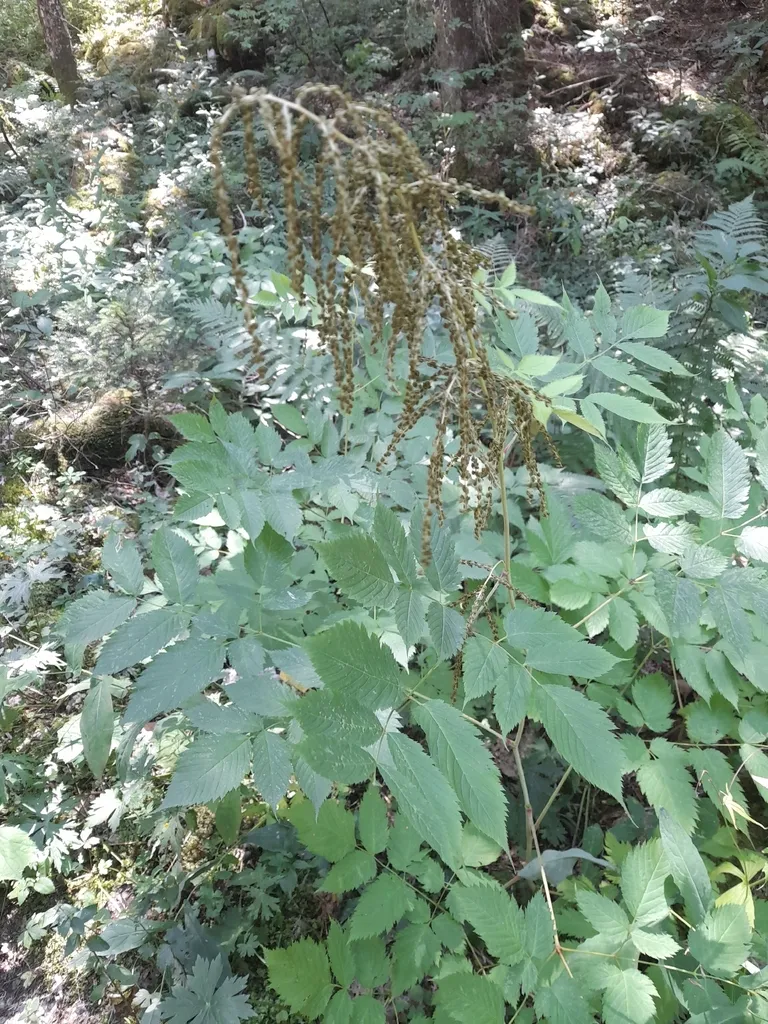
Scientific classification
- Species
- goat's beard (Aruncus dioicus)
- Genus
- Aruncus
- Family
- Rosaceae
- Information to be completed
- Toxicity
- Herbaceous Perennial
- Plant type
- 1.5-2.5 metres
- Height
- 0.5-1 metres
- Spread
- Deciduous
- Foliage
- Clump forming
- Habit
- Autumn · Spring · Summer
- Season of interest
- Full sun · Partial shade
- Sunlight
- Information to be completed
- Ideal temperature









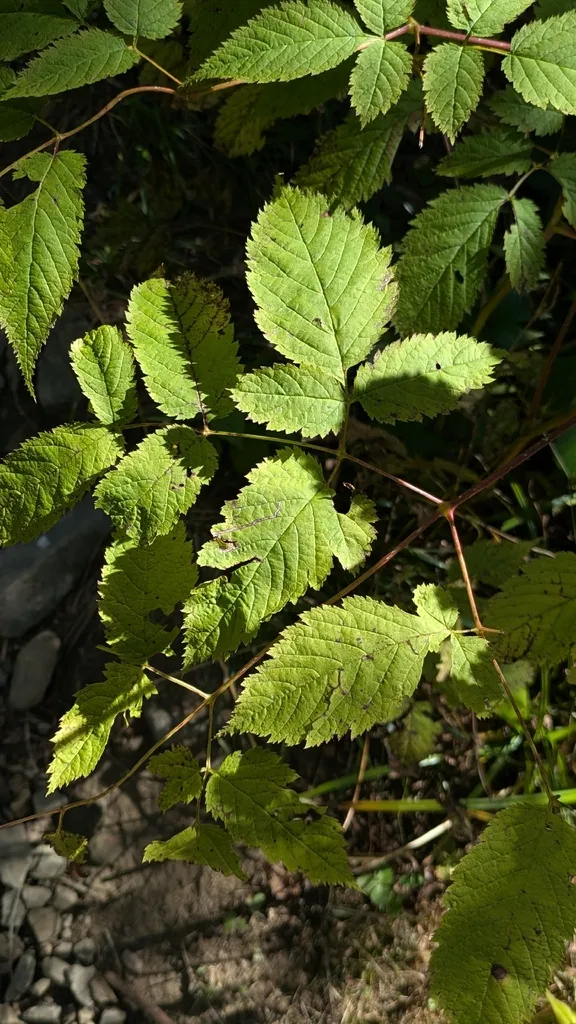
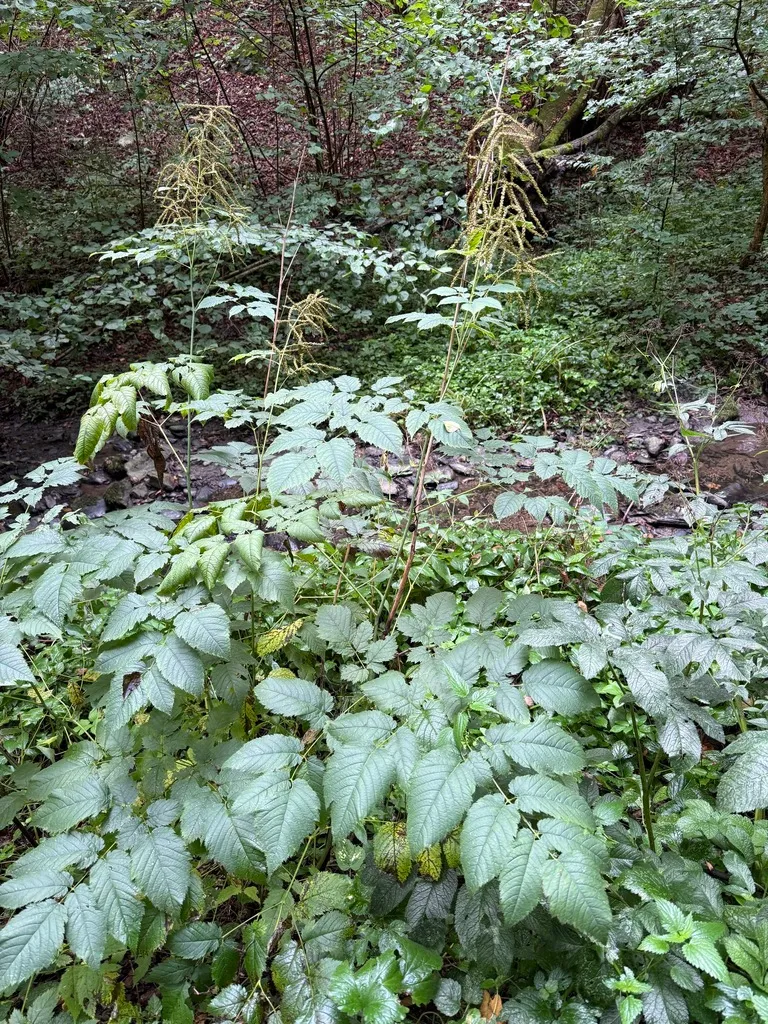
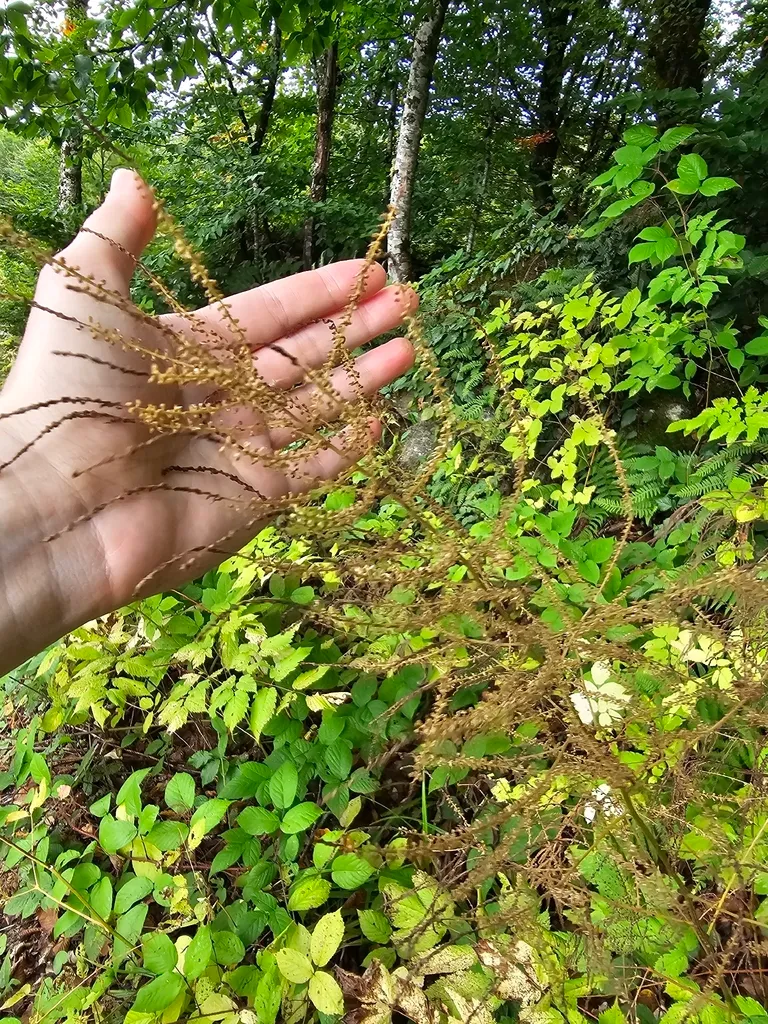
goat's beard pictures
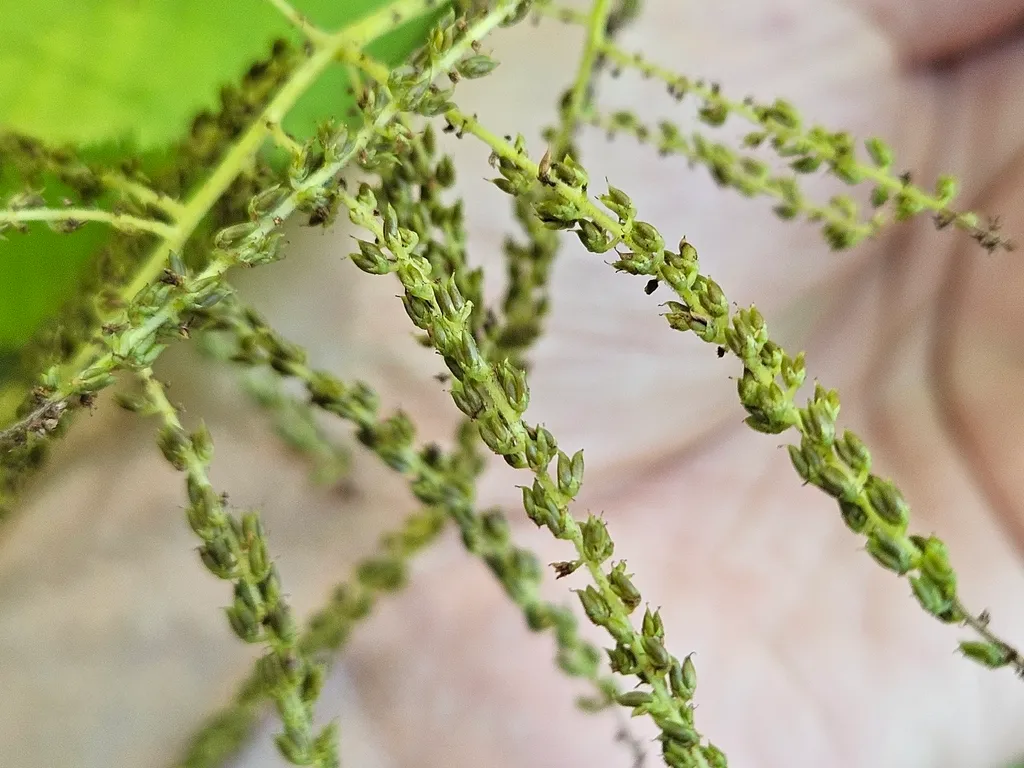
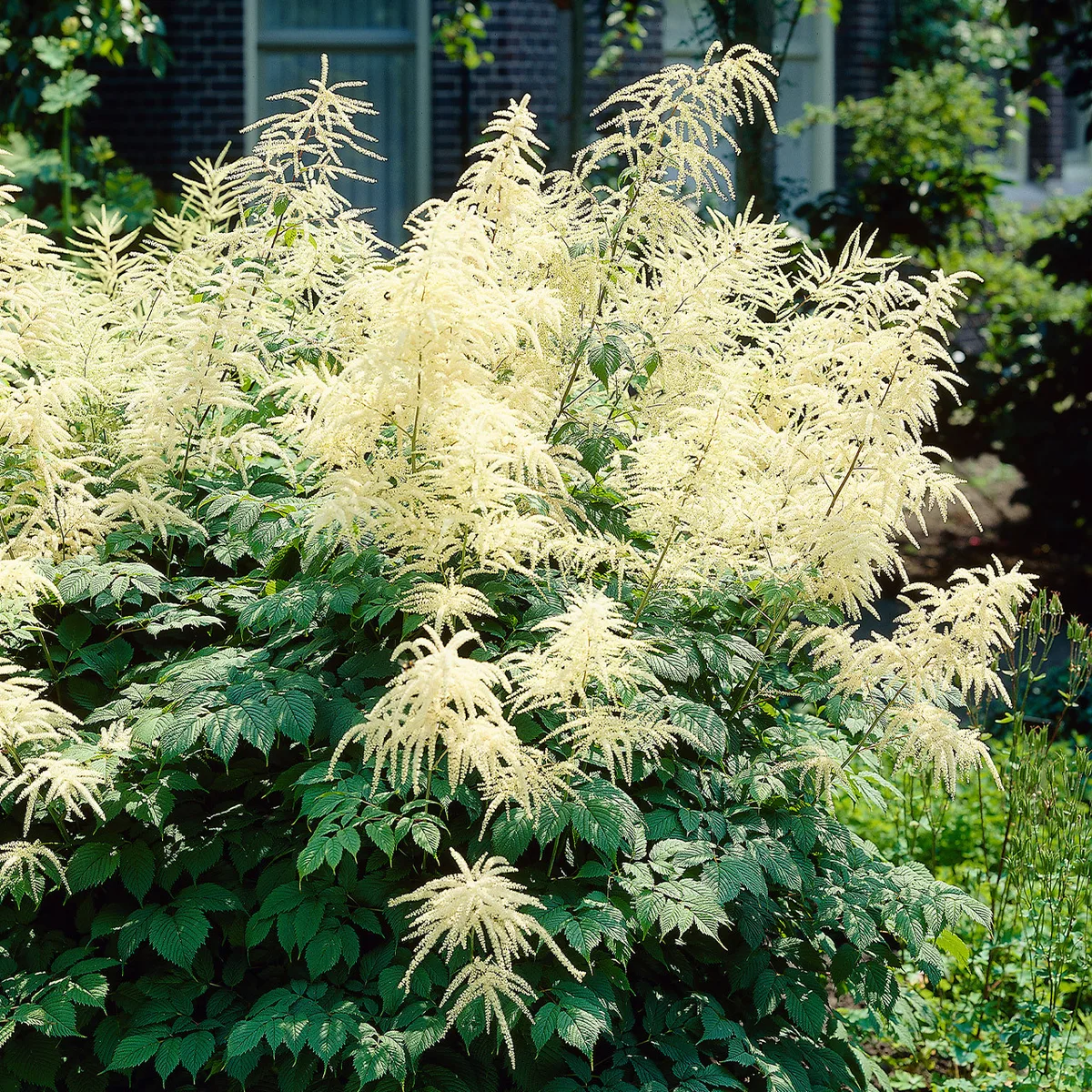
Distribution of goat's beard
Distribution map
Europe, Asia, North America
Information to be completed
Culture
Information to be completed
Toxicity
Information to be completed
Quick identification of goat's beard
Information to be completed
goat's beard care guide
- Moderate regular watering, allowing brief slight drying between soakings
- Watering
- Full sun · Partial shade
- Sunlight
- Information to be completed
- Ideal temperature

Watering
Moderate regular watering, allowing brief slight drying between soakings
Fertilizing
 Fertilizing
Balanced perennial feed every four weeks from spring through summer
Pruning
 Pruning
No pruning required
Propagation
 Propagation
Propagate by division in spring or autumn
Growing
 Growing
Grow in moist, fertile soil in full sun or partial shade
People also ask
Information to be completed
Common pests and diseases
Diseases
Generally disease-free
Pests
May be susceptible to blackfly and sawfly larvae
Explore the plant health library →




