
raspberry 'Tulameen'
Also known as: Information to be completed
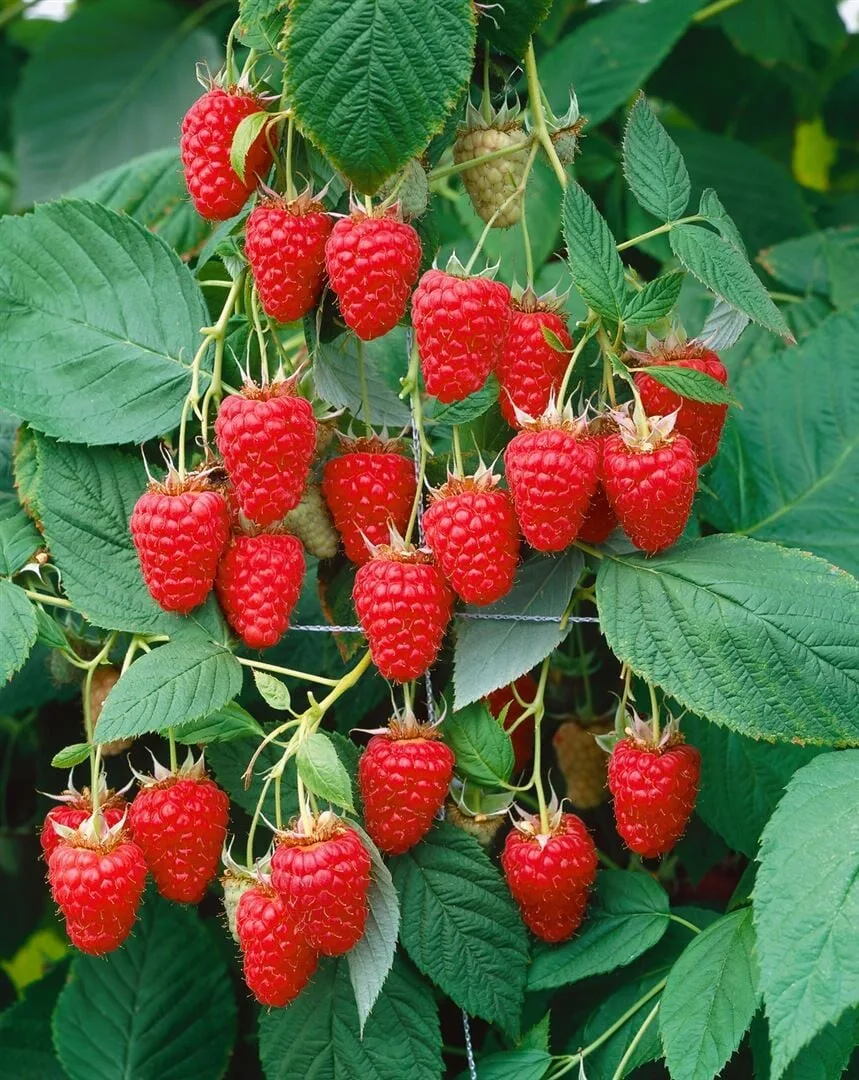
A late-season raspberry with upright, spine-free canes producing a high yield of very well-flavoured red berries over a long period
Scientific classification
- Species
- raspberry 'Tulameen' (Rubus idaeus 'Tulameen')
- Genus
- Rubus
- Family
- Rosaceae
- Order
- Rosales
- Class
- Magnoliopsida
- Phylum
- Magnoliophyta
- Information to be completed
- Toxicity
- Fruit Edible
- Plant type
- 1.5-2.5 metres
- Height
- 0.1-0.5 metres
- Spread
- Deciduous
- Foliage
- Suckering
- Habit
- Spring · Summer · Autumn
- Season of interest
- Full sun
- Sunlight
- Information to be completed
- Ideal temperature









raspberry 'Tulameen' pictures
Distribution of raspberry 'Tulameen'
Distribution map
- Native
- Introduced
- Cultivated
Source:WCVP v16 · Royal Botanic Gardens, Kew · CC BY 3.0 · Boundaries:WGSRPD / TDWG
raspberry 'Tulameen' care guide
- Deep watering during dry spells, allowing slight surface drying between soakings
- Watering
- Full sun
- Sunlight

Watering
Deep watering during dry spells, allowing slight surface drying between soakings
Fertilizing
 Fertilizing
Balanced shrub or tree feed once each early spring
Pruning
 Pruning
Remove all fruited canes down to ground level in early to mid autumn. Train in new growth
Propagation
 Propagation
Propagate by division in the dormant season. Lift new canes along with their rootballs. Choose only newly planted, disease-free stock from which to propagate
Growing
 Growing
Grow in an acidic or neutral soil and mulch with acidic material such as composted bark. Train raspberries in rows between parallel wires for support. May have the potential to become a nuisance if not managed well. See raspberry cultivation
Common pests and diseases
Diseases
May be susceptible to grey moulds and honey fungus (rarely)
Pests
May be susceptible to aphids, glasshouse red spider mite, raspberry leaf and bud mite, leafhoppers and raspberry beetle
Explore the plant health library →




