
Colorado spruce
Also known as: blue spruce; Rocky Mountain spruce
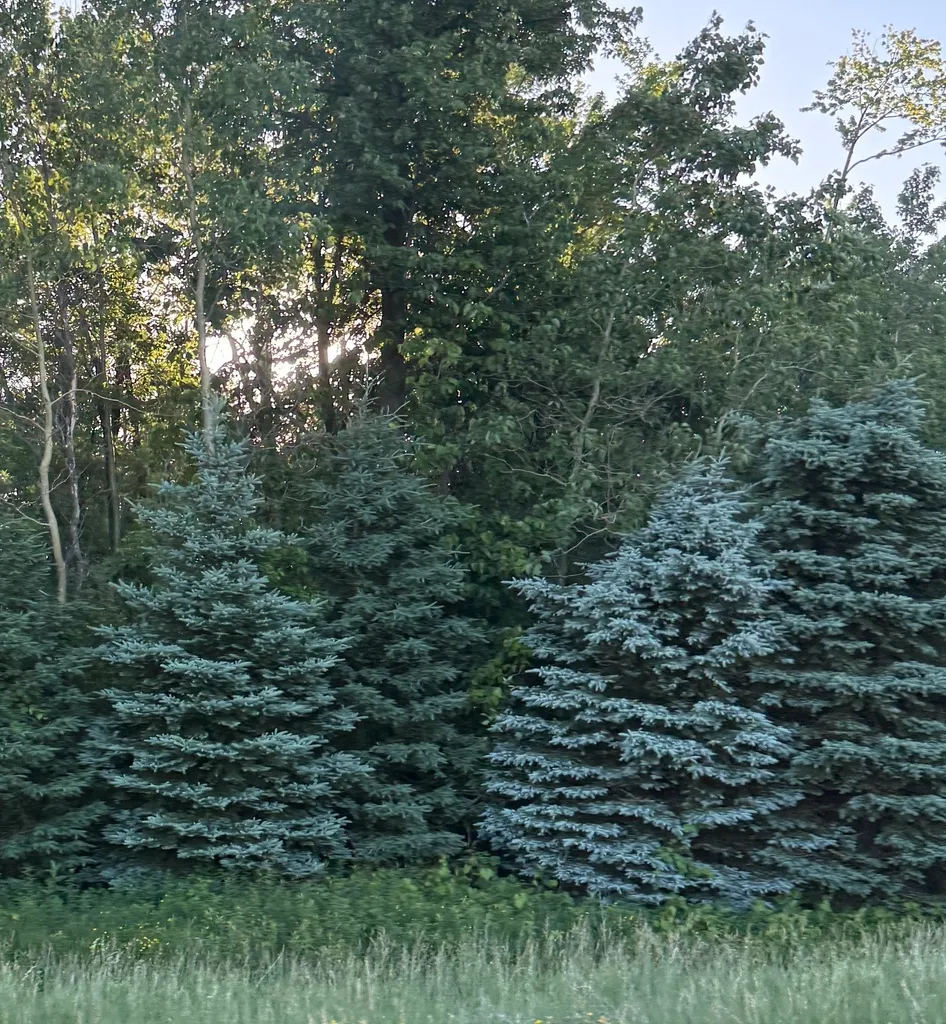
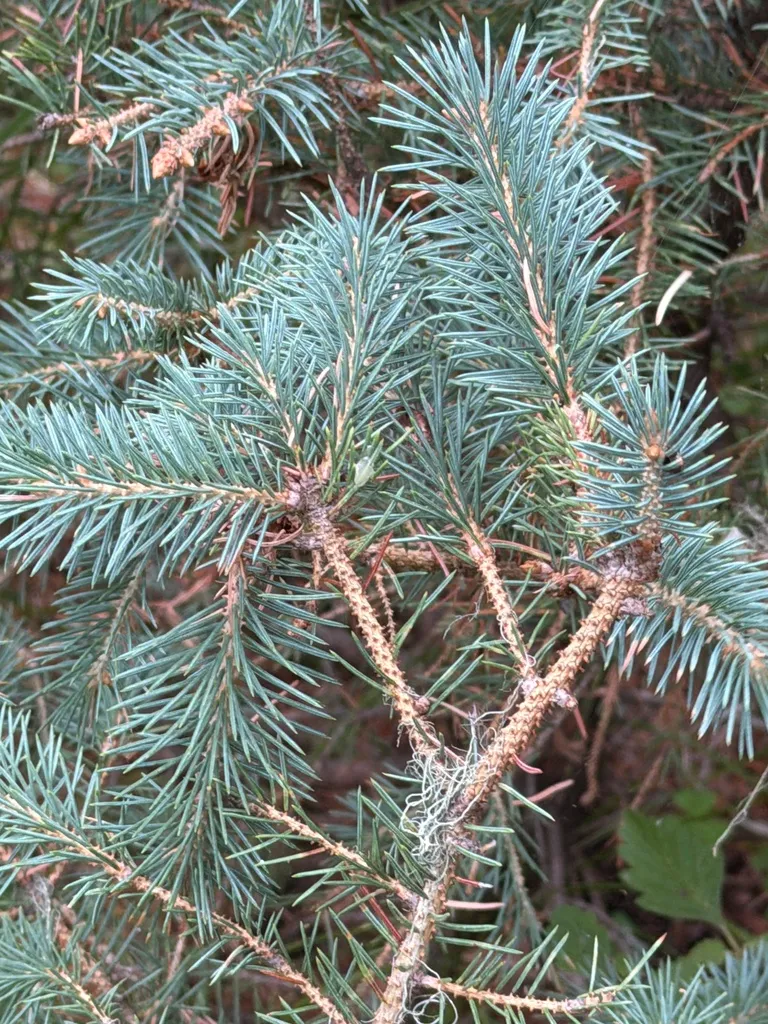
A conical to columnar evergreen tree to about 15m with scaly, grey bark and orange-brown shoots. Needles are stiff, pointed, bluish grey-green, curving upwards and covered in wax. Cylindrical cones are green at first, ripening to pale brown, and up to 12cm long
Scientific classification
- Species
- Colorado spruce (Picea pungens)
- Genus
- Picea
- Family
- Pinaceae
- Information to be completed
- Toxicity
- Conifers · Trees
- Plant type
- Higher than 12 metres
- Height
- 4-8 metres
- Spread
- Evergreen
- Foliage
- Columnar upright
- Habit
- Spring · Summer · Autumn · Winter
- Season of interest
- Full sun
- Sunlight
- Information to be completed
- Ideal temperature









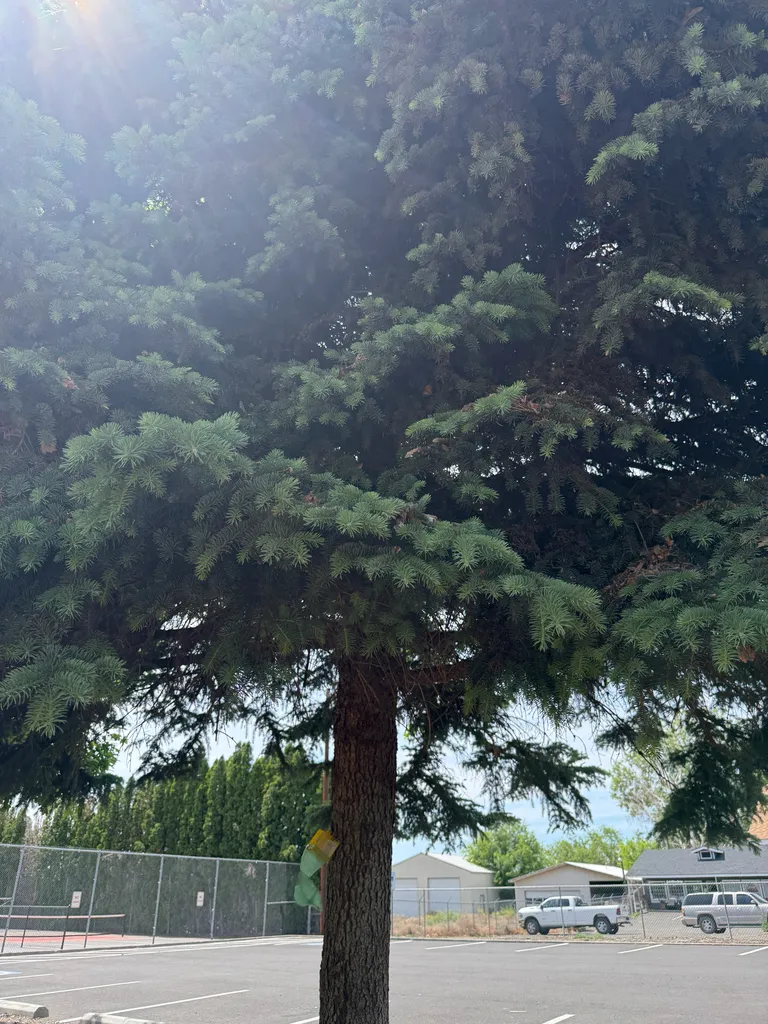
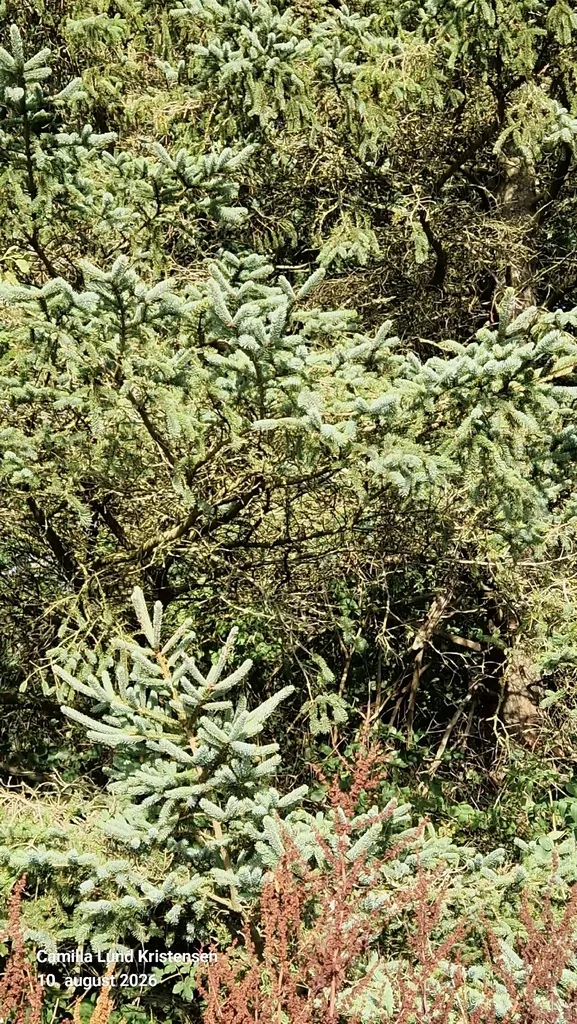
Colorado spruce pictures
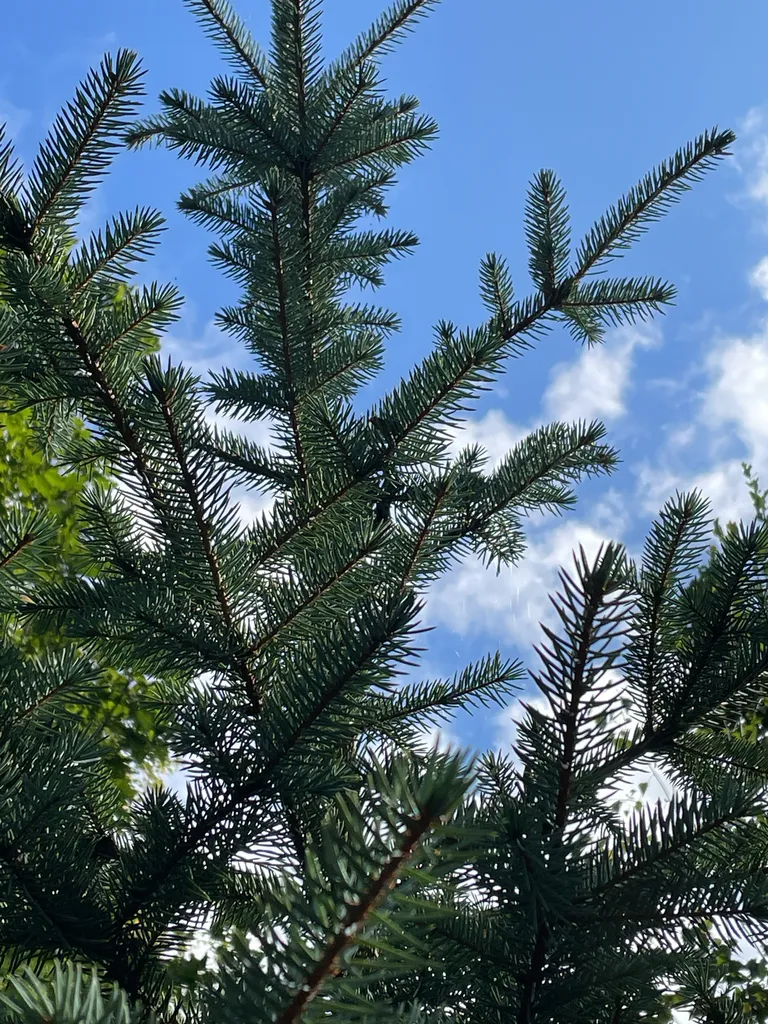
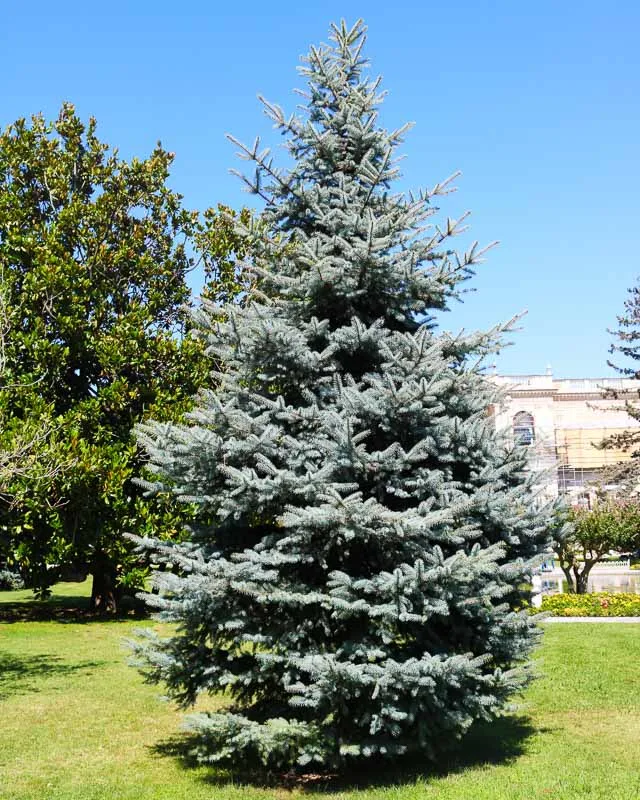
Distribution of Colorado spruce
Distribution map
Information to be completed
Information to be completed
Culture
Information to be completed
Toxicity
Information to be completed
Quick identification of Colorado spruce
Information to be completed
Colorado spruce care guide
- Deep infrequent irrigation, dry topsoil lightly between watering times
- Watering
- Full sun
- Sunlight
- Information to be completed
- Ideal temperature

Watering
Deep infrequent irrigation, dry topsoil lightly between watering times
Fertilizing
 Fertilizing
Coniferous tree slow-release fertilizer applied once each early spring
Pruning
 Pruning
No pruning required
Propagation
 Propagation
Propagate by seed
Growing
 Growing
Grow in moist but well-drained, neutral to acid soil
People also ask
Information to be completed
Common pests and diseases
Diseases
May be susceptible to honey fungus
Pests
May be susceptible to adelgids, aphids and conifer red spider mite
Explore the plant health library →




