
Cape mallow
Also known as: African mallow; false mallow
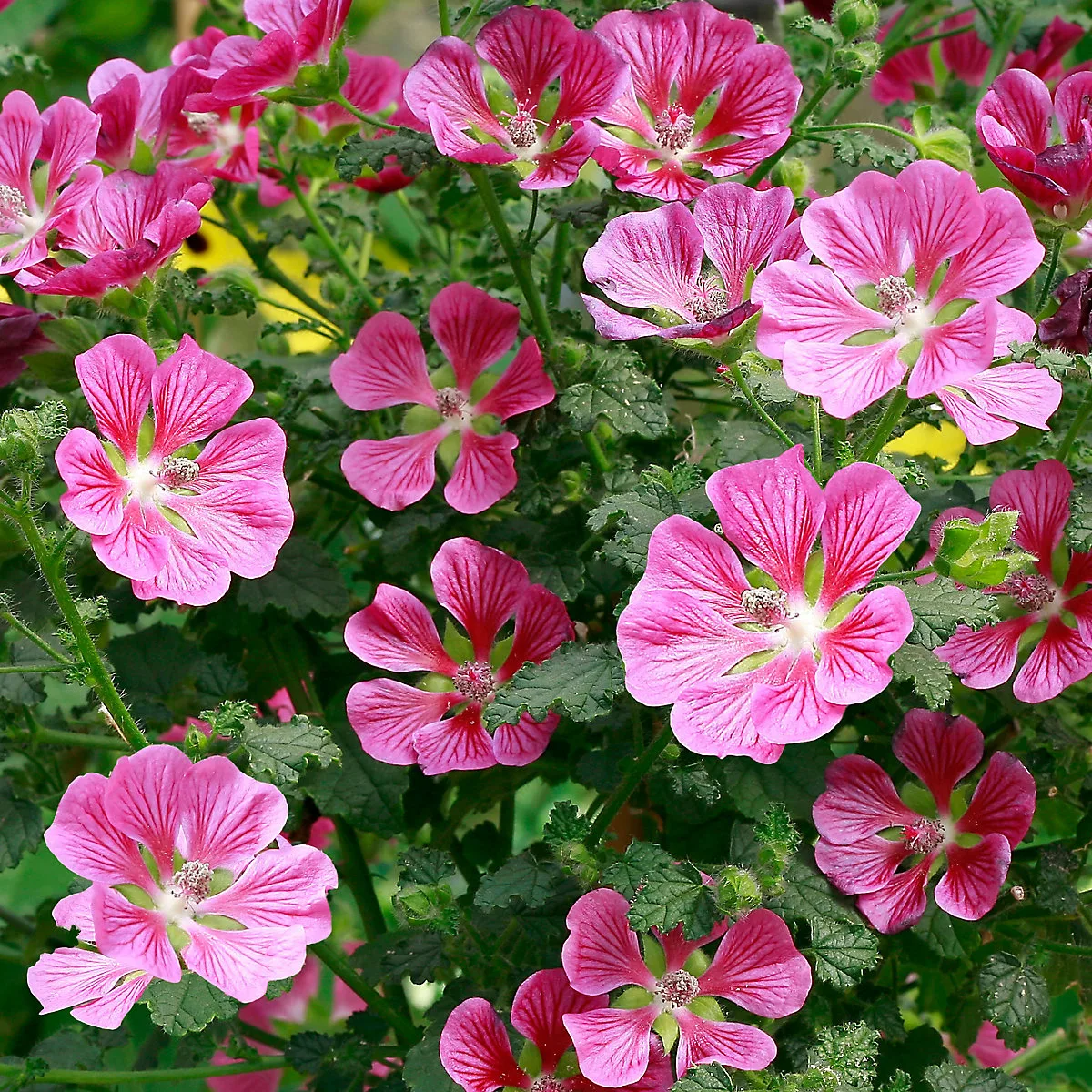
An upright sub-shrub with hairy stems and small, hairy, evergreen leaves. The flowers resemble a small hibiscus, ranging from pale pink to dark red-purple and appear in summer and autumn
Scientific classification
- Species
- Cape mallow (Anisodontea capensis)
- Genus
- Anisodontea
- Family
- Malvaceae
- Information to be completed
- Toxicity
- Shrubs
- Plant type
- 0.5-1 metres
- Height
- 0.5-1 metres
- Spread
- Evergreen
- Foliage
- Bushy
- Habit
- Spring · Summer · Autumn · Winter
- Season of interest
- Full sun
- Sunlight
- Information to be completed
- Ideal temperature









Cape mallow pictures
Distribution of Cape mallow
Distribution map
South Africa (Cape)
Information to be completed
Culture
Information to be completed
Toxicity
Information to be completed
Quick identification of Cape mallow
Information to be completed
Cape mallow care guide
- Allow top soil to dry before thorough watering, drain excess water fully
- Watering
- Full sun
- Sunlight
- Information to be completed
- Ideal temperature

Watering
Allow top soil to dry before thorough watering, drain excess water fully
Fertilizing
 Fertilizing
Feed lightly with balanced bloom fertilizer every three to four weeks
Pruning
 Pruning
Prune lightly as needed to remove unwanted shoots and keep the shrub in shape. Prune in mid- to late spring. Pinch young shoot tips to encourage branching.
Propagation
 Propagation
Propagate by seed in spring or by semi-ripe cuttings with bottom heat in summer
Growing
 Growing
May survive outdoors in a sunny, sheltered spot in mild areas but normally grown in a cool greenhouse for summer bedding or as a patio plant. Needs good drainage and full sun
People also ask
Information to be completed
Common pests and diseases
Diseases
Generally disease free
Pests
May be affected by glasshouse red spider mite, glasshouse whitefly and aphids
Explore the plant health library →




