
lacebark pine
Also known as: Chinese lacebark pine
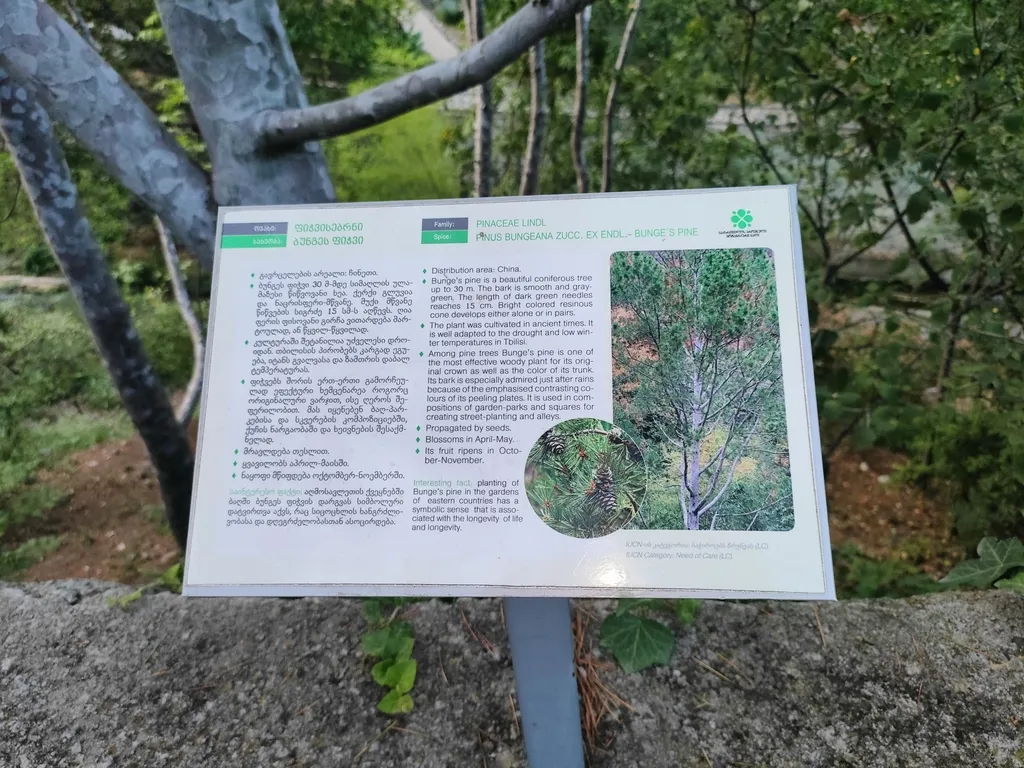
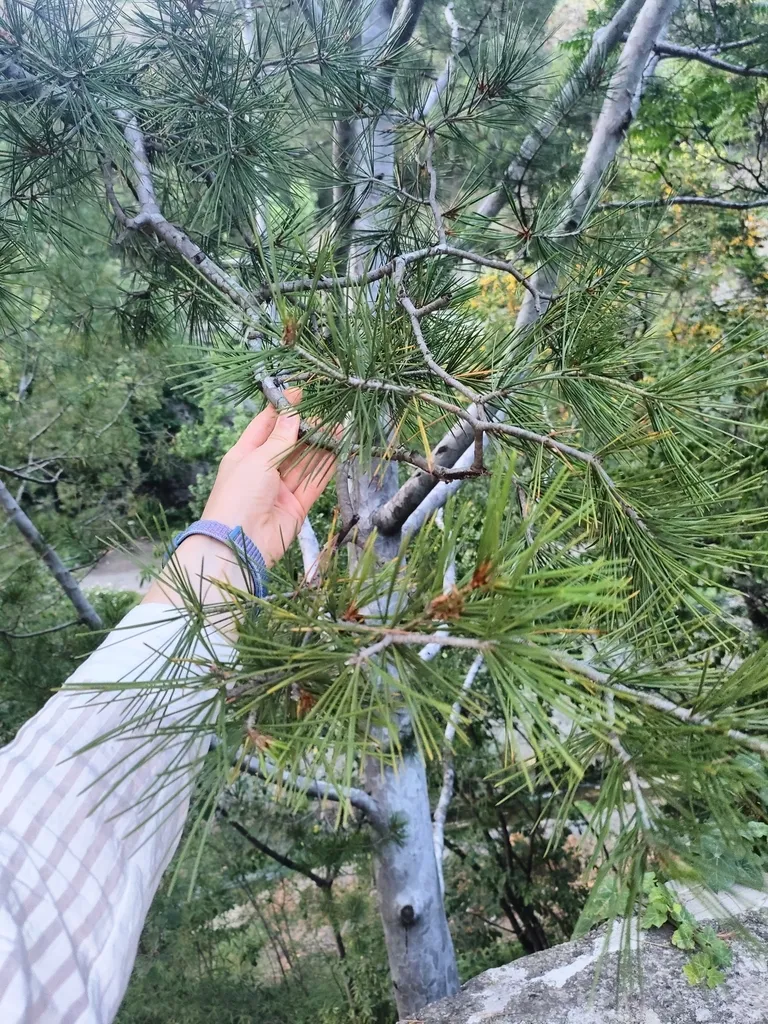
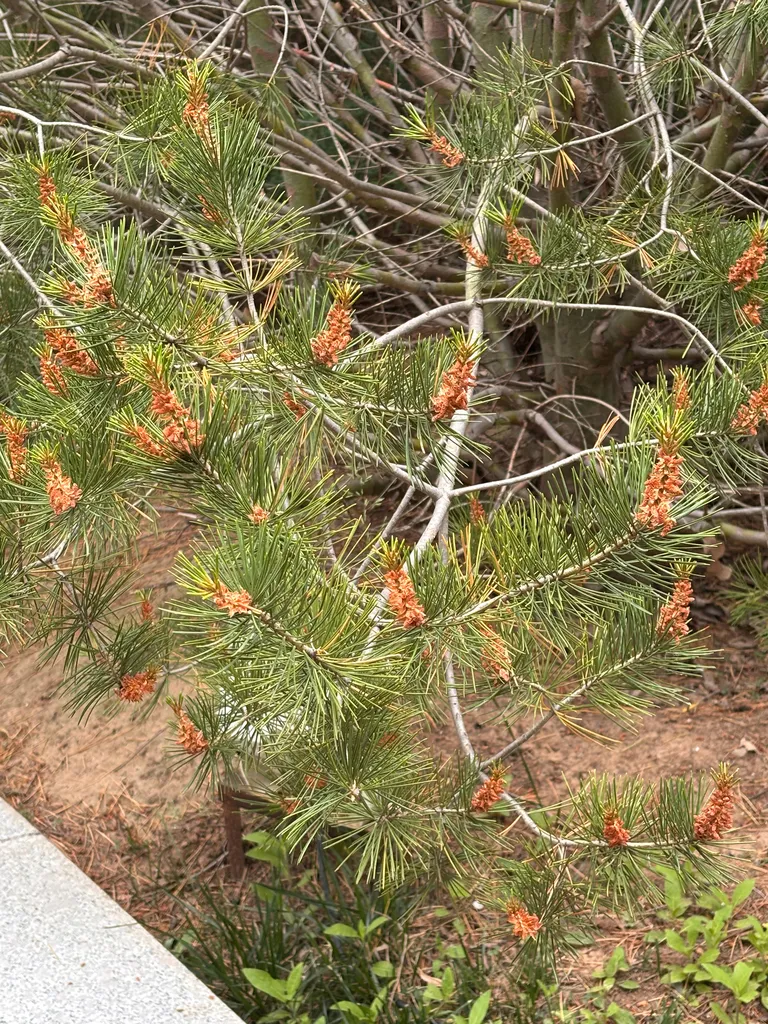
A slow-growing conifer, to 30m tall, frequently branching near to the ground forming a bushy tree or large shrub. Often cultivated for its ornamental smooth grey-green bark that flakes away to reveal creamy-white patches, darkening to shades of red, purple, brown and green. The bright green leaves are rigid, pointed, 5-10cm long and borne in threes; short-stalked brown cones are up to 7cm long
Scientific classification
- Species
- lacebark pine (Pinus bungeana)
- Genus
- Pinus
- Family
- Pinaceae
- Order
- Pinales
- Class
- Pinopsida
- Phylum
- Pinophyta
- Information to be completed
- Toxicity
- Conifers · Trees
- Plant type
- Higher than 12 metres
- Height
- wider than 8 metres
- Spread
- Evergreen
- Foliage
- Bushy
- Habit
- Spring · Summer · Autumn · Winter
- Season of interest
- Full sun
- Sunlight
- Information to be completed
- Ideal temperature









lacebark pine pictures
Distribution of lacebark pine
Distribution map
- Native
- Introduced
- Cultivated
Source:WCVP v16 · Royal Botanic Gardens, Kew · CC BY 3.0 · Boundaries:WGSRPD / TDWG
lacebark pine care guide
- Infrequent deep watering, fully drain soil after each irrigation
- Watering
- Full sun
- Sunlight

Watering
Infrequent deep watering, fully drain soil after each irrigation
Fertilizing
 Fertilizing
Conifer granular slow release feed once per early spring annually
Pruning
 Pruning
None required
Propagation
 Propagation
Propagate by seed
Growing
 Growing
Grow in any well-drained soil in full sun. See Trees: buying and planting specimens
Common pests and diseases
Diseases
May be susceptible to honey fungus and needle cast diseases
Pests
May be susceptible to adelgids, conifer aphid, sawfly larvae, and pine shoot moth
Explore the plant health library →




