
Arolla pine
Also known as: Russian cedar; Siberian cedar; Siberian cedar pine; Swiss stone pine
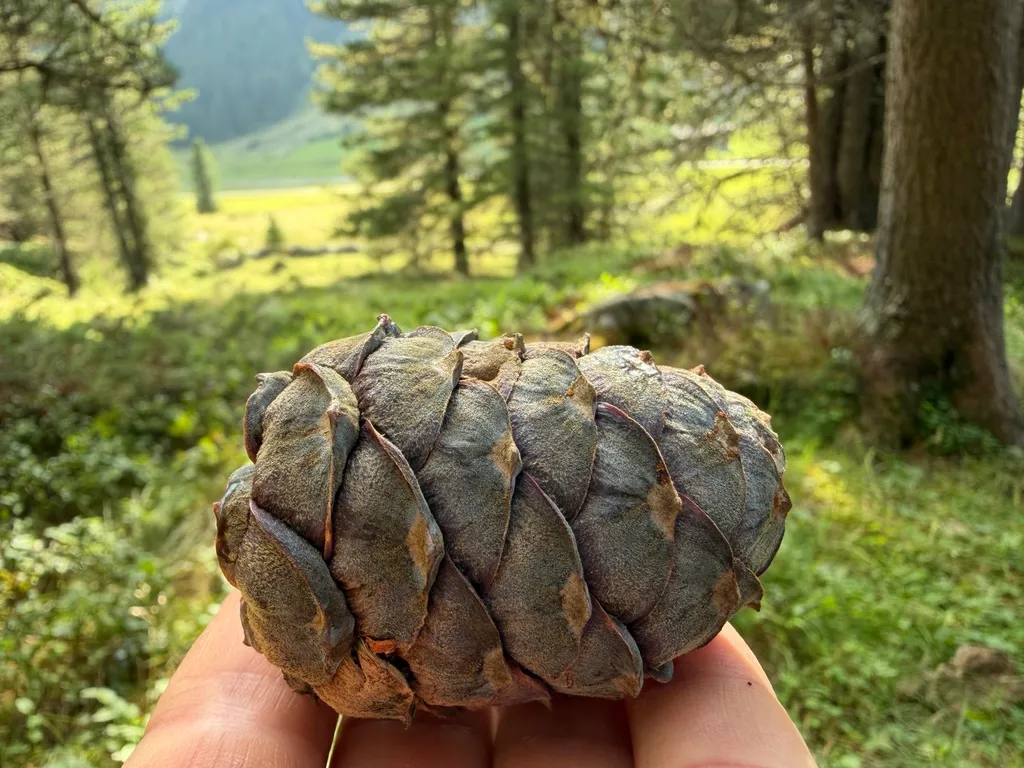
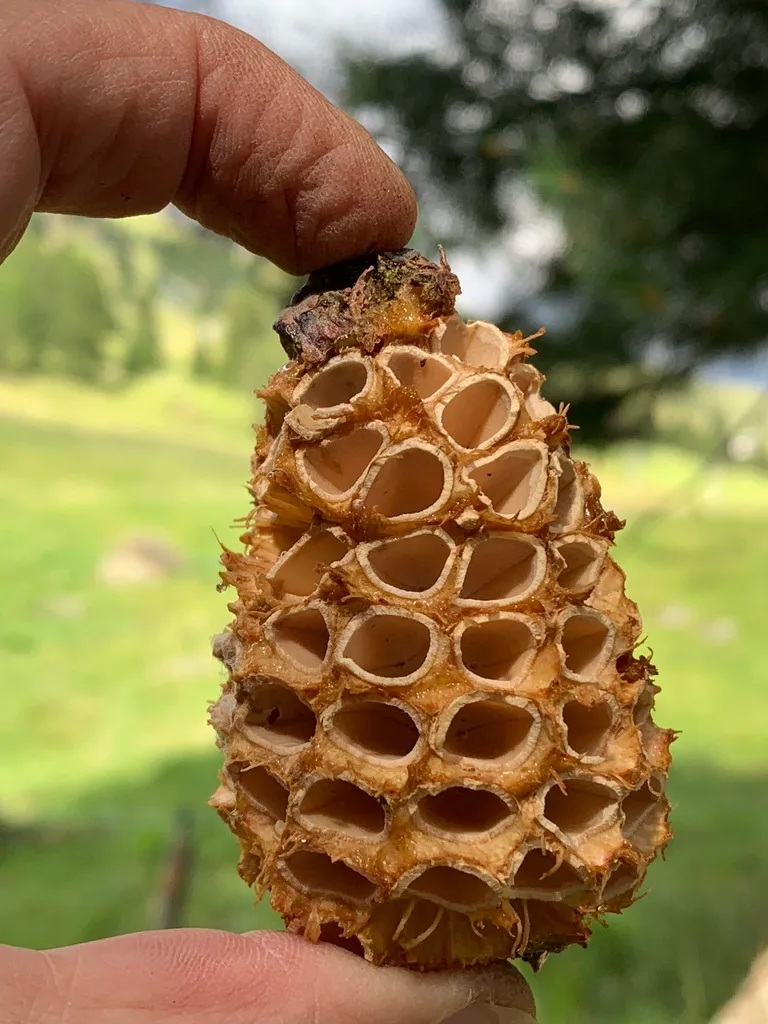
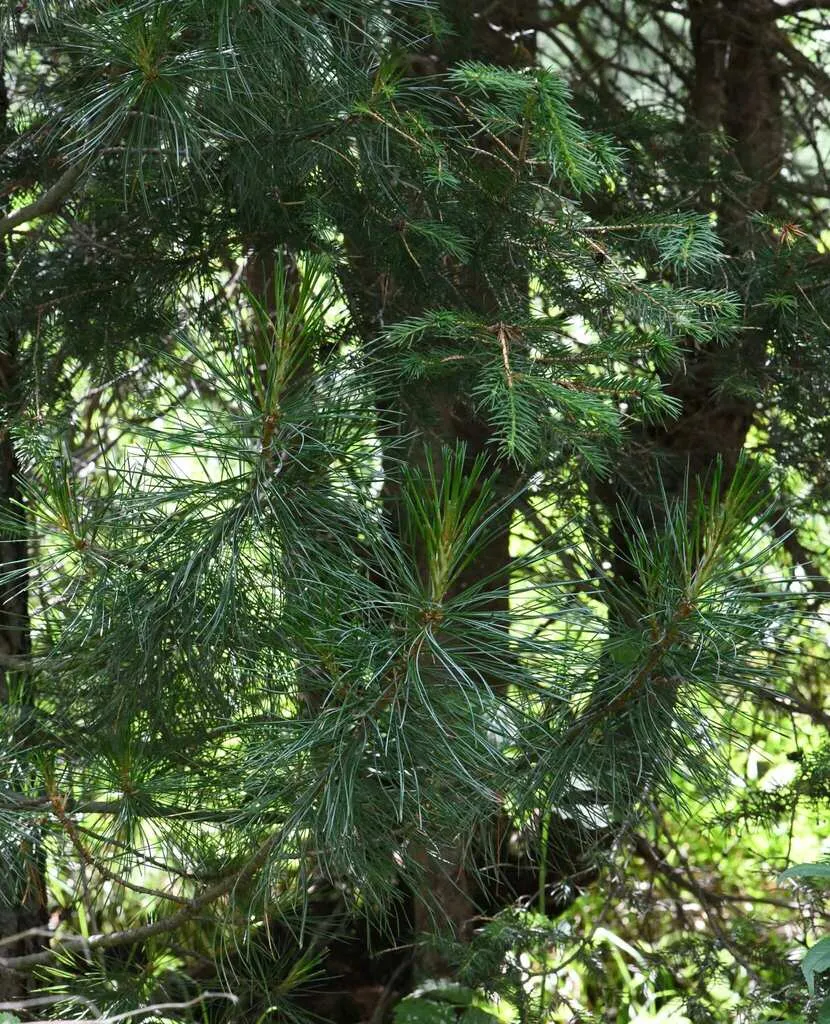
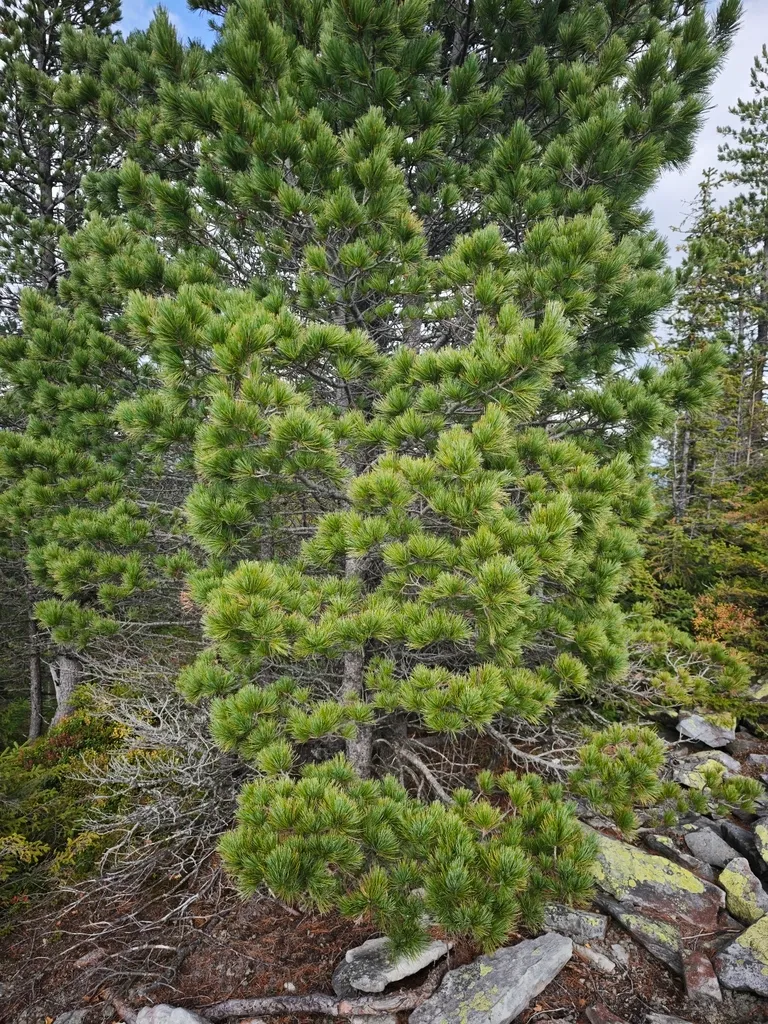
P. cembra is a bushy tree to 20m tall, usually narrow in habit, with dark grey-green needles borne in fives, and ovoid cones 6cm long, blue-green when young, later pale brown, and contained large, edible seeds
Scientific classification
- Species
- Arolla pine (Pinus cembra)
- Genus
- Pinus
- Family
- Pinaceae
- Information to be completed
- Toxicity
- Conifers · Trees
- Plant type
- Higher than 12 metres
- Height
- 4-8 metres
- Spread
- Evergreen
- Foliage
- Bushy
- Habit
- Spring · Summer · Autumn · Winter
- Season of interest
- Full sun
- Sunlight
- Information to be completed
- Ideal temperature









Arolla pine pictures
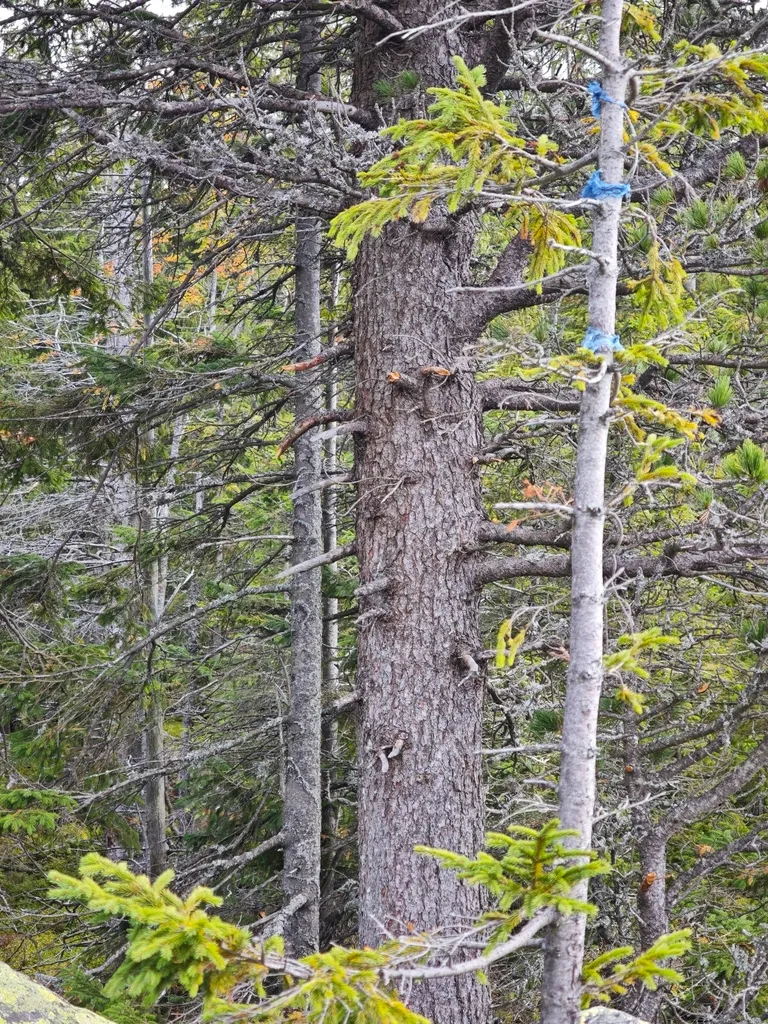
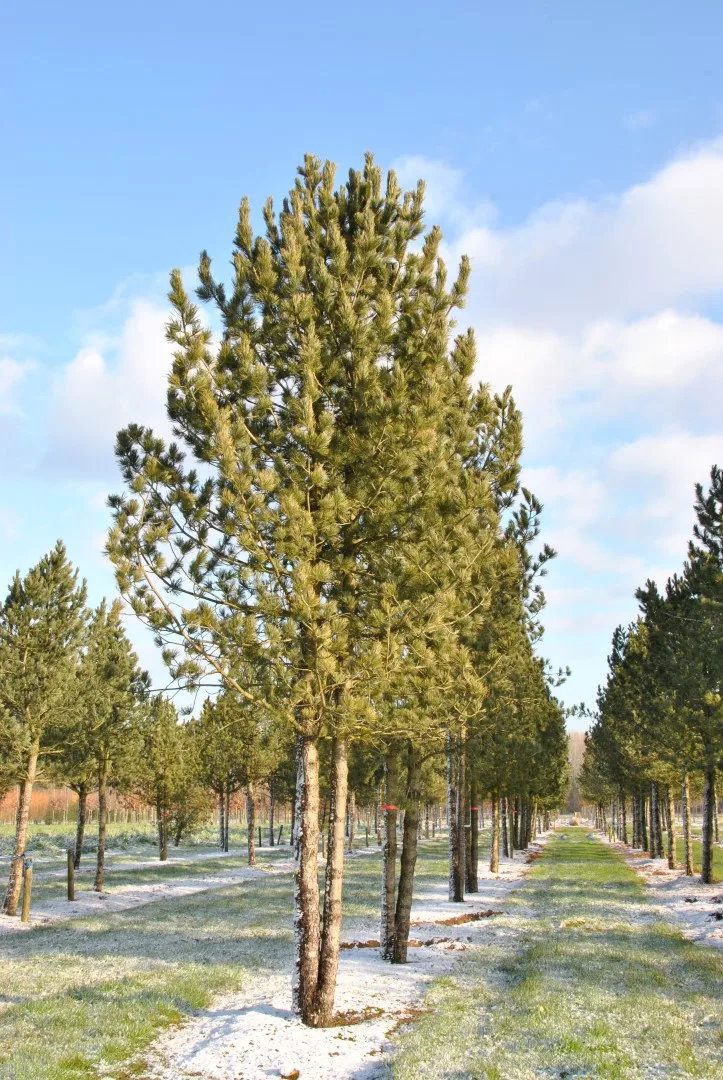
Distribution of Arolla pine
Distribution map
C and Eastern Europe
Information to be completed
Culture
Information to be completed
Toxicity
Information to be completed
Quick identification of Arolla pine
Information to be completed
Arolla pine care guide
- Moderate deep watering, fast draining soil prevents root saturation
- Watering
- Full sun
- Sunlight
- Information to be completed
- Ideal temperature

Watering
Moderate deep watering, fast draining soil prevents root saturation
Fertilizing
 Fertilizing
Slow-release conifer granular feed every single spring yearly
Pruning
 Pruning
Keep pruning to a minimum but if dual leaders form on young trees, remove one to produce a single-stemmed tree. Trees may be resinous, any pruning should be carried out from late summer to midwinter
Propagation
 Propagation
Propagate by seed in containers in a cold frame in spring. Semi-ripe cuttings from vigorous young growth in summer or early to mid autumn
Growing
 Growing
Grow in any well-drained soil in full sun. May be short-lived in shallow, chalk soil. See Trees: buying and planting specimens
People also ask
Information to be completed
Common pests and diseases
Diseases
May be susceptible to honey fungus and needle cast diseases
Pests
May be susceptible to adelgids, conifer aphid, sawfly larvae, and pine shoot moth
Explore the plant health library →




