
asparagus 'Backlim'
Also known as: Information to be completed
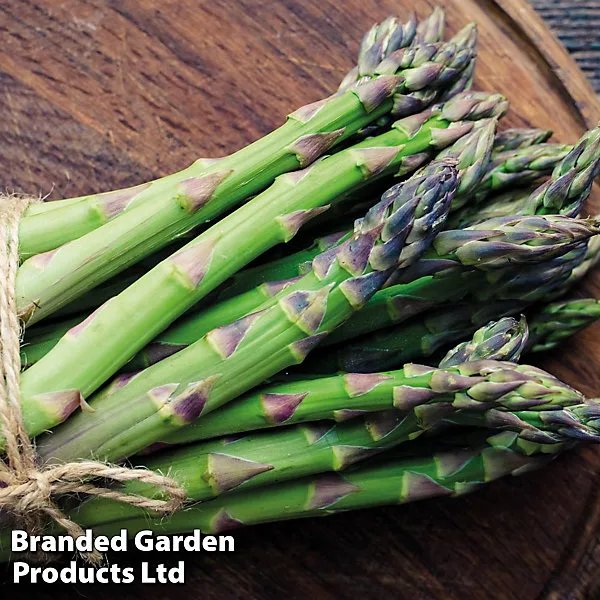
A long-lived perennial grown for its edible young shoots called spears. These are harvested in spring and early summer, then the plant allowed to grow on, producing tall stems with airy, feathery foliage which may need support. This is an all male, reliable, mid- to late season cultivar with good yields of straight, tasty spears
Scientific classification
- Species
- asparagus 'Backlim' (Asparagus officinalis 'Backlim')
- Genus
- Asparagus
- Family
- Asparagaceae
- Order
- Asparagales
- Class
- Liliopsida
- Phylum
- Magnoliophyta
- Skin allergen, fruits harmful if eaten. Wear gloves and other protective equipment when handling]
- Toxicity
- Herbaceous Perennial
- Plant type
- 0.5-1 metres
- Height
- 0.5-1 metres
- Spread
- Deciduous
- Foliage
- Bushy · Columnar upright
- Habit
- Summer · Autumn · Spring
- Season of interest
- Full sun
- Sunlight
- Information to be completed
- Ideal temperature









asparagus 'Backlim' pictures
Distribution of asparagus 'Backlim'
Distribution map
- Native
- Introduced
- Cultivated
Source:WCVP v16 · Royal Botanic Gardens, Kew · CC BY 3.0 · Boundaries:WGSRPD / TDWG
Toxicity
Skin allergen, fruits harmful if eaten. Wear gloves and other protective equipment when handling]
asparagus 'Backlim' care guide
- Moderate regular watering, avoid prolonged drought or waterlogging
- Watering
- Full sun
- Sunlight

Watering
Moderate regular watering, avoid prolonged drought or waterlogging
Fertilizing
 Fertilizing
Balanced feed in spring and light repeat in growth season
Pruning
 Pruning
Cut down foliage to ground level once yellowed in autumn
Propagation
 Propagation
Propagate by crowns. Although propagation by seed is possible, it is not advisable as seedlings take longer, and may not be male cultivars which produce better plants
Growing
 Growing
Grow in fertile, well-drained soil, or in raised beds. Mulch in winter, fertilise in spring and keep weed free. See Asparagus (Grow your own)
Common pests and diseases
Diseases
May be susceptible to foot and root rots and violet root rot
Pests
May be susceptible to asparagus beetle, slugs and snails
Explore the plant health library →




