
lodgepole pine
Also known as: beach pine; shore pine; twisted-branch pine
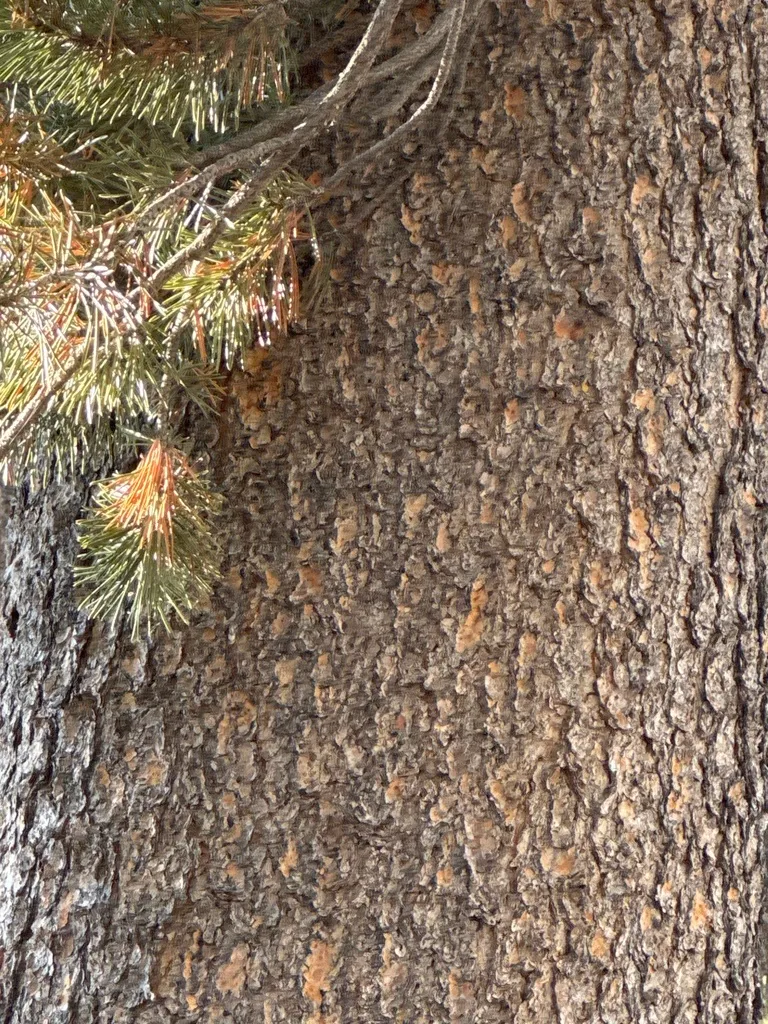
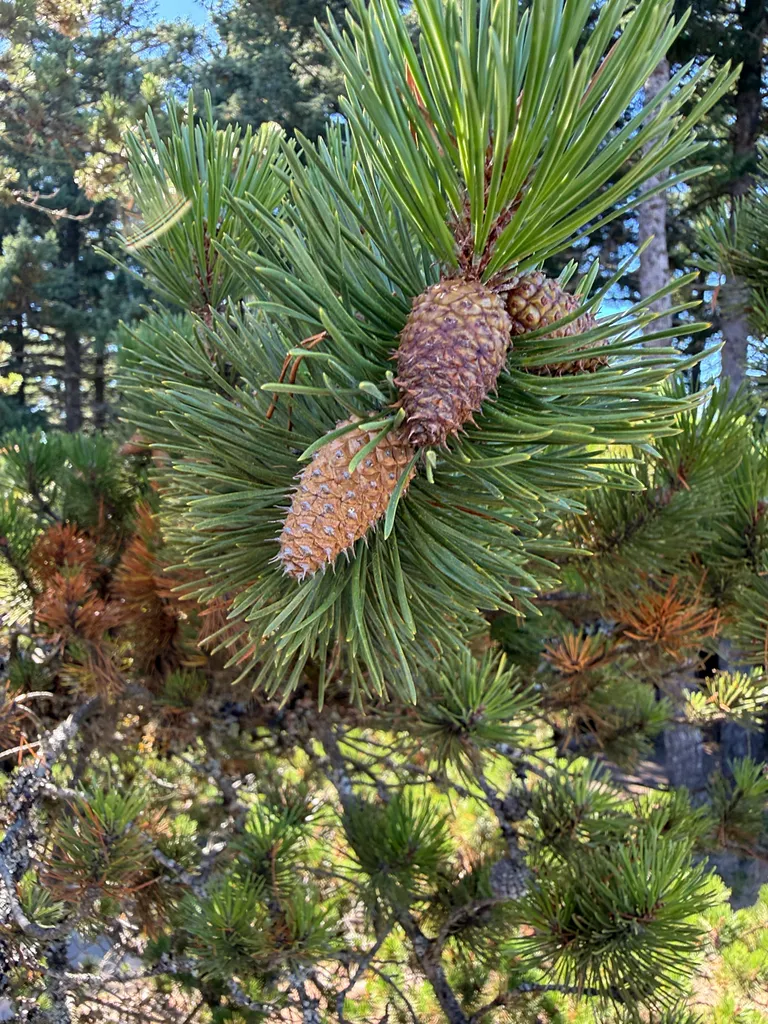
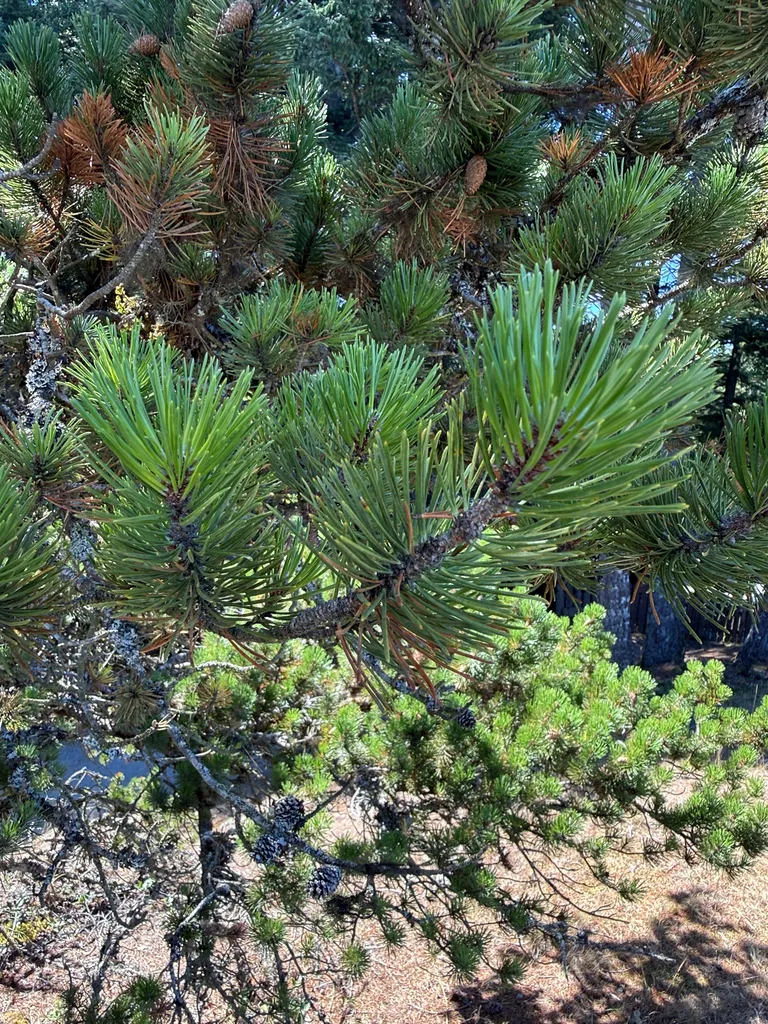
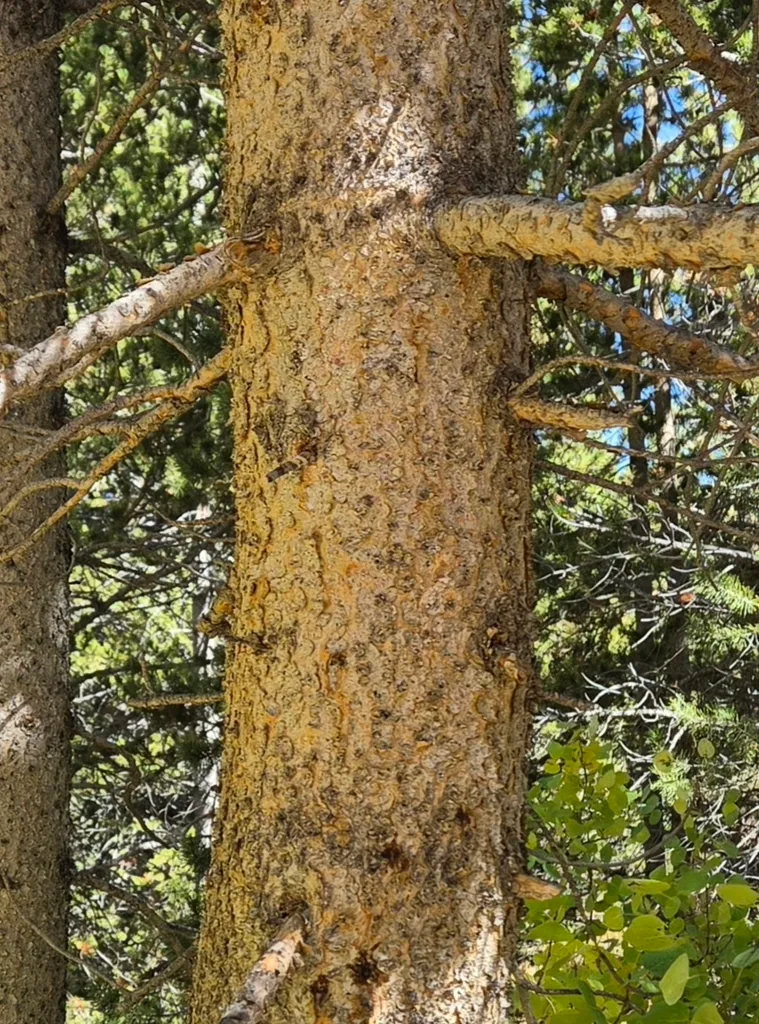
A medium to large conical or domed conifer, up to 25m high, with thick, fissured bark and often twisted young shoots. The yellowish-green needle-like leaves are up to 5cm long, arranged in pairs and sometimes twisted. Yellowish-brown, conical to ovoid cones, up to 5cm long, are borne in pairs or clusters; cone scales have a slender spine that may wear away with time
Scientific classification
- Species
- lodgepole pine (Pinus contorta)
- Genus
- Pinus
- Family
- Pinaceae
- Information to be completed
- Toxicity
- Conifers · Trees
- Plant type
- Higher than 12 metres
- Height
- wider than 8 metres
- Spread
- Evergreen
- Foliage
- Columnar upright
- Habit
- Spring · Summer · Autumn · Winter
- Season of interest
- Full sun
- Sunlight
- Information to be completed
- Ideal temperature









lodgepole pine pictures
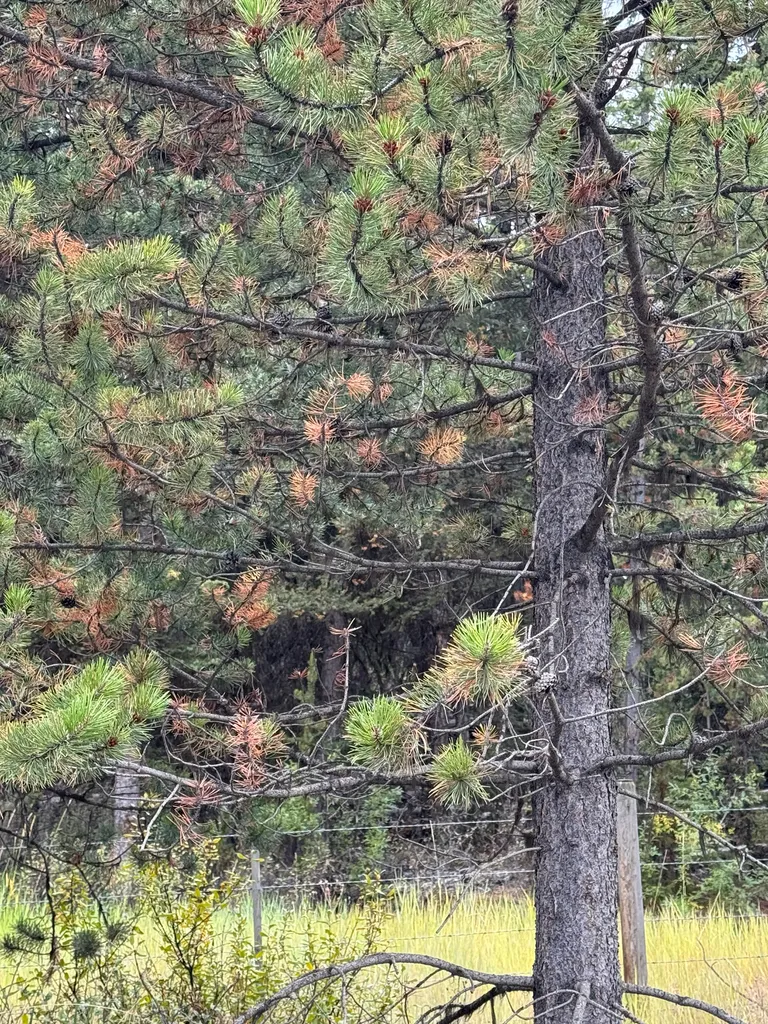
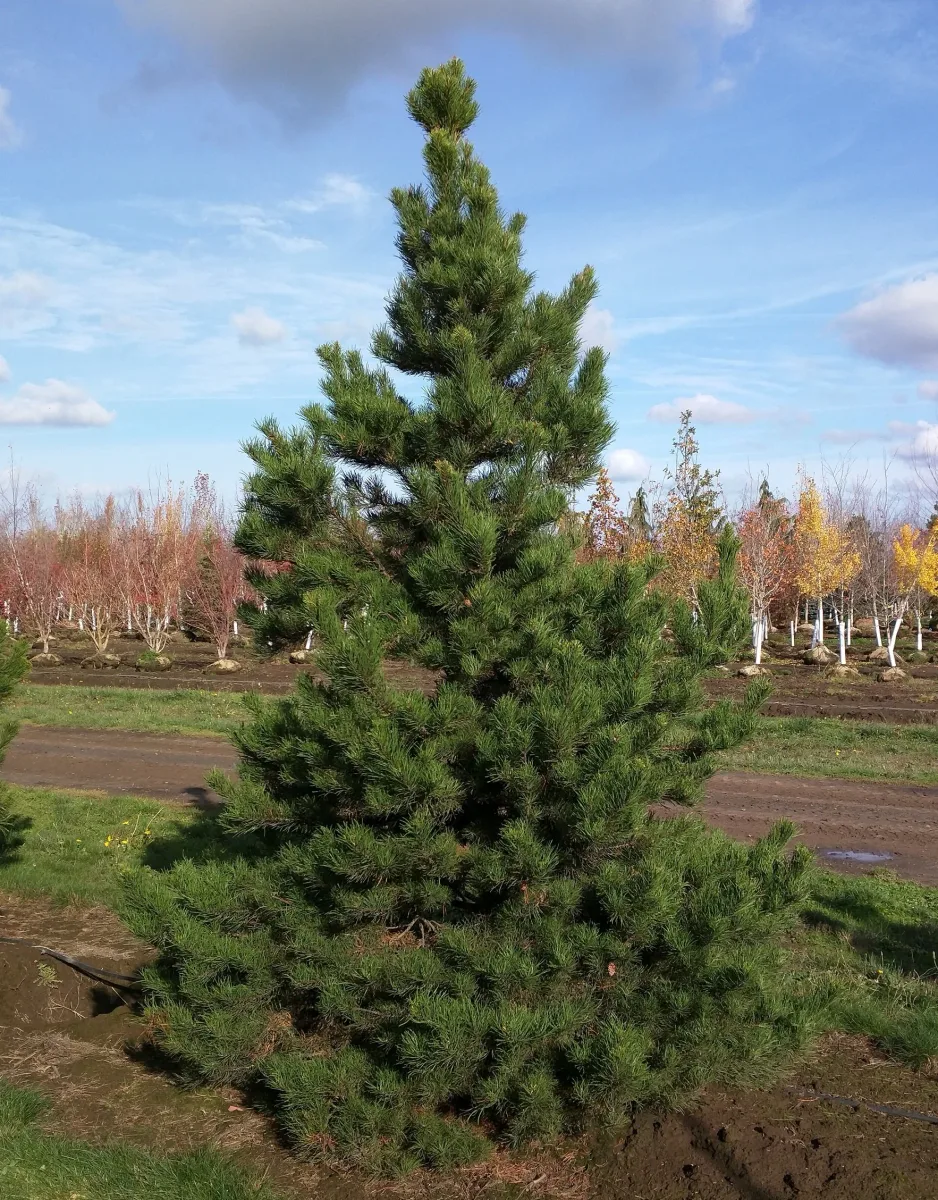
Distribution of lodgepole pine
Distribution map
Western Northern America
Information to be completed
Culture
Information to be completed
Toxicity
Information to be completed
Quick identification of lodgepole pine
Information to be completed
lodgepole pine care guide
- Deep occasional watering, let soil drain freely
- Watering
- Full sun
- Sunlight
- Information to be completed
- Ideal temperature

Watering
Deep occasional watering, let soil drain freely
Fertilizing
 Fertilizing
Light slow release conifer feed in spring
Pruning
 Pruning
None required
Propagation
 Propagation
Propagate by seed
Growing
 Growing
Grow in a well drained, acid or neutral soil. See Trees: buying and planting specimens
People also ask
Information to be completed
Common pests and diseases
Diseases
May be susceptible to honey fungus and needle cast diseases
Pests
May be susceptible to adelgids, conifer aphid, sawfly larvae, and pine shoot moth
Explore the plant health library →




