
Korean pine
Also known as: Information to be completed
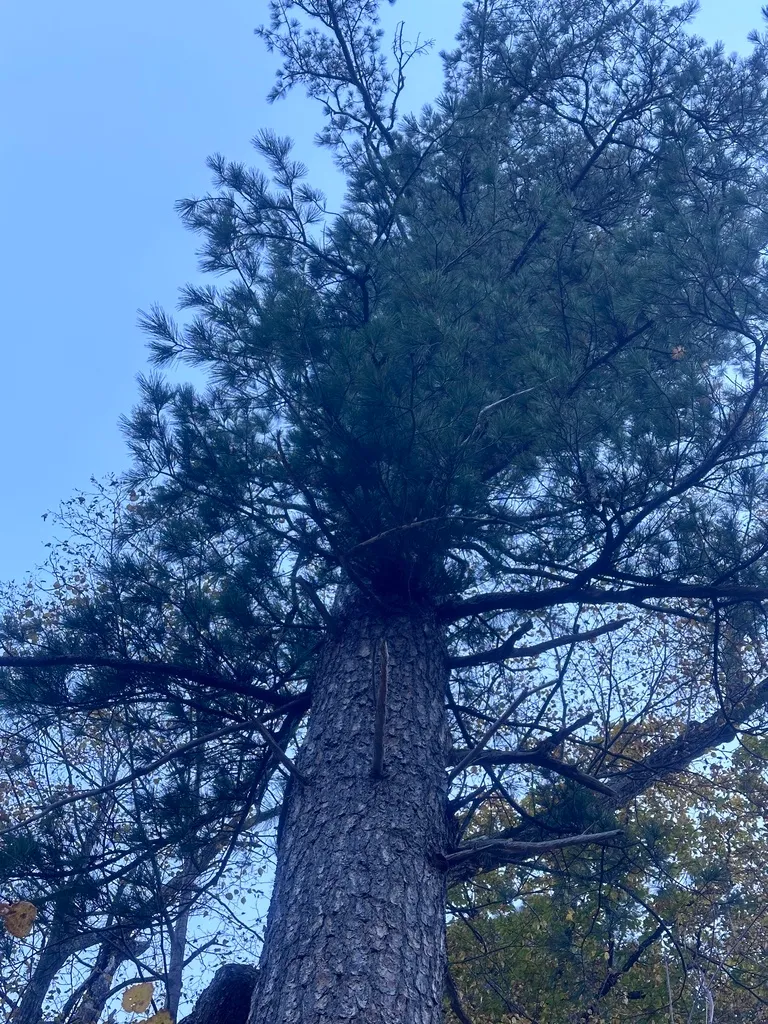
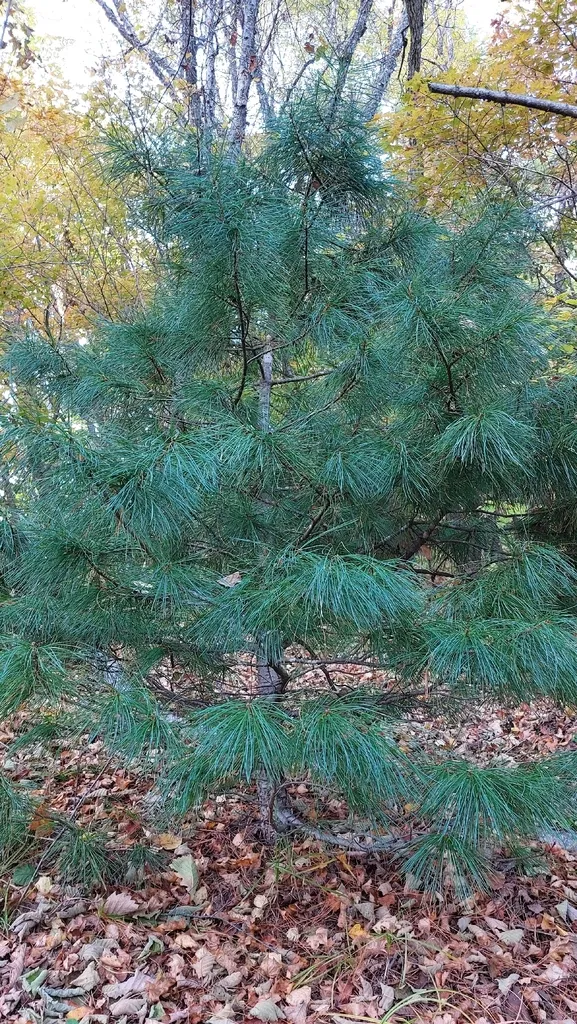
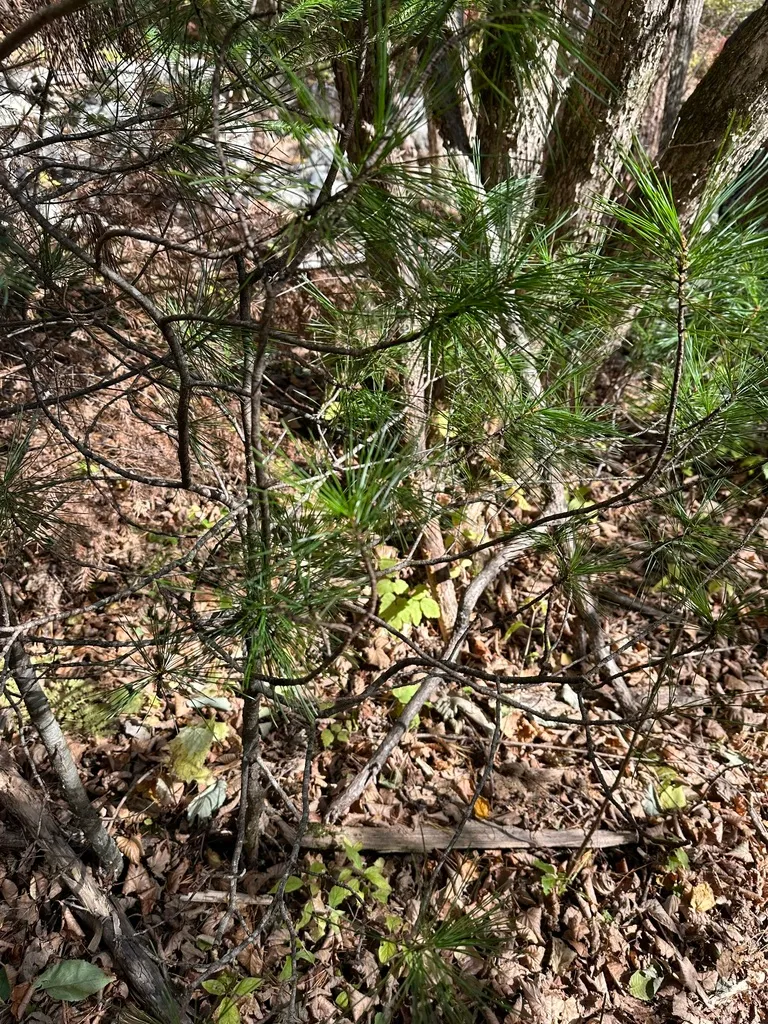
An evergreen coniferous tree, capable of reaching 30m (100ft) high with a trunk 1.5m (5ft) in diameter, when mature. The bark is smooth and grey-brown becoming grey-black and peeling in patches over time. The tree forms a broadly conical canopy, with the needles produced in groups of five at the tips of short stems. The needles are approximately 13cm (5in) long and triangular in cross section, being dark green on the outer face and whitish green on the two inner faces. The cones appear in groups of up to 5 and are oval to cylindrical in shape and brown in colour when mature. The cones of this species are one of the main sources of pine nuts which are harvested for commercial use.
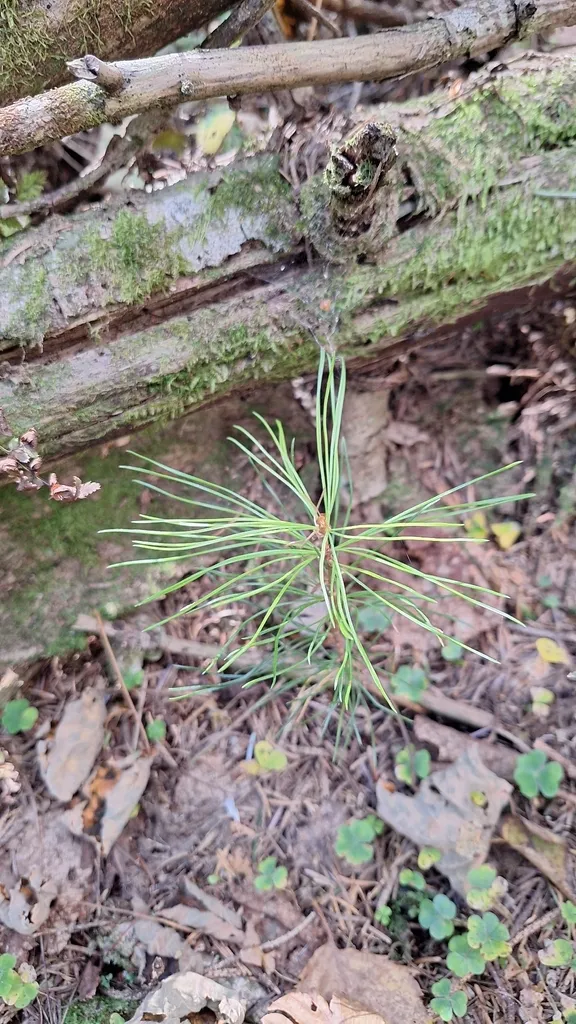
Scientific classification
- Species
- Korean pine (Pinus koraiensis)
- Genus
- Pinus
- Family
- Pinaceae
- Order
- Pinales
- Class
- Pinopsida
- Phylum
- Pinophyta
- Information to be completed
- Toxicity
- Trees · Conifers
- Plant type
- Higher than 12 metres
- Height
- wider than 8 metres
- Spread
- Evergreen
- Foliage
- Columnar upright
- Habit
- Spring · Summer · Autumn · Winter
- Season of interest
- Full sun
- Sunlight
- Information to be completed
- Ideal temperature









Korean pine pictures
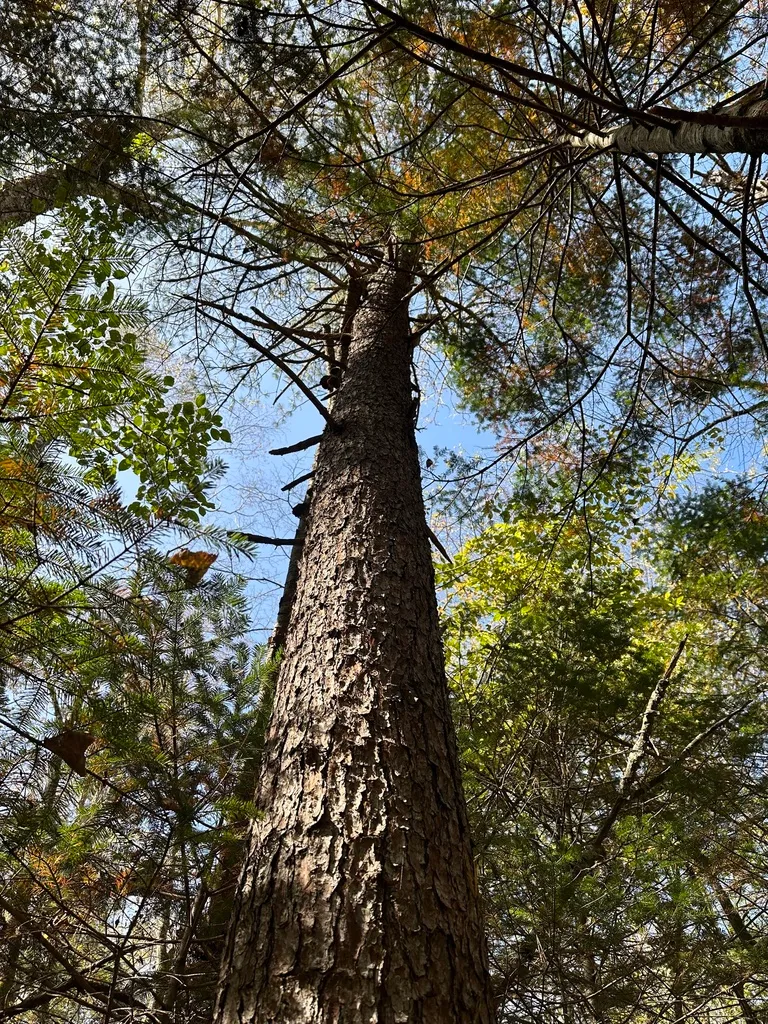
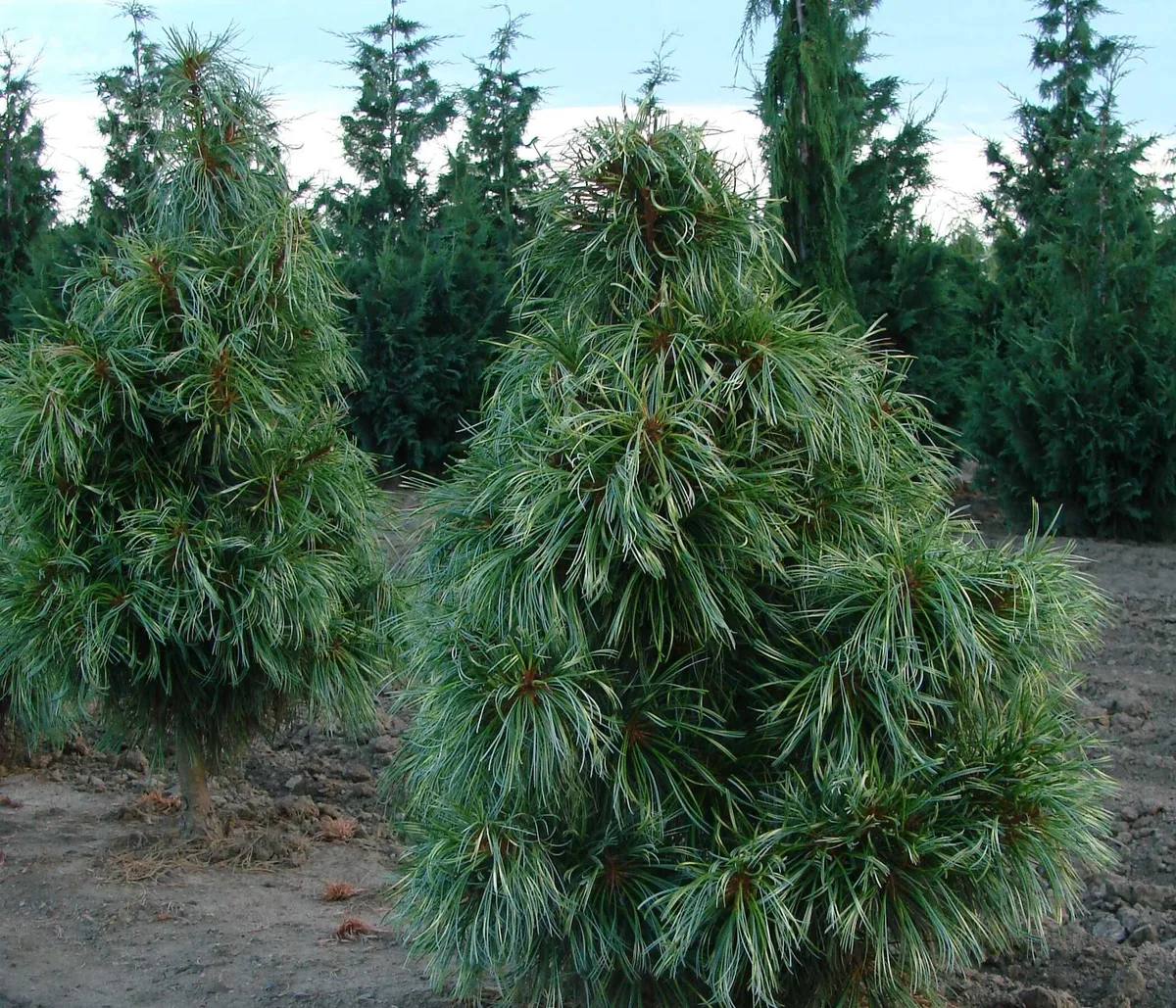
Distribution of Korean pine
Distribution map
- Native
- Introduced
- Cultivated
Source:WCVP v16 · Royal Botanic Gardens, Kew · CC BY 3.0 · Boundaries:WGSRPD / TDWG
Korean pine care guide
- Deep occasional watering with excellent drainage, less once established
- Watering
- Full sun
- Sunlight

Watering
Deep occasional watering with excellent drainage, less once established
Fertilizing
 Fertilizing
Light conifer feed once yearly in early spring only
Pruning
 Pruning
No pruning required
Propagation
 Propagation
Propagate by seed, see: trees and shrubs from seed; by semi-ripe cuttings, by hardwood cuttings, or by grafting
Growing
 Growing
Grow in well-drained, preferably neutral to acidic soil in full sun
Common pests and diseases
Diseases
May be susceptible to honey fungus and needle cast diseases
Pests
May be susceptible to adelgids, conifer aphid, sawfly larvae, and pine shoot moth
Explore the plant health library →




