
pitch pine
Also known as: northern pitch pine; sap pine
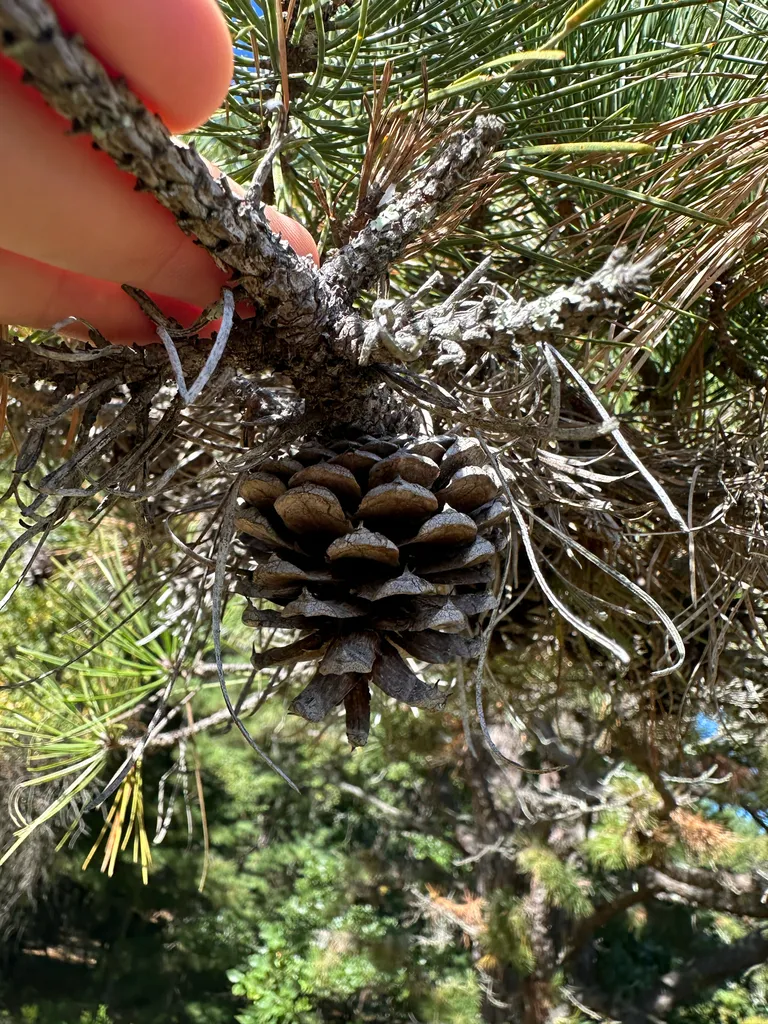
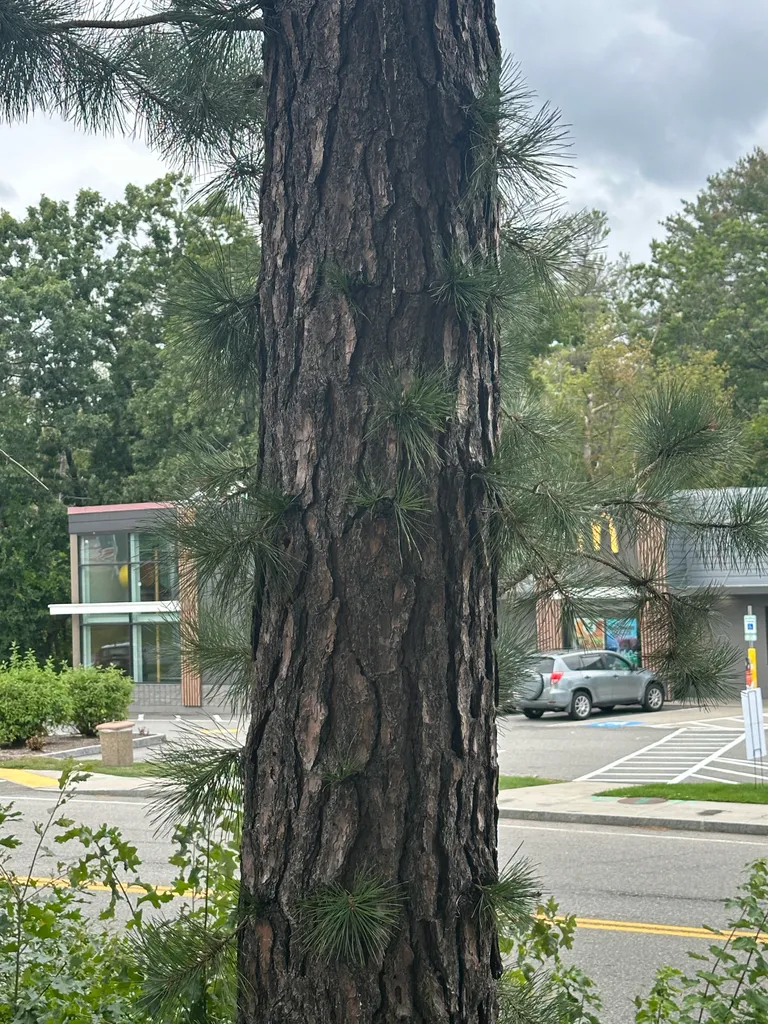
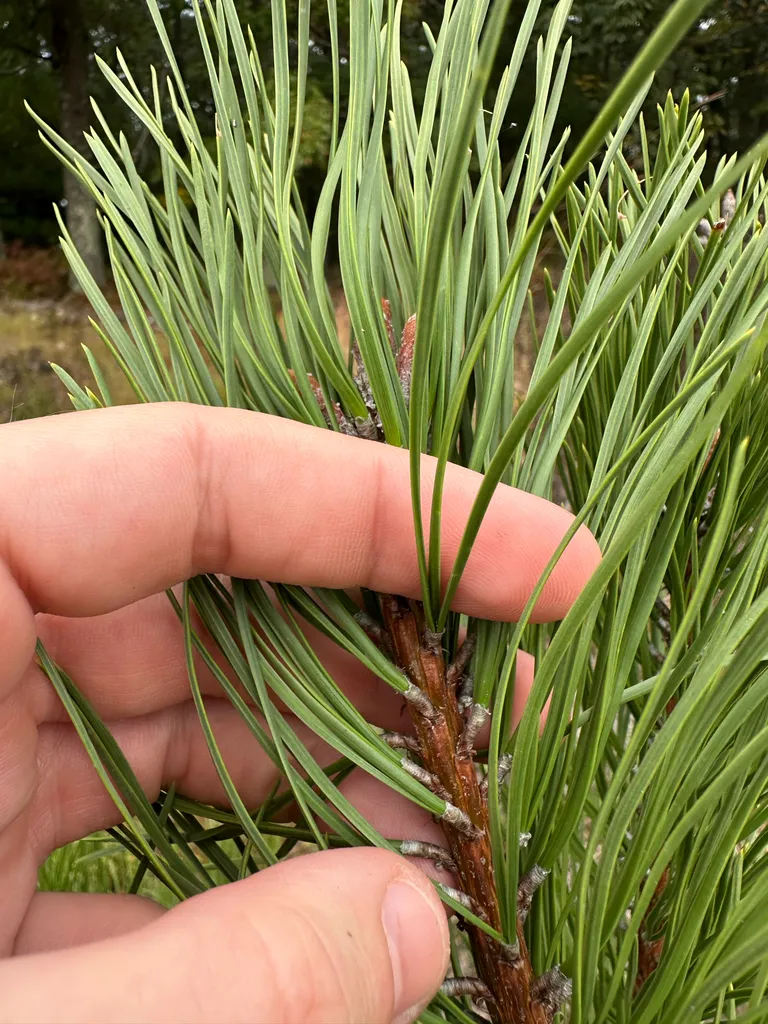
P. rigida is a large tree with a conical or oval outline, becoming irregular with age, and fissured, dark grey bark. The dark, grey-green needles are thick and stiff, around 10cm long and borne in threes. Yellow-brown cones, 3-9cm long, often persist for several years
Scientific classification
- Species
- pitch pine (Pinus rigida)
- Genus
- Pinus
- Family
- Pinaceae
- Information to be completed
- Toxicity
- Conifers · Trees
- Plant type
- Higher than 12 metres
- Height
- 4-8 metres
- Spread
- Evergreen
- Foliage
- Columnar upright
- Habit
- Spring · Summer · Autumn · Winter
- Season of interest
- Full sun
- Sunlight
- Information to be completed
- Ideal temperature









pitch pine pictures


Distribution of pitch pine
Distribution map
Eastern Northern America
Information to be completed
Culture
Information to be completed
Toxicity
Information to be completed
Quick identification of pitch pine
Information to be completed
pitch pine care guide
- Deep occasional watering with excellent drainage, less once established
- Watering
- Full sun
- Sunlight
- Information to be completed
- Ideal temperature

Watering
Deep occasional watering with excellent drainage, less once established
Fertilizing
 Fertilizing
Light conifer feed once yearly in early spring only
Pruning
 Pruning
No pruning required
Propagation
 Propagation
Propagate by seed
Growing
 Growing
Grow in any well-drained soil. See Trees: buying and planting specimens
People also ask
Information to be completed
Common pests and diseases
Diseases
May be susceptible to honey fungus and needle cast diseases
Pests
May be susceptible to adelgids, conifer aphid, sawfly larvae, and pine shoot moth
Explore the plant health library →




