
water lettuce
Also known as: shell flower; tropical duckweed
This plant is listed on Schedule 9 of the UK Wildlife & Countryside Act as an invasive, non-native species and is banned from sale. See cultivation notes for further details\r\n\r\nA tender, floating, evergreen aquatic perennial with semi-upright blue-yellow-green leaves. Inconspicuous tubular-shaped creamy-yellow flowers appear in the summer. May be invasive
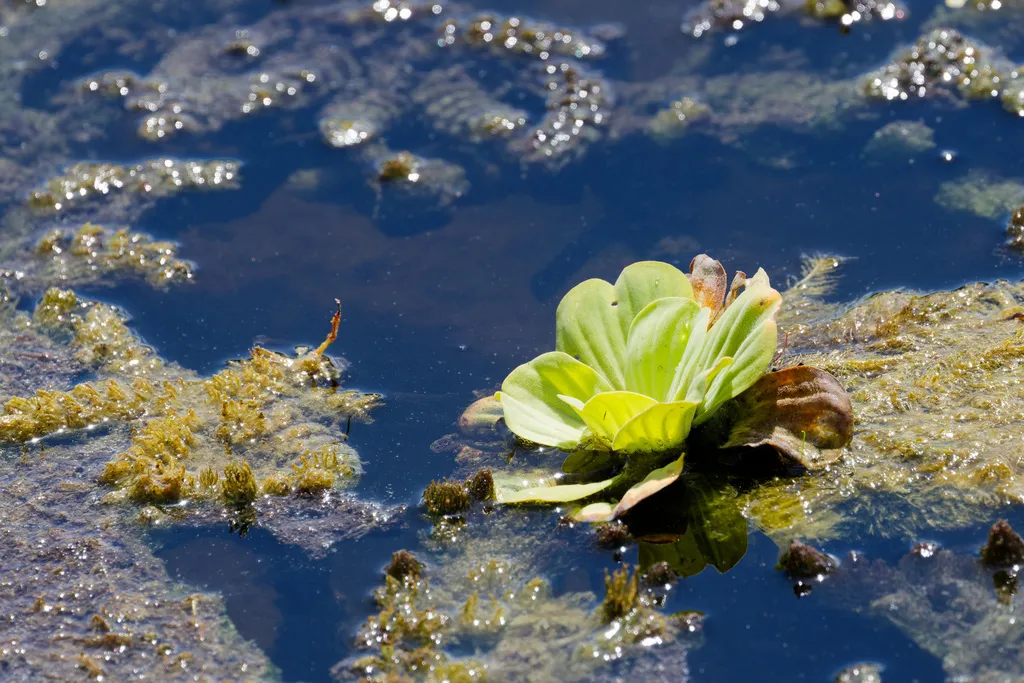
Scientific classification
- Species
- water lettuce (Pistia stratiotes)
- Genus
- Pistia
- Family
- Araceae
- Order
- Alismatales
- Class
- Liliopsida
- Phylum
- Magnoliophyta
- Harmful if eaten, skin/eye irritant. Wear gloves and other protective equipment when handling]
- Toxicity
- Aquatic
- Plant type
- 0.1-0.5 metres
- Height
- 0.1-0.5 metres
- Spread
- Evergreen
- Foliage
- Clump forming
- Habit
- Summer · Autumn
- Season of interest
- Full sun
- Sunlight
- Information to be completed
- Ideal temperature









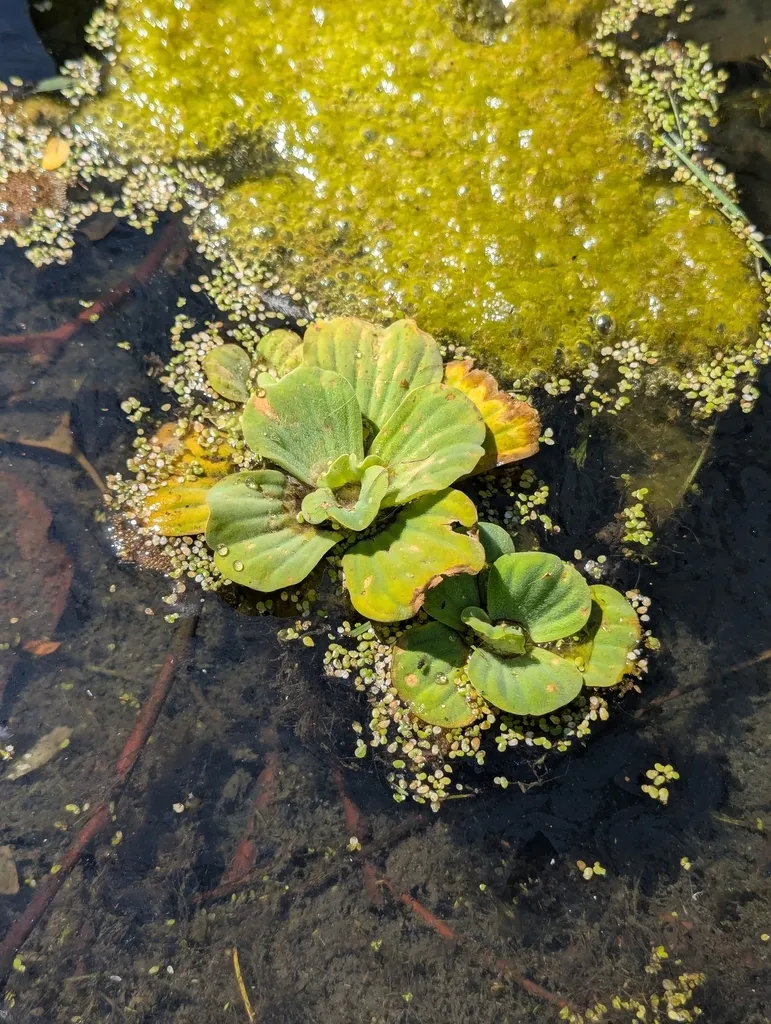
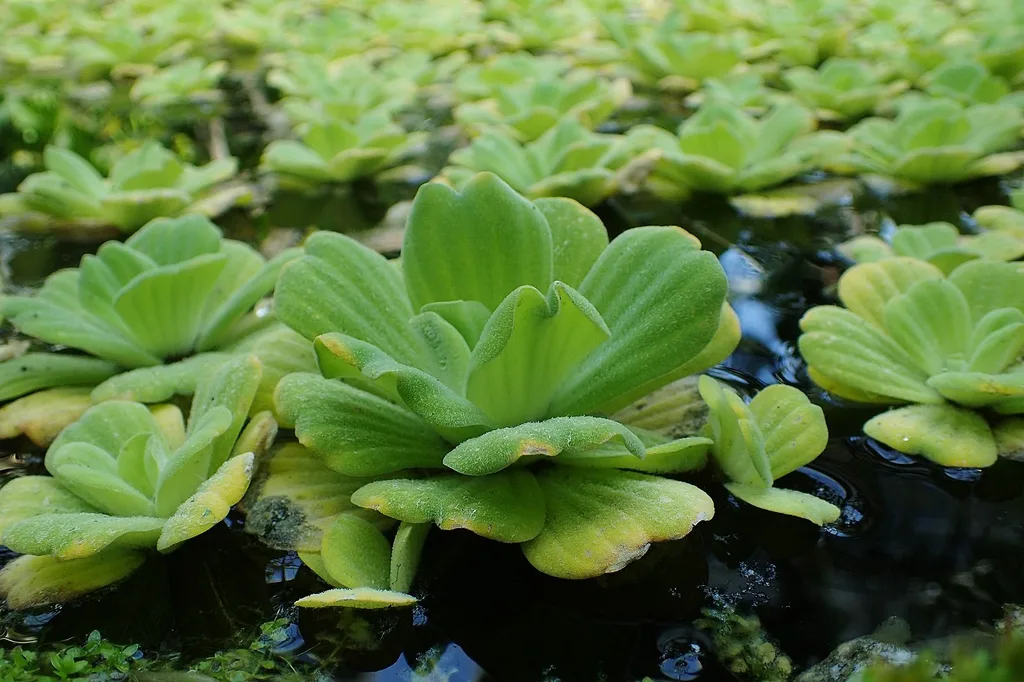
water lettuce pictures
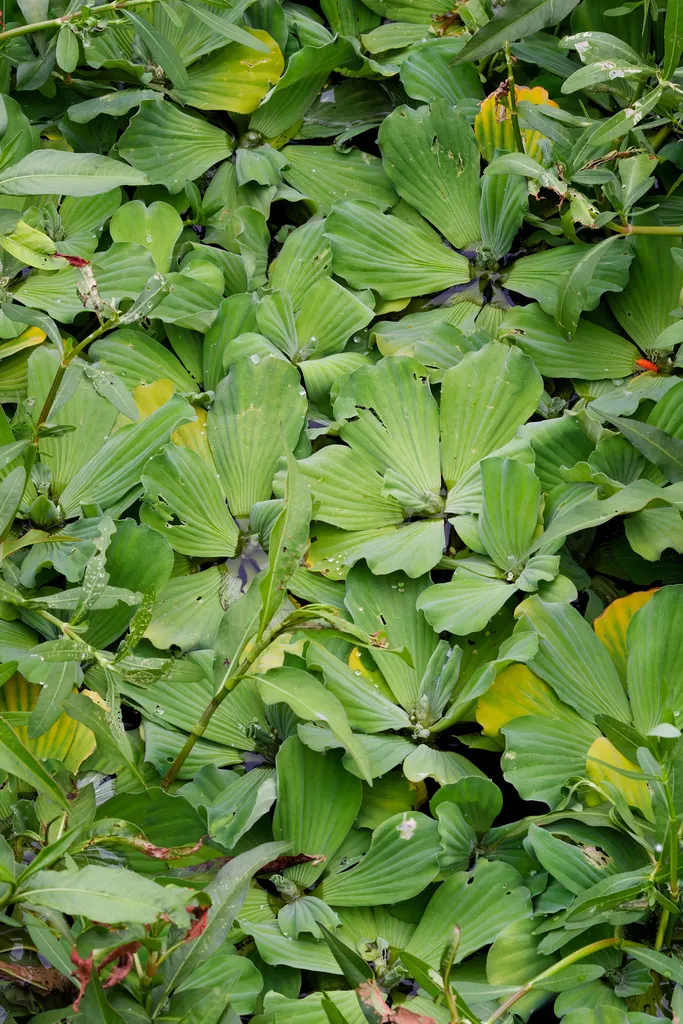
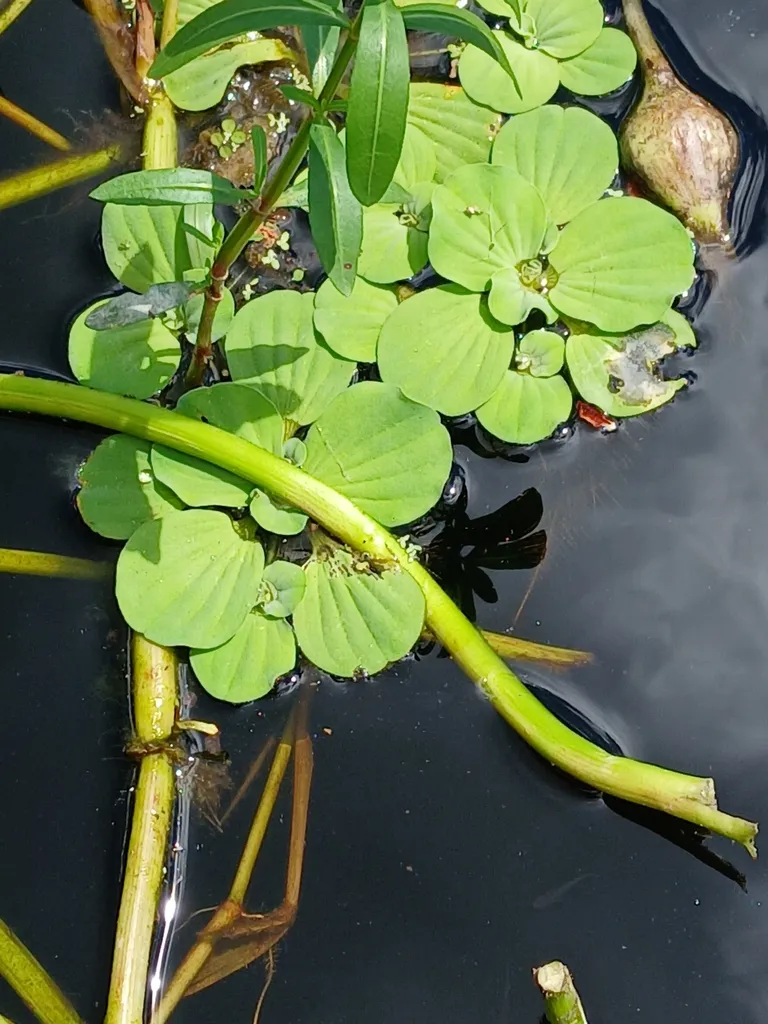
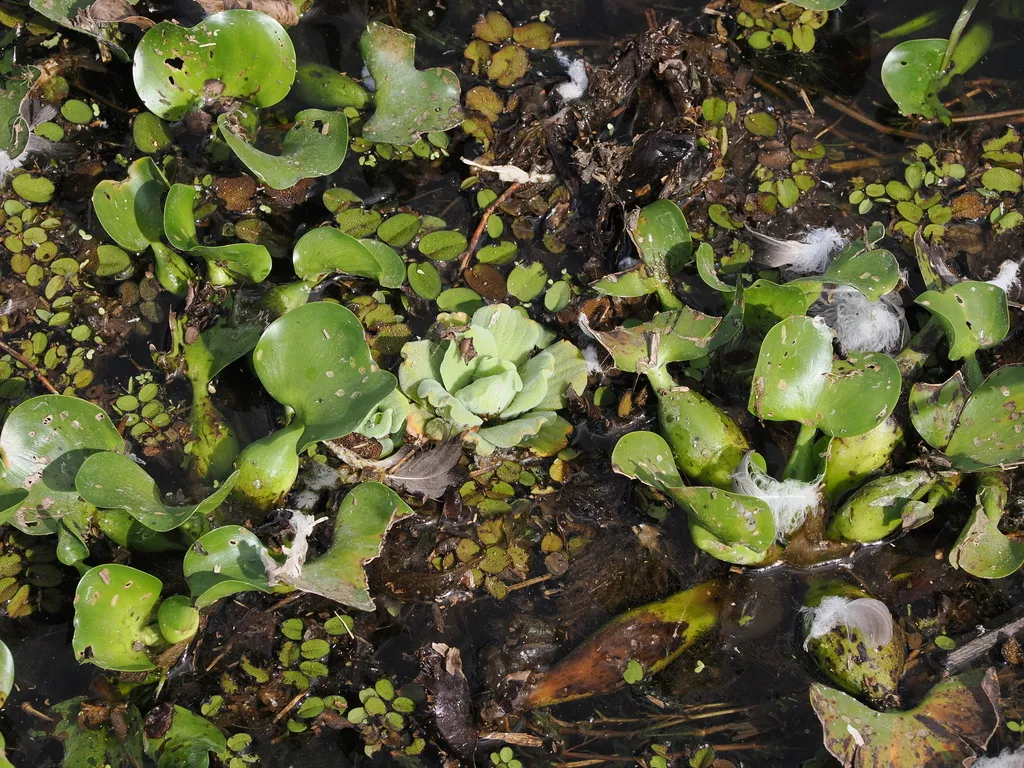
Distribution of water lettuce
Distribution map
- Native
- Introduced
- Cultivated
Source:WCVP v16 · Royal Botanic Gardens, Kew · CC BY 3.0 · Boundaries:WGSRPD / TDWG
Toxicity
Harmful if eaten, skin/eye irritant. Wear gloves and other protective equipment when handling]
water lettuce care guide
- Moderate regular watering, allowing brief slight drying between soakings
- Watering
- Full sun
- Sunlight

Watering
Moderate regular watering, allowing brief slight drying between soakings
Fertilizing
 Fertilizing
Balanced perennial feed every four weeks from spring through summer
Pruning
 Pruning
No pruning required
Propagation
 Propagation
See cultivation notes
Growing
 Growing
This plant is listed on Schedule 9 of the UK Wildlife & Countryside Act as an invasive non-native species. Although not banned from sale, it is an offence to plant or cause these to grow in the wild IN ENGLAND, WALES, NORTHERN IRELAND and the REPUBLIC OF IRELAND. Gardeners possessing them should undertake measures to control them. See RHS advice on invasive non-native species for further information
Common pests and diseases
Diseases
Generally disease-free
Pests
Generally pest-free
Explore the plant health library →




