
boysenberry
Also known as: Information to be completed
This raspberry/blackberry/dewberry hybrid berry produces long thornless canes which are best trained horizontally to a spread of 3-4m. It has green deciduous leaves. The pale pink or white flowers develop into large elongated - up to 4cm - black fruits
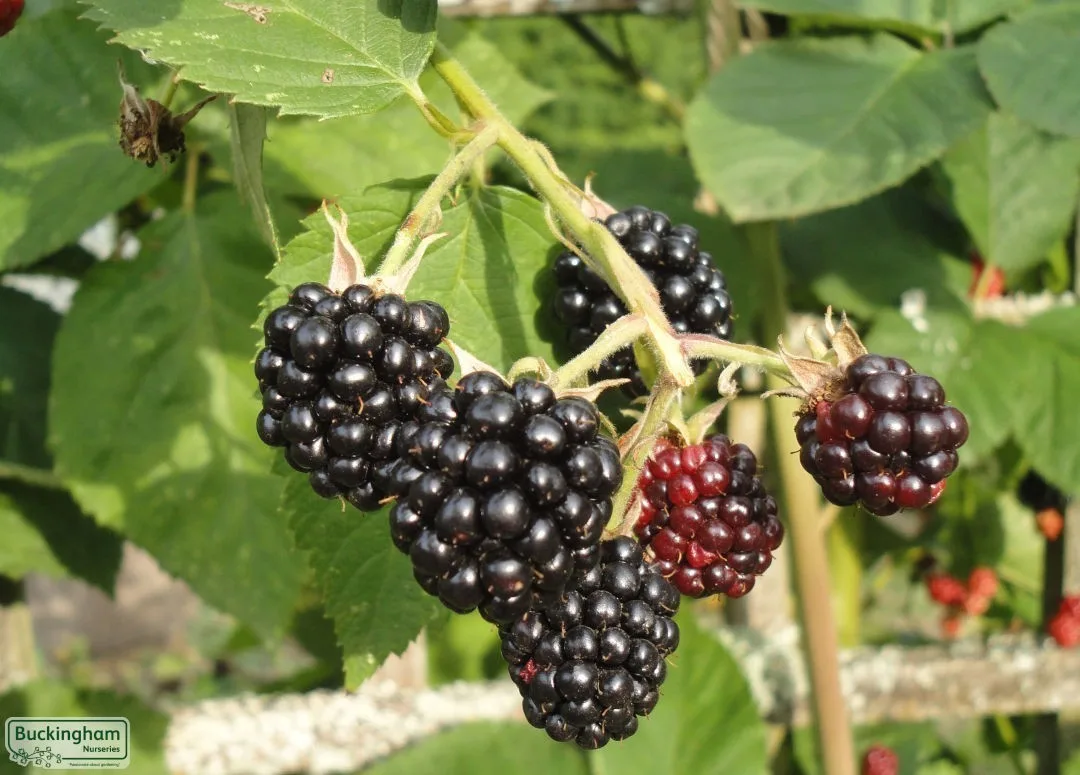
Scientific classification
- Species
- boysenberry (Rubus 'Boysenberry')
- Genus
- Rubus
- Family
- Rosaceae
- Information to be completed
- Toxicity
- Fruit Edible
- Plant type
- 1.5-2.5 metres
- Height
- 2.5-4 metres
- Spread
- Deciduous
- Foliage
- Clump forming · Suckering
- Habit
- Autumn · Spring · Summer
- Season of interest
- Full sun · Partial shade
- Sunlight
- Information to be completed
- Ideal temperature









boysenberry pictures
Distribution of boysenberry
Distribution map
Information to be completed
Information to be completed
Culture
Information to be completed
Toxicity
Information to be completed
Quick identification of boysenberry
Information to be completed
boysenberry care guide
- Moderate regular watering, allowing brief slight drying between soakings
- Watering
- Full sun · Partial shade
- Sunlight
- Information to be completed
- Ideal temperature

Watering
Moderate regular watering, allowing brief slight drying between soakings
Fertilizing
 Fertilizing
Balanced perennial feed every four weeks from spring through summer
Pruning
 Pruning
Once well established, cut fruited canes down to the ground in late autumn and tie in the new canes which have grown over the summer.
Propagation
 Propagation
Propagate by division
Growing
 Growing
Train to wires on the sheltered side of a fence or wall, in any fertile soil in sun or partial shade
People also ask
Information to be completed
Common pests and diseases
Diseases
May be susceptible to grey moulds and honey fungus (rarely)
Pests
Generally pest-free
Explore the plant health library →




