
ribwort plantain
Also known as: black Jack; buckhorn; cat's cradle; chimney-sweeps; cock grass; cocks; dog's ribs; English plantain; headsman; hen plant; jack straws; kemps seed; klops; knock-heads; lamb's tail; leechwort; narrow-leaved plantain; ram's tongue; rat tail; ribgrass; ribwort; ripple grass; windles
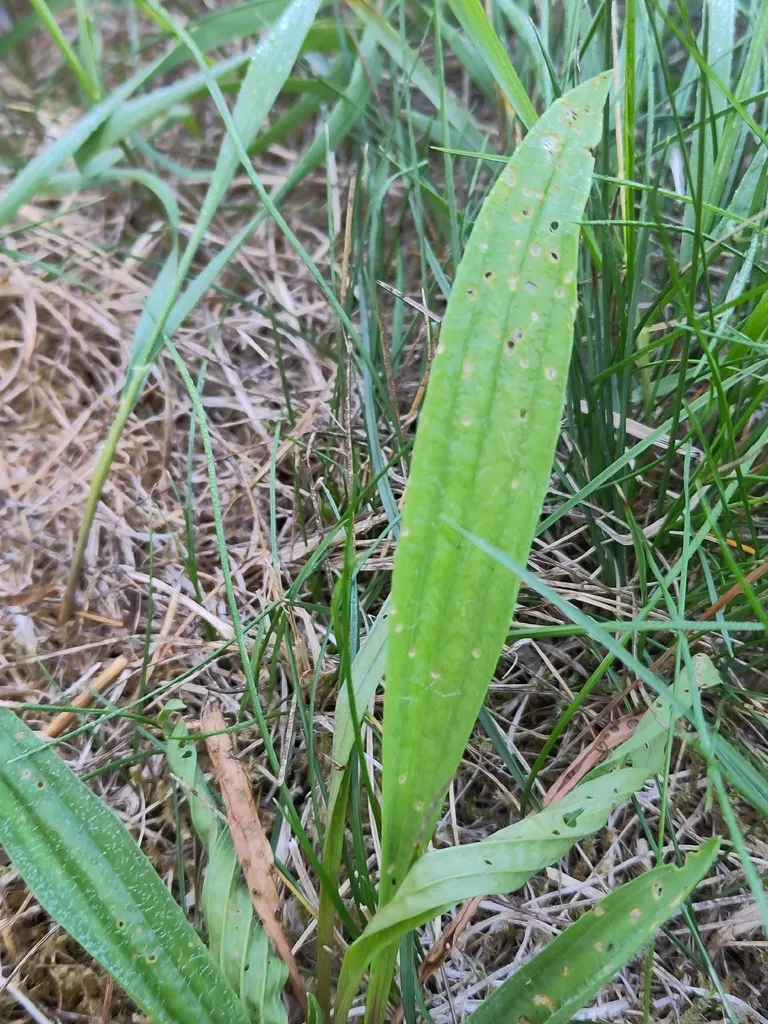
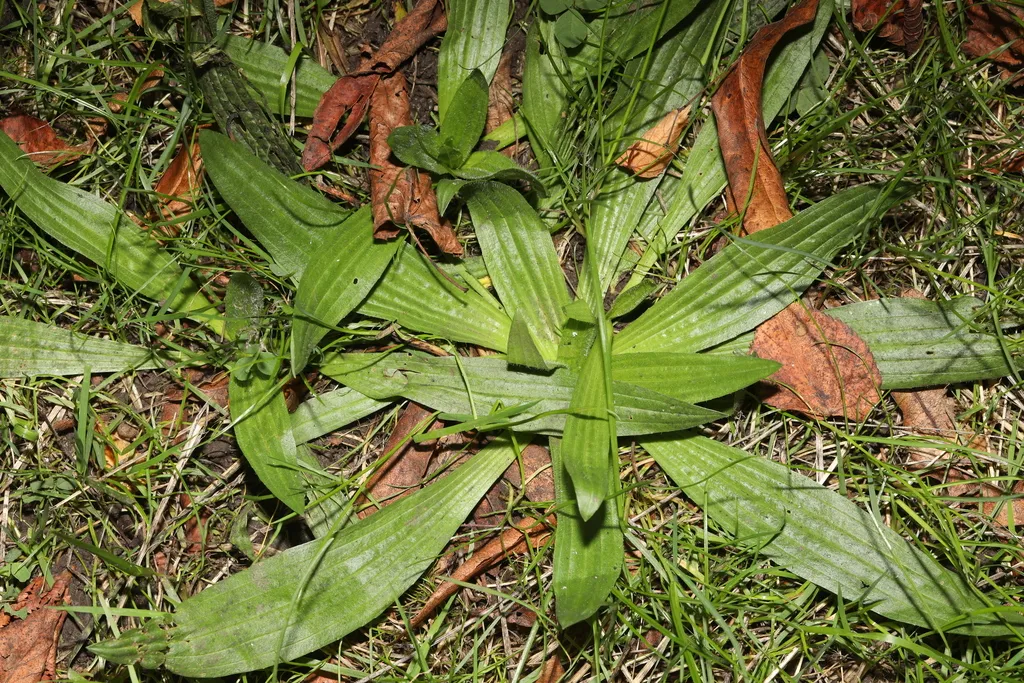
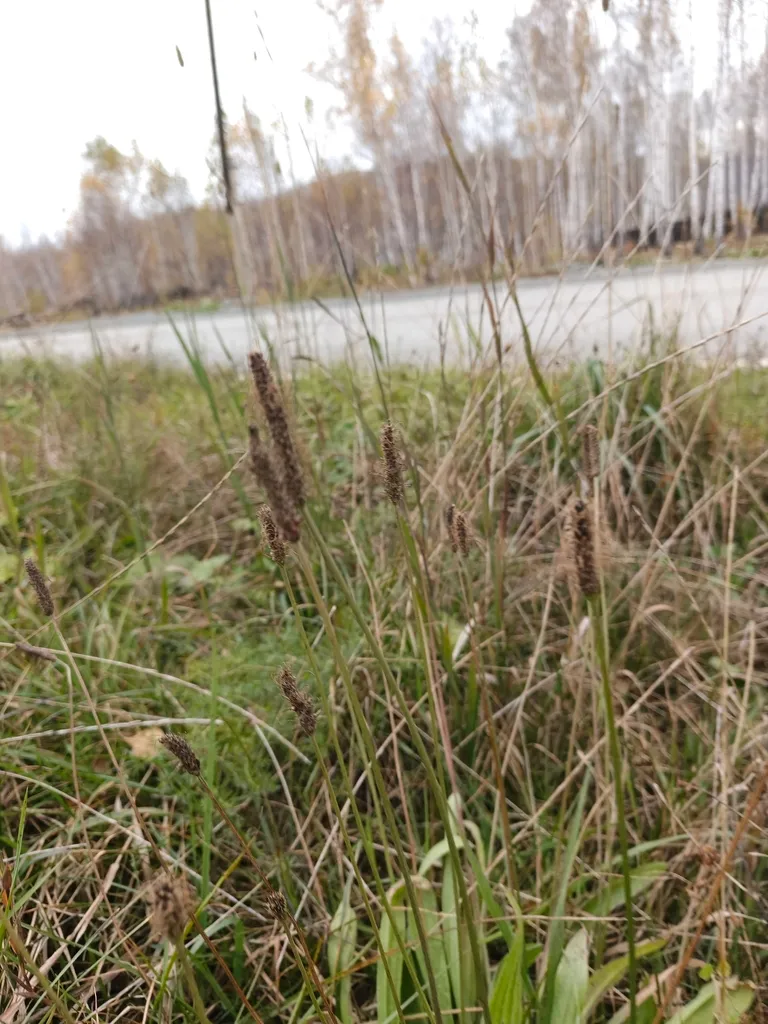
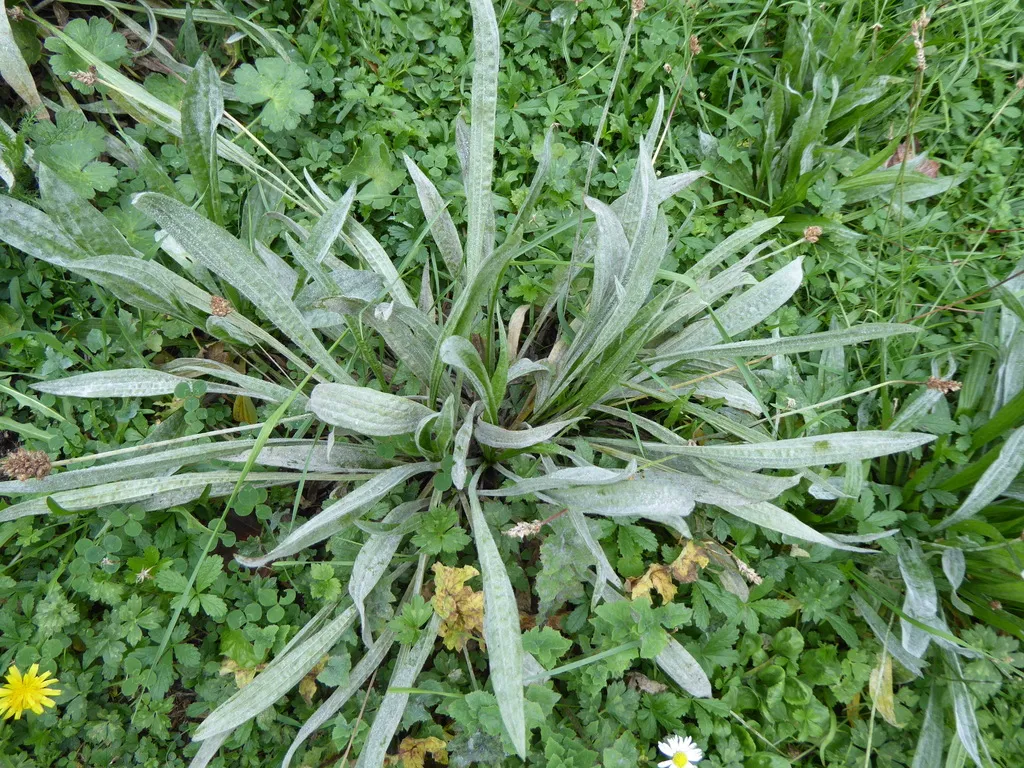
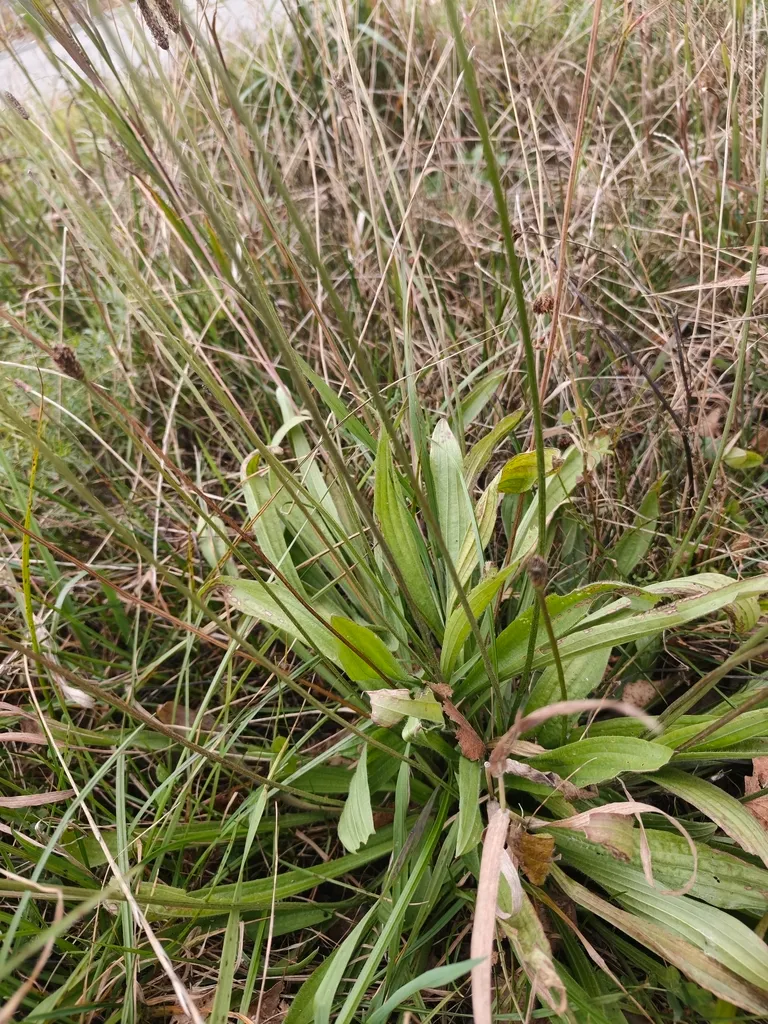
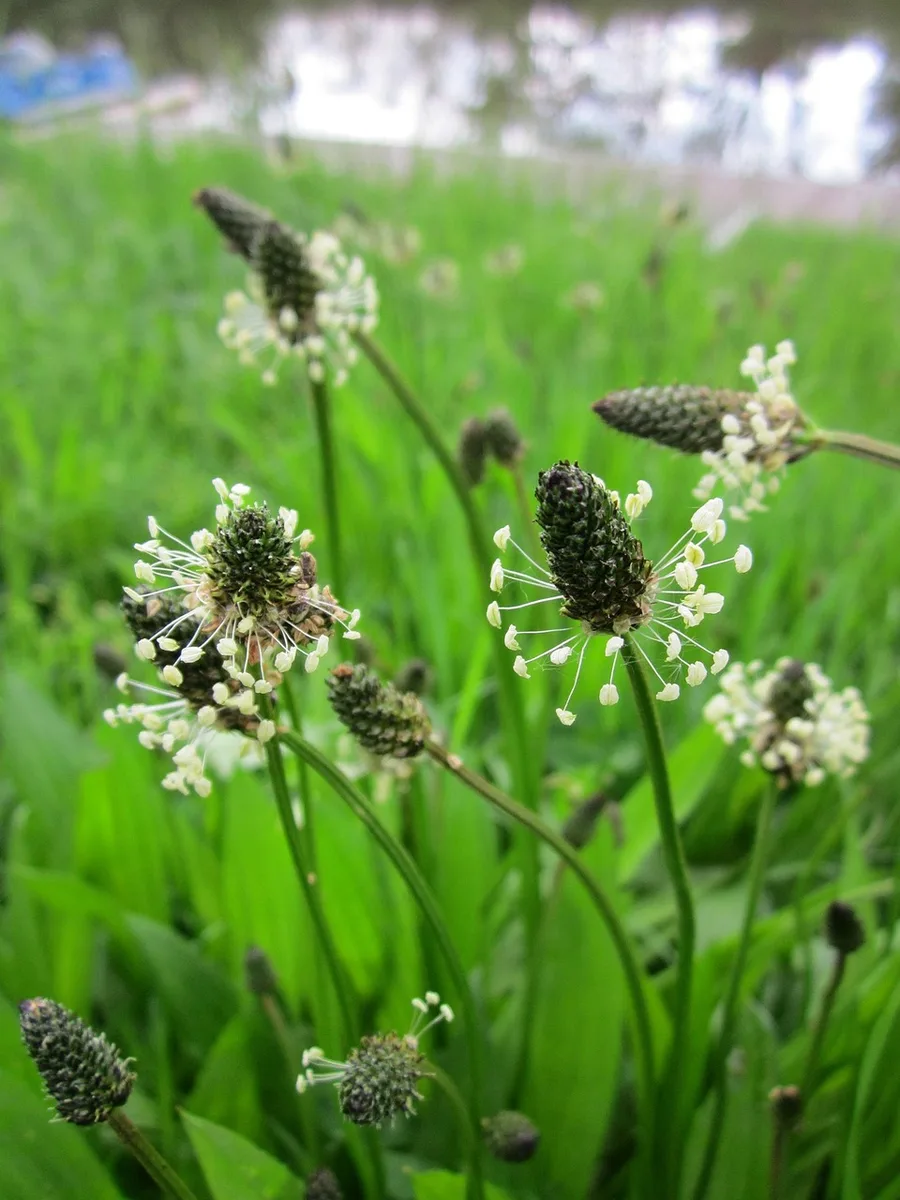
A low-growing herbaceous perennial with a long tap root and rosettes of ribbed green leaves, which are flatter and more rounded in short turf, but longer and more upright in meadows and grasslands. Produces leafless spikes to 8cm high of small, tightly clustered brown flowers with creamy white anthers, throughout the summer.
Scientific classification
- Species
- ribwort plantain (Plantago lanceolata)
- Genus
- Plantago
- Family
- Plantaginaceae
- Order
- Lamiales
- Class
- Magnoliopsida
- Phylum
- Magnoliophyta
- Information to be completed
- Toxicity
- Herbaceous Perennial
- Plant type
- 0.1-0.5 metres
- Height
- 0.1-0.5 metres
- Spread
- Semi evergreen
- Foliage
- Clump forming
- Habit
- Spring · Summer · Autumn · Winter
- Season of interest
- Full sun
- Sunlight
- Information to be completed
- Ideal temperature









ribwort plantain pictures
Distribution of ribwort plantain
Distribution map
- Native
- Introduced
- Cultivated
Source:WCVP v16 · Royal Botanic Gardens, Kew · CC BY 3.0 · Boundaries:WGSRPD / TDWG
ribwort plantain care guide
- Moderate regular watering, allowing brief slight drying between soakings
- Watering
- Full sun
- Sunlight

Watering
Moderate regular watering, allowing brief slight drying between soakings
Fertilizing
 Fertilizing
Balanced perennial feed every four weeks from spring through summer
Pruning
 Pruning
Remove before flowering to prevent spread
Propagation
 Propagation
Propagates by seed, wind pollinated
Growing
 Growing
Prefers well-drained soil and open, sunny positions but grows well in all but the most acidic soil. Sometimes considered a weed in gardens, although the seeds can provide winter food for songbirds so it is sometimes used in wildflower planting
Common pests and diseases
Diseases
Generally disease-free
Pests
May be susceptible to leaf beetles, weevils and caterpillars
Explore the plant health library →




