
American plane
Also known as: American sycamore; buttonwood; water beech; western plane
A large, vigorous, broadly columnar tree, to 25m, with flaking brown, grey and cream bark and bright green, sycamore-like leaves with three or five, pointed lobes. Inconspicuous flowers are followed by spherical seed clusters, hanging in ones or twos on long stems, green at first then brown, and persisting into winter
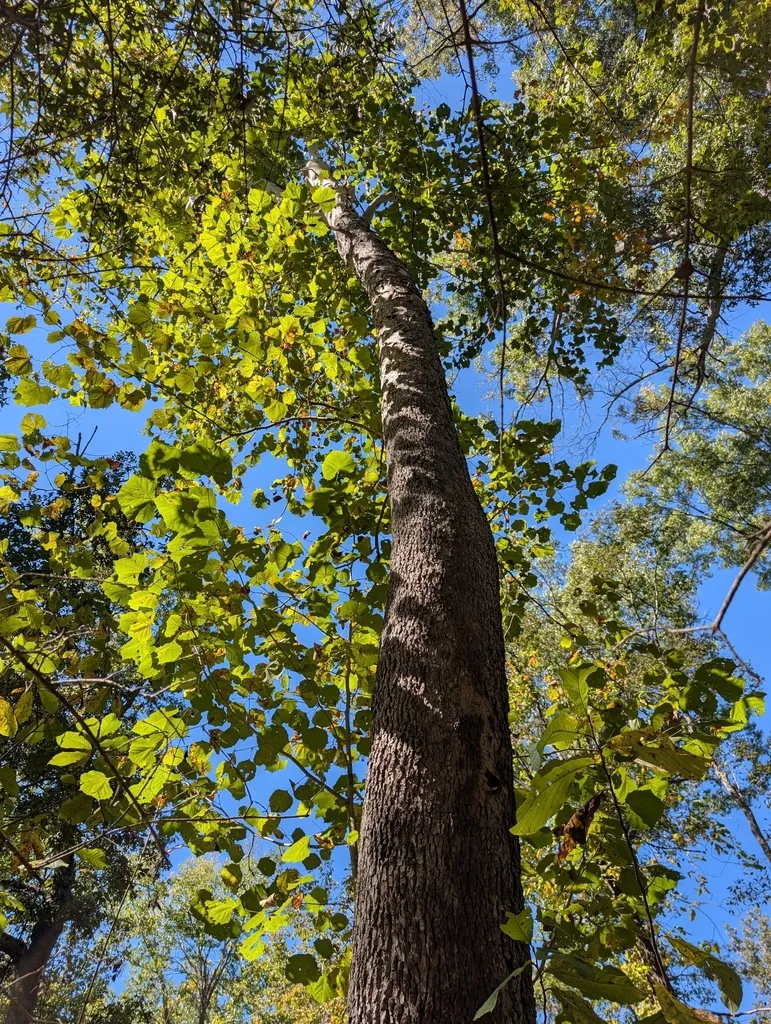
Scientific classification
- Species
- American plane (Platanus occidentalis)
- Genus
- Platanus
- Family
- Platanaceae
- Order
- Proteales
- Class
- Magnoliopsida
- Phylum
- Magnoliophyta
- Contact with the hairs on the fruits may irritate the skin and respiriatory system. Wear gloves and other protective equipment when handling
- Toxicity
- Trees
- Plant type
- Higher than 12 metres
- Height
- 4-8 metres
- Spread
- Deciduous
- Foliage
- Information to be completed
- Habit
- Spring · Summer · Autumn · Winter
- Season of interest
- Full sun
- Sunlight
- Information to be completed
- Ideal temperature









American plane pictures
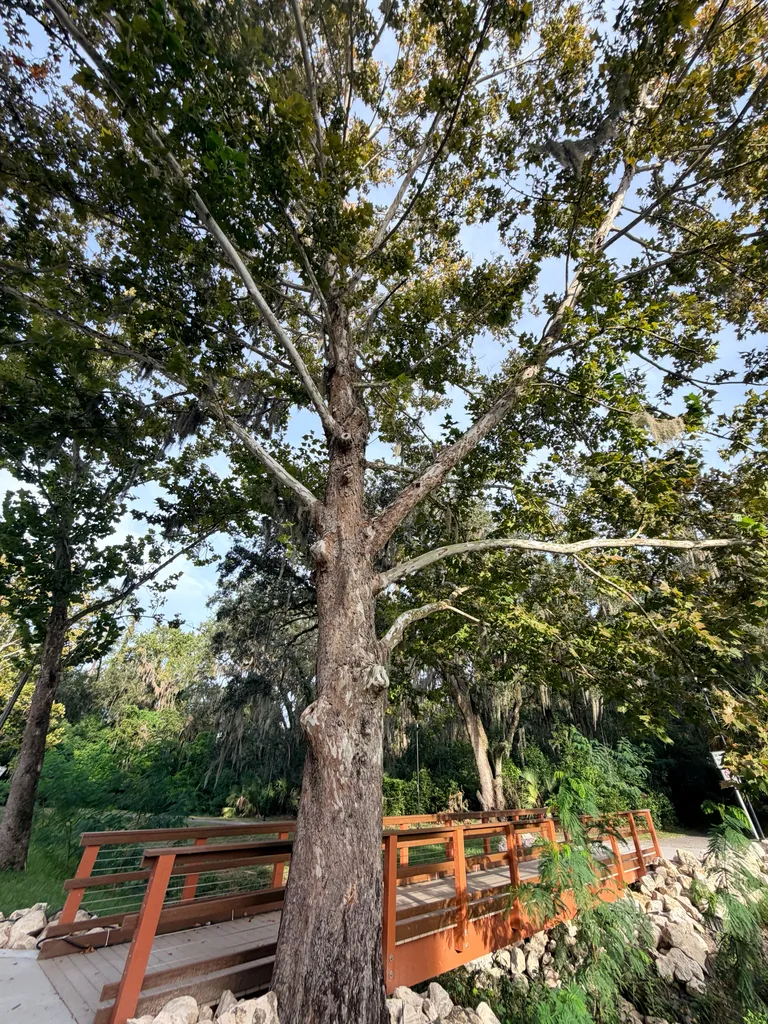
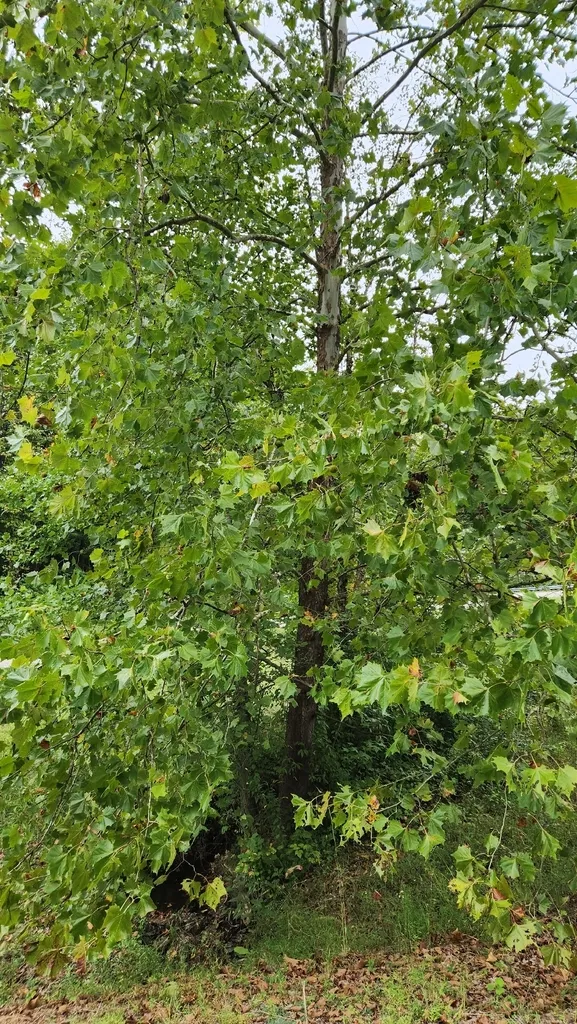
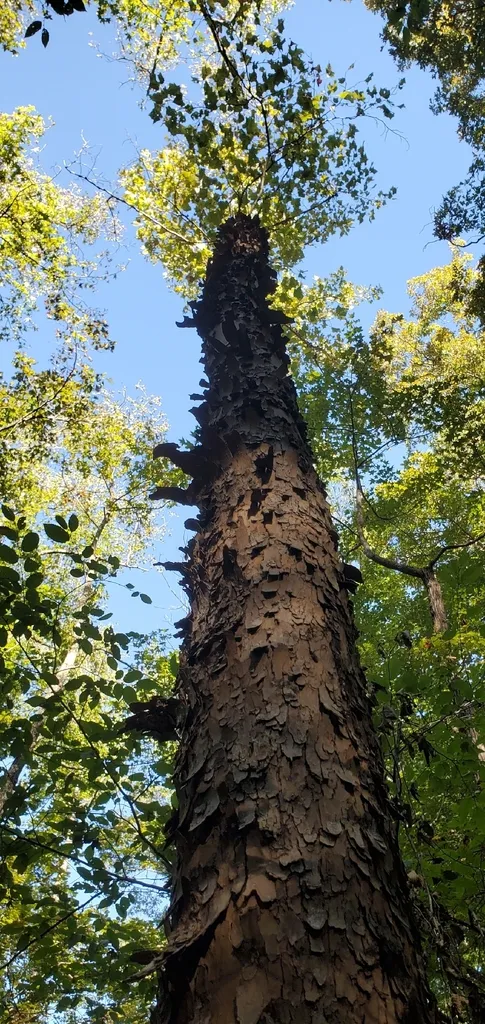
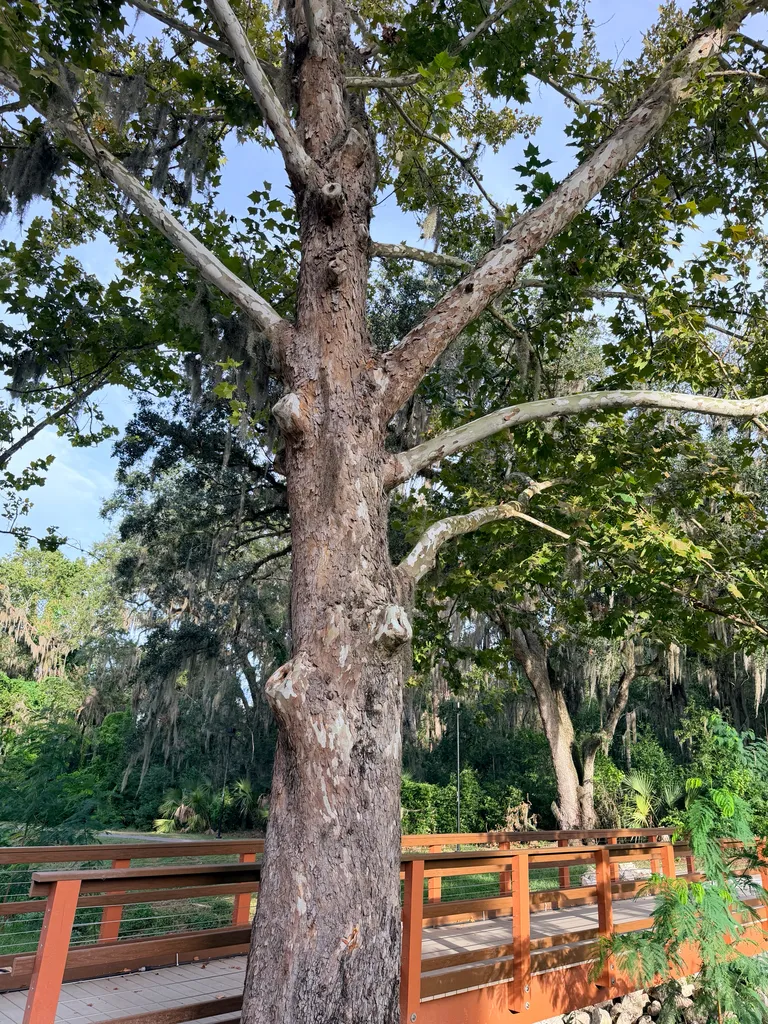
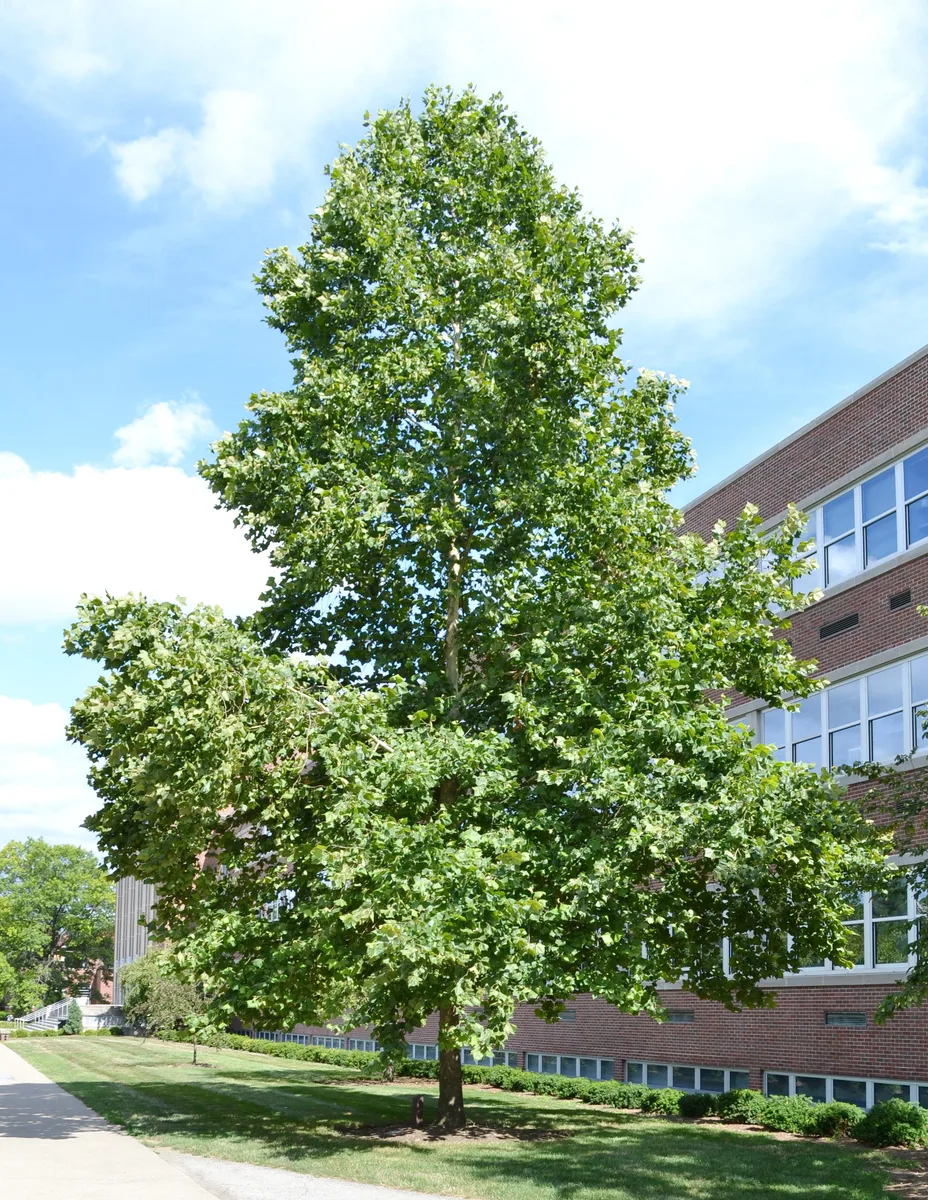
Distribution of American plane
Distribution map
Northern America
Toxicity
Contact with the hairs on the fruits may irritate the skin and respiriatory system. Wear gloves and other protective equipment when handling
American plane care guide
- Moderate regular watering, allowing brief slight drying between soakings
- Watering
- Full sun
- Sunlight

Watering
Moderate regular watering, allowing brief slight drying between soakings
Fertilizing
 Fertilizing
Balanced perennial feed every four weeks from spring through summer
Pruning
 Pruning
Little pruning is needed. Remove diseased, damaged, crowded or crossing shoots and unwanted growth. Timing depends on the plant: generally late winter or early spring; plants prone to bleeding and deciduous magnolias need different timing, and deciduous azaleas and lilacs are pruned after flowering.
Propagation
 Propagation
Propagate by seed, or hardwood cuttings in winter
Growing
 Growing
Grow in moist, fertile soil in full sun, allowing enough space for a very large tree with a vigorous root system
Common pests and diseases
Diseases
May be susceptible to plane anthracnose and honey fungus
Pests
May be susceptible to lace bugs
Explore the plant health library →




