
oriental plane
Also known as: chinar tree; eastern plane
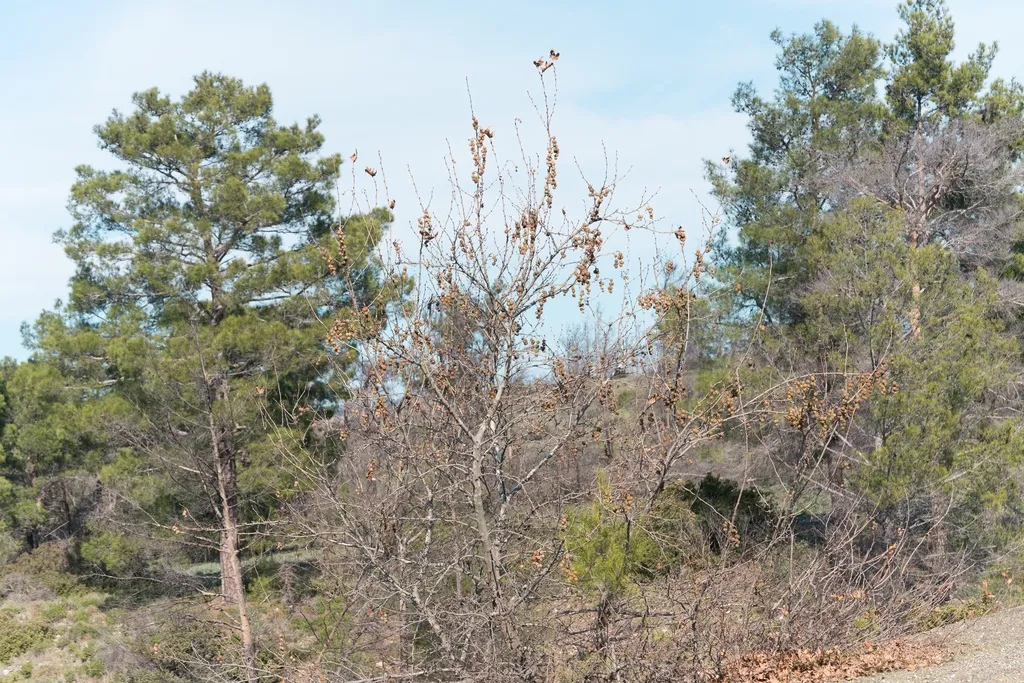
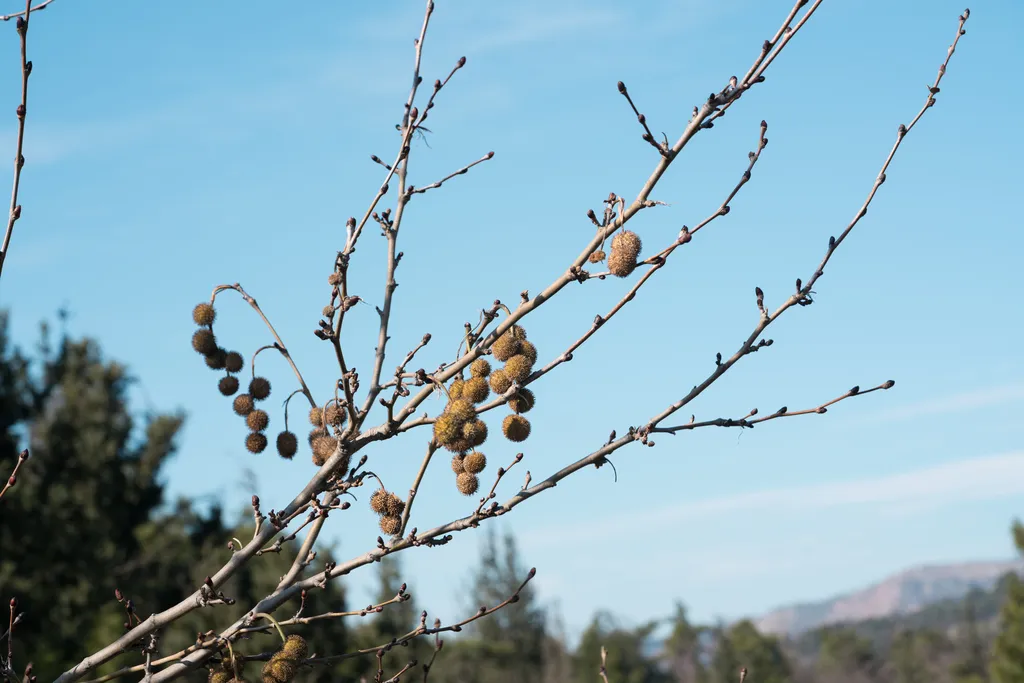
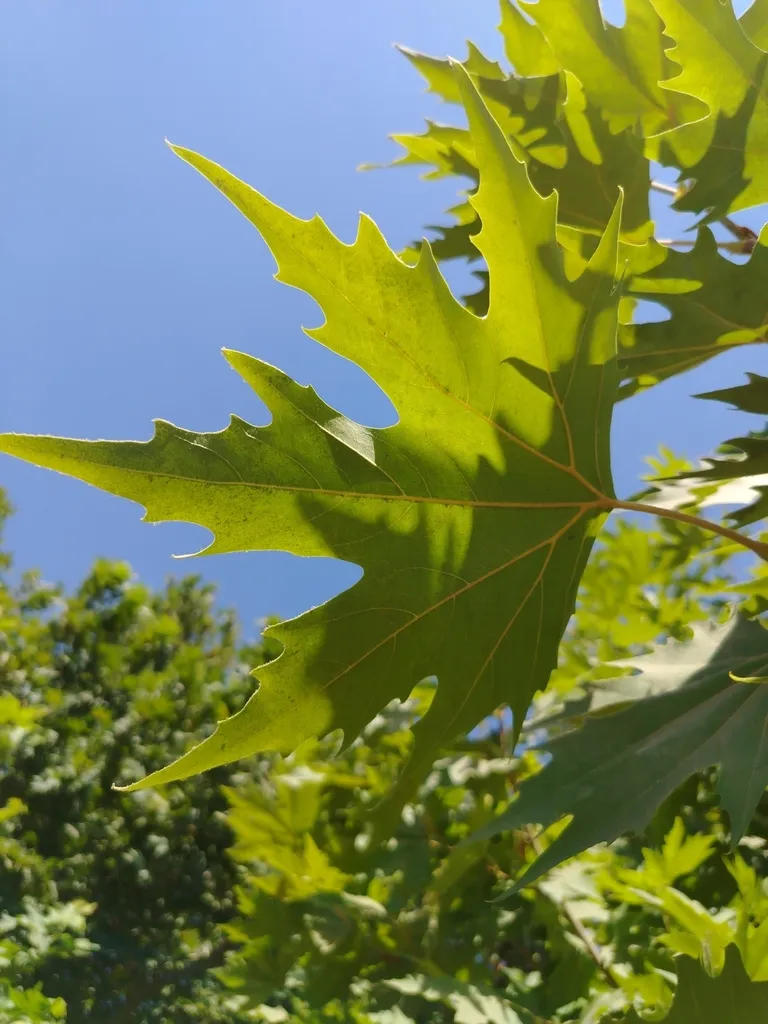
P. orientalis is a very large, spreading deciduous tree with a short trunk and flaking bark. Leaves deeply palmately-lobed; flowers inconspicuous, followed by clusters of burr-like fruits
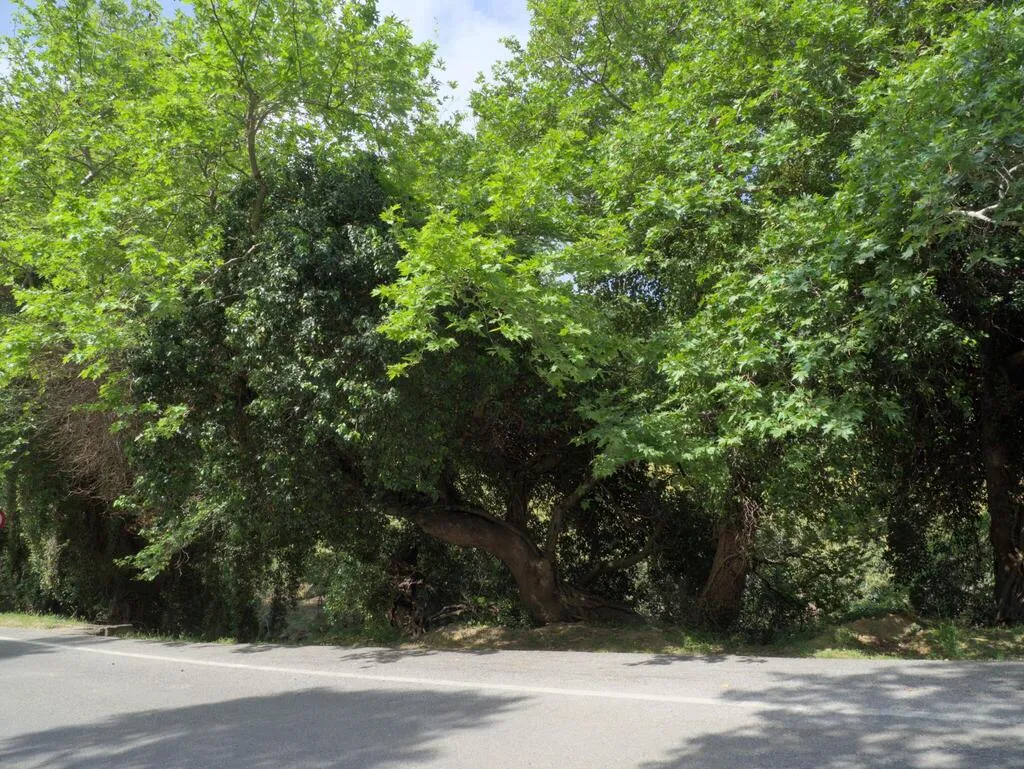
Scientific classification
- Species
- oriental plane (Platanus orientalis)
- Genus
- Platanus
- Family
- Platanaceae
- Information to be completed
- Toxicity
- Trees
- Plant type
- Higher than 12 metres
- Height
- wider than 8 metres
- Spread
- Deciduous
- Foliage
- Columnar upright
- Habit
- Spring · Summer · Autumn · Winter
- Season of interest
- Full sun
- Sunlight
- Information to be completed
- Ideal temperature









oriental plane pictures
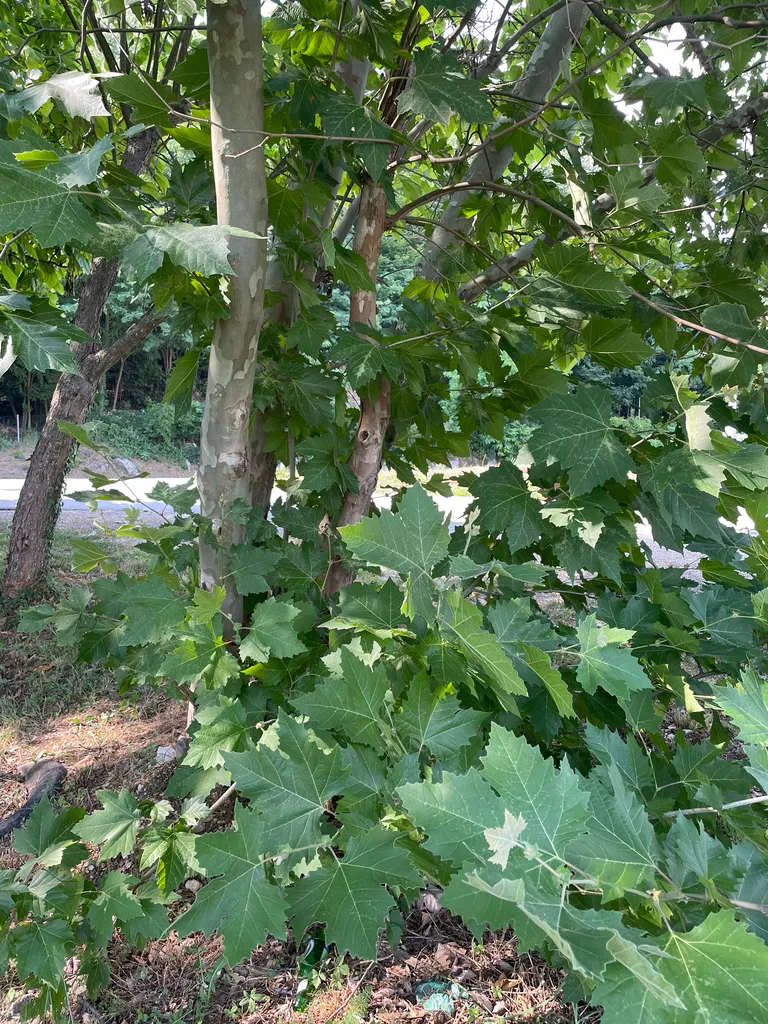
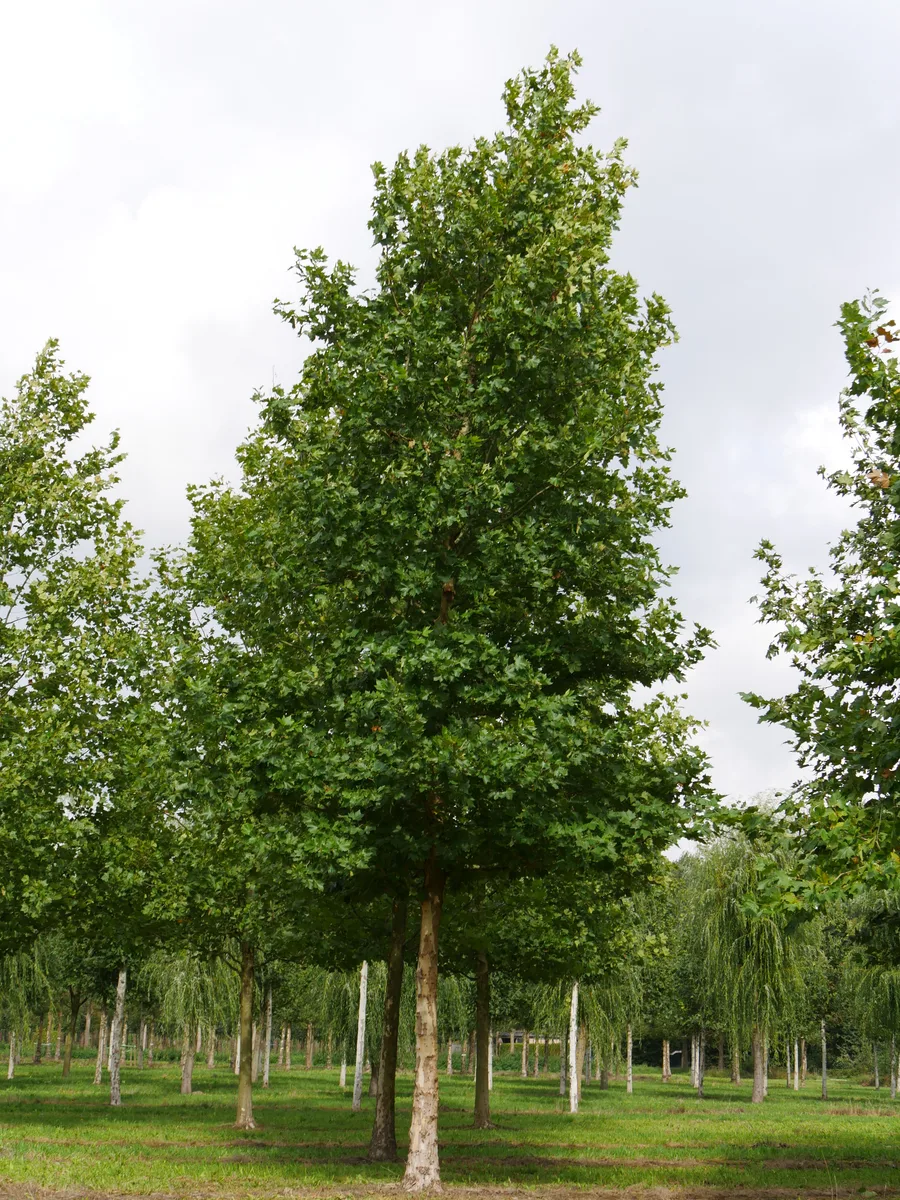
Distribution of oriental plane
Distribution map
Southern Europe, Southwestern Asia
Information to be completed
Culture
Information to be completed
Toxicity
Information to be completed
Quick identification of oriental plane
Information to be completed
oriental plane care guide
- Moderate regular watering, avoid prolonged drought and stagnant waterlogging
- Watering
- Full sun
- Sunlight
- Information to be completed
- Ideal temperature

Watering
Moderate regular watering, avoid prolonged drought and stagnant waterlogging
Fertilizing
 Fertilizing
Balanced perennial feed every four weeks spring through summer growth
Pruning
 Pruning
Little pruning is needed. Remove diseased, damaged, crowded or crossing shoots and unwanted growth. Timing depends on the plant: generally late winter or early spring; plants prone to bleeding and deciduous magnolias need different timing, and deciduous azaleas and lilacs are pruned after flowering.
Propagation
 Propagation
Propagate from hardwood cuttings in winter or suckers in autumn or late winter
Growing
 Growing
Easy to grow in moist, humus-rich, fertile soils but avoid planting in vacinity of buildings due to vigorous root system
People also ask
Information to be completed
Common pests and diseases
Diseases
May be susceptible to plane anthracnose and honey fungus
Pests
May be susceptible to lace bugs
Explore the plant health library →




