
totara
Also known as: mahogany pine; totara pine
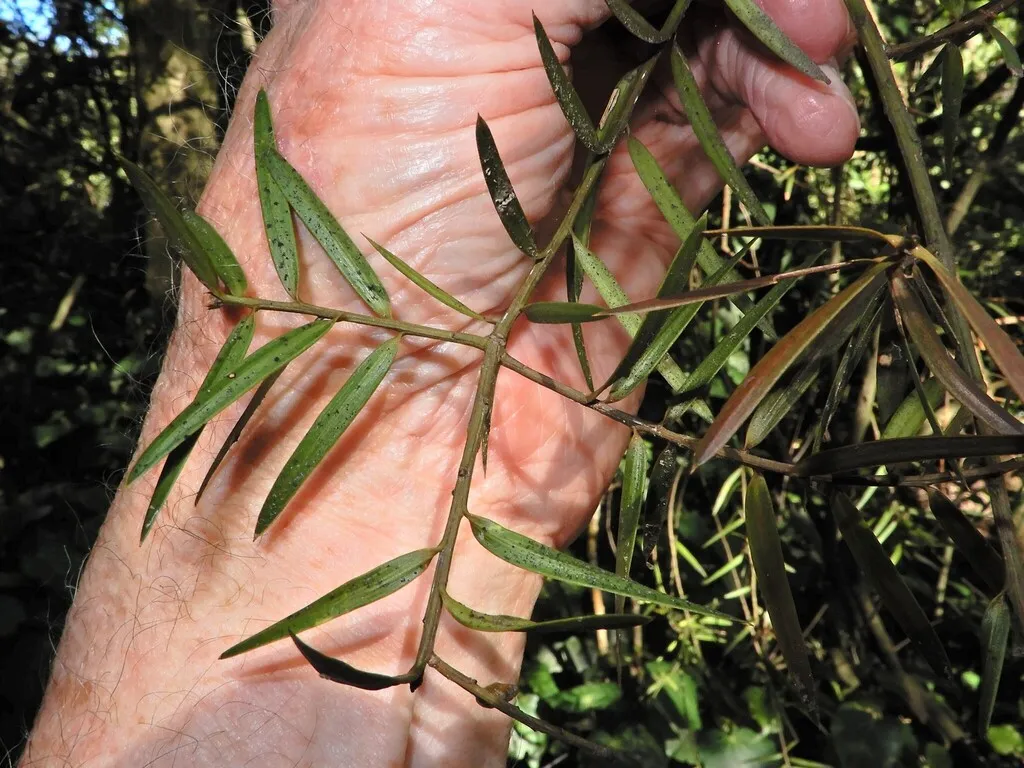
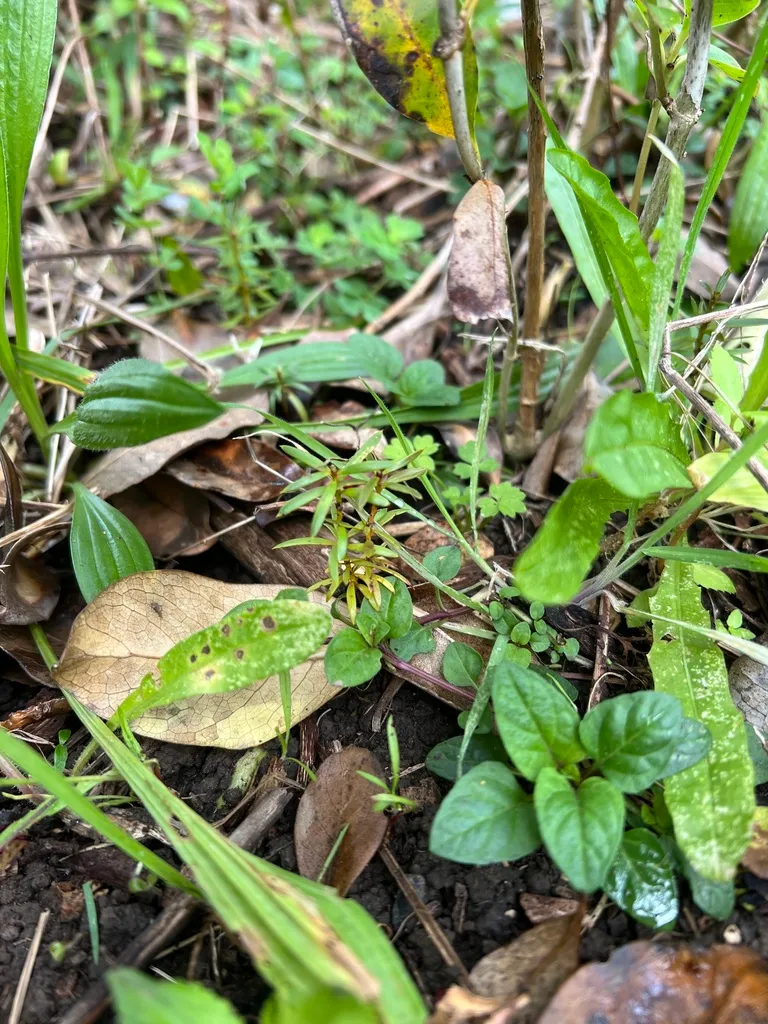
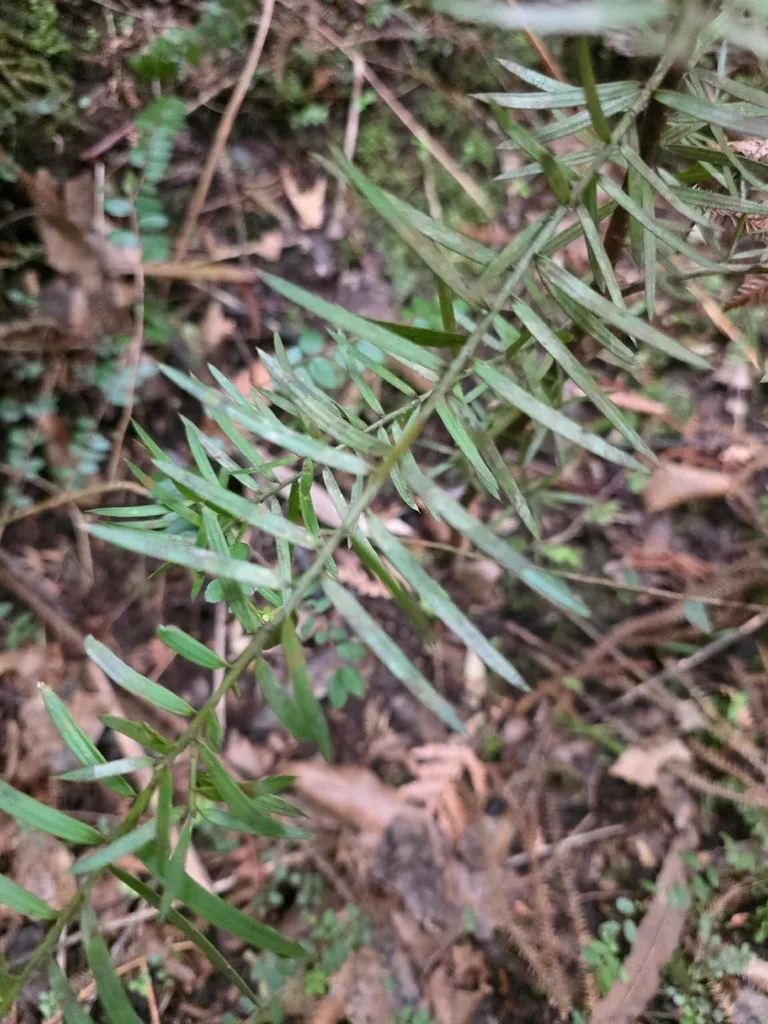
A large, evergreen tree, to 30m, conical at first, then spreading, with peeling, reddish-brown bark and dark green, yew-like foliage. Yellow, catkin-like male flowers and green, cone-like female flowers are borne on separate trees. Female trees go on to produce fleshy, pinkish-red, oval fruit in autumn
Scientific classification
- Species
- totara (Podocarpus totara)
- Genus
- Podocarpus
- Family
- Podocarpaceae
- Order
- Araucariales
- Class
- Pinopsida
- Phylum
- Pinophyta
- Information to be completed
- Toxicity
- Conifers · Trees
- Plant type
- Higher than 12 metres
- Height
- wider than 8 metres
- Spread
- Evergreen
- Foliage
- Bushy
- Habit
- Spring · Summer · Autumn · Winter
- Season of interest
- Full sun
- Sunlight
- Information to be completed
- Ideal temperature









totara pictures
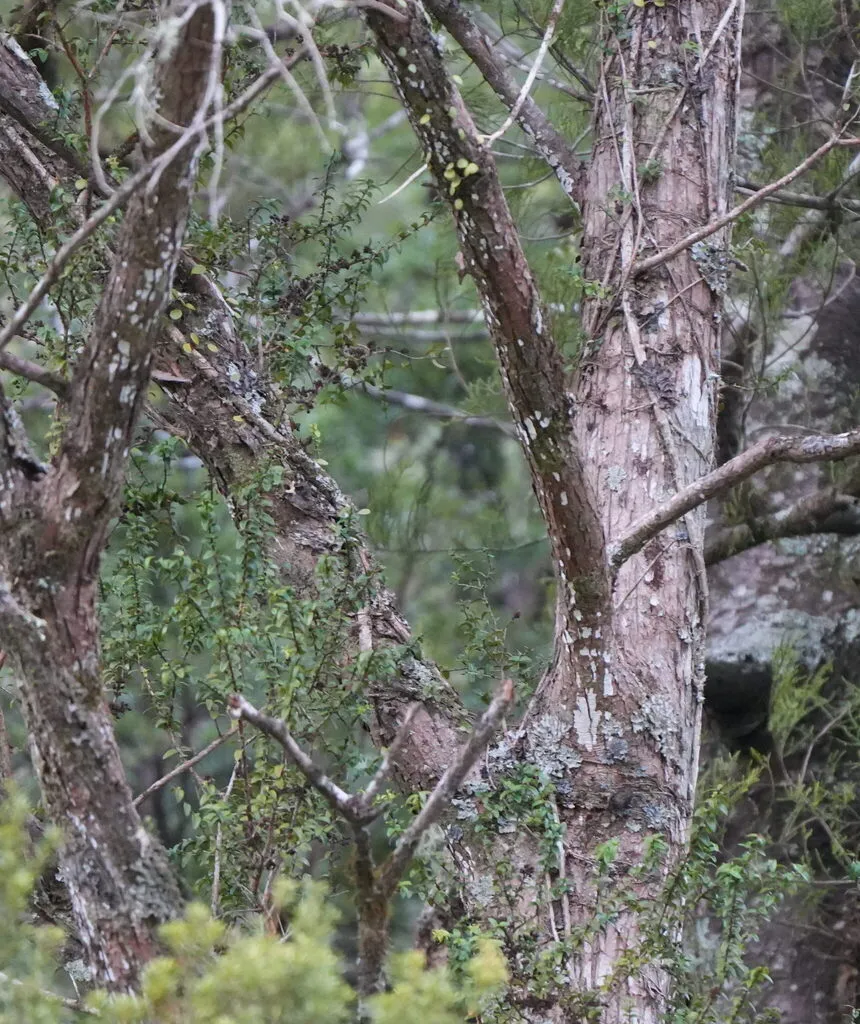
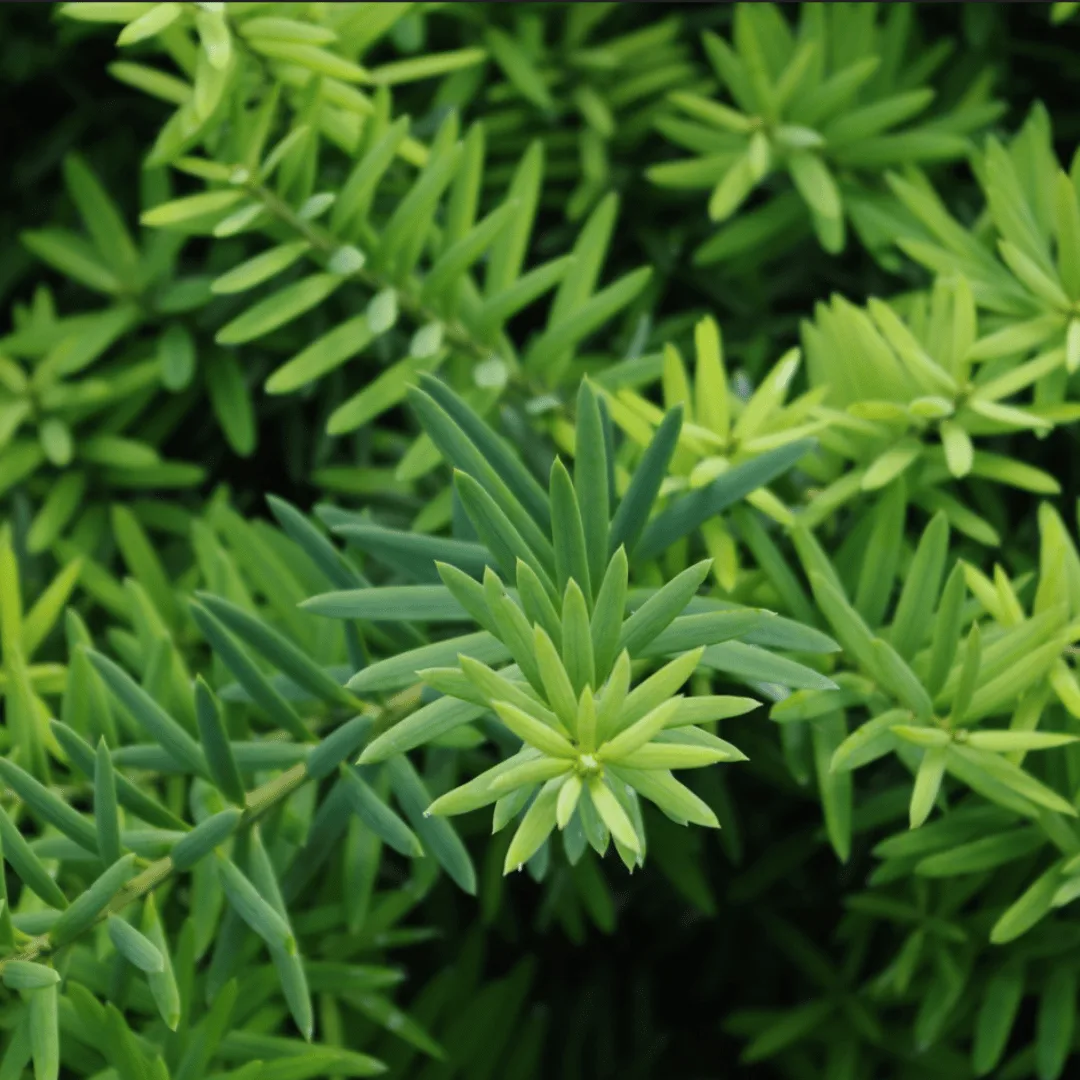
Distribution of totara
Distribution map
- Native
- Introduced
- Cultivated
Source:WCVP v16 · Royal Botanic Gardens, Kew · CC BY 3.0 · Boundaries:WGSRPD / TDWG
totara care guide
- Deep watering during dry spells, allowing slight surface drying between soakings
- Watering
- Full sun
- Sunlight

Watering
Deep watering during dry spells, allowing slight surface drying between soakings
Fertilizing
 Fertilizing
Balanced shrub or tree feed once each early spring
Pruning
 Pruning
Little pruning is needed. Remove diseased, damaged, crowded or crossing shoots and unwanted growth. Timing depends on the plant: generally late winter or early spring; plants prone to bleeding and deciduous magnolias need different timing, and deciduous azaleas and lilacs are pruned after flowering.
Propagation
 Propagation
Propagate by seed, which may take over a year to germinate, or by semi-ripe cuttings from upright, leading shoots in late summer
Growing
 Growing
Tolerant of a range of soils, but does best in fertile, moist but well-drained, humus-rich soil in a sunny, sheltered position
Common pests and diseases
Diseases
Generally disease-free
Pests
Generally pest-free
Explore the plant health library →




