
St Bernard's lily
Also known as: branched spiderwort; Savoy spiderwort
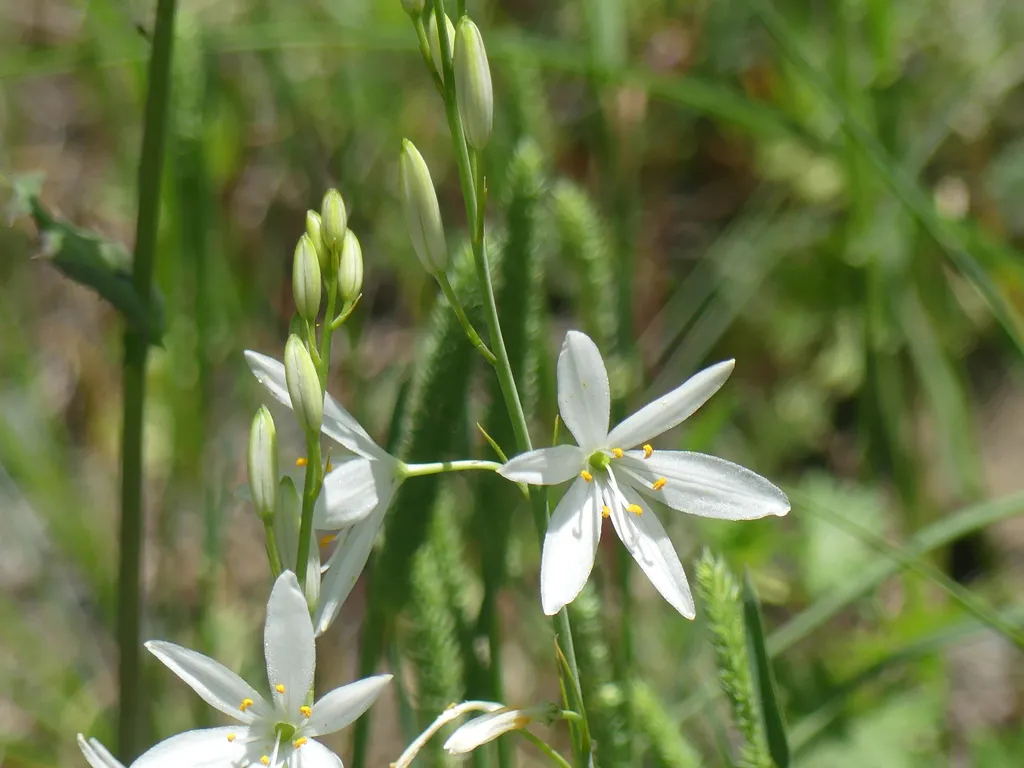
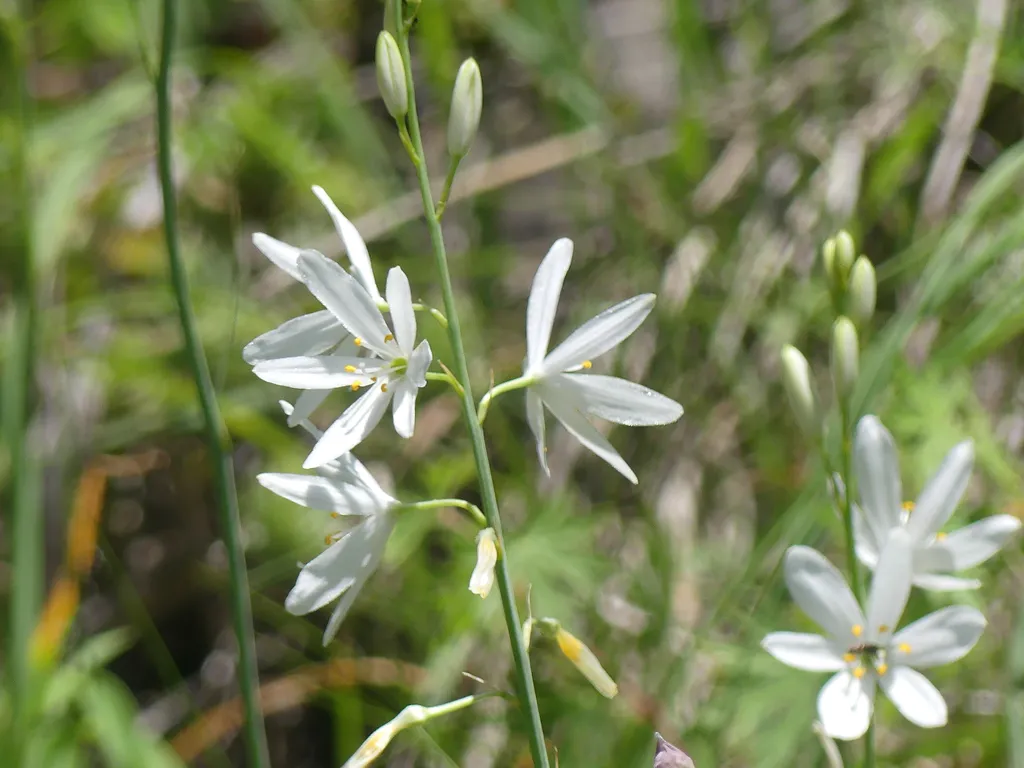
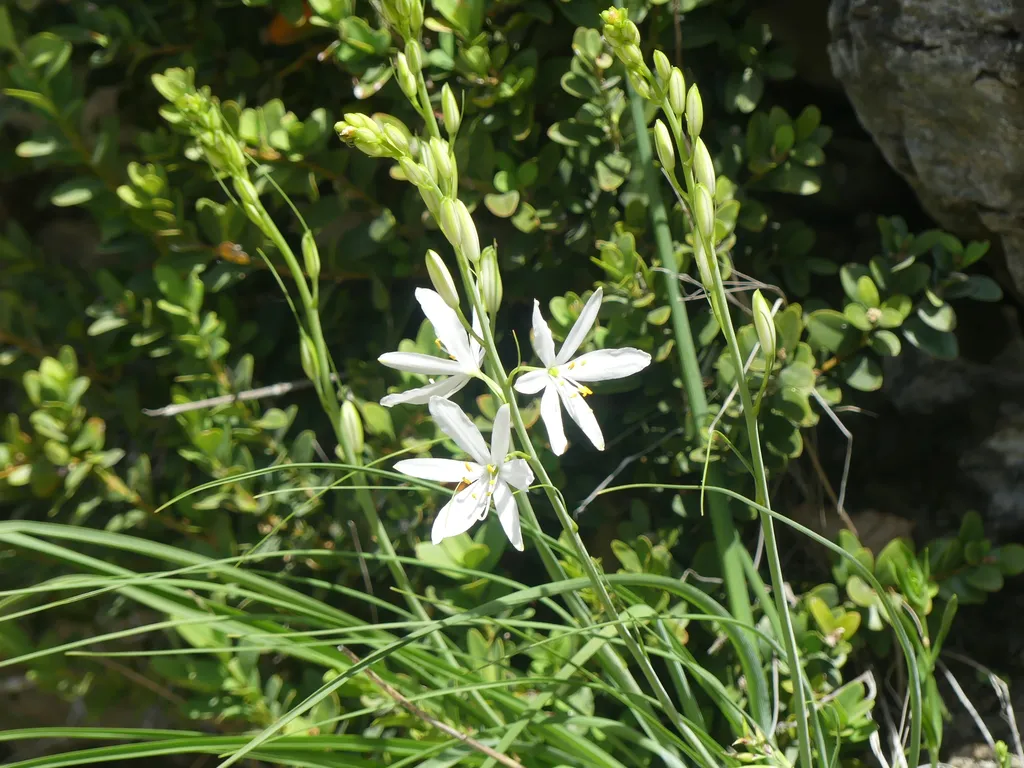
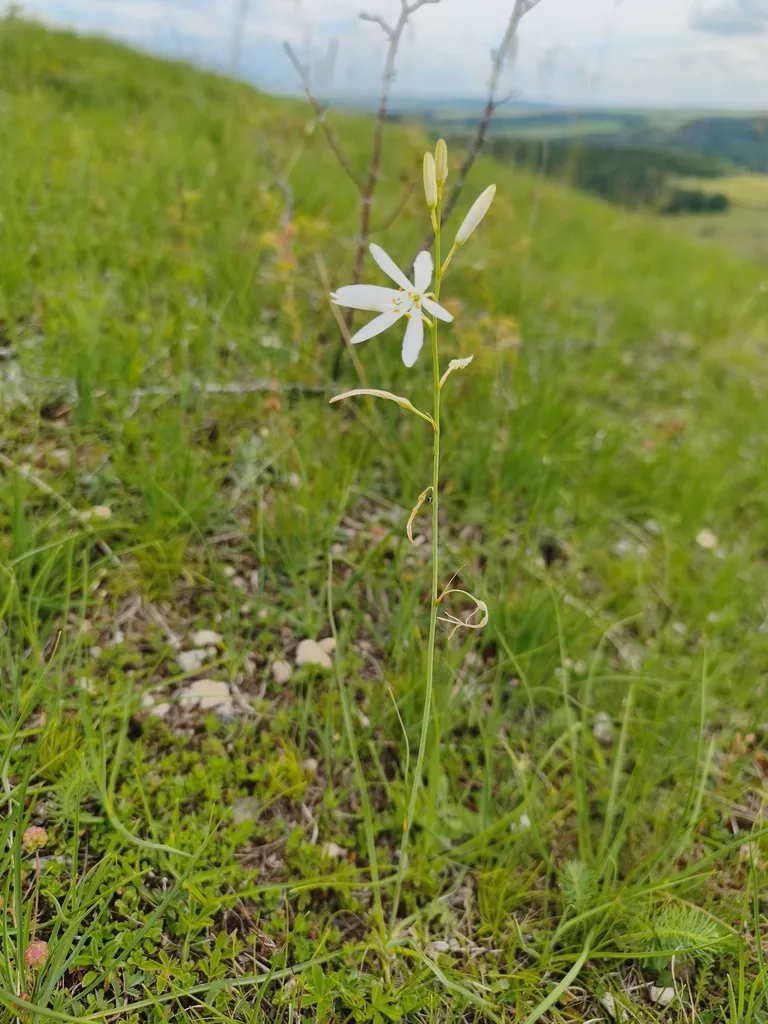
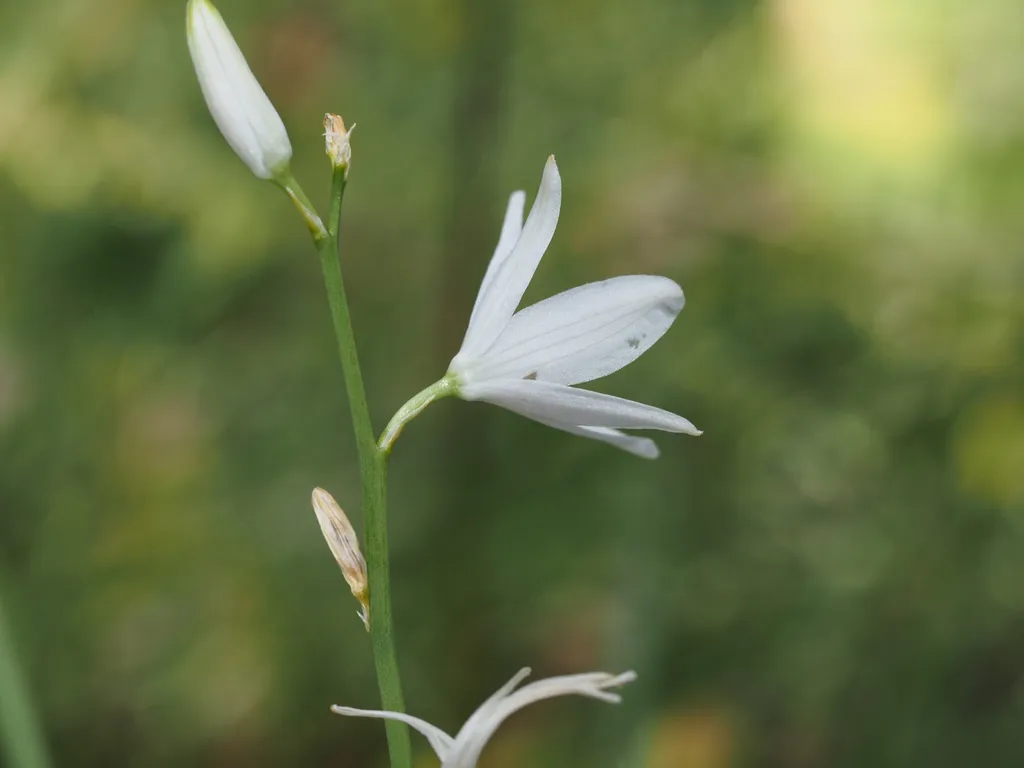
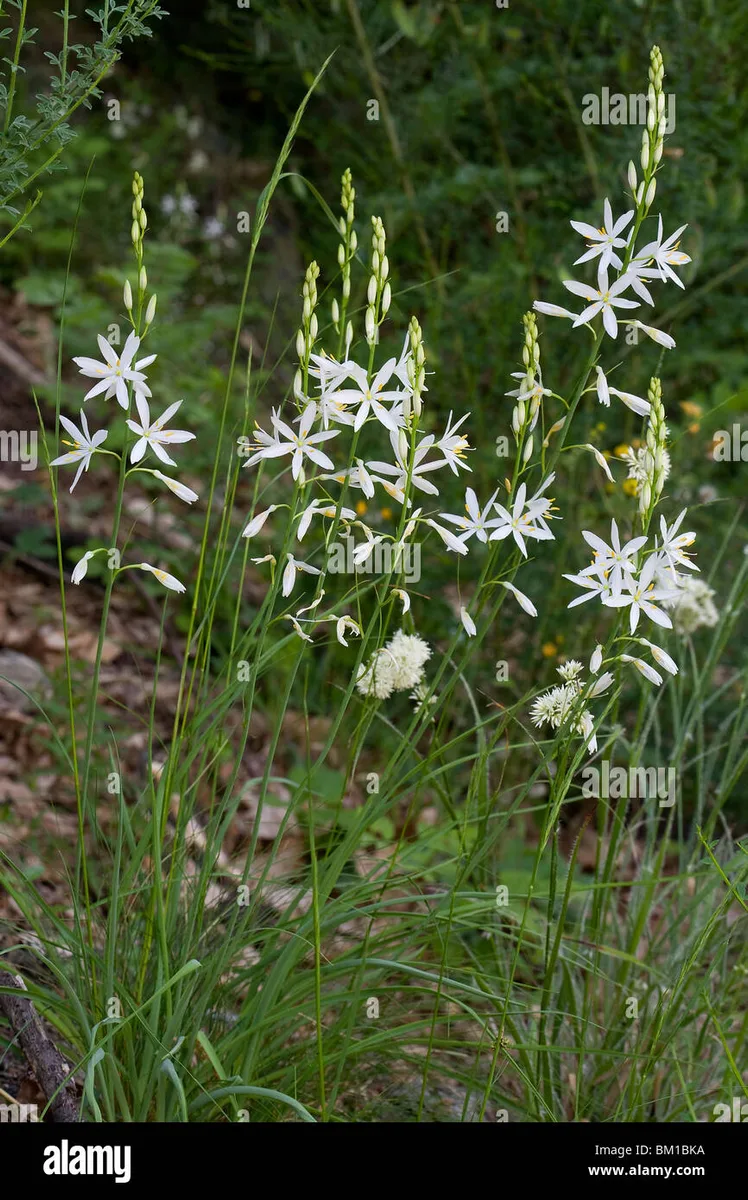
Produces tufts of narrow, rather coarse grass-like linear mid-green leaves, 30-45cm long, and tall stems to 1m bearing white, trumpet-shaped flowers to 4cm across, in late spring
Scientific classification
- Species
- St Bernard's lily (Anthericum liliago)
- Genus
- Anthericum
- Family
- Asparagaceae
- Order
- Asparagales
- Class
- Liliopsida
- Phylum
- Magnoliophyta
- Information to be completed
- Toxicity
- Herbaceous Perennial
- Plant type
- 0.5-1 metres
- Height
- 0.1-0.5 metres
- Spread
- Deciduous
- Foliage
- Columnar upright
- Habit
- Spring · Summer
- Season of interest
- Full sun
- Sunlight
- Information to be completed
- Ideal temperature









St Bernard's lily pictures
Distribution of St Bernard's lily
Distribution map
- Native
- Introduced
- Cultivated
Locally extinct or doubtful records are excluded from native and introduced layers.
Source:WCVP v16 · Royal Botanic Gardens, Kew · CC BY 3.0 · Boundaries:WGSRPD / TDWG
St Bernard's lily care guide
- Moderate regular watering, avoid prolonged drought or waterlogging
- Watering
- Full sun
- Sunlight

Watering
Moderate regular watering, avoid prolonged drought or waterlogging
Fertilizing
 Fertilizing
Balanced feed in spring and light repeat in growth season
Pruning
 Pruning
Seed spikes are attractive and can be left, but cut them back if you want to prevent self-seeding
Propagation
 Propagation
Propagate by seed sown in pots in a cold frame in spring or autumn or propagate by division in spring
Growing
 Growing
Ideally this should be grown in soil that is moist but well-drained in summer and well-drained over winter, this provides the fleshy roots with moisture in summer yet allows it to overwinter. Full sun is essential
Common pests and diseases
Diseases
Generally disease free
Pests
Prone to slugs and snails
Explore the plant health library →




