
May apple
Also known as: American mandrake; behen; devil's apple; duck's foot; ground lemon; hog apple; Indian apple; Indian May apple; peca; raccoon berry; wild jalap; wild lemon tree; wild mandrake
A herbaceous perennial with creeping rhizomes producing a series of upright, pale fleshy stems, topped with glossy, deeply lobed, umbrella-like leaves. Some stems produce a single leaf, others produce two along with a nodding, fragrant, waxy white flower from the leaf axil. Flowers are often hidden by the foliage when viewing from above, and are followed by oval fruits, beginning green and ripening to yellow
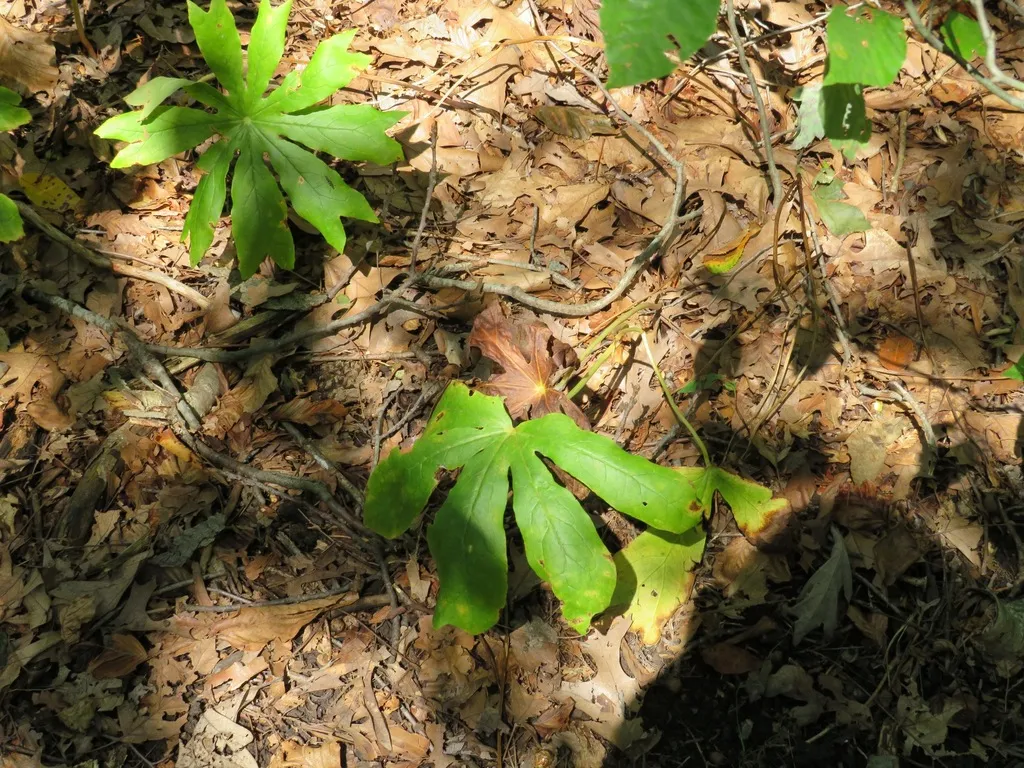
Scientific classification
- Species
- May apple (Podophyllum peltatum)
- Genus
- Podophyllum
- Family
- Berberidaceae
- Harmful if eaten. Wear gloves and other protective equipment when handling
- Toxicity
- Herbaceous Perennial
- Plant type
- 0.1-0.5 metres
- Height
- 1-1.5 metres
- Spread
- Deciduous
- Foliage
- Columnar upright
- Habit
- Spring · Summer
- Season of interest
- Full shade · Partial shade
- Sunlight
- Information to be completed
- Ideal temperature









May apple pictures
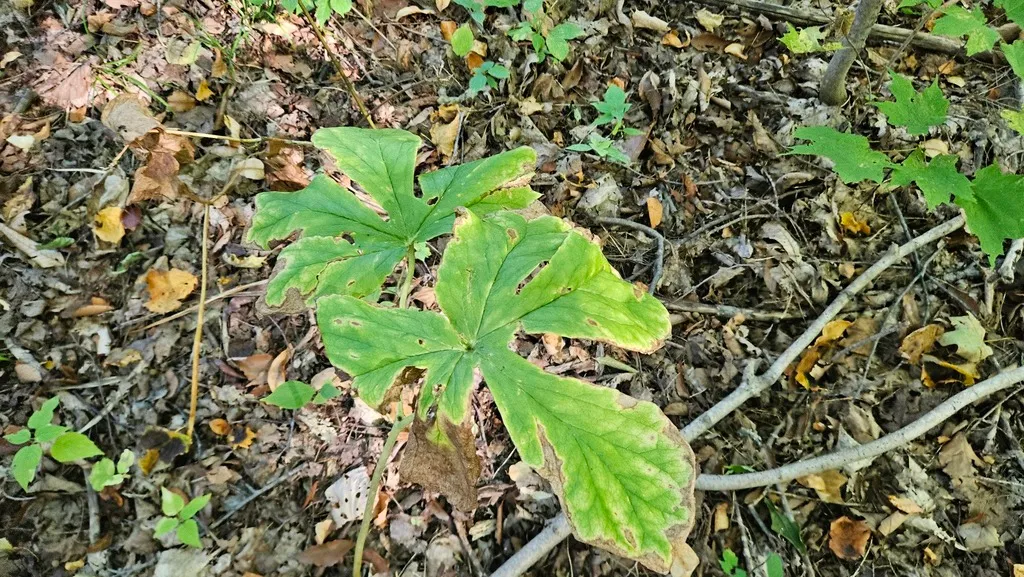
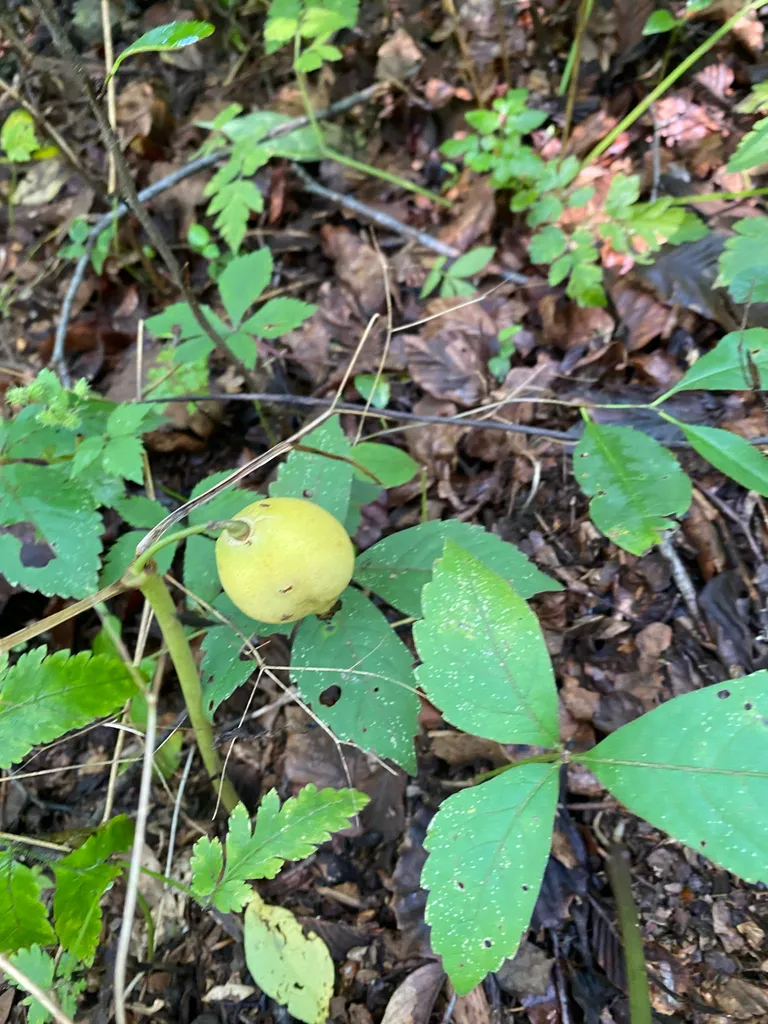
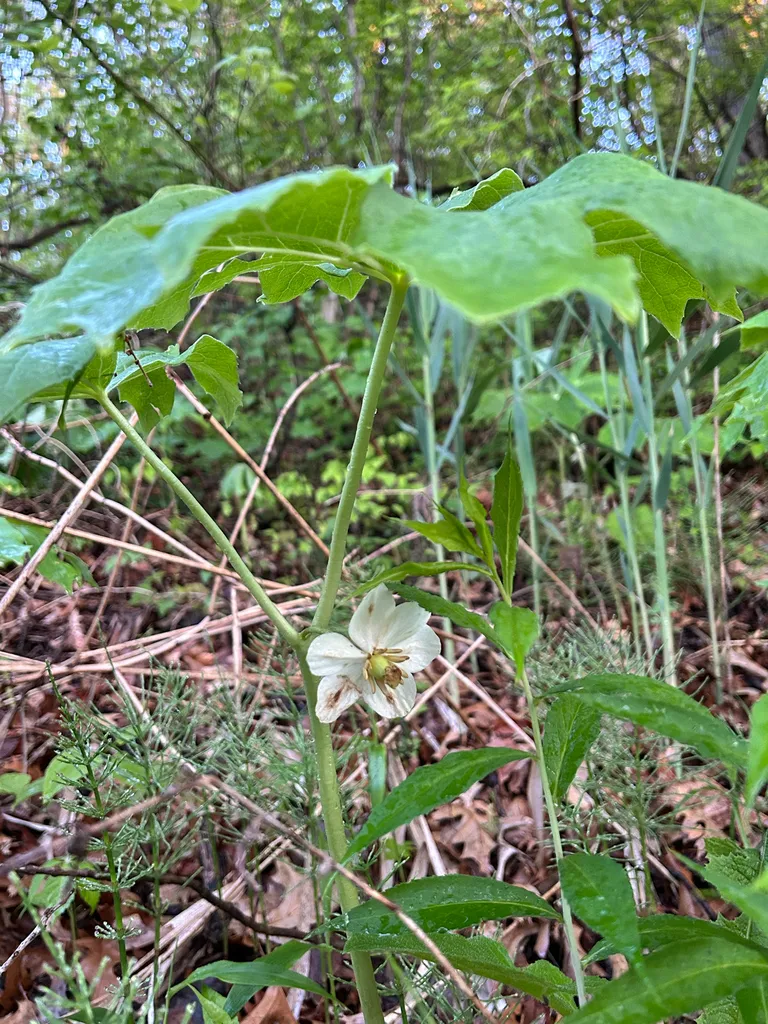
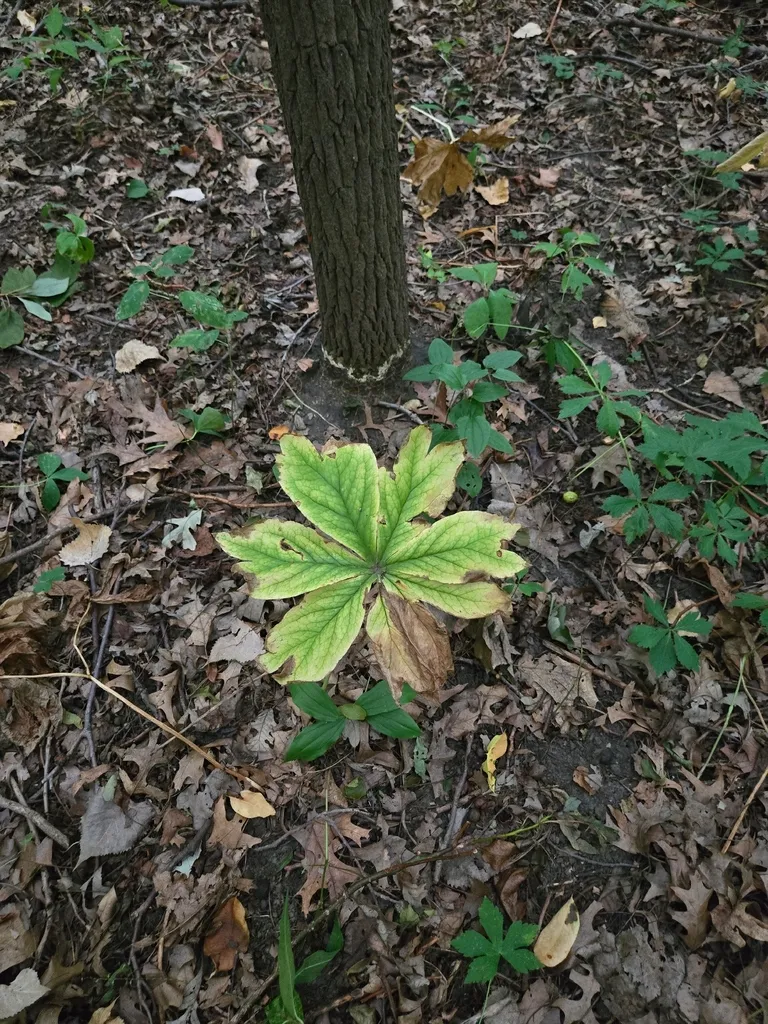
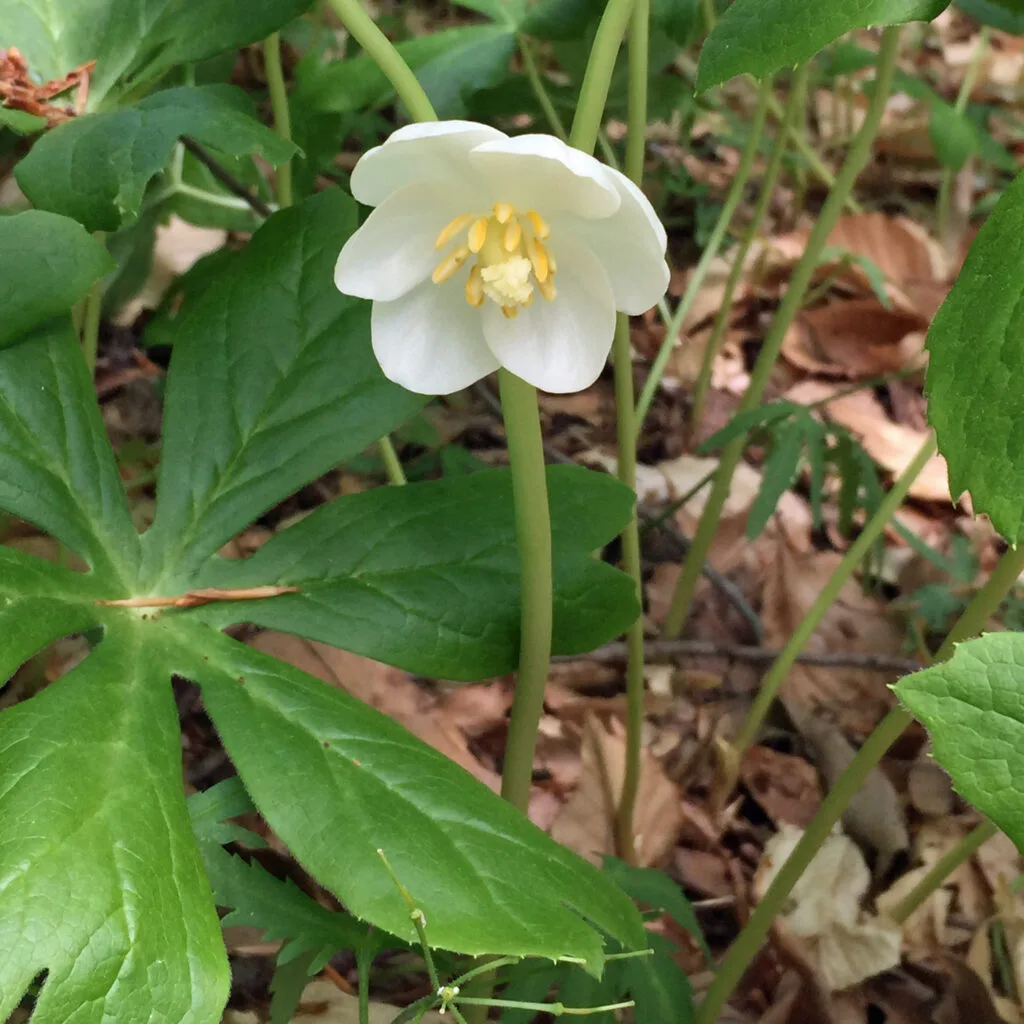
Distribution of May apple
Distribution map
Eastern North America
Information to be completed
Culture
Information to be completed
Toxicity
Harmful if eaten. Wear gloves and other protective equipment when handling
Quick identification of May apple
Information to be completed
May apple care guide
- Moderate regular watering, allowing brief slight drying between soakings
- Watering
- Full shade · Partial shade
- Sunlight
- Information to be completed
- Ideal temperature

Watering
Moderate regular watering, allowing brief slight drying between soakings
Fertilizing
 Fertilizing
Balanced perennial feed every four weeks from spring through summer
Pruning
 Pruning
No pruning required
Propagation
 Propagation
Propagate by seed sown as soon as ripe, or by division in spring or late summer
Growing
 Growing
Thrives in humus-rich, moist soil in part or full shade; ideal for a woodland garden
People also ask
Information to be completed
Common pests and diseases
Diseases
Generally disease-free
Pests
May be susceptible to slugs on young growth
Explore the plant health library →




