
sickle-shaped Solomon's seal
Also known as: Information to be completed
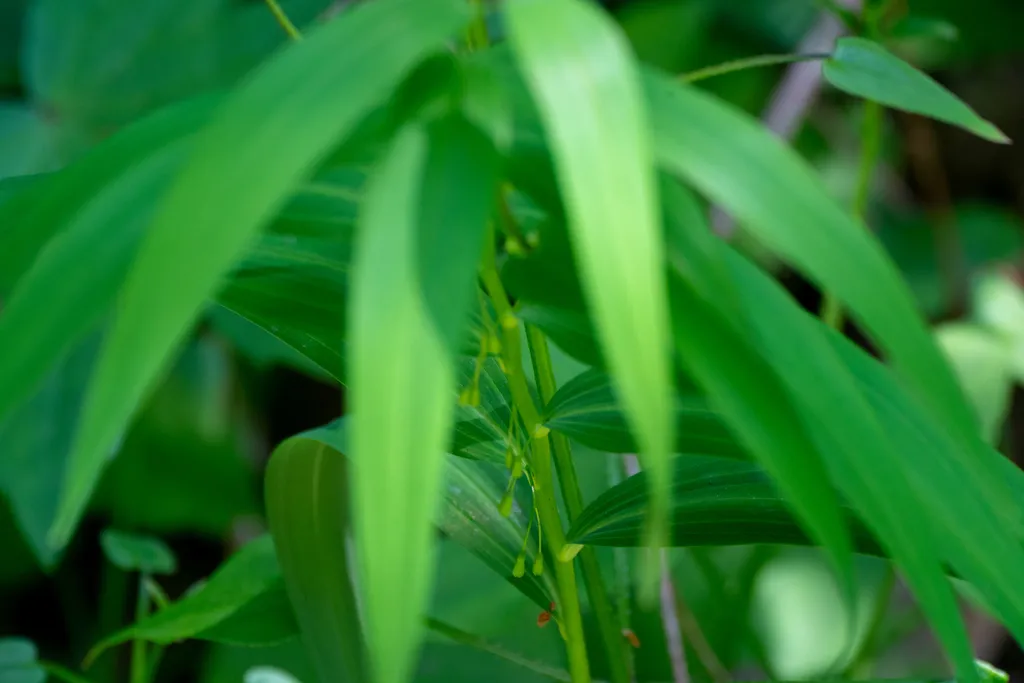
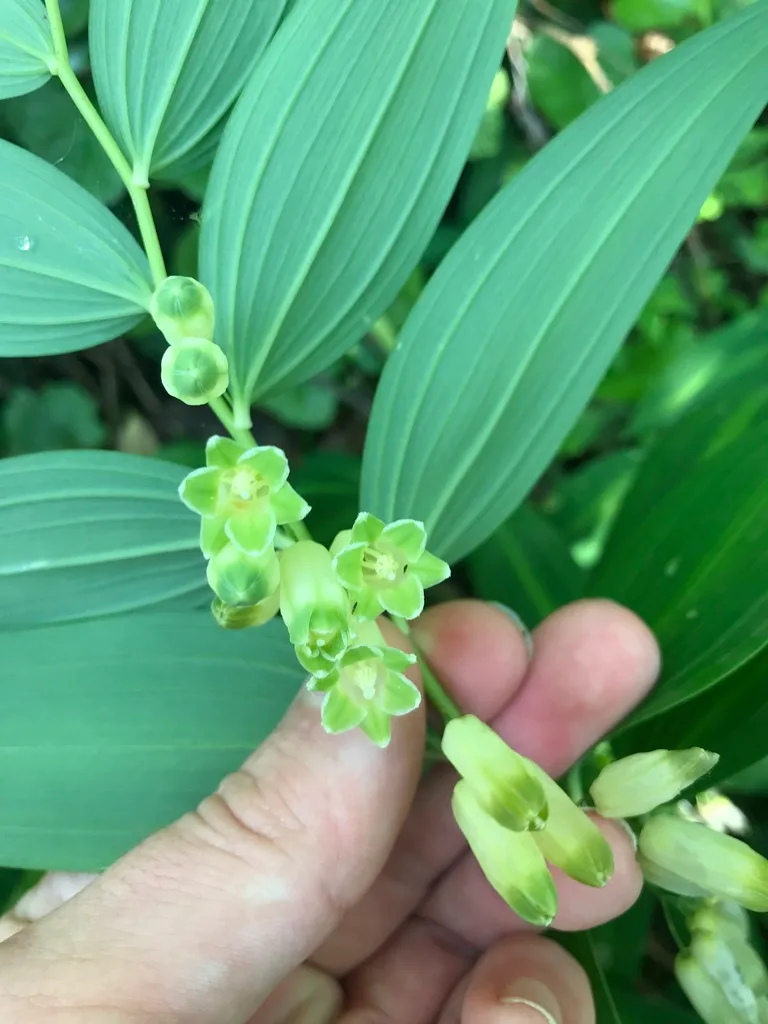
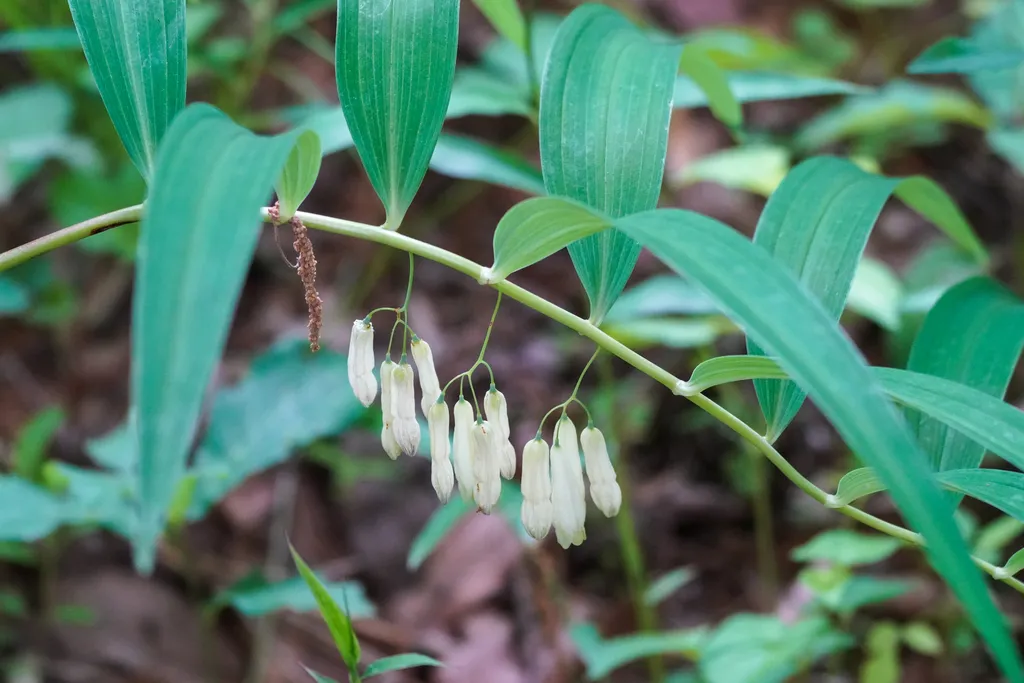
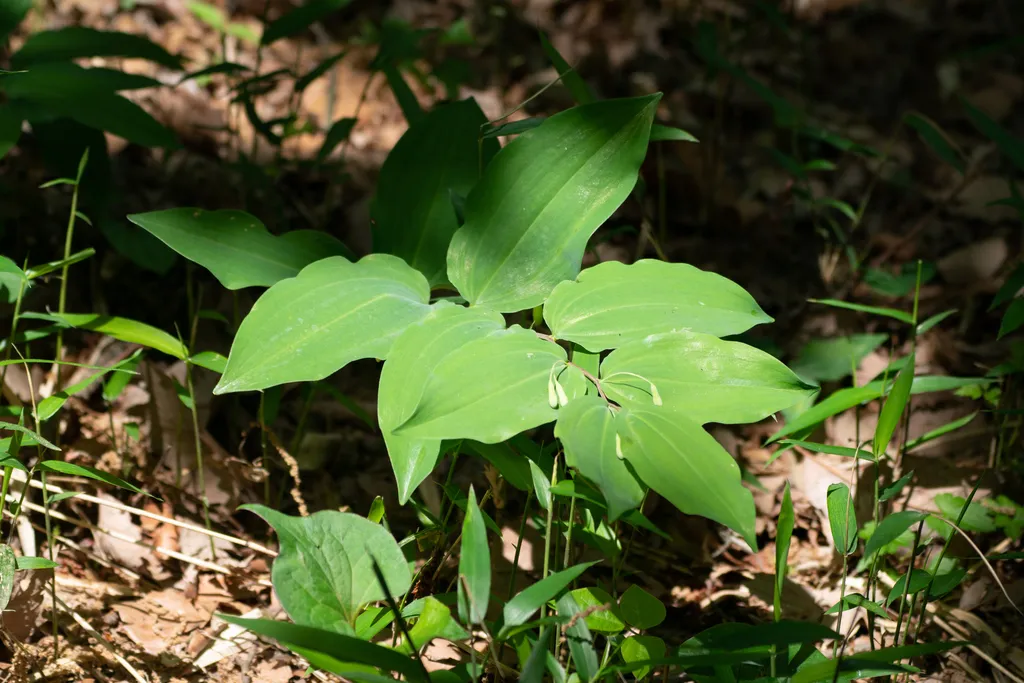
P. falcatum is a clump-forming, rhizomatous, herbaceous perennial 50-90cm high with slightly arching stems, narrowly lance-shaped green leaves, 8-20cm long and 1.8-2.5cm wide, and a cluster in each upper leaf axil of from two to five hanging, green-tipped white flowers, 1-2cm long, in late spring, sometimes followed by blue-black fruit, 3-4mm across.
Scientific classification
- Species
- sickle-shaped Solomon's seal (Polygonatum falcatum)
- Genus
- Polygonatum
- Family
- Asparagaceae
- Harmful if eaten. Wear gloves and and other protective equipment when handling
- Toxicity
- Herbaceous Perennial
- Plant type
- 0.5-1 metres
- Height
- 0.1-0.5 metres
- Spread
- Deciduous
- Foliage
- Clump forming
- Habit
- Autumn · Spring · Summer
- Season of interest
- Partial shade
- Sunlight
- Information to be completed
- Ideal temperature









sickle-shaped Solomon's seal pictures
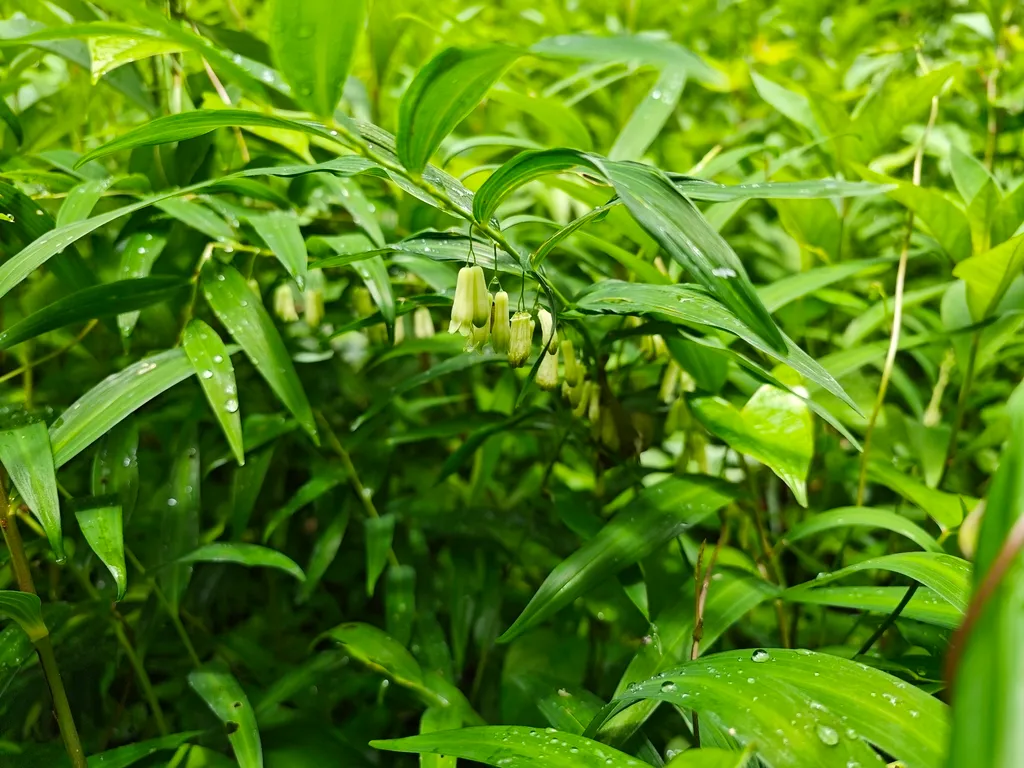
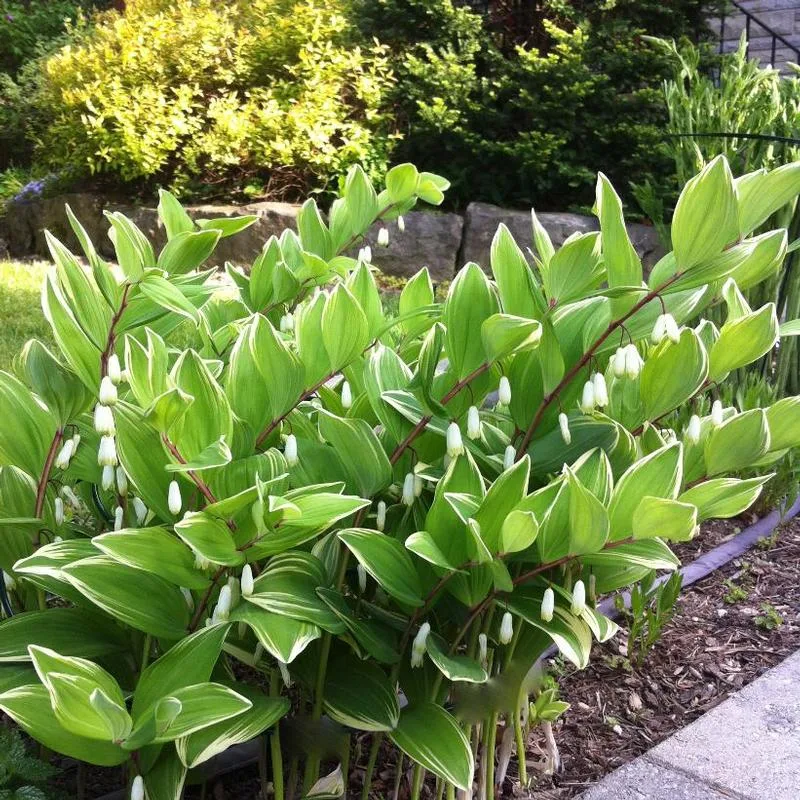
Distribution of sickle-shaped Solomon's seal
Distribution map
Japan Korea
Information to be completed
Culture
Information to be completed
Toxicity
Harmful if eaten. Wear gloves and and other protective equipment when handling
Quick identification of sickle-shaped Solomon's seal
Information to be completed
sickle-shaped Solomon's seal care guide
- Moderate regular watering, allowing brief slight drying between soakings
- Watering
- Partial shade
- Sunlight
- Information to be completed
- Ideal temperature

Watering
Moderate regular watering, allowing brief slight drying between soakings
Fertilizing
 Fertilizing
Balanced perennial feed every four weeks from spring through summer
Pruning
 Pruning
No pruning required
Propagation
 Propagation
Propagate by seed, sown in containers in a cold frame in spring, or by division of the rhizomes when growth begins in spring, taking care to avoid damaging any young, brittle shoots
Growing
 Growing
Grow in fertile, humus-rich, moisture-retentive but well-drained soil in partial shade; will also tolerate sun or full shade if soil is cool and moist
People also ask
Information to be completed
Common pests and diseases
Diseases
Generally disease-free
Pests
May be susceptible to slugs and by Solomon's seal sawfly larvae
Explore the plant health library →




