
tomatillo
Also known as: jamberberry; Mexican husk tomato; husk tomato; jamberry
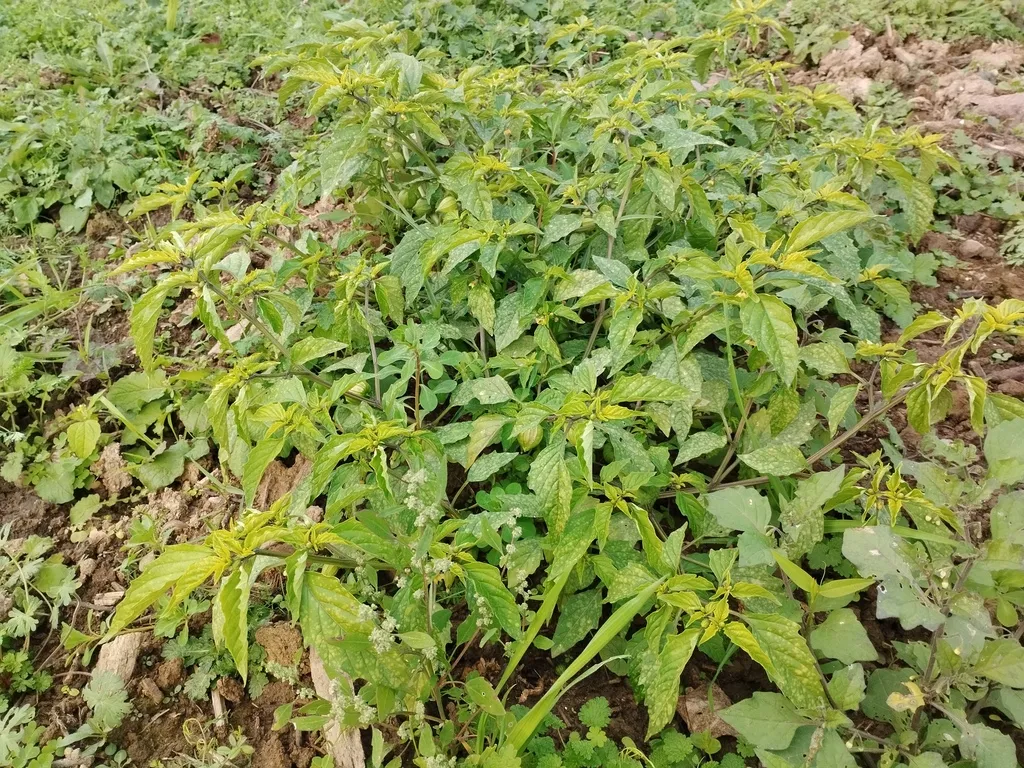
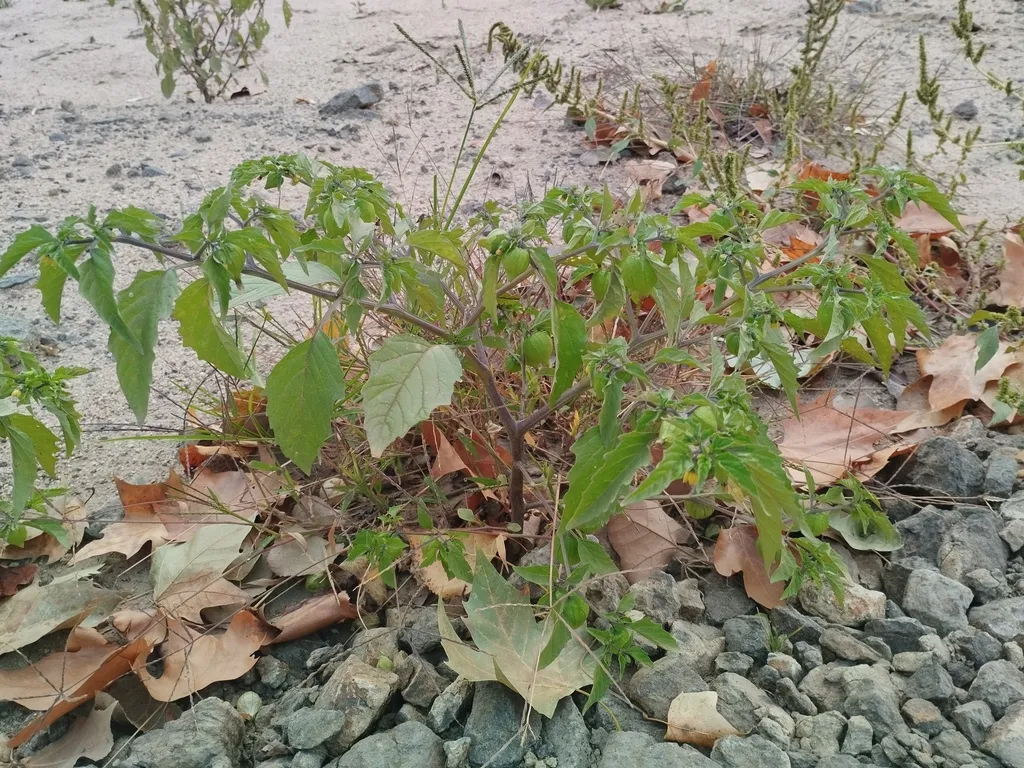
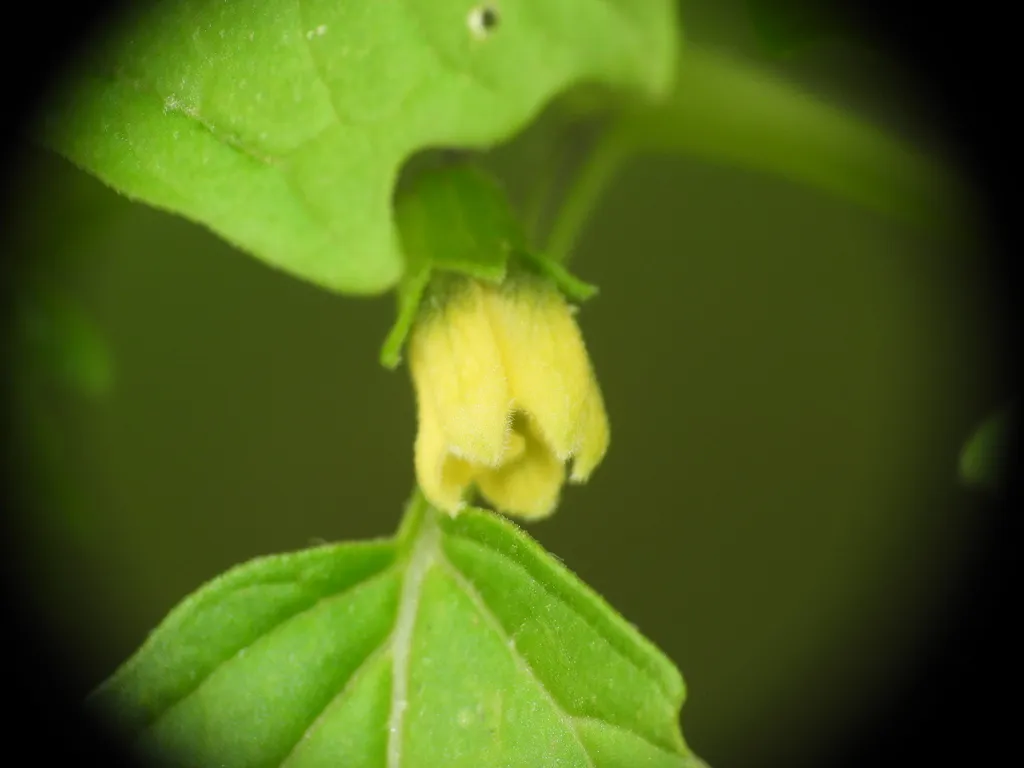
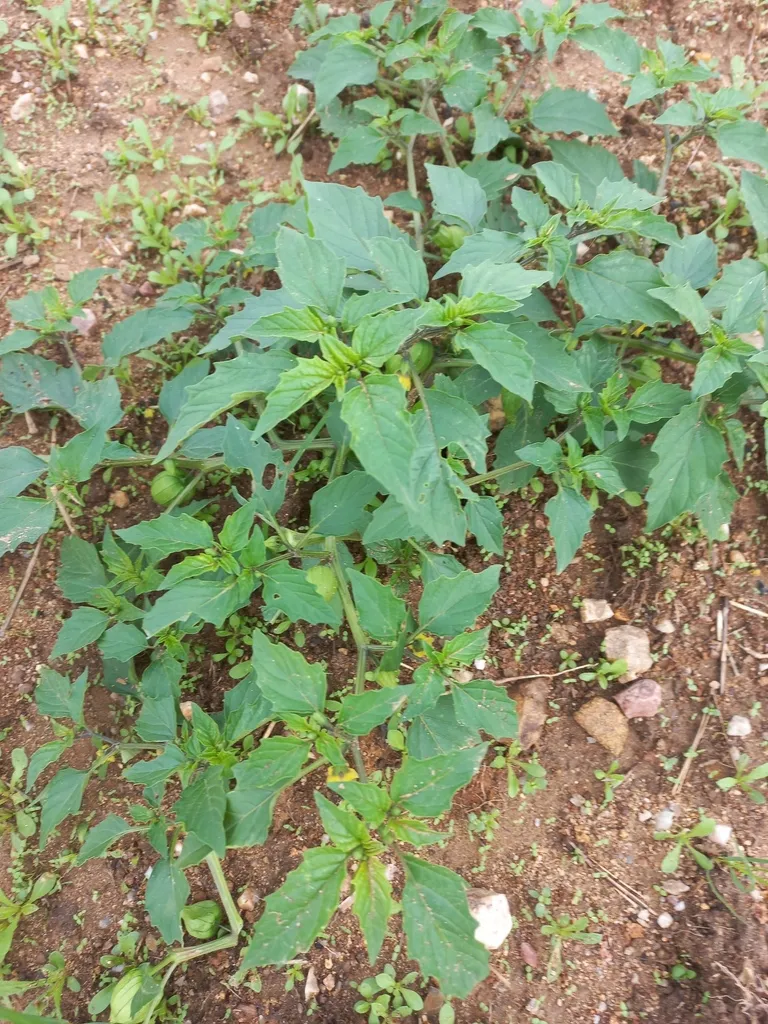
A lax, branching annual with serrated leaves growing to 1.2m tall and wide. Yellow summer flowers with brown centres are followed by rounded edible fruit to 7cm in diameter surrounded by a thin, paper-like husk; fruits ripen from green to yellow or purple
Scientific classification
- Species
- tomatillo (Physalis ixocarpa)
- Genus
- Physalis
- Family
- Solanaceae
- Only the berries are edible, other plant parts can cause mild stomach upset if eaten. Wear gloves and wash hands after handling]
- Toxicity
- Conservatory Greenhouse · Annual Biennial · Fruit Edible
- Plant type
- 1-1.5 metres
- Height
- 1-1.5 metres
- Spread
- Deciduous
- Foliage
- Bushy
- Habit
- Spring · Summer · Autumn
- Season of interest
- Full sun
- Sunlight
- Information to be completed
- Ideal temperature









tomatillo pictures
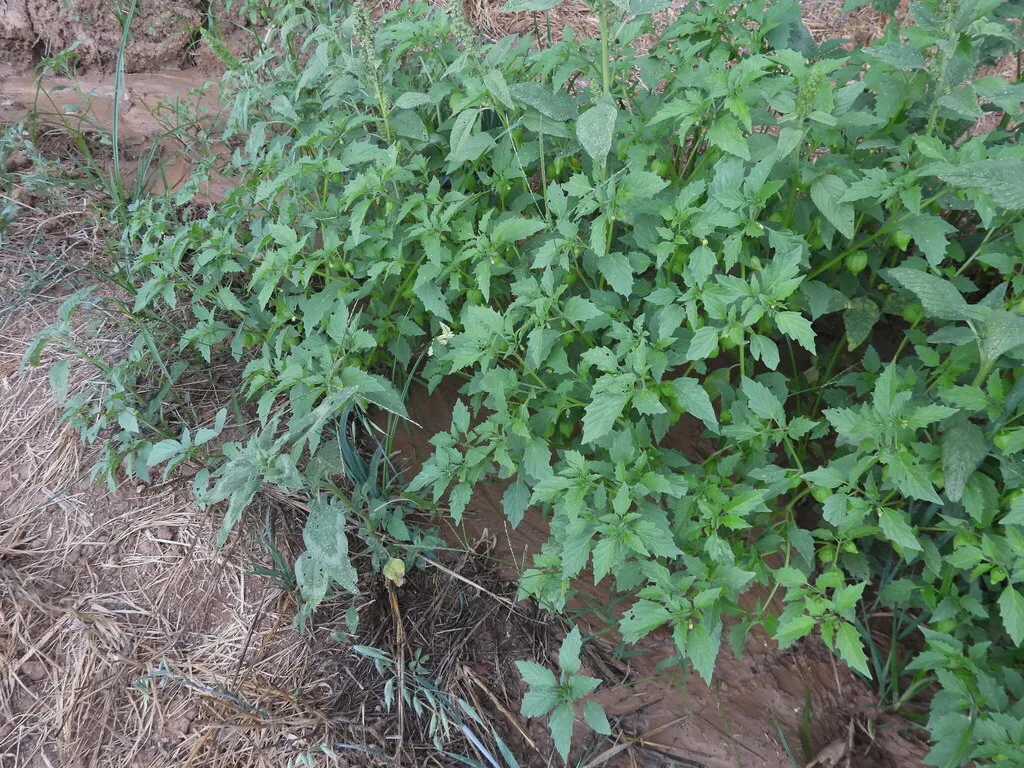
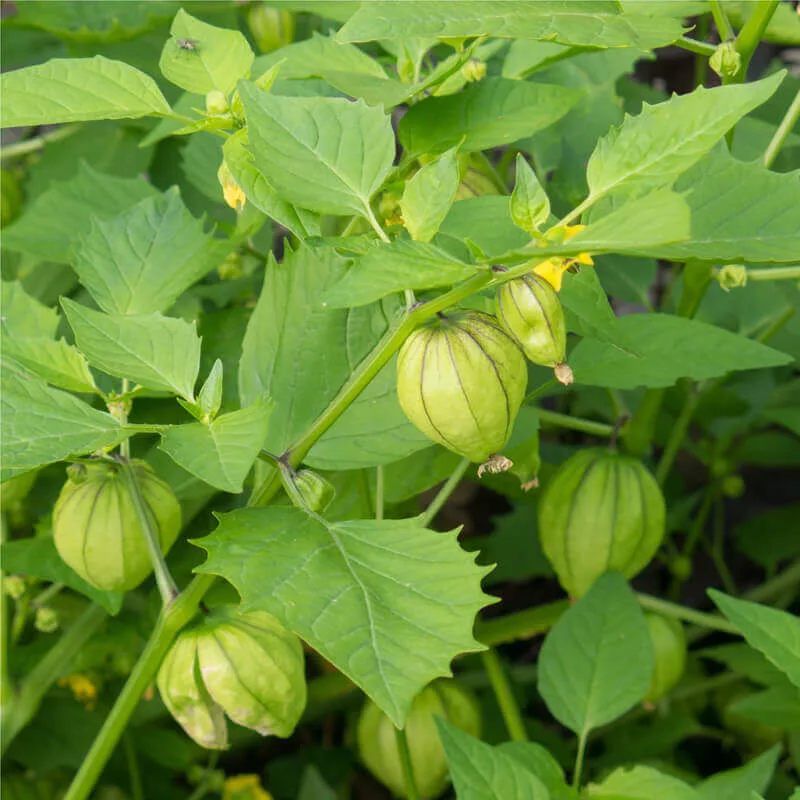
Distribution of tomatillo
Distribution map
Information to be completed
Information to be completed
Culture
Information to be completed
Toxicity
Only the berries are edible, other plant parts can cause mild stomach upset if eaten. Wear gloves and wash hands after handling]
Quick identification of tomatillo
Information to be completed
tomatillo care guide
- Moderate regular watering, avoid prolonged drought or waterlogging
- Watering
- Full sun
- Sunlight
- Information to be completed
- Ideal temperature

Watering
Moderate regular watering, avoid prolonged drought or waterlogging
Fertilizing
 Fertilizing
Balanced feed in spring and light repeat in growth season
Pruning
 Pruning
None required
Propagation
 Propagation
Propagate by seed
Growing
 Growing
Sow seed indoors in early spring. Grow on in a cool greenhouse, or outdoors in milder areas once all risk of frost has passed. Needs well-drained soil in a sunny position and support for the lax branches. Feed every 10-14 days with a balanced liquid fertiliser before switching to a high potassium liquid feed once the first fruits have set
People also ask
Information to be completed
Common pests and diseases
Diseases
Generally problem free
Pests
Generally problem free
Explore the plant health library →




