
chervil
Also known as: common chervil; garden chervil; hedge parsley
An upright annual herb approximately 60cm tall, cultivated for its aromatic leaves. Aniseed-flavoured, lacy, 2- to 3-pinnate leaves. with ovate leaflets are 3-5 cm large. Umbels of small white flowers, 5-7cm across are borne in summer. Chervil is commonly used to season fish dishes and sauces
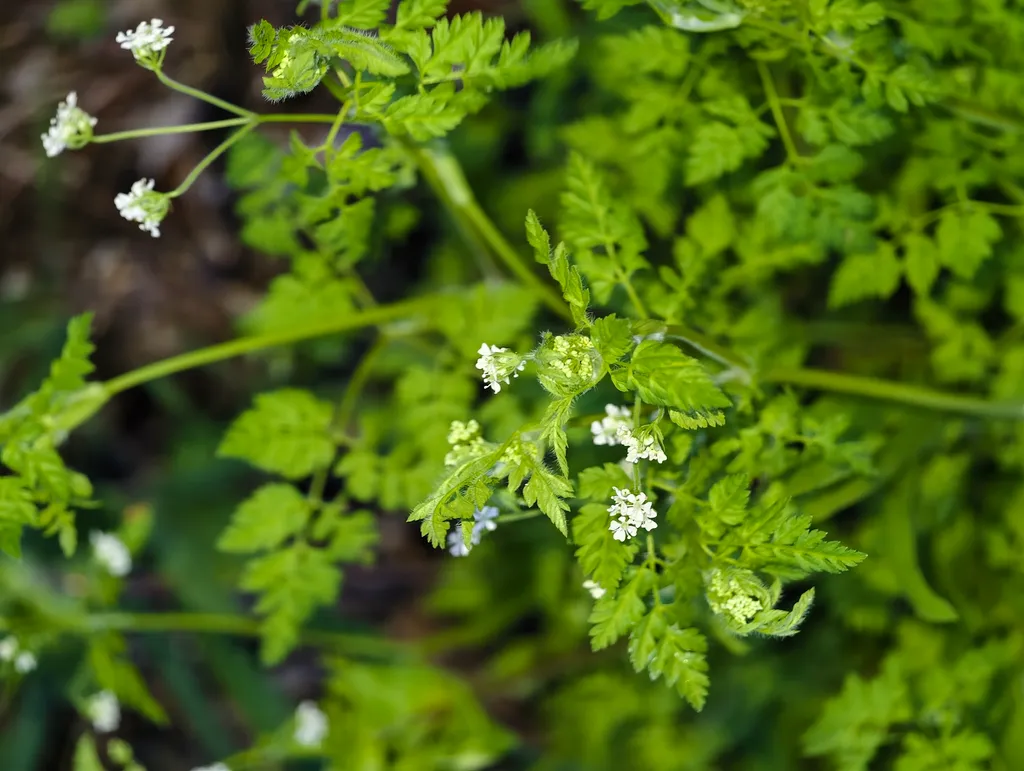
Scientific classification
- Species
- chervil (Anthriscus cerefolium)
- Genus
- Anthriscus
- Family
- Apiaceae
- Information to be completed
- Toxicity
- Annual Biennial · Herbs - Culinary
- Plant type
- 0.1-0.5 metres
- Height
- 0.1-0.5 metres
- Spread
- Deciduous
- Foliage
- Columnar upright
- Habit
- Spring · Summer
- Season of interest
- Full sun · Partial shade
- Sunlight
- Information to be completed
- Ideal temperature









chervil pictures
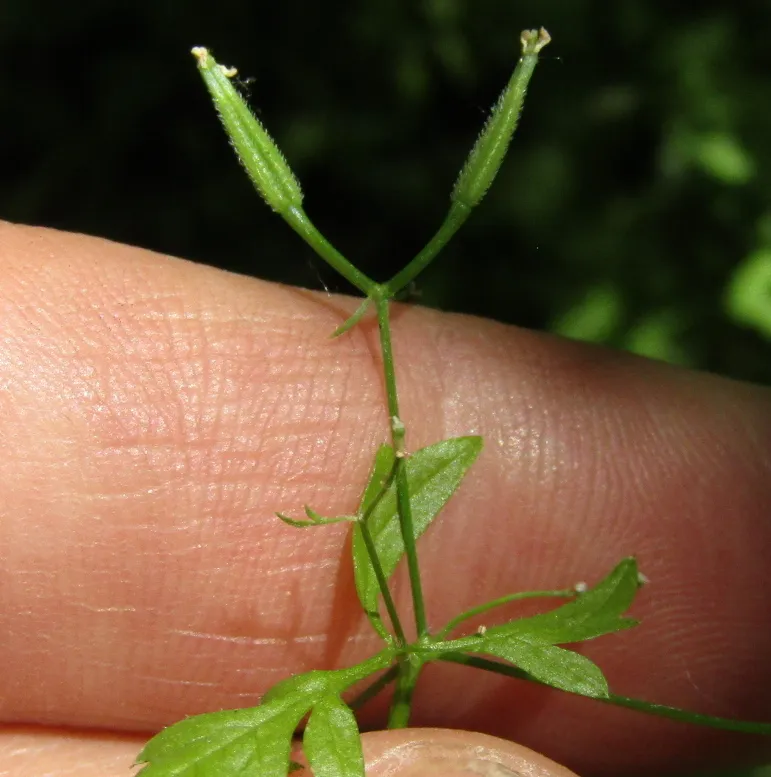
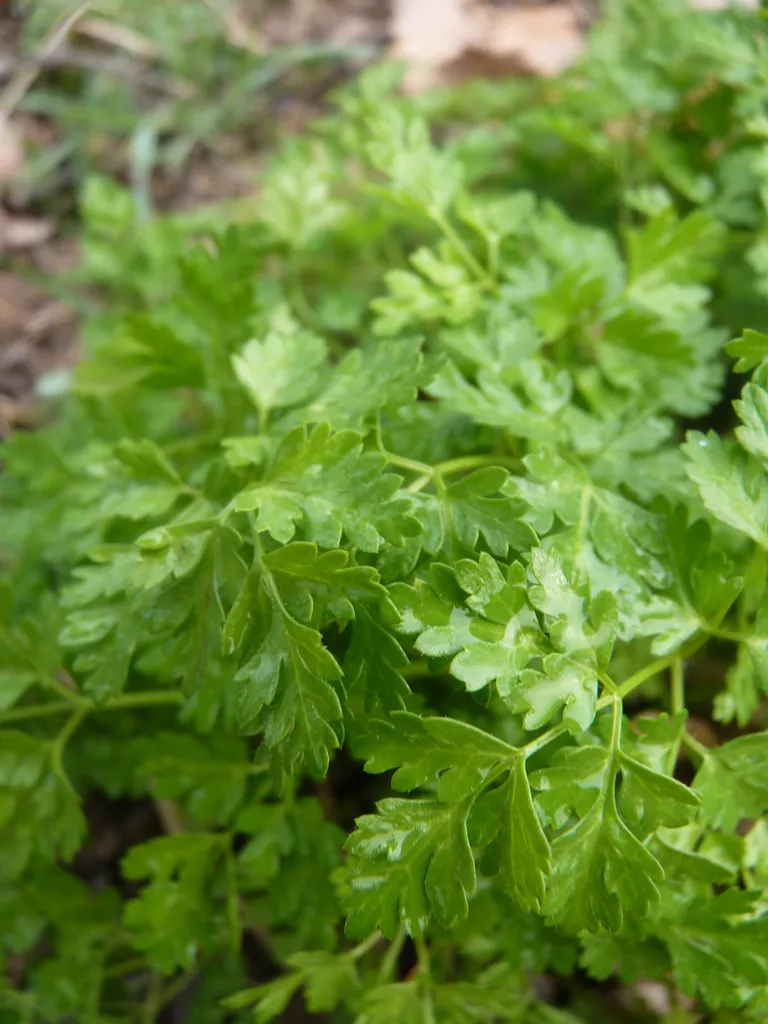
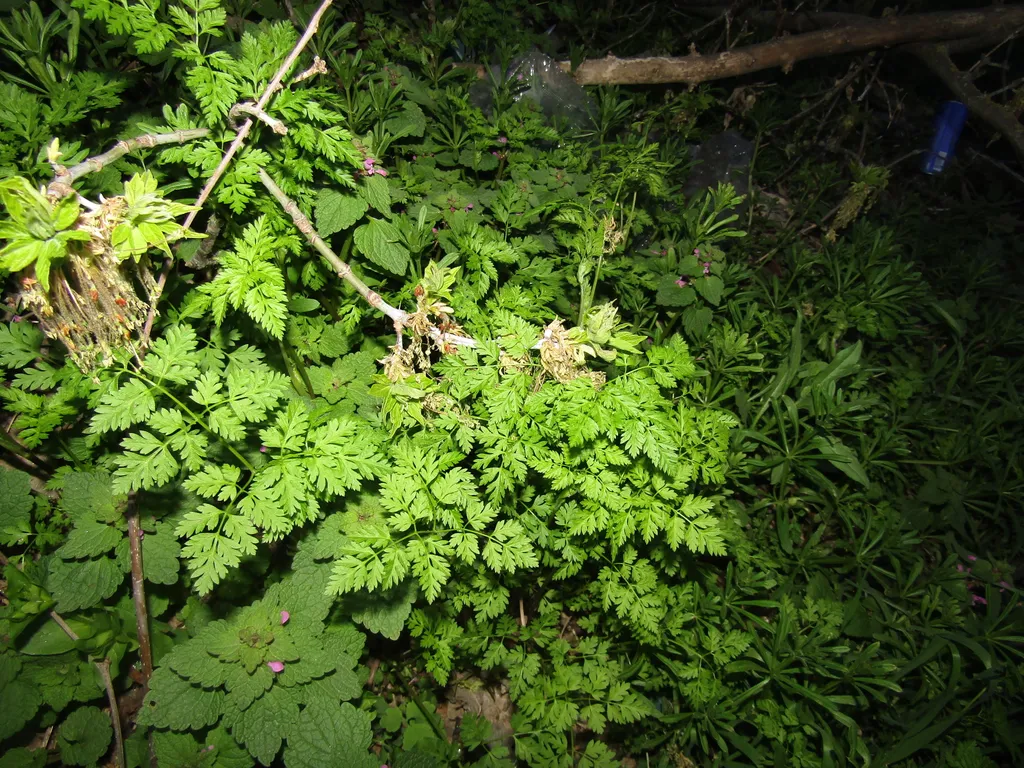
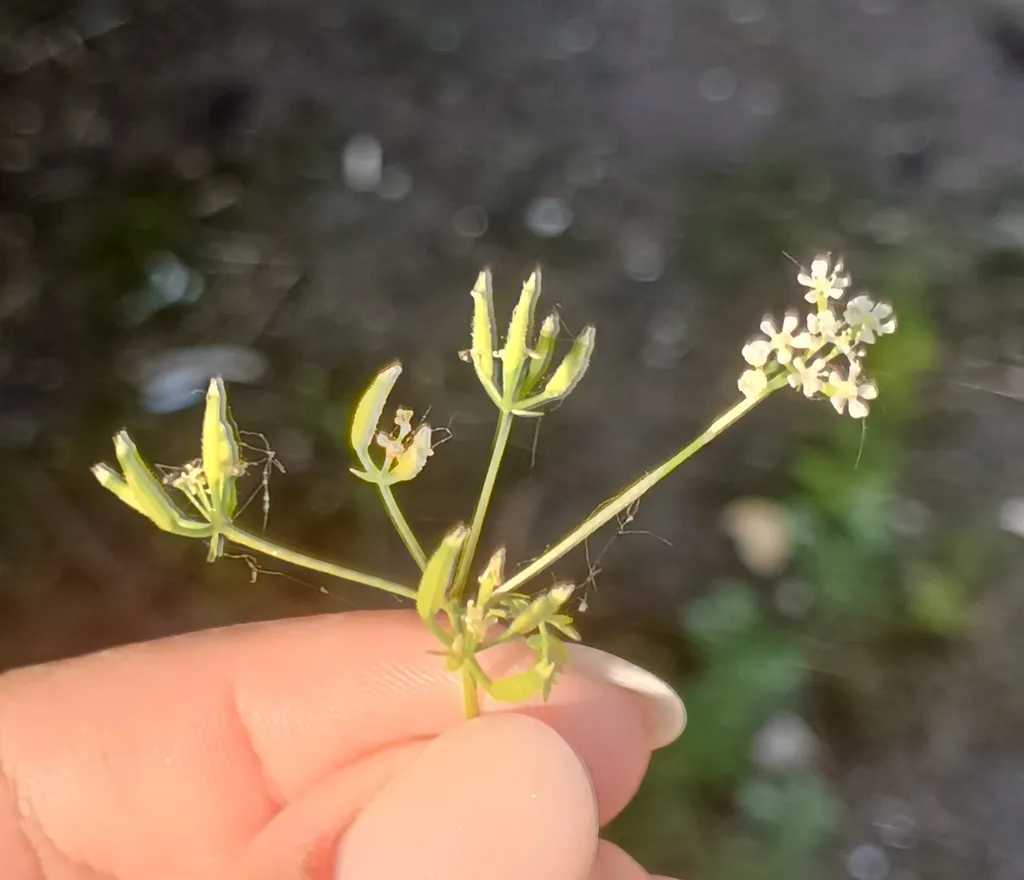
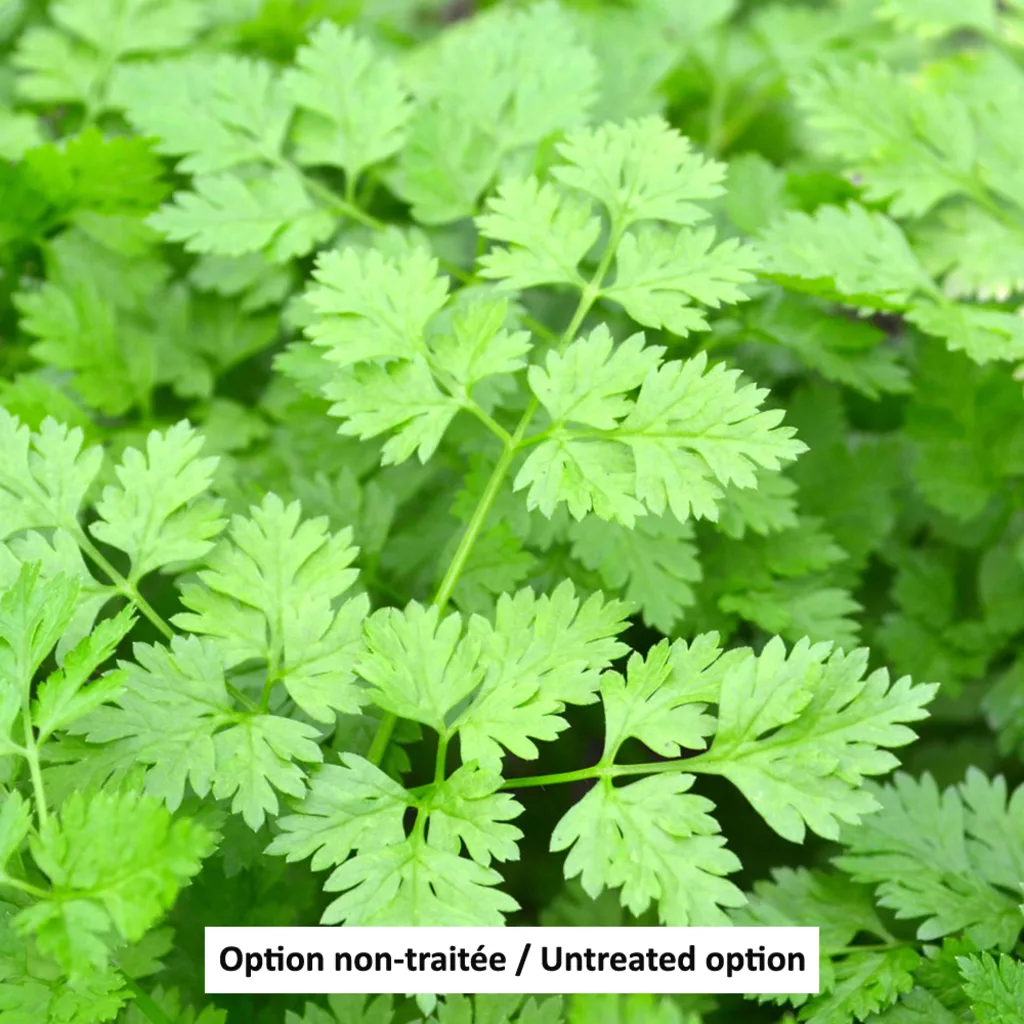
Distribution of chervil
Distribution map
Europe, Western Asia
Information to be completed
Culture
Information to be completed
Toxicity
Information to be completed
Quick identification of chervil
Information to be completed
chervil care guide
- Moderate regular watering, avoid prolonged drought or waterlogging
- Watering
- Full sun · Partial shade
- Sunlight
- Information to be completed
- Ideal temperature

Watering
Moderate regular watering, avoid prolonged drought or waterlogging
Fertilizing
 Fertilizing
Balanced feed in spring and light repeat in growth season
Pruning
 Pruning
Harvest leaves regularly to promote new, fresh growth.
Propagation
 Propagation
Propagate by seed sown in spring and early summer
Growing
 Growing
Grow in any well-drained soil in sun or partial shade. Water plants in dry spells to deter premature flowering. See chervil cultivation for more advice.
People also ask
Information to be completed
Common pests and diseases
Diseases
Generally disease- free
Pests
May be susceptible to slugs, snails and caterpillar damage on young growth
Explore the plant health library →




