
Japanese ginger
Also known as: mioga ginger
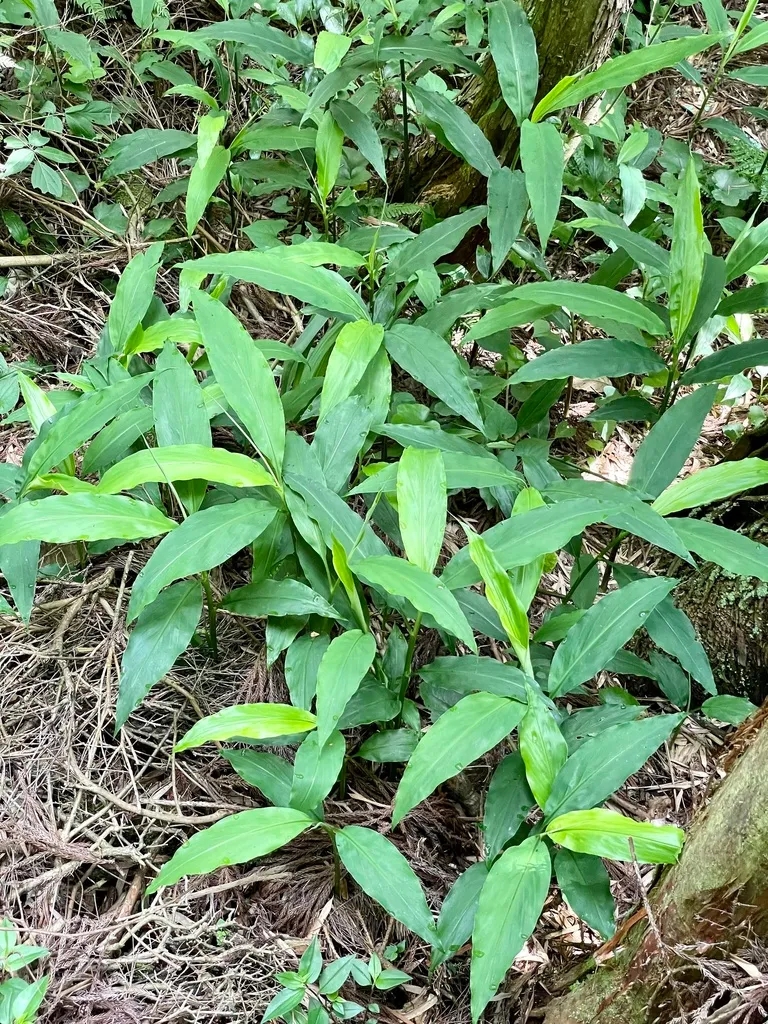
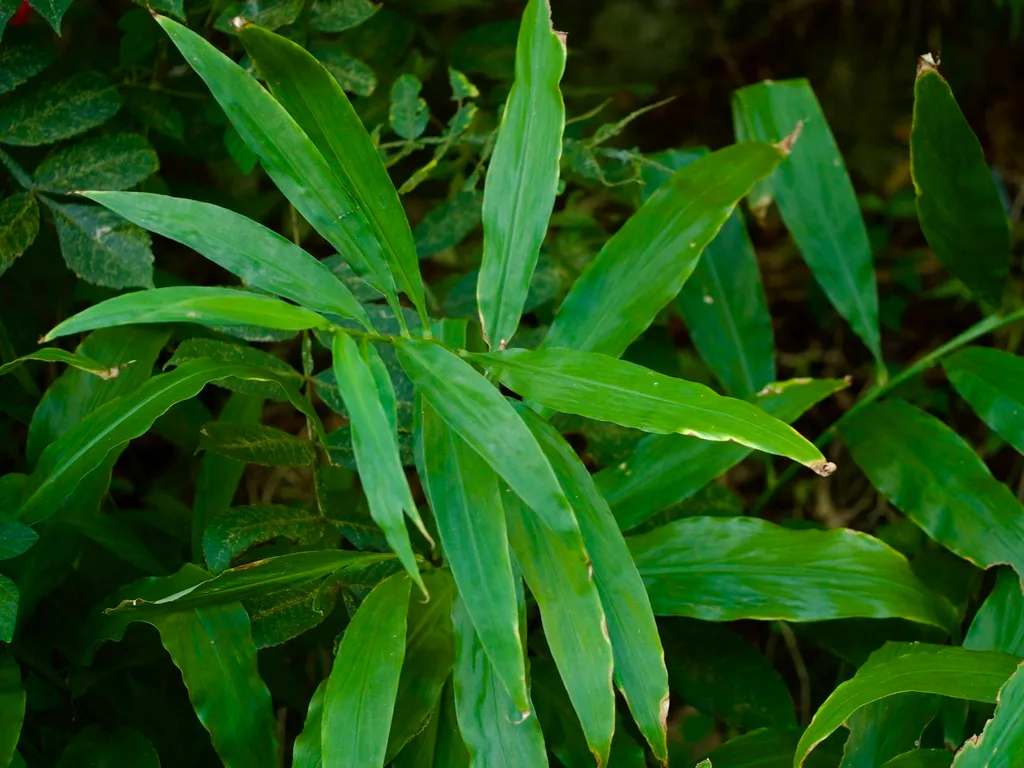
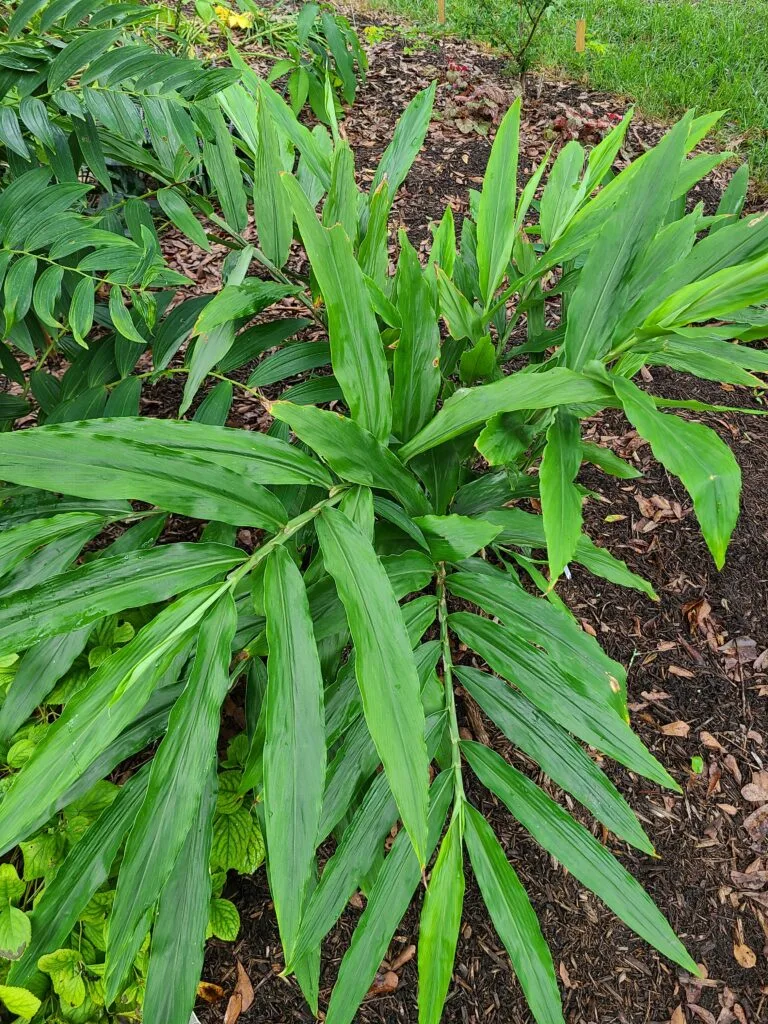
a spreading, rhizomatous perennial with upright stems to about 1m clothed in lance-shaped leaves. Orchid-like, white, cream or yellow flowers appear from large, dark-pink buds at ground level in mid-summer. Dull green fruit follow, splitting open to reveal bright red interiors with black seeds
Scientific classification
- Species
- Japanese ginger (Zingiber mioga)
- Genus
- Zingiber
- Family
- Zingiberaceae
- Information to be completed
- Toxicity
- Herbaceous Perennial
- Plant type
- 0.5-1 metres
- Height
- 0.5-1 metres
- Spread
- Deciduous
- Foliage
- Columnar upright
- Habit
- Spring · Summer · Autumn
- Season of interest
- Full sun · Partial shade
- Sunlight
- Information to be completed
- Ideal temperature









Japanese ginger pictures
Distribution of Japanese ginger
Distribution map
Japan
Information to be completed
Culture
Information to be completed
Toxicity
Information to be completed
Quick identification of Japanese ginger
Information to be completed
Japanese ginger care guide
- Moderate regular watering, avoid prolonged drought or waterlogging
- Watering
- Full sun · Partial shade
- Sunlight
- Information to be completed
- Ideal temperature

Watering
Moderate regular watering, avoid prolonged drought or waterlogging
Fertilizing
 Fertilizing
Balanced feed in spring and light repeat in growth season
Pruning
 Pruning
No pruning needed
Propagation
 Propagation
Propagate by division of well-established plants in early spring, or by separating and replanting sections of rhizome 15-20cm long in spring or early summer
Growing
 Growing
Grow in rich, organic, well-drained, acid or neutral soil in sun or partial shade
People also ask
Information to be completed
Common pests and diseases
Diseases
May be affected by fungal root rots, and a virus
Pests
May be affected by slugs and snails, scale insects and glasshouse red spider mite
Explore the plant health library →




