
common polypody
Also known as: adder's fern; brake root; eastern polypody; ever fern; golden locks; golden maidenhair; lady's milk; polypody; wall fern; word fern
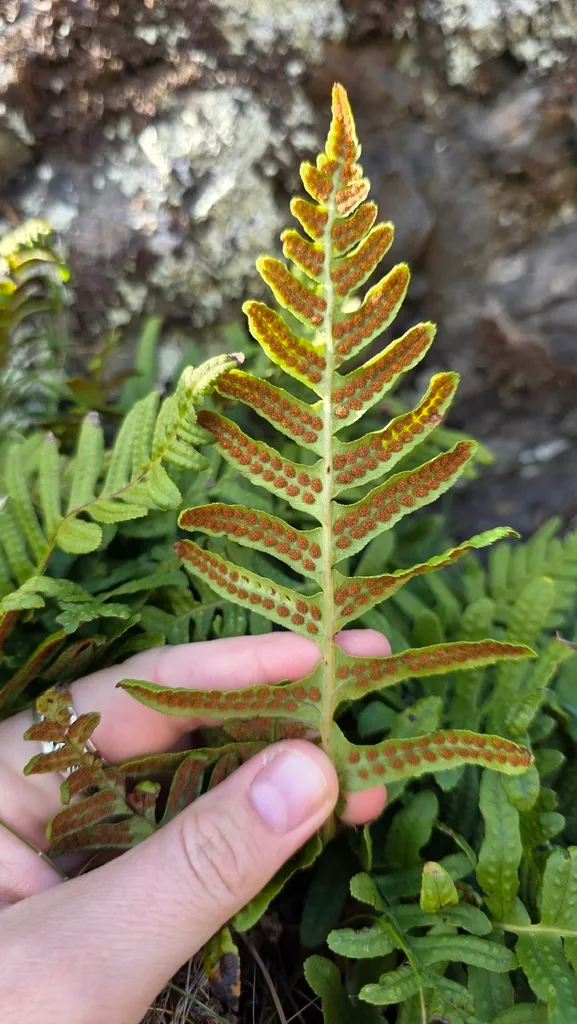
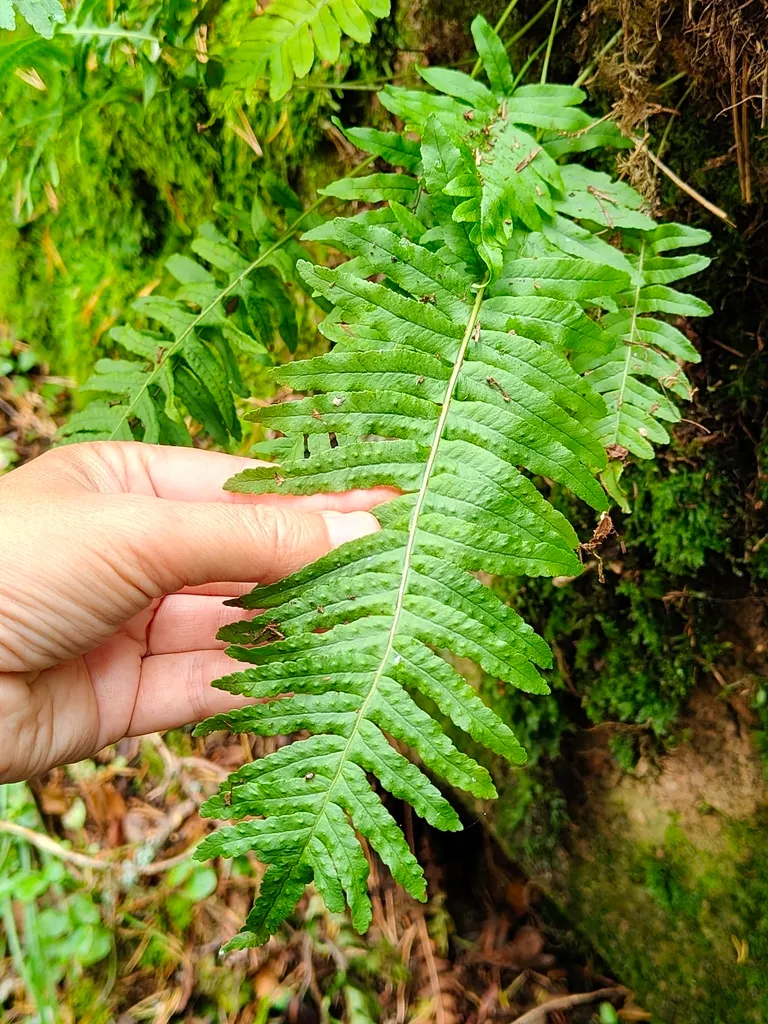
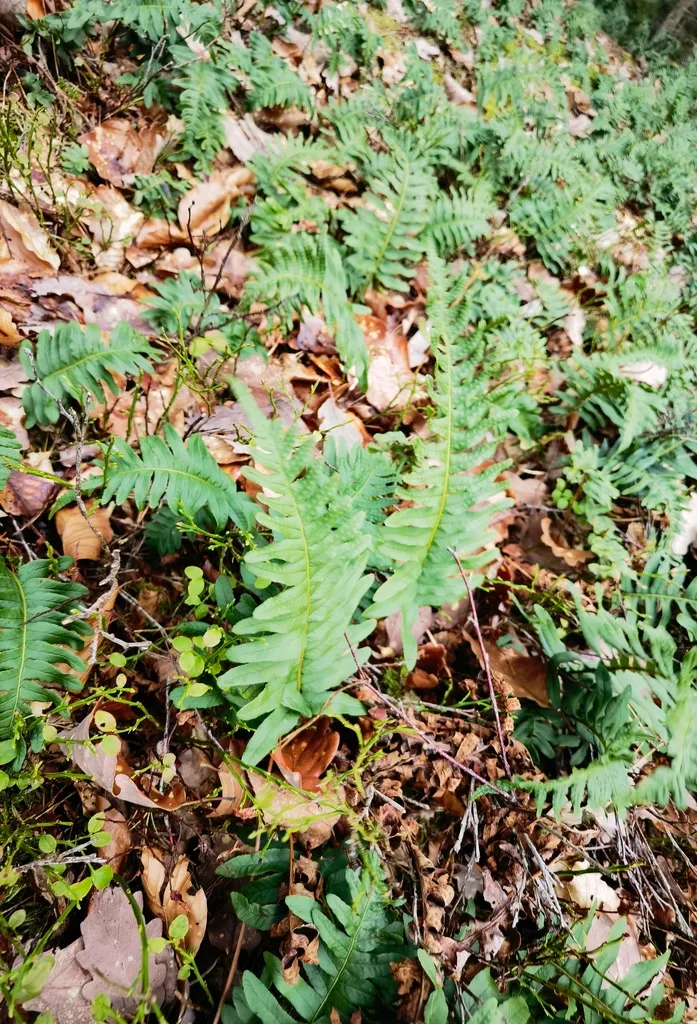
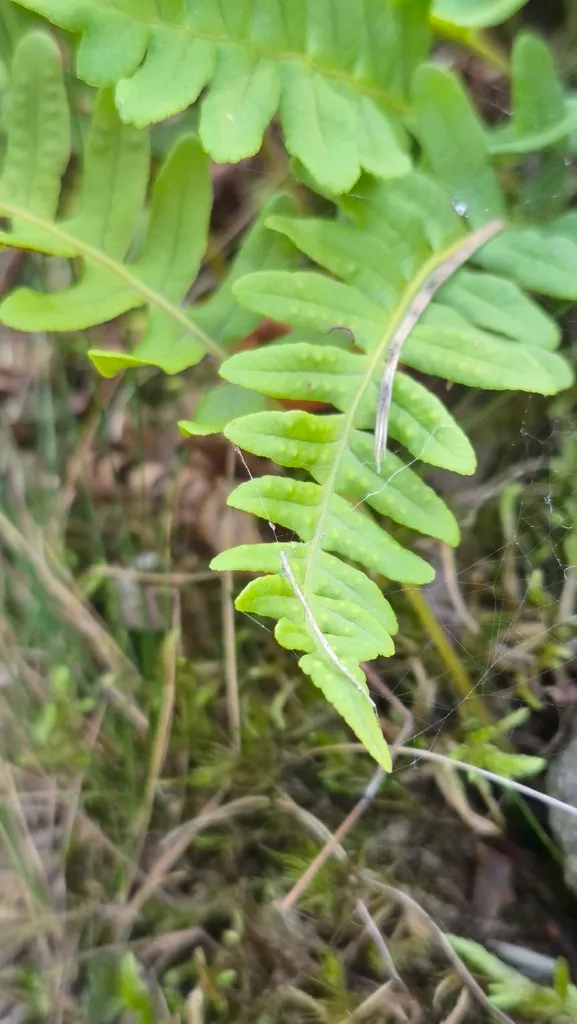
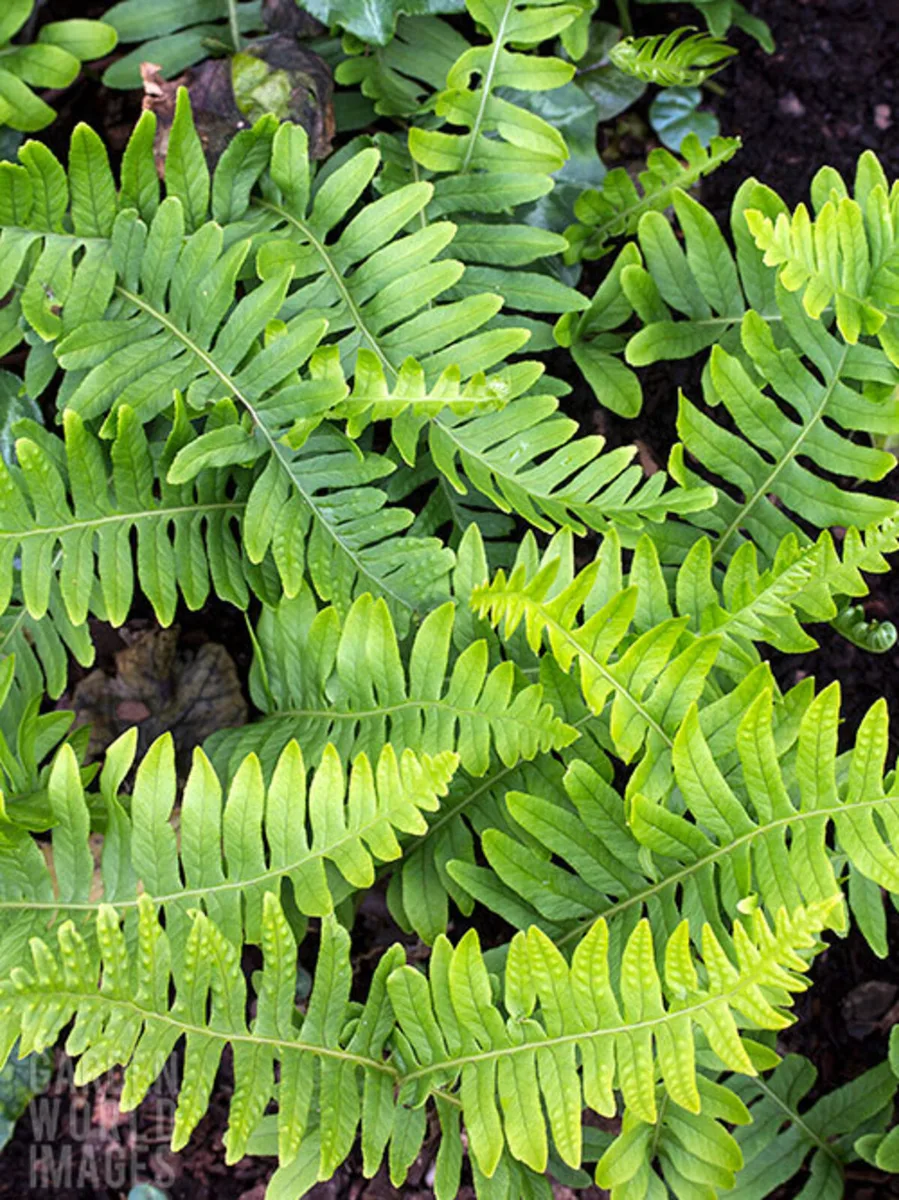
P. vulgare is an evergreen terrestrial or epiphytic fern, to 30cm tall, with creeping rhizomes and lance-shaped to oblong, pinnate or very deeply pinnatifid dark green fronds
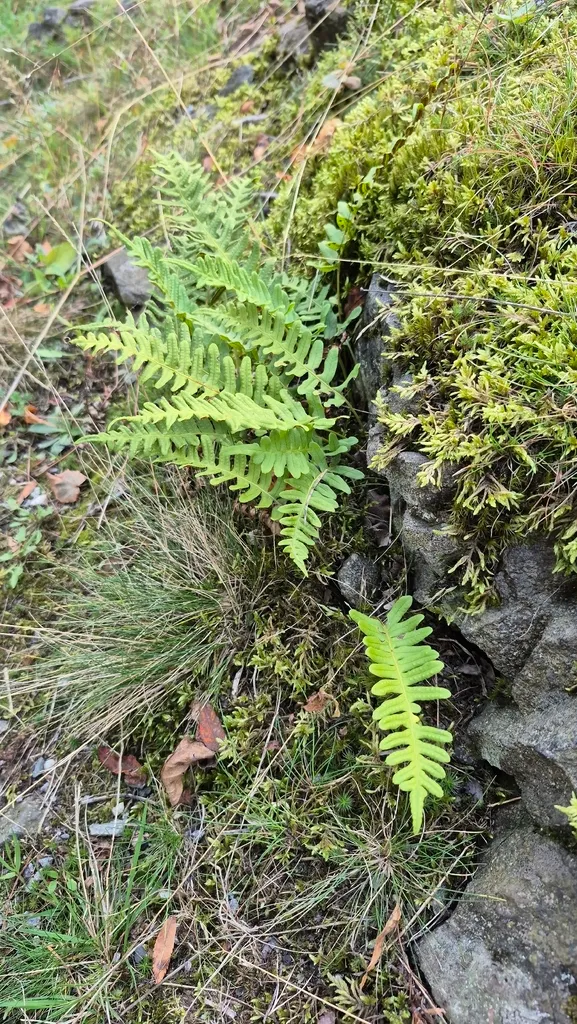
Scientific classification
- Species
- common polypody (Polypodium vulgare)
- Genus
- Polypodium
- Family
- Polypodiaceae
- Information to be completed
- Toxicity
- Ferns
- Plant type
- 0.1-0.5 metres
- Height
- 0.5-1 metres
- Spread
- Evergreen
- Foliage
- Matforming
- Habit
- Spring · Summer · Autumn · Winter
- Season of interest
- Full sun · Partial shade
- Sunlight
- Information to be completed
- Ideal temperature









common polypody pictures
Distribution of common polypody
Distribution map
Eurasia
Information to be completed
Culture
Information to be completed
Toxicity
Information to be completed
Quick identification of common polypody
Information to be completed
common polypody care guide
- Keep soil consistently moist with higher humidity and no hot drying winds
- Watering
- Full sun · Partial shade
- Sunlight
- Information to be completed
- Ideal temperature

Watering
Keep soil consistently moist with higher humidity and no hot drying winds
Fertilizing
 Fertilizing
Very dilute fern feed monthly during warm active frond growth
Pruning
 Pruning
Dead or damaged fronds may be removed as necessary
Propagation
 Propagation
Propagate by division in spring or early summer. Sow spores at 15-16°C when ripe
Growing
 Growing
Easy to grow in moderately fertile, moist but well-drained or drier soils in sunny or lightly-shaded sites. Tolerant of dry shade but water regularly in their first season and mulch well
People also ask
Information to be completed
Common pests and diseases
Diseases
Generally disease free outdoors
Pests
Generally pest-free outdoors
Explore the plant health library →




