
Hooker's onion
Also known as: Information to be completed
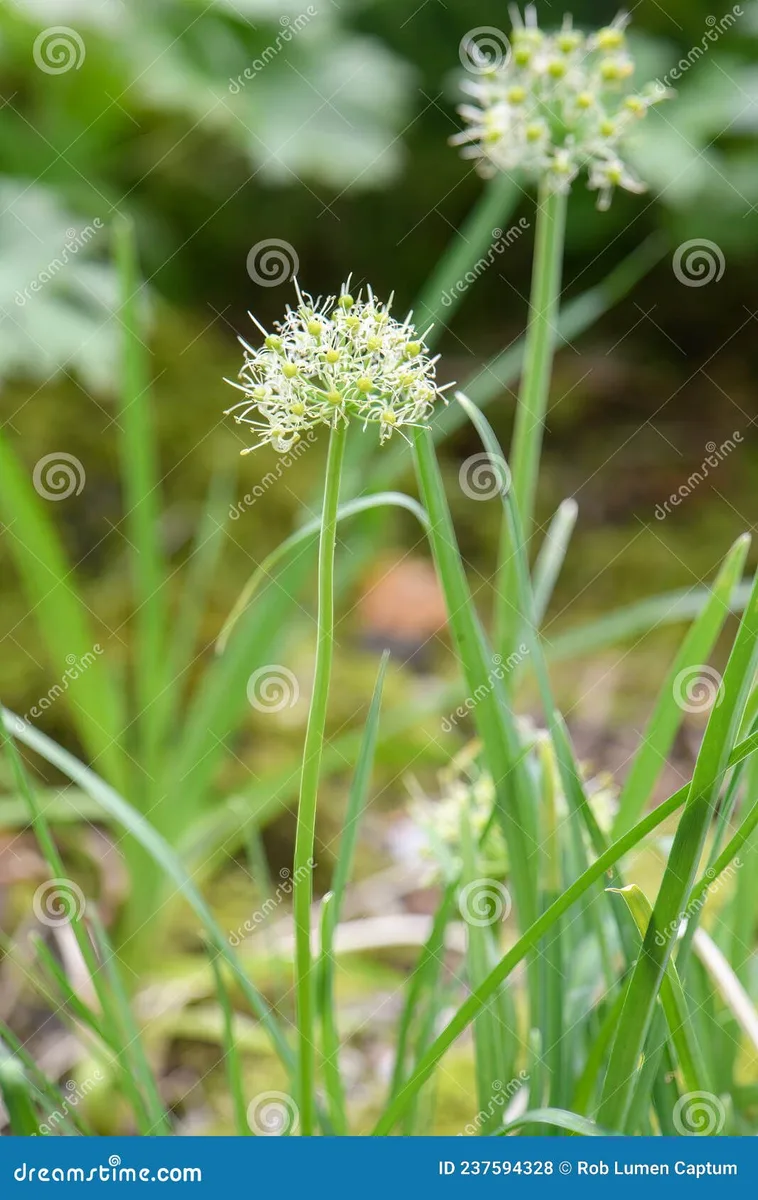
Edible, bulbous perennial to 60cm high also grown as an ornamental, with linear, flat leaves to 1cm wide and, in summer, small umbels of white to greenish-yellow flowers. The plant is widely used for culinary purposes throughout much of south Asia
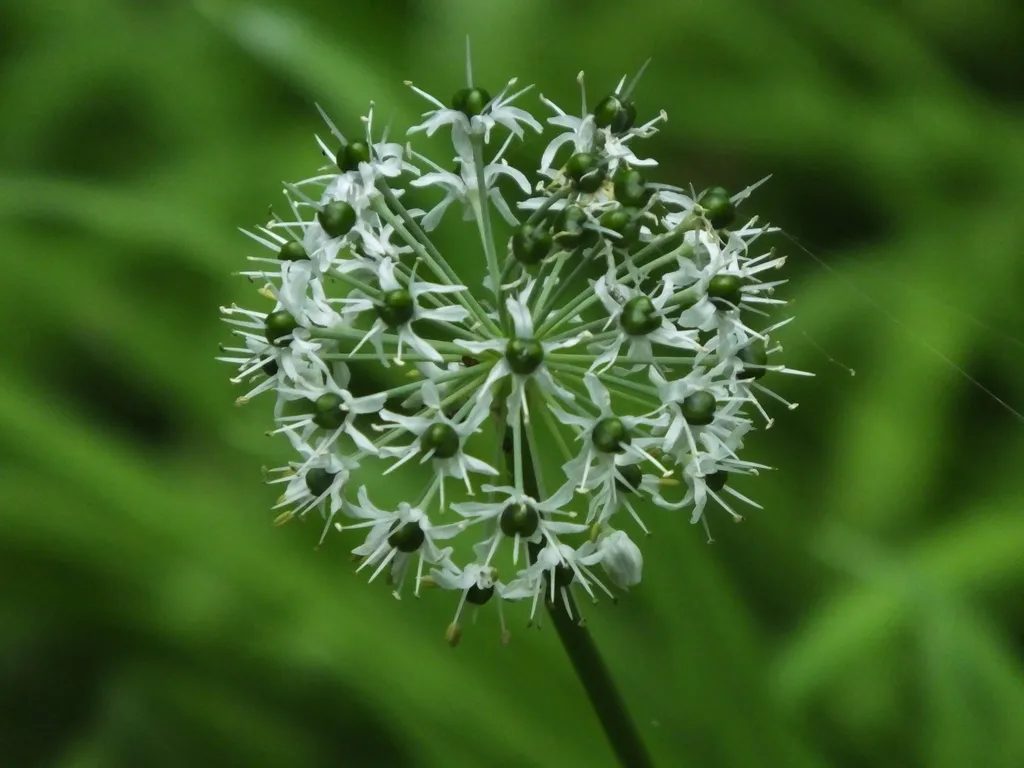
Scientific classification
- Species
- Hooker's onion (Allium hookeri)
- Genus
- Allium
- Family
- Amaryllidaceae
- Information to be completed
- Toxicity
- Bulbs · Herbs - Culinary
- Plant type
- 0.5-1 metres
- Height
- 0.1-0.5 metres
- Spread
- Deciduous
- Foliage
- Clump forming
- Habit
- Spring · Summer
- Season of interest
- Full sun
- Sunlight
- Information to be completed
- Ideal temperature









Hooker's onion pictures
Distribution of Hooker's onion
Distribution map
Himalaya, Western China
Information to be completed
Culture
Information to be completed
Toxicity
Information to be completed
Quick identification of Hooker's onion
Information to be completed
Hooker's onion care guide
- Even mild soil dampness, allow minor surface drying between soaks
- Watering
- Full sun
- Sunlight
- Information to be completed
- Ideal temperature

Watering
Even mild soil dampness, allow minor surface drying between soaks
Fertilizing
 Fertilizing
All-purpose diluted vegetable feed monthly spring summer months
Pruning
 Pruning
No pruning required, other than to remove old flowered stems and foliage
Propagation
 Propagation
Propagate by seed when just ripe or in spring; or propagate by offsets which can be carefully detached by lifting the bulb after flowering has finished. See bulb propagation
Growing
 Growing
Grow in full sun and fertile well-drained soil. It is best to grow in containers where garden soil is heavy clay and prone to saturation over winter. See allium cultivation
People also ask
Information to be completed
Common pests and diseases
Diseases
May be susceptible to onion white rot, and onion downy mildew
Pests
May be susceptible to allium leaf miner and onion fly
Explore the plant health library →




