iris 'Pixie'
Also known as: Information to be completed
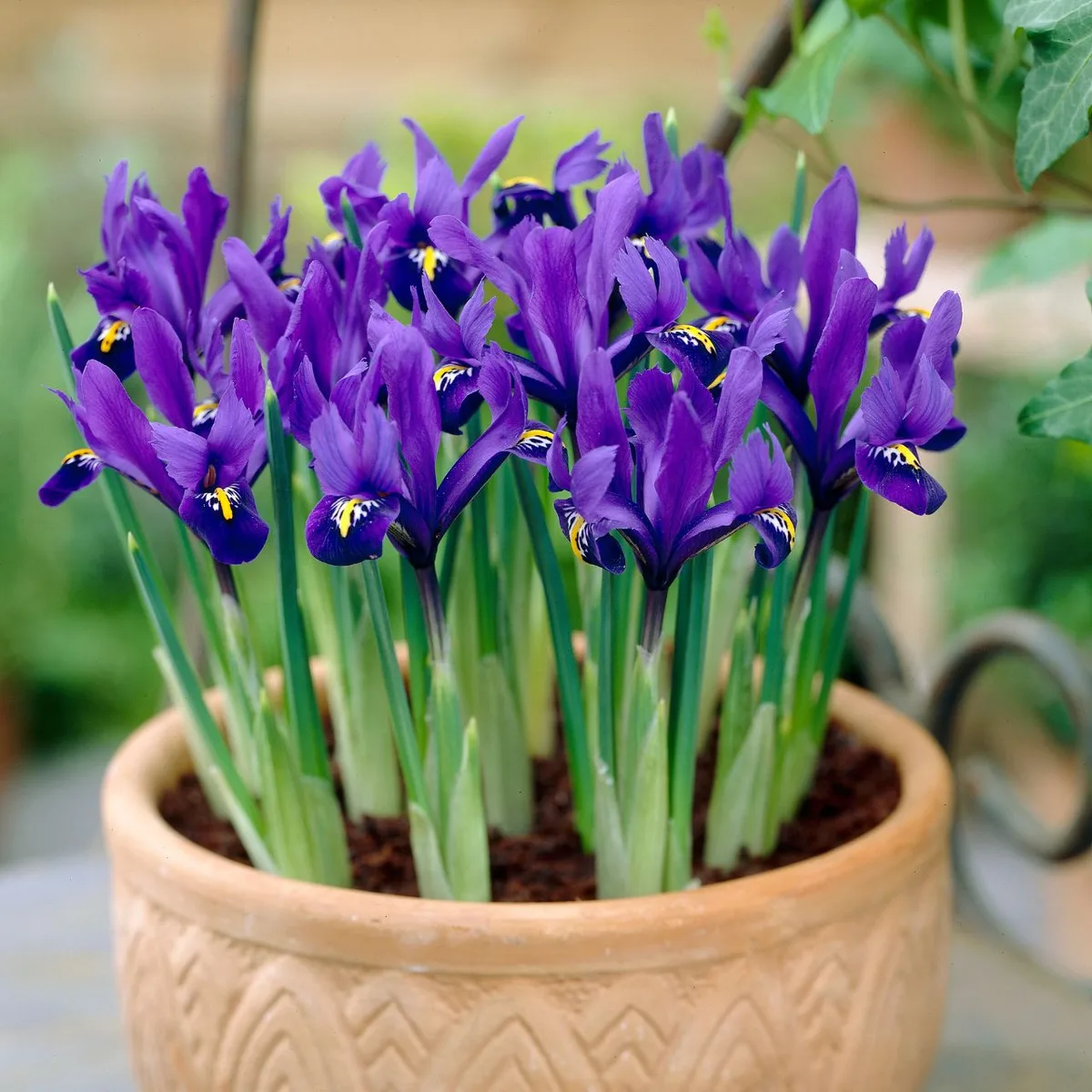
Pixie' produces dark violet-blue flowers with white and yellow markings
Scientific classification
- Species
- iris 'Pixie' (Iris 'Pixie')
- Genus
- Iris
- Family
- Iridaceae
- Order
- Asparagales
- Class
- Liliopsida
- Phylum
- Magnoliophyta
- Harmful if eaten. Wear gloves and other protective equipment when handling
- Toxicity
- Bulbs
- Plant type
- Up to 10 cm
- Height
- 0-0.1 metre
- Spread
- Deciduous
- Foliage
- Tufted
- Habit
- Spring · Winter
- Season of interest
- Full sun
- Sunlight
- Information to be completed
- Ideal temperature









iris 'Pixie' pictures
Toxicity
Harmful if eaten. Wear gloves and other protective equipment when handling
iris 'Pixie' care guide
- Medium moisture in growth, then drier once flowering fully finishes
- Watering
- Full sun
- Sunlight

Watering
Medium moisture in growth, then drier once flowering fully finishes
Fertilizing
 Fertilizing
Diluted iris feed every three to four weeks during spring bloom
Pruning
 Pruning
No pruning required
Propagation
 Propagation
Propagate by seed, sown in pots in a cold frame in autumn or spring, but cultivars may not come true. Lift and separate bulbs in early autumn
Growing
 Growing
Grow in well-drained neutral or slightly alkaline soil, preferably in a sunny spot. See bulb iris cultivation
Common pests and diseases
Diseases
May be susceptible to aphid-borne viruses, bacterial soft rot and grey moulds; see Iris diseases
Pests
May be susceptible to slugs, snails and thrips
Explore the plant health library →