
hardy Persian shield
Also known as: cane head; kandali; Kashmir acanthus; Wallich's cane head; Wallich's conehead; wild petunia
An upright perennial to around 50cm high, with a woody base, gently creeping roots, and slender, angled stems bearing pairs of elliptic to lance-shaped green leaves with serrated edges. In late summer, tubular purple-blue flowers, curved over at the tips, are borne singly or in pairs on leafy stems
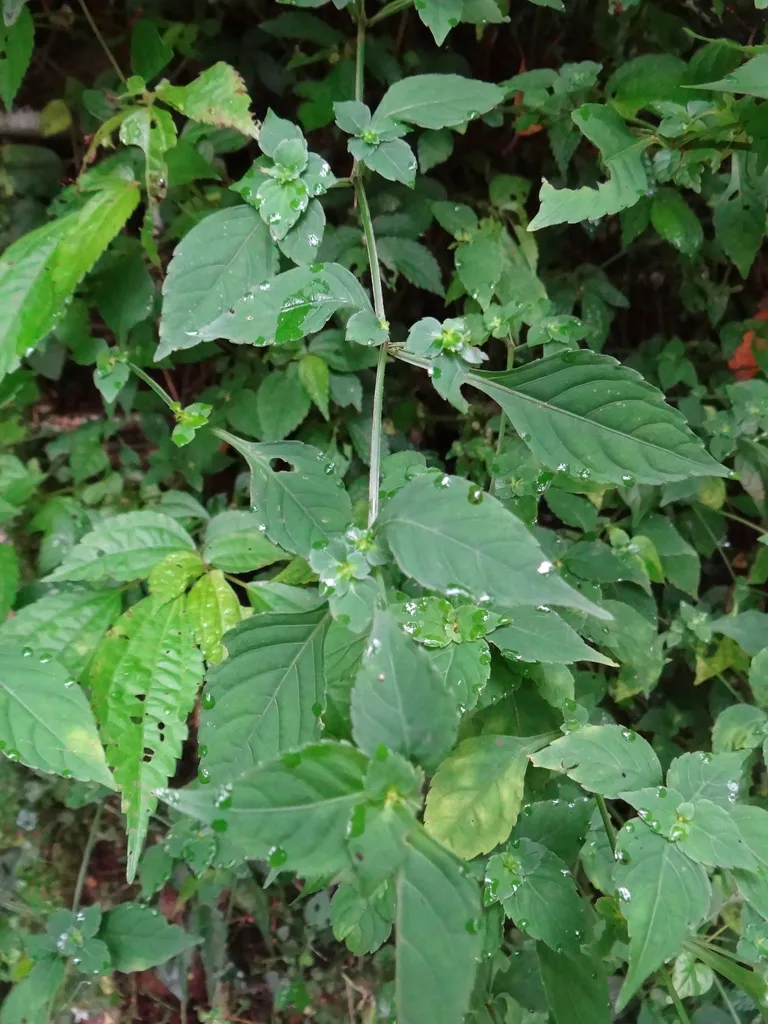
Scientific classification
- Species
- hardy Persian shield (Strobilanthes wallichii)
- Genus
- Strobilanthes
- Family
- Acanthaceae
- Information to be completed
- Toxicity
- Herbaceous Perennial
- Plant type
- 0.1-0.5 metres
- Height
- 0.1-0.5 metres
- Spread
- Deciduous
- Foliage
- Bushy
- Habit
- Spring · Summer · Autumn
- Season of interest
- Full sun · Partial shade
- Sunlight
- Information to be completed
- Ideal temperature









hardy Persian shield pictures
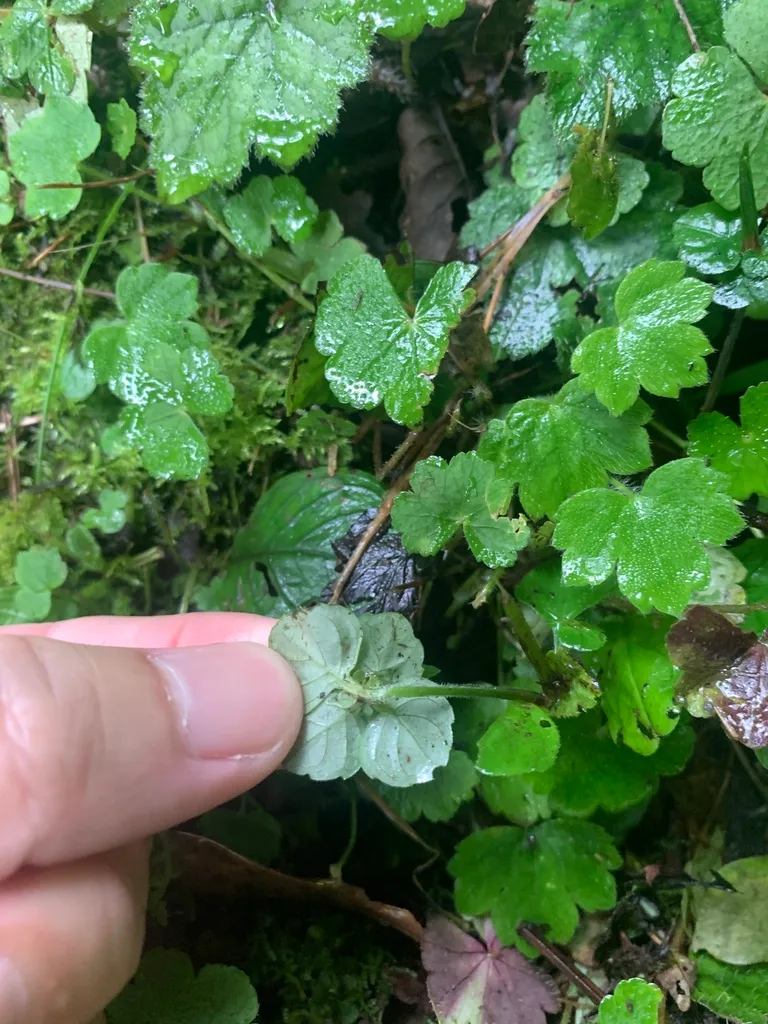
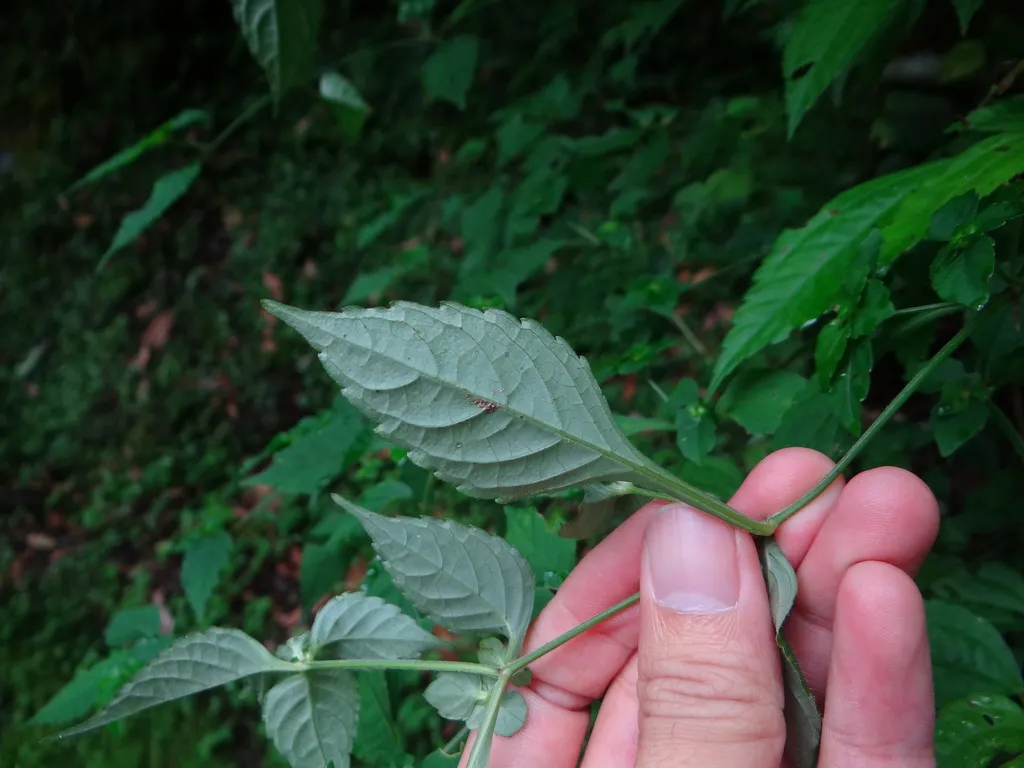
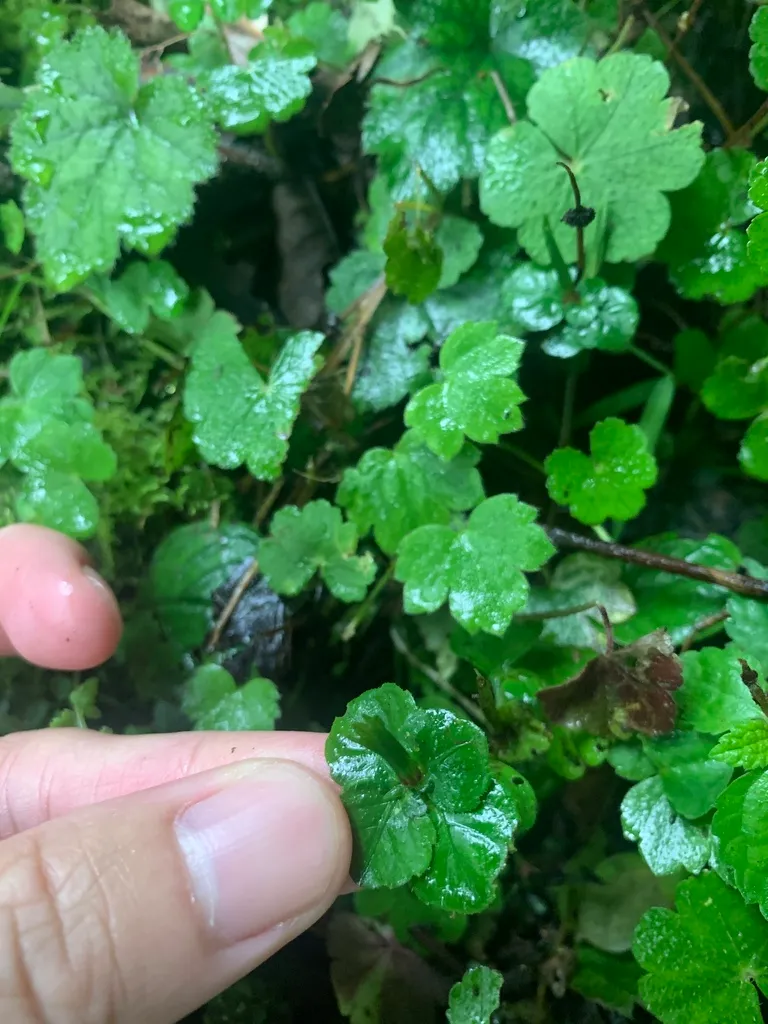
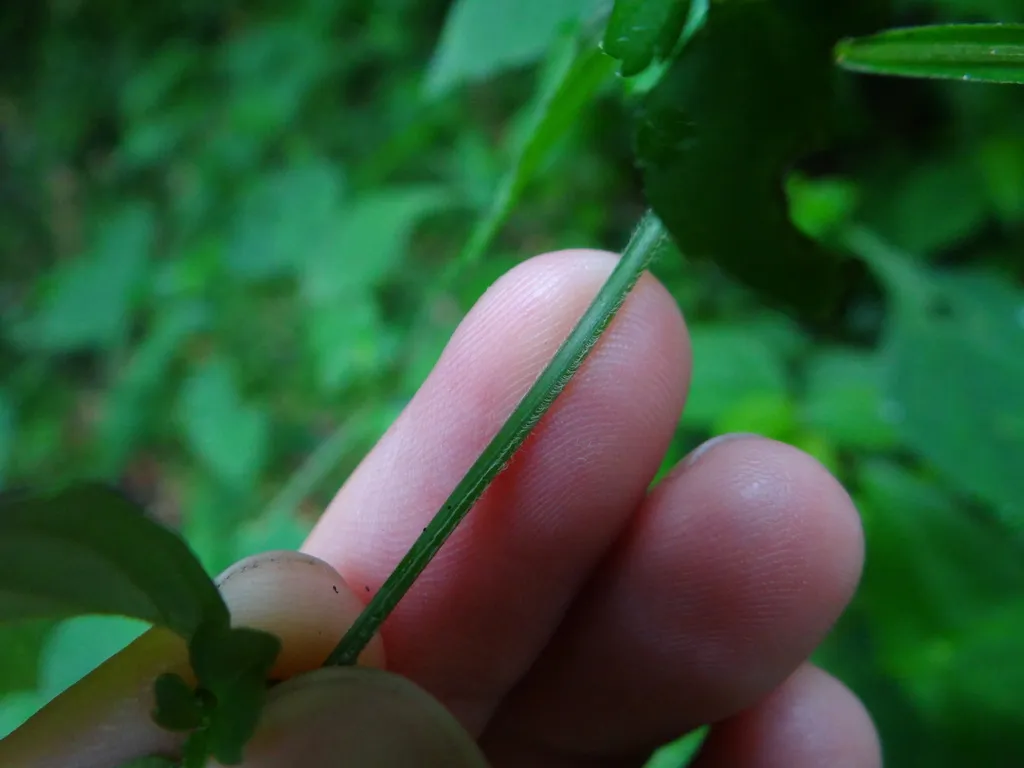
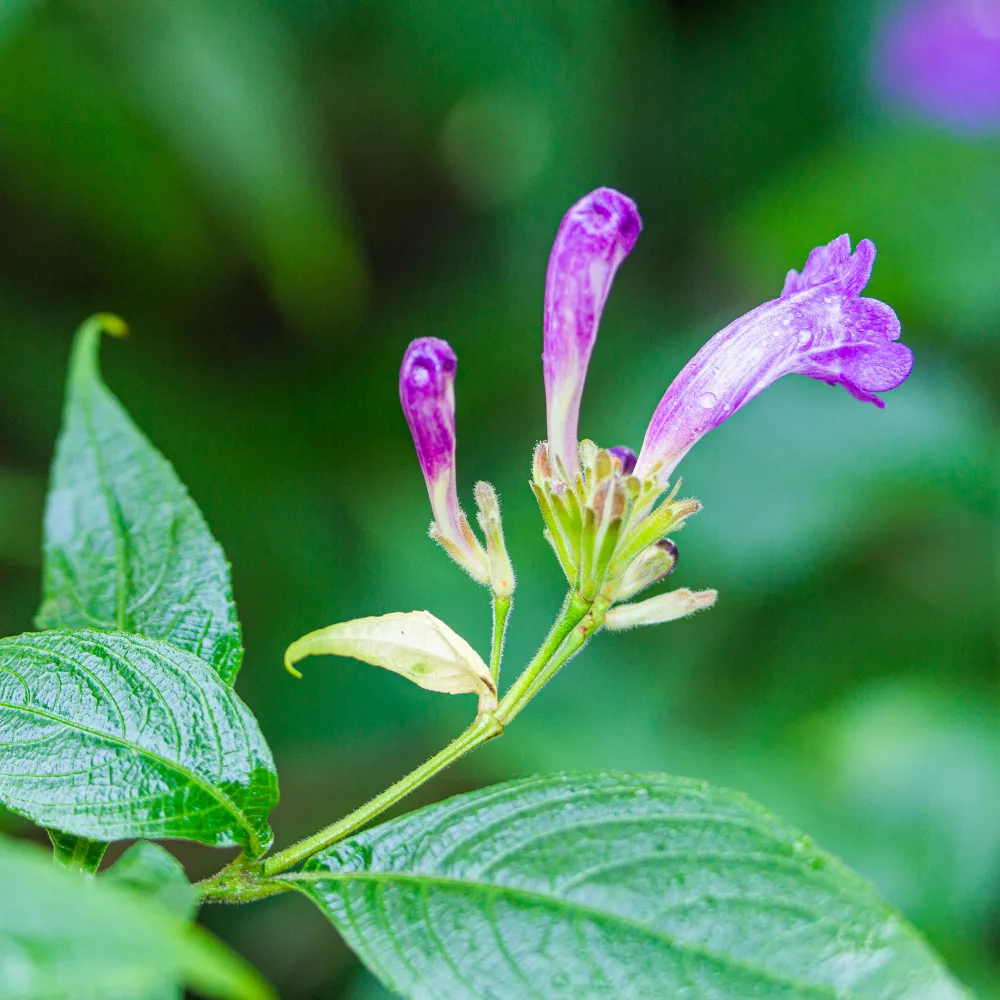
Distribution of hardy Persian shield
Distribution map
Himalaya China
Information to be completed
Culture
Information to be completed
Toxicity
Information to be completed
Quick identification of hardy Persian shield
Information to be completed
hardy Persian shield care guide
- Moderate regular watering, allowing brief slight drying between soakings
- Watering
- Full sun · Partial shade
- Sunlight
- Information to be completed
- Ideal temperature

Watering
Moderate regular watering, allowing brief slight drying between soakings
Fertilizing
 Fertilizing
Balanced perennial feed every four weeks from spring through summer
Pruning
 Pruning
No pruning required
Propagation
 Propagation
Propagate by seed, sown at 13-18°C in spring, or by basal or softwood cuttings in spring or early summer, with bottom heat
Growing
 Growing
Grow in light, fertile, free-draining soil in full sun or part shade. May benefit from mulching in winter
People also ask
Information to be completed
Common pests and diseases
Diseases
Generally disease-free
Pests
May be susceptible to red spider mite
Explore the plant health library →




