
blood root
Also known as: ewe daisy; septfoil; tormentil
A creeping, clump-forming perennial wildflower with deeply cut green leaves that hug the ground. Bright yellow flowers are borne on long stalks up to 60cm high from May to October
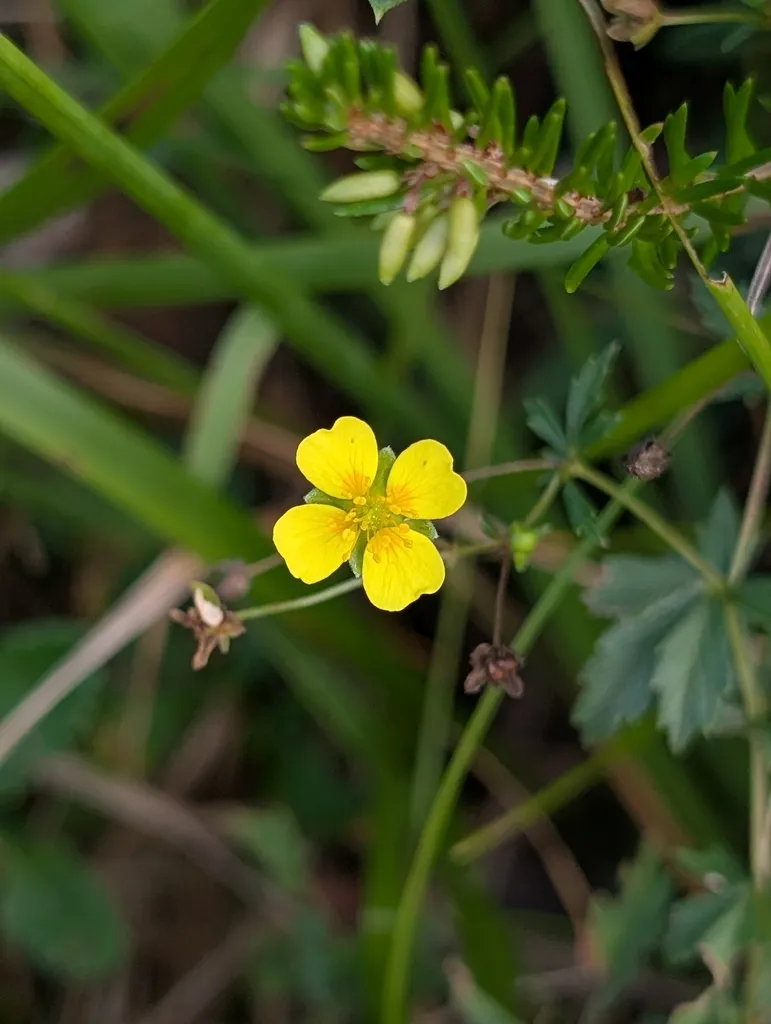
Scientific classification
- Species
- blood root (Potentilla erecta)
- Genus
- Potentilla
- Family
- Rosaceae
- Order
- Rosales
- Class
- Magnoliopsida
- Phylum
- Magnoliophyta
- Fruit are ornamental - not to be eaten. Wear gloves and other protective equipment when handling
- Toxicity
- Herbaceous Perennial
- Plant type
- 0.1-0.5 metres
- Height
- 0.5-1 metres
- Spread
- Deciduous · Semi evergreen
- Foliage
- Clump forming
- Habit
- Spring · Summer · Autumn
- Season of interest
- Full sun
- Sunlight
- Information to be completed
- Ideal temperature









blood root pictures
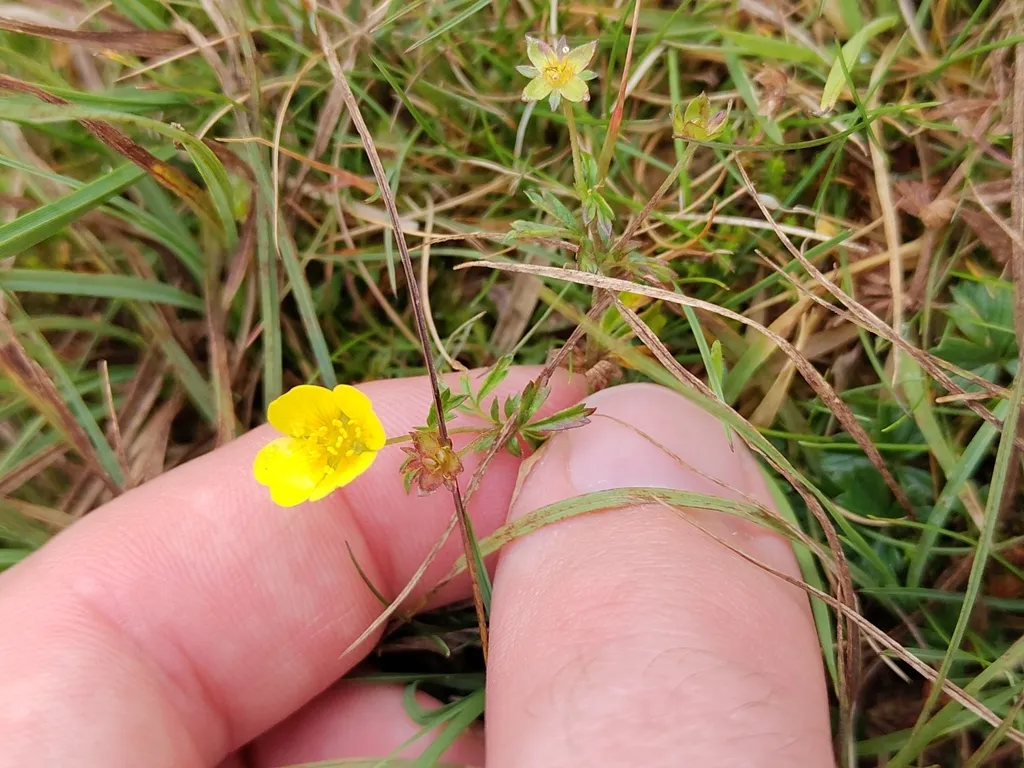
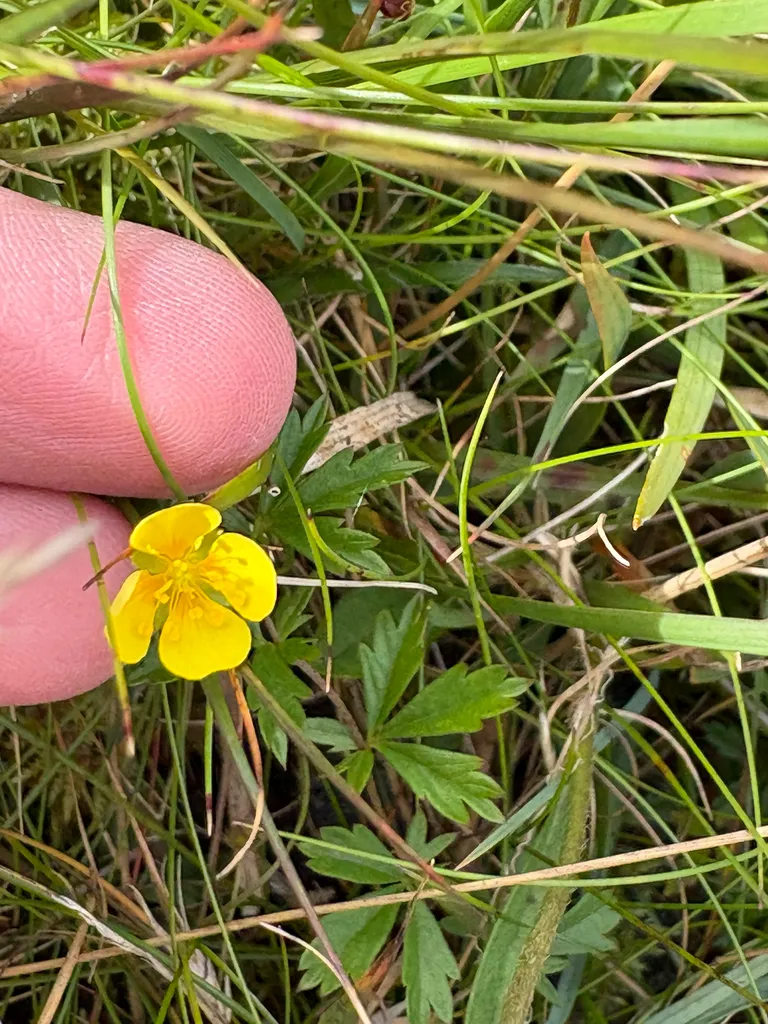
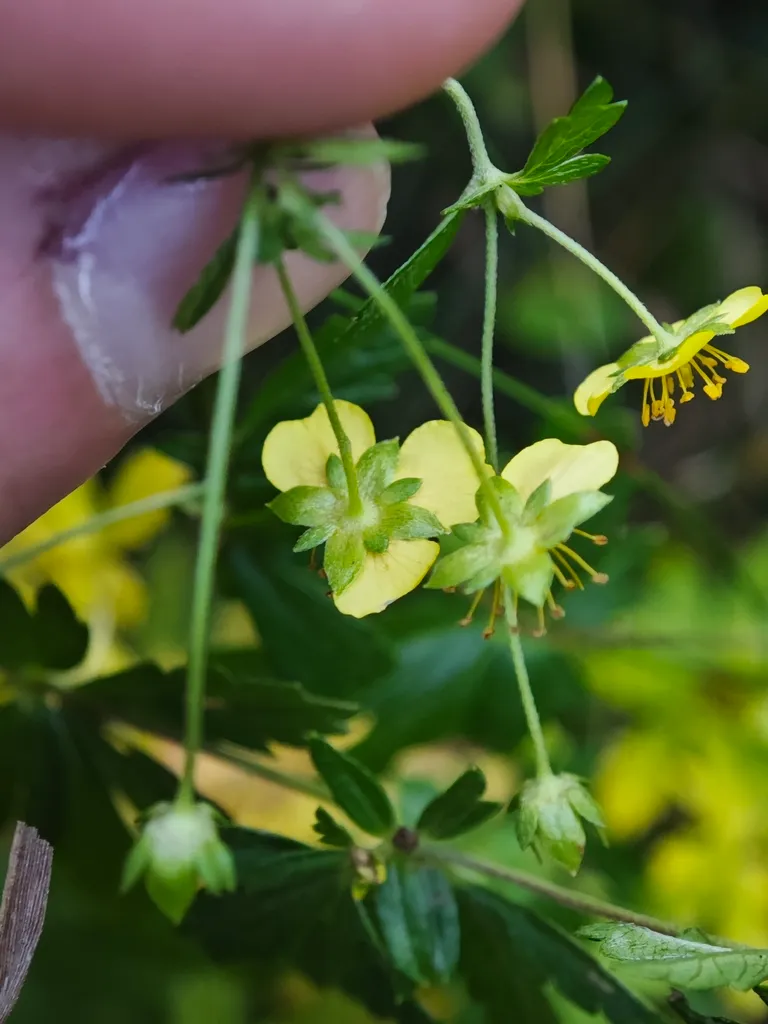
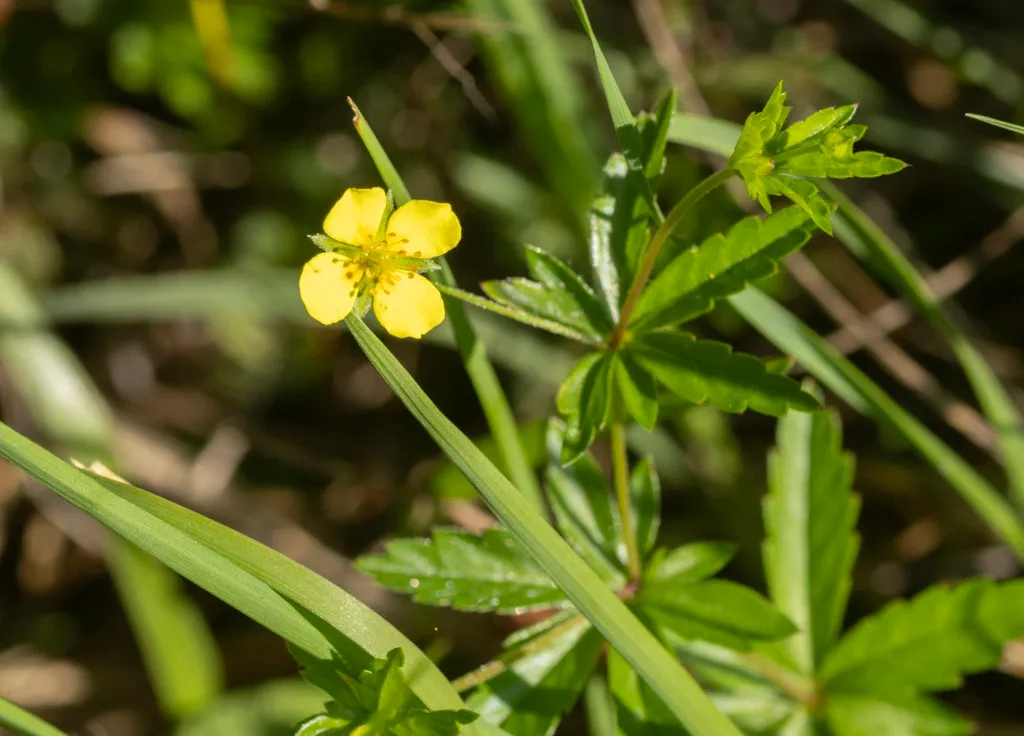
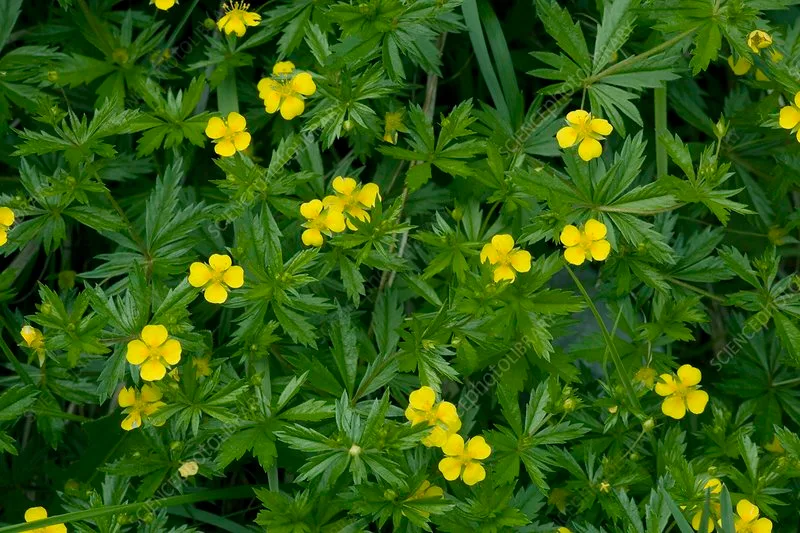
Distribution of blood root
Distribution map
Europe, Northern Africa, Southwestern Asia
Toxicity
Fruit are ornamental - not to be eaten. Wear gloves and other protective equipment when handling
blood root care guide
- Moderate regular watering, avoid prolonged drought or waterlogging
- Watering
- Full sun
- Sunlight

Watering
Moderate regular watering, avoid prolonged drought or waterlogging
Fertilizing
 Fertilizing
Balanced feed in spring and light repeat in growth season
Pruning
 Pruning
No pruning required
Propagation
 Propagation
Propagate by seed and semi-hardwood cuttings
Growing
 Growing
Grow in well-drained soil in full sun
Common pests and diseases
Diseases
May sometimes be susceptible to honey fungus
Pests
Generally pest-free
Explore the plant health library →




