
many-leaved aloe
Also known as: Information to be completed
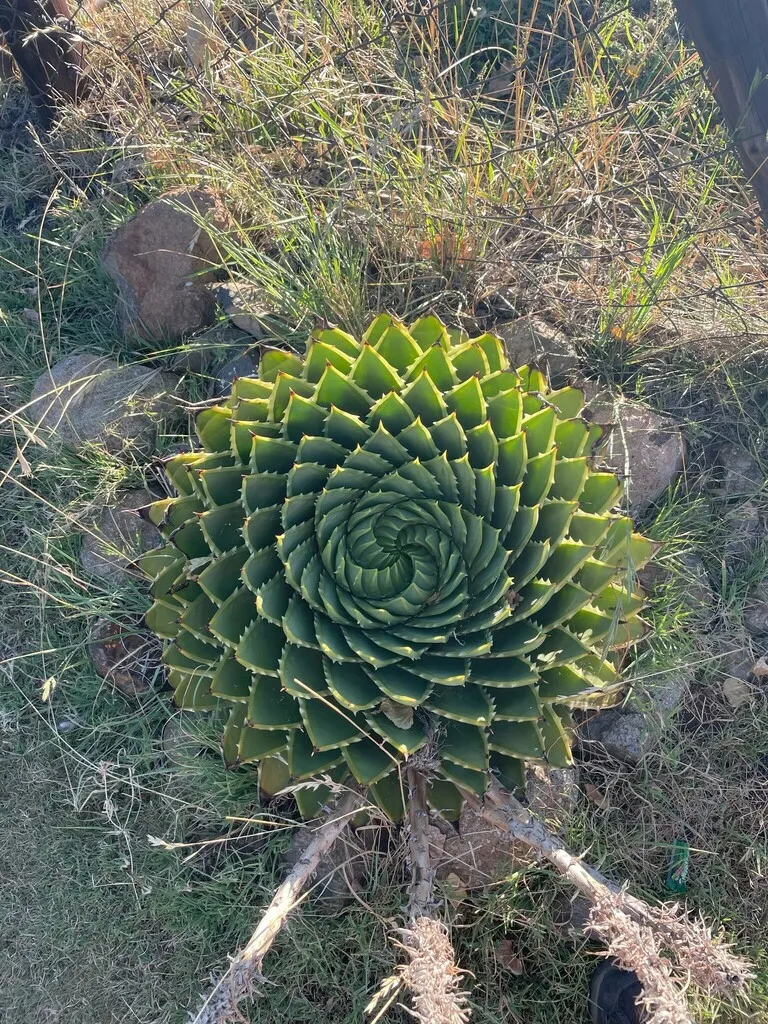
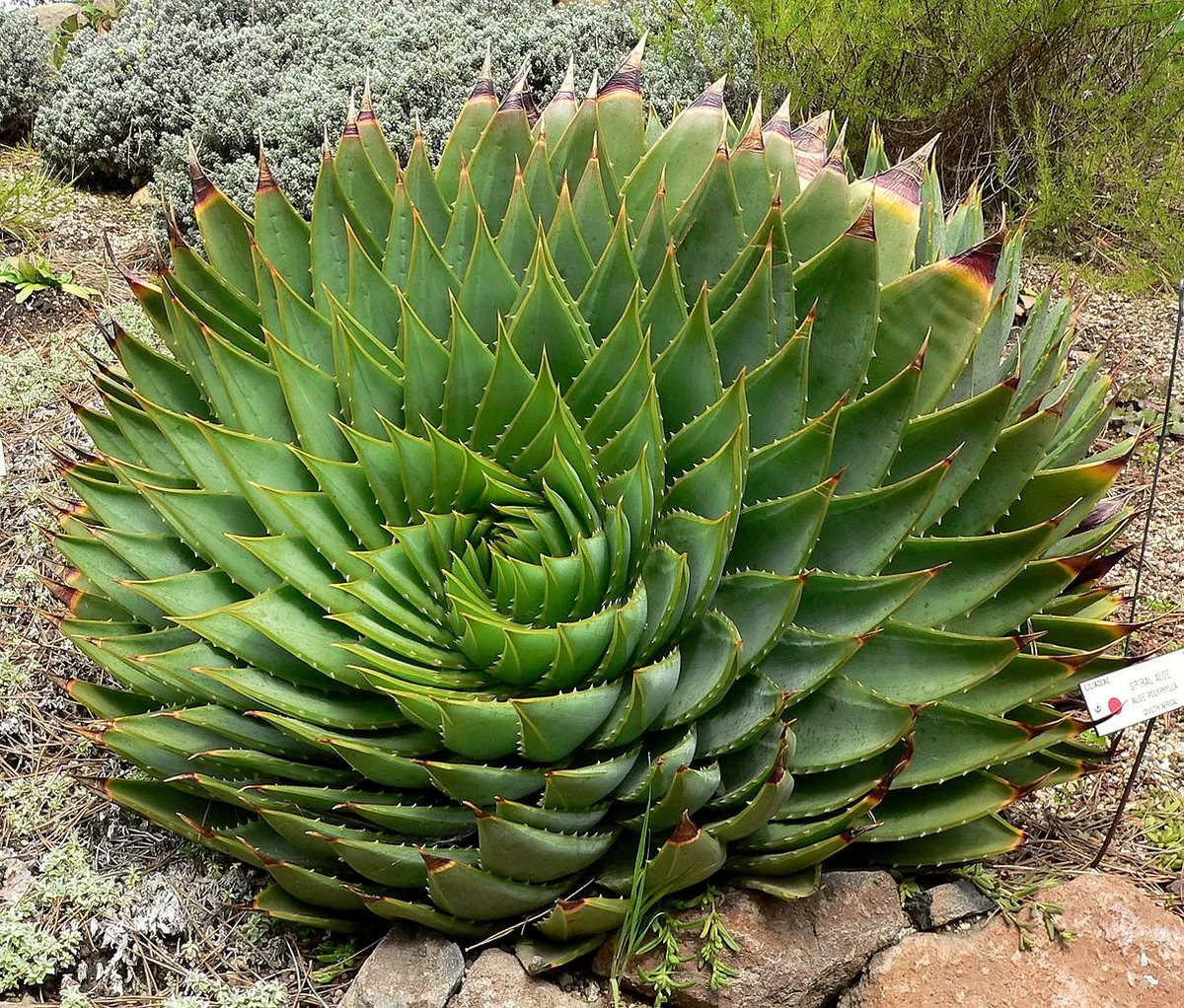
A compact evergreen perennial prized for the ornamental value of its foliage which is arranged in a pronounced spiral pattern. Fleshy leaves have white to pale-green marginal spines and a single brown spine at the leaf tip. The tubular flowers borne on a branching spike in spring, can be variable in colour but are usually red with greenish-yellow tips
Scientific classification
- Species
- many-leaved aloe (Aloe polyphylla)
- Genus
- Aloe
- Family
- Asphodelaceae
- Harmful if eaten. Wear gloves and other protective equipment when handling
- Toxicity
- Cactus Succulent · Conservatory Greenhouse
- Plant type
- 0.1-0.5 metres
- Height
- 0.5-1 metres
- Spread
- Evergreen
- Foliage
- Matforming
- Habit
- Spring · Summer · Autumn · Winter
- Season of interest
- Full sun
- Sunlight
- Information to be completed
- Ideal temperature









many-leaved aloe pictures
Distribution of many-leaved aloe
Distribution map
Lesotho
Information to be completed
Culture
Information to be completed
Toxicity
Harmful if eaten. Wear gloves and other protective equipment when handling
Quick identification of many-leaved aloe
Information to be completed
many-leaved aloe care guide
- Minimal watering, wait full soil dryness before rewatering
- Watering
- Full sun
- Sunlight
- Information to be completed
- Ideal temperature

Watering
Minimal watering, wait full soil dryness before rewatering
Fertilizing
 Fertilizing
Diluted low nitrogen succulent feed monthly warm months
Pruning
 Pruning
No pruning required
Propagation
 Propagation
Propagate by seed sown at 21°C as soon as ripe, or from offsets
Growing
 Growing
Grow under glass in a loam-based potting compost with added extra grit. Water moderately when in growth from spring to early autumn; very sparingly when dormant. Apply a balanced liquid fertiliser 2 or 3 times in the growing season
People also ask
Information to be completed
Common pests and diseases
Diseases
Generally disease-free
Pests
May be susceptible to scale insects and mealybugs
Explore the plant health library →




