
kidney vetch
Also known as: devil's claws; lady's fingers; lamb's toe; Mary's fingers; sand clover; woundwort
A plant of open grassland, dunes and sea cliffs, usually calcareous. Erect to procumbent, with paired heads of yellow to red flowers, the calyces densely white-hairy
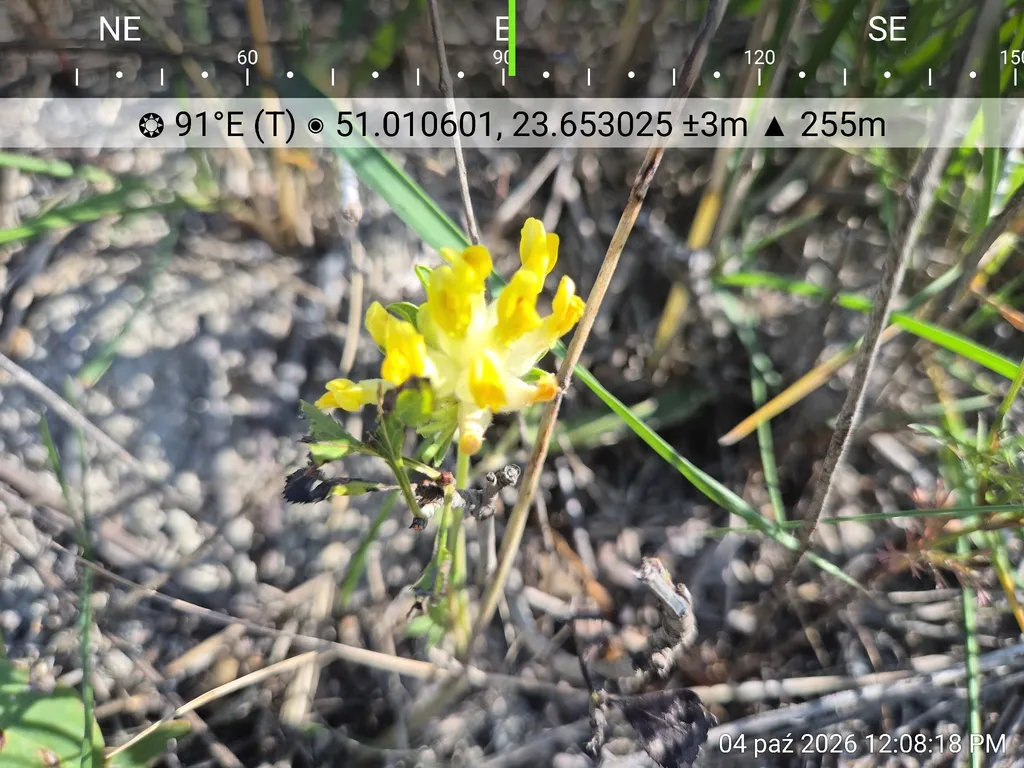
Scientific classification
- Species
- kidney vetch (Anthyllis vulneraria)
- Genus
- Anthyllis
- Family
- Fabaceae
- Information to be completed
- Toxicity
- Herbaceous Perennial
- Plant type
- 0.1-0.5 metres
- Height
- 0.5-1 metres
- Spread
- Semi evergreen
- Foliage
- Bushy
- Habit
- Spring · Summer · Autumn · Winter
- Season of interest
- Full sun
- Sunlight
- Information to be completed
- Ideal temperature









kidney vetch pictures
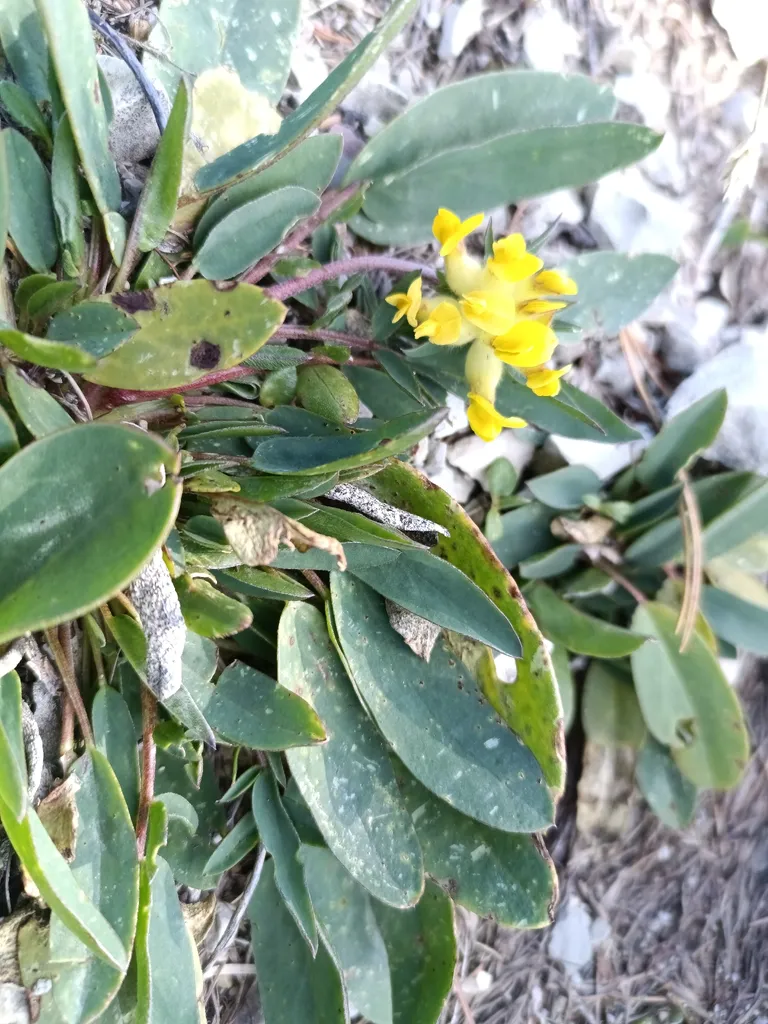
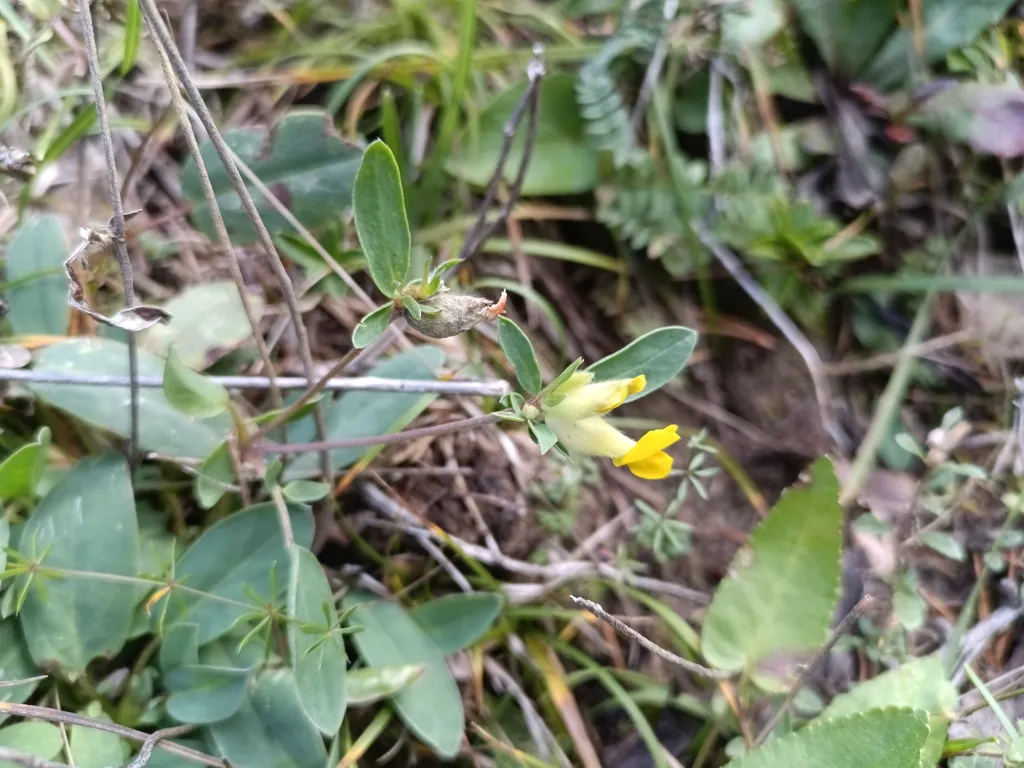
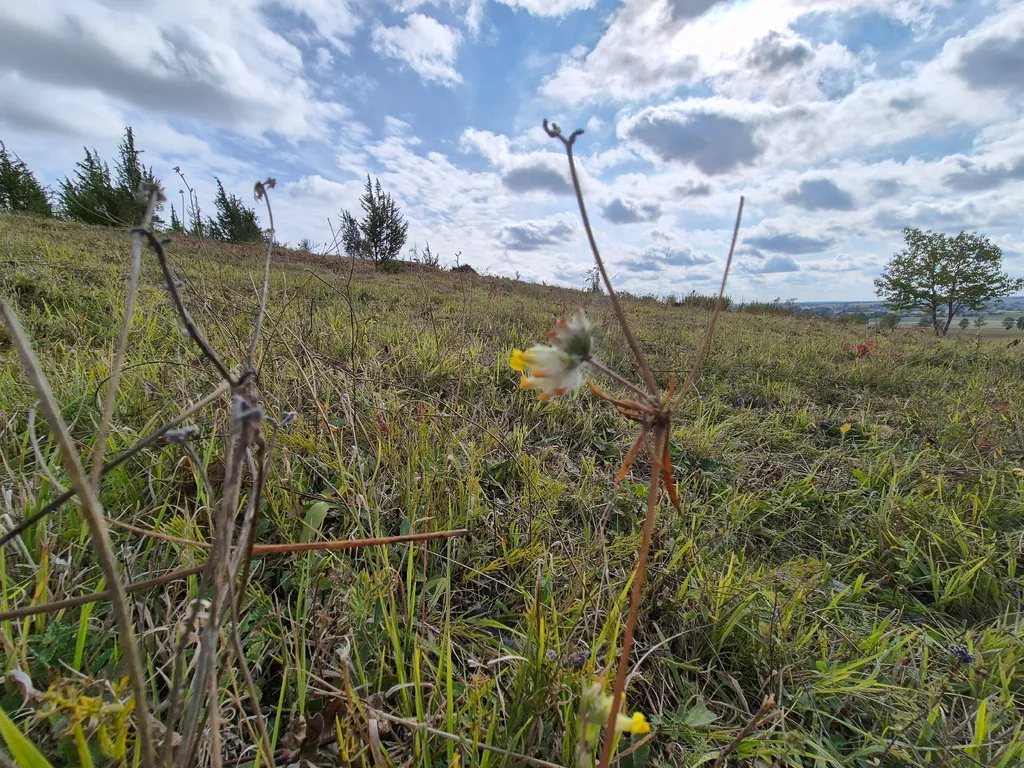
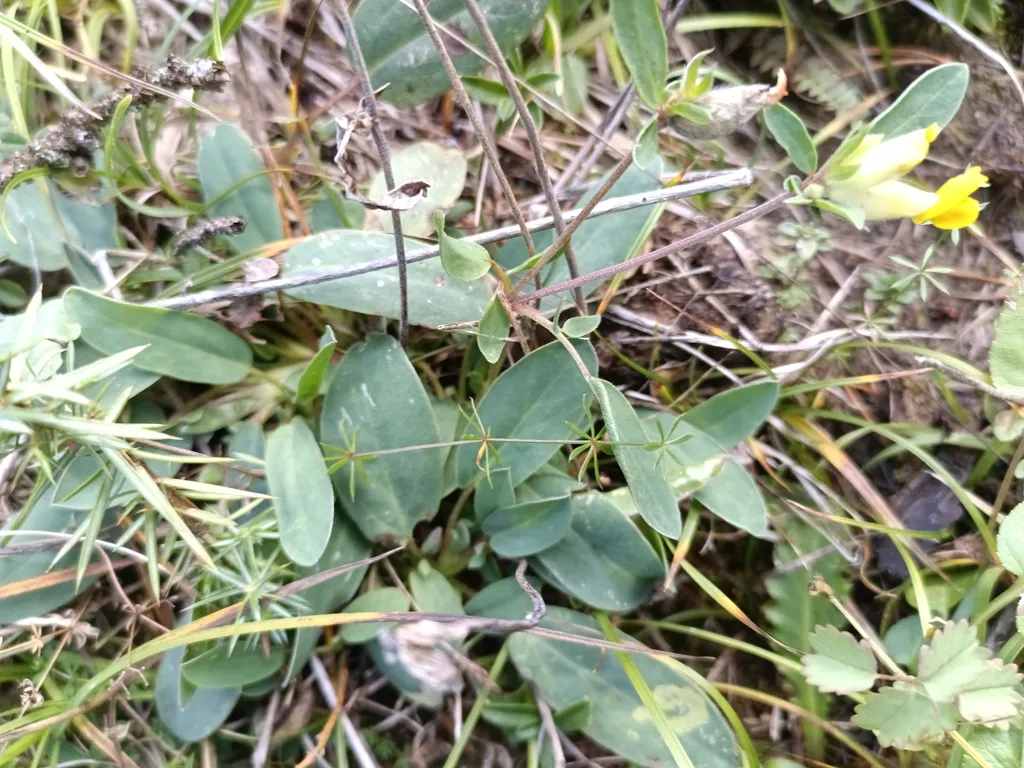
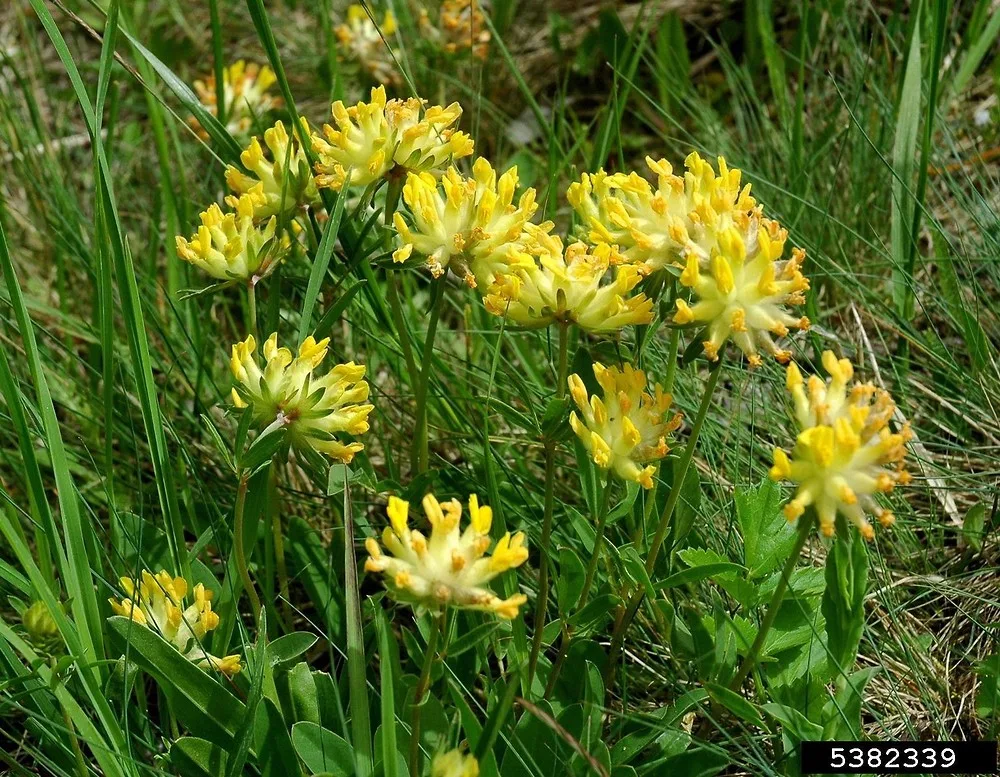
Distribution of kidney vetch
Distribution map
Europe, Northern Africa, Southwestern Asia
Information to be completed
Culture
Information to be completed
Toxicity
Information to be completed
Quick identification of kidney vetch
Information to be completed
kidney vetch care guide
- Moderate regular watering, allowing brief slight drying between soakings
- Watering
- Full sun
- Sunlight
- Information to be completed
- Ideal temperature

Watering
Moderate regular watering, allowing brief slight drying between soakings
Fertilizing
 Fertilizing
Balanced perennial feed every four weeks from spring through summer
Pruning
 Pruning
None required
Propagation
 Propagation
Propagate by seed in a cold frame in autumn
Growing
 Growing
Grow in well-drained, poor to moderately fertile soil in full sun
People also ask
Information to be completed
Common pests and diseases
Diseases
Generally trouble free
Pests
Generally trouble free
Explore the plant health library →




