
Anemone barbulata
Also known as: Information to be completed
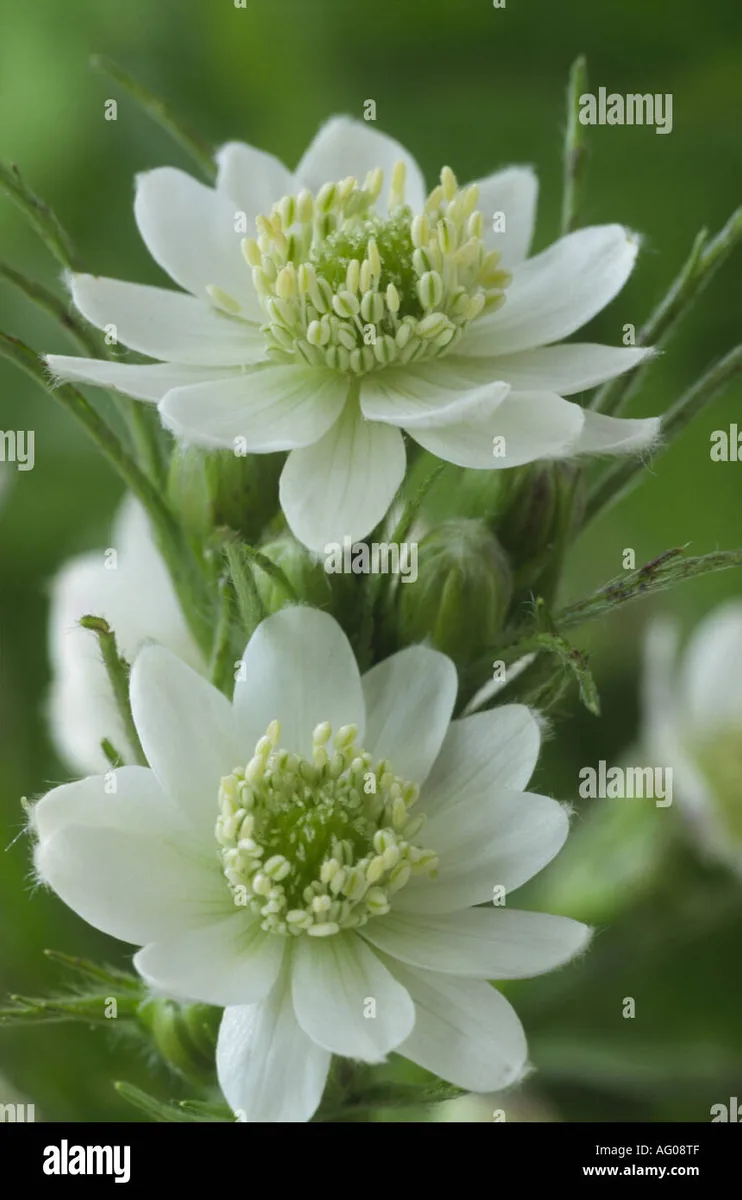
A species of compact, clump-forming deciduous woodland herbaceous perennial to around 50-80cm with dark green divided foliage. Star-shaped white flowers with blue undersides appear in the summer
Scientific classification
- Species
- Anemone barbulata (Anemone barbulata)
- Genus
- Anemone
- Family
- Ranunculaceae
- Order
- Ranunculales
- Class
- Magnoliopsida
- Phylum
- Magnoliophyta
- Information to be completed
- Toxicity
- Herbaceous Perennial
- Plant type
- Information to be completed
- Height
- Information to be completed
- Spread
- Deciduous
- Foliage
- Clump forming
- Habit
- Spring · Summer
- Season of interest
- Partial shade
- Sunlight
- Information to be completed
- Ideal temperature









Anemone barbulata pictures
Distribution of Anemone barbulata
Distribution map
- Native
- Introduced
- Cultivated
Locally extinct or doubtful records are excluded from native and introduced layers.
Source:WCVP v16 · Royal Botanic Gardens, Kew · CC BY 3.0 · Boundaries:WGSRPD / TDWG
Anemone barbulata care guide
- Evenly moist soil preferred, cut watering back after bloom fades
- Watering
- Partial shade
- Sunlight

Watering
Evenly moist soil preferred, cut watering back after bloom fades
Fertilizing
 Fertilizing
Weak organic flower feed once monthly in spring growth period
Pruning
 Pruning
No pruning required
Propagation
 Propagation
Propagate by seed, sowing them in containers in a cold frame when ripe or separate the rhizomes in spring when the foliage has died back
Growing
 Growing
Grow in moist but well-drained humus-rich soil. Drier conditions may be tolerated when dormant. See anemone cultivation for further advice
Common pests and diseases
Diseases
May be susceptible to powdery mildews
Pests
May be susceptible to leaf eelworms and damage from caterpillars and slugs
Explore the plant health library →




