
sweet alyssum 'Easter Bonnet Lavender'
Also known as: Information to be completed
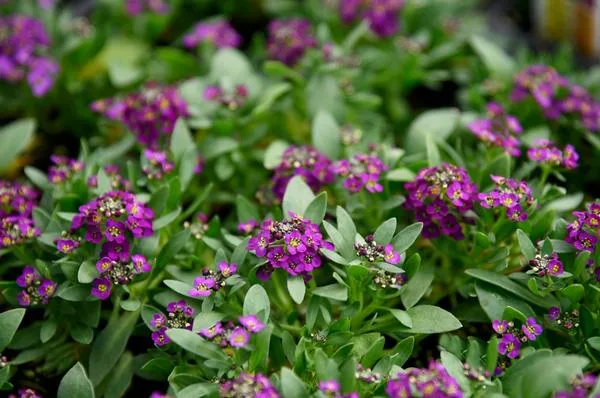
A very compact, low-growing annual or short-lived perennial, 8-10cm high, with narrow, slightly hairy, grey-green leaves, and heads of scented, lavender-coloured flowers in spring and summer
Scientific classification
- Species
- sweet alyssum 'Easter Bonnet Lavender' (Lobularia maritima 'Easter Bonnet Lavender')
- Genus
- Lobularia
- Family
- Brassicaceae
- Information to be completed
- Toxicity
- Herbaceous Perennial · Annual Biennial
- Plant type
- Up to 10 cm
- Height
- 0.1-0.5 metres
- Spread
- Deciduous
- Foliage
- Information to be completed
- Habit
- Spring · Summer · Autumn
- Season of interest
- Full sun
- Sunlight
- Information to be completed
- Ideal temperature









sweet alyssum 'Easter Bonnet Lavender' pictures
Distribution of sweet alyssum 'Easter Bonnet Lavender'
Distribution map
Information to be completed
Information to be completed
Culture
Information to be completed
Toxicity
Information to be completed
Quick identification of sweet alyssum 'Easter Bonnet Lavender'
Information to be completed
sweet alyssum 'Easter Bonnet Lavender' care guide
- Keep compost lightly moist, never fully drying out while blooming
- Watering
- Full sun
- Sunlight
- Information to be completed
- Ideal temperature

Watering
Keep compost lightly moist, never fully drying out while blooming
Fertilizing
 Fertilizing
Weak flowering feed every two to three weeks in active bloom
Pruning
 Pruning
No pruning required, but clipping over after the first flowers may encourage further flowering
Propagation
 Propagation
Propagate by seed, sown where it is to grow, in late spring
Growing
 Growing
Grow in light, moderately fertile, well-drained soil, in full sun; good for gaps between paving, garden edging, and containers
People also ask
Information to be completed
Common pests and diseases
Diseases
May be susceptible to downy mildews, club root, white blister, foot and root rot, Fusarium wilt, powdery mildews and Sclerotinia diseases
Pests
May be susceptible to slugs and flea beetles
Explore the plant health library →




