
oxlip
Also known as: bardfield oxlip; great cowslip; true oxlip
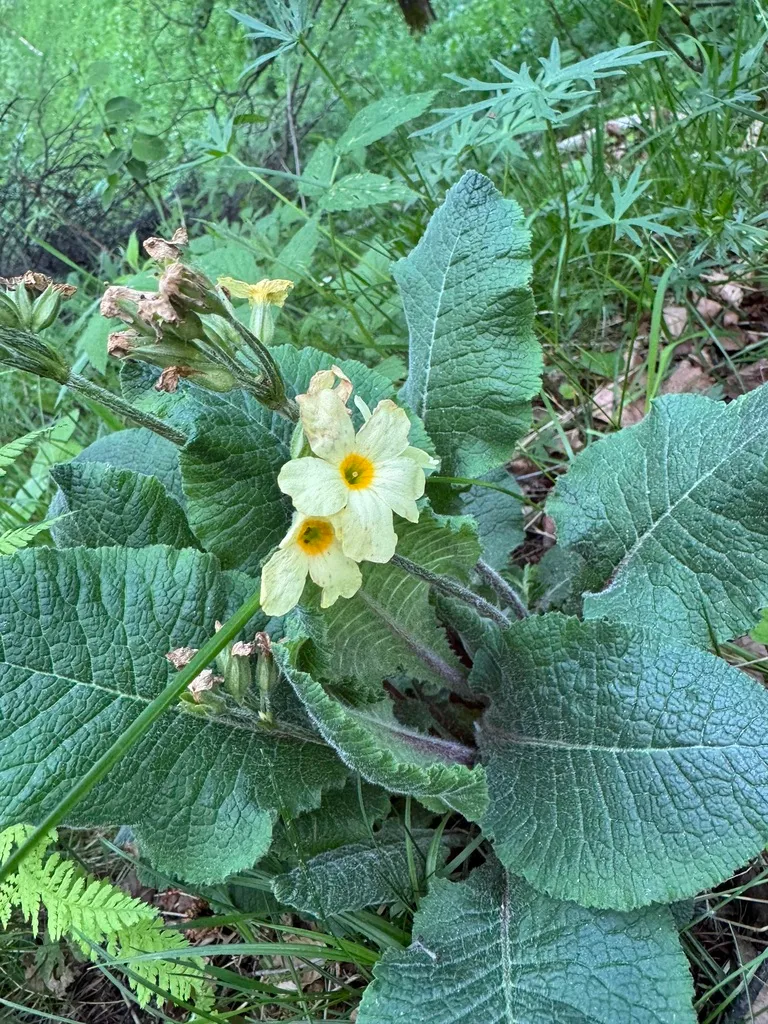
P. elatior is a semi-evergreen perennial to 30cm, with a rosette of ovate to oblong leaves, and erect stems bearing one-sided clusters of dark-eyed yellow flowers 2.5cm in width
Scientific classification
- Species
- oxlip (Primula elatior)
- Genus
- Primula
- Family
- Primulaceae
- Information to be completed
- Toxicity
- Herbaceous Perennial
- Plant type
- 0.1-0.5 metres
- Height
- 0.1-0.5 metres
- Spread
- Semi evergreen
- Foliage
- Clump forming
- Habit
- Spring · Summer · Autumn · Winter
- Season of interest
- Full sun · Partial shade
- Sunlight
- Information to be completed
- Ideal temperature









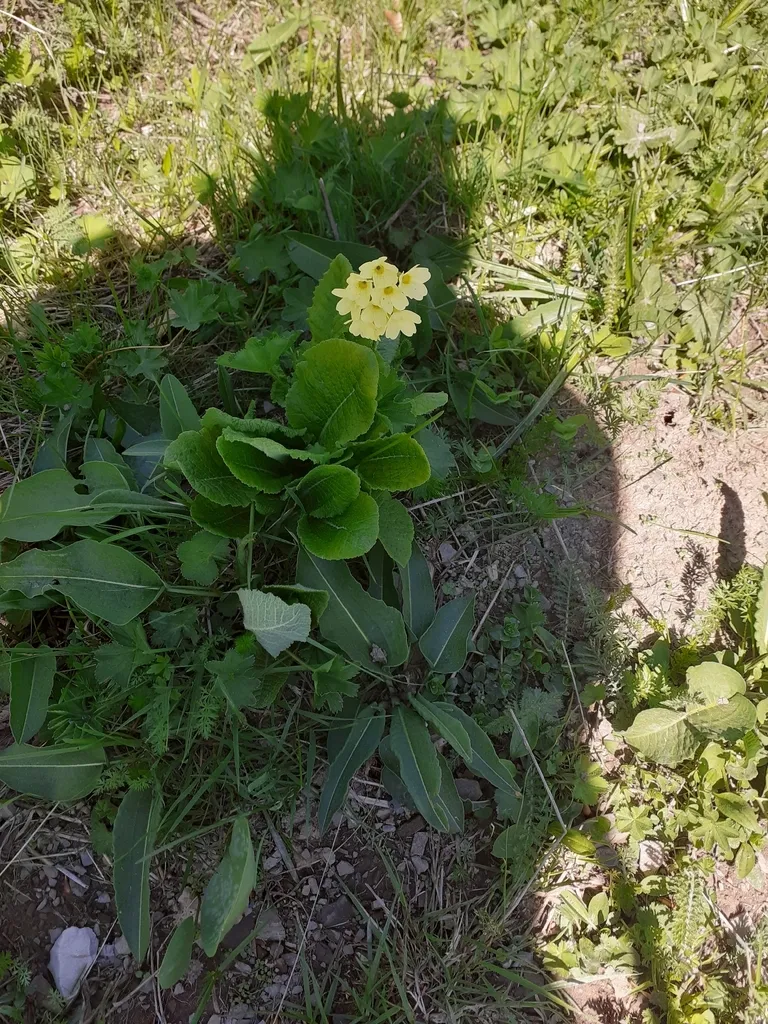
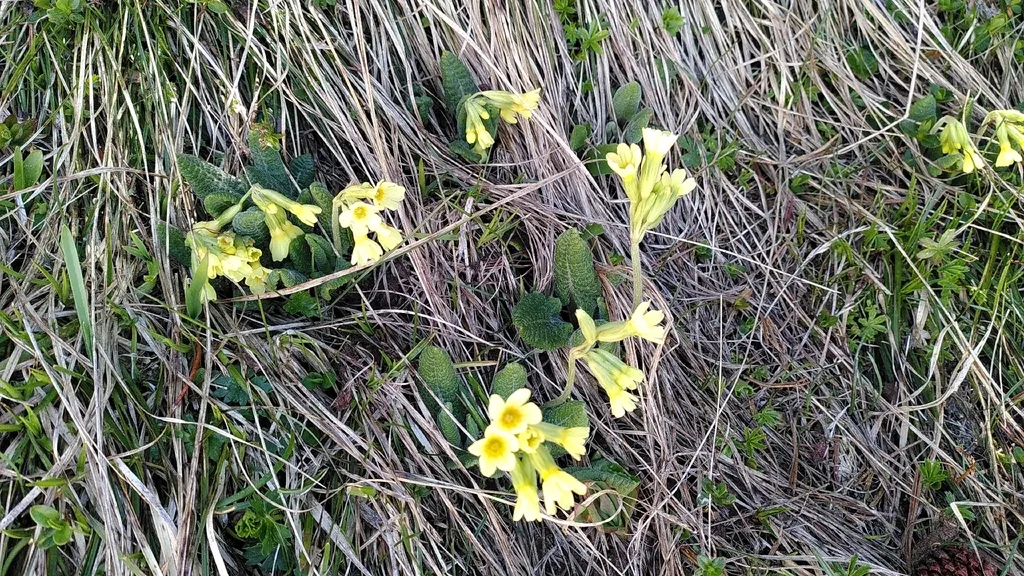
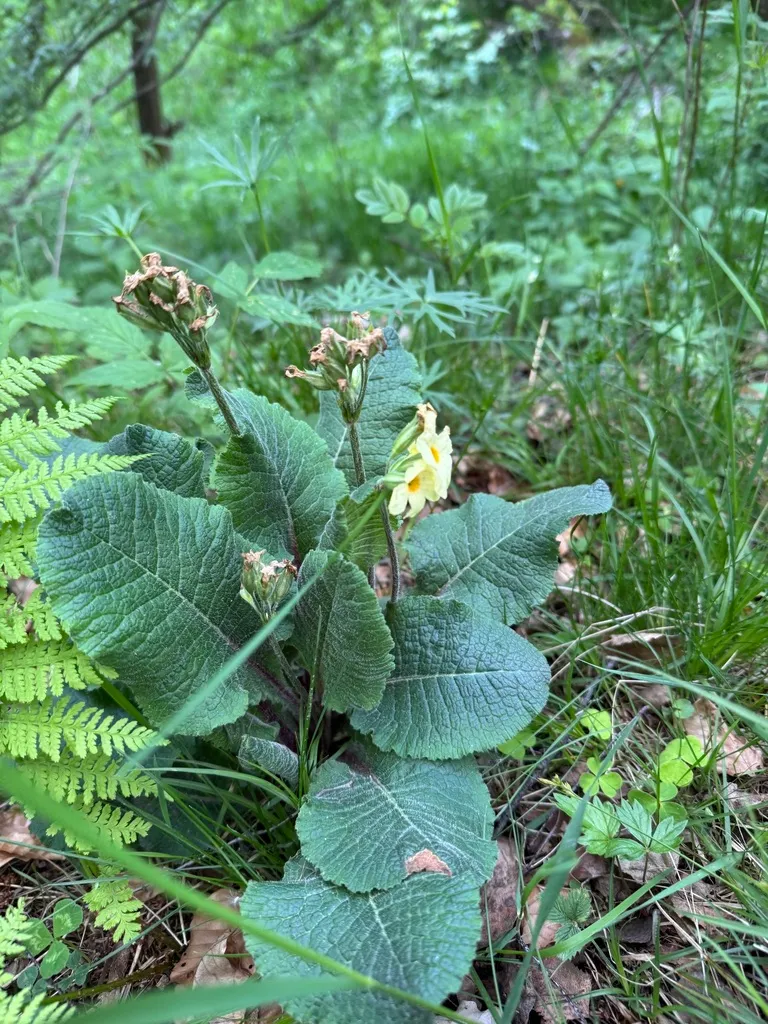
oxlip pictures
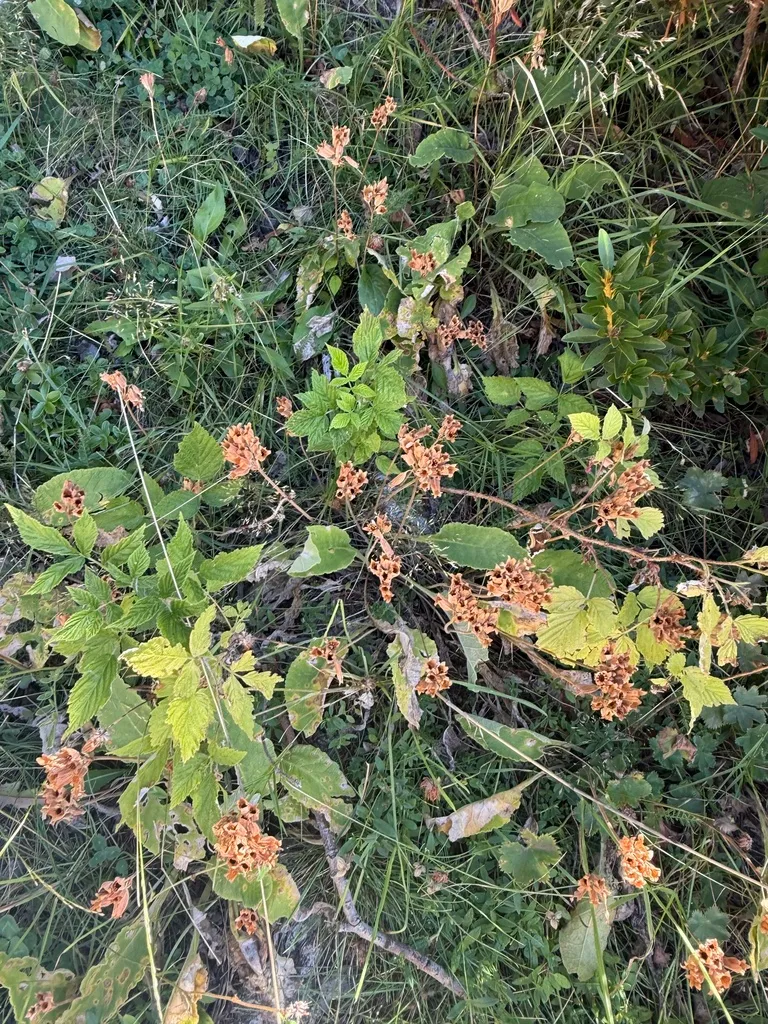
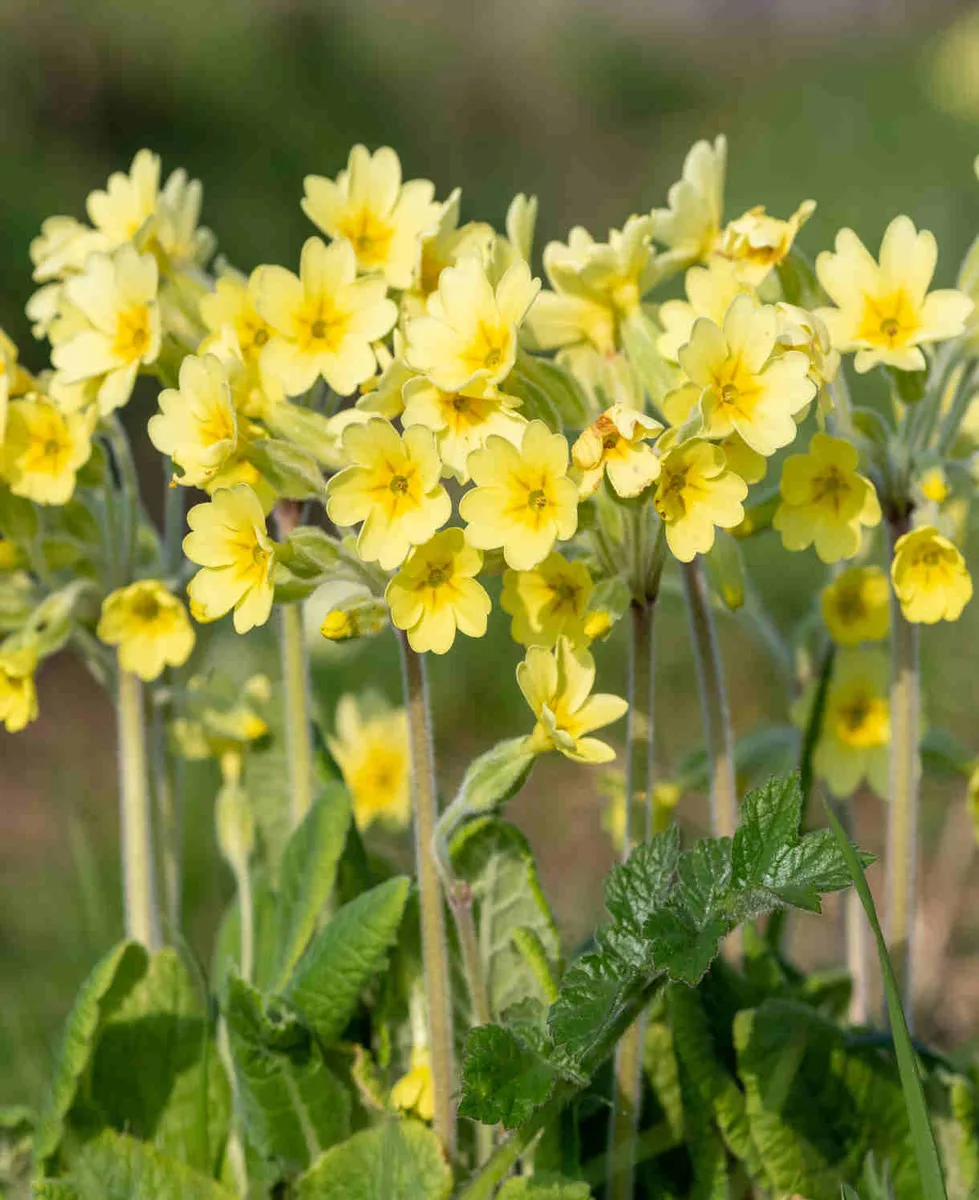
Distribution of oxlip
Distribution map
Europe, Southwestern Asia
Information to be completed
Culture
Information to be completed
Toxicity
Information to be completed
Quick identification of oxlip
Information to be completed
oxlip care guide
- Moderate regular watering, avoid prolonged drought and stagnant waterlogging
- Watering
- Full sun · Partial shade
- Sunlight
- Information to be completed
- Ideal temperature

Watering
Moderate regular watering, avoid prolonged drought and stagnant waterlogging
Fertilizing
 Fertilizing
Balanced perennial feed every four weeks spring through summer growth
Pruning
 Pruning
No pruning required
Propagation
 Propagation
Propagate by seed or root basal cuttings
Growing
 Growing
Grow as biennials for bedding and in a container or rock garden. Favours a sheltered position in sun or partial shade
People also ask
Information to be completed
Common pests and diseases
Diseases
May be subject to a leaf spot and grey mould
Pests
May be attacked by aphids, vine weevil, slugs, leaf and bud eelworms and glasshouse red spider mite
Explore the plant health library →




