
Japanese primrose
Also known as: Information to be completed
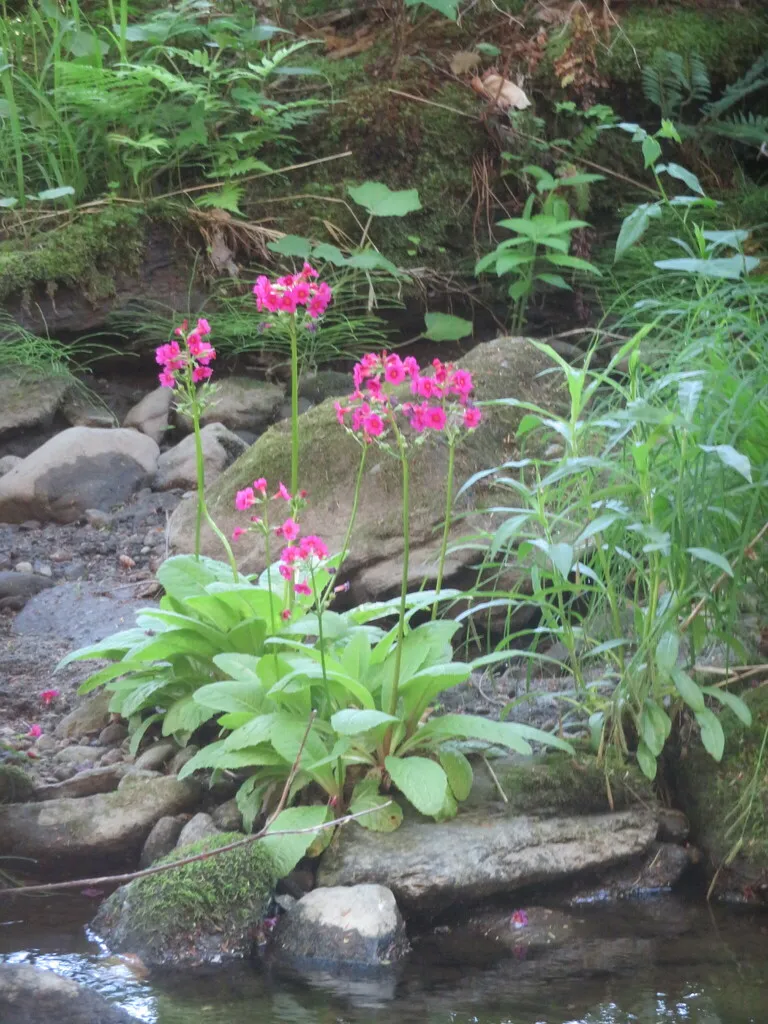
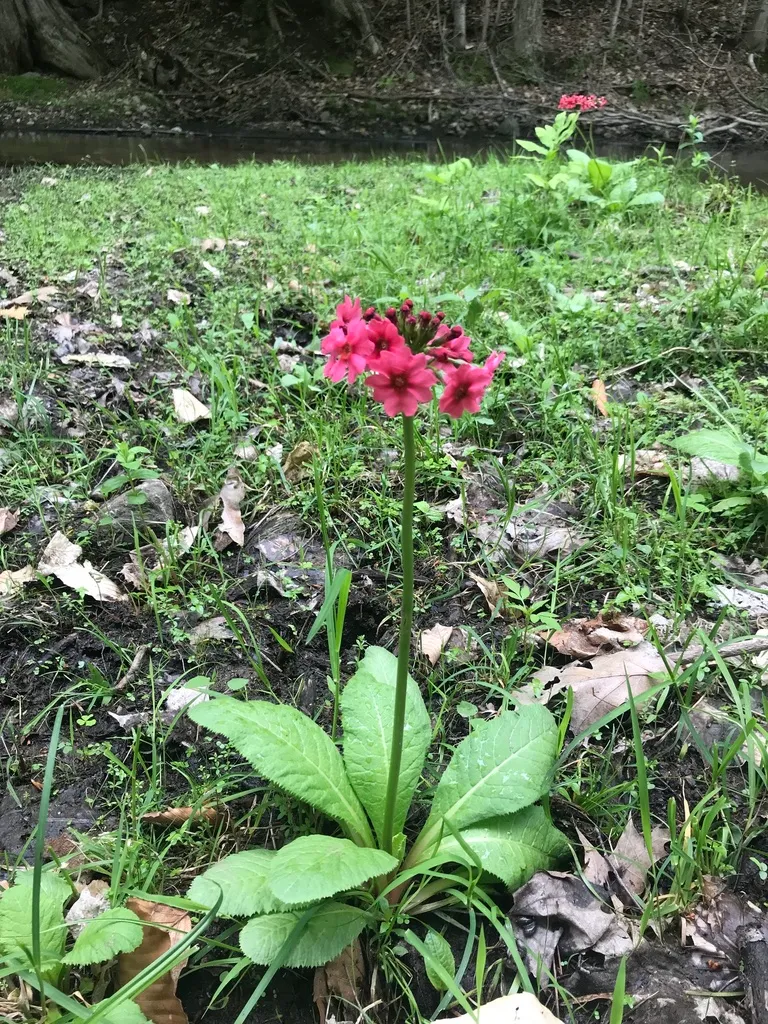
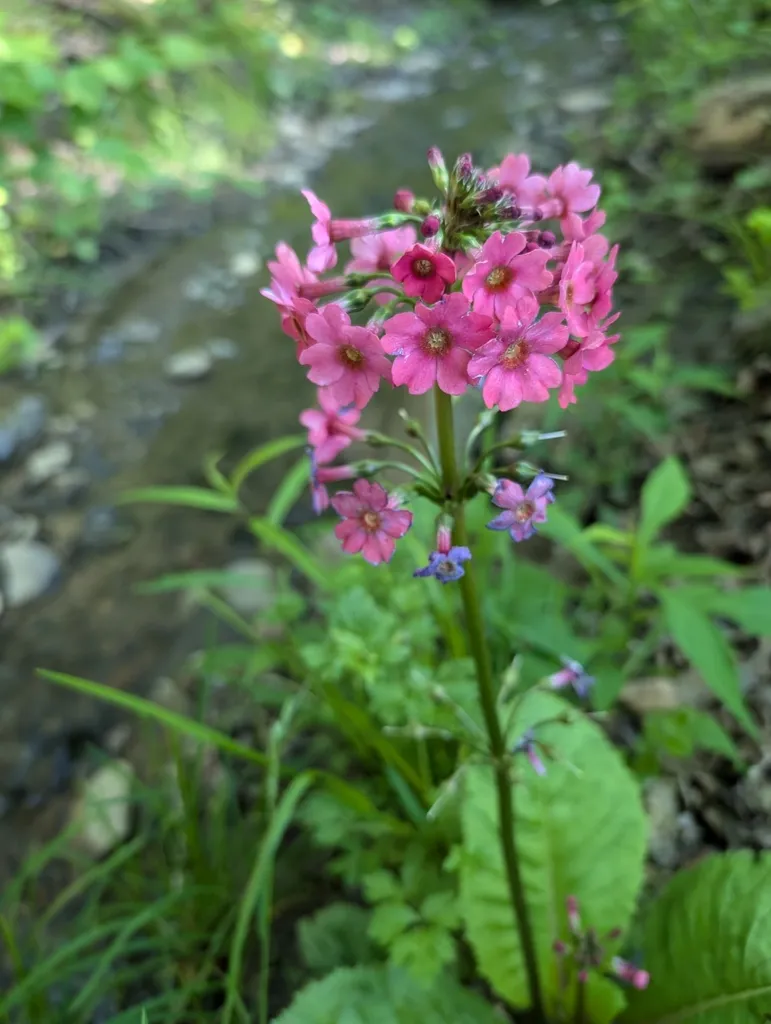
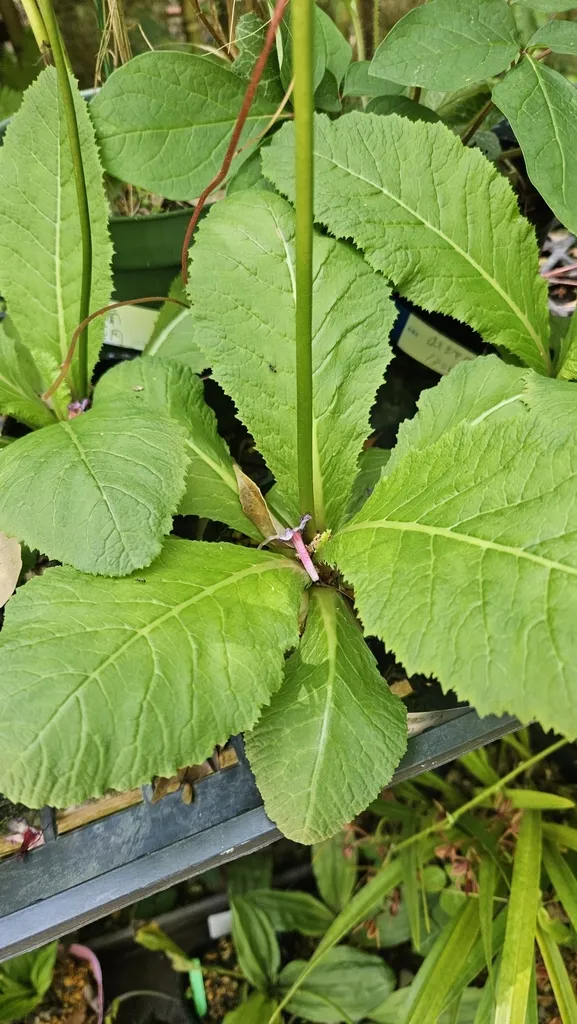
P. japonica is a deciduous perennial to 45cm tall, with a basal rosette of broad, crinkly light green leaves, and erect stems bearing several whorls of reddish-purple flowers in late spring and early summer
Scientific classification
- Species
- Japanese primrose (Primula japonica)
- Genus
- Primula
- Family
- Primulaceae
- Order
- Ericales
- Class
- Magnoliopsida
- Phylum
- Magnoliophyta
- Information to be completed
- Toxicity
- Bogs · Herbaceous Perennial
- Plant type
- 0.1-0.5 metres
- Height
- 0.1-0.5 metres
- Spread
- Deciduous
- Foliage
- Bushy
- Habit
- Spring · Summer
- Season of interest
- Full sun · Partial shade
- Sunlight
- Information to be completed
- Ideal temperature









Japanese primrose pictures
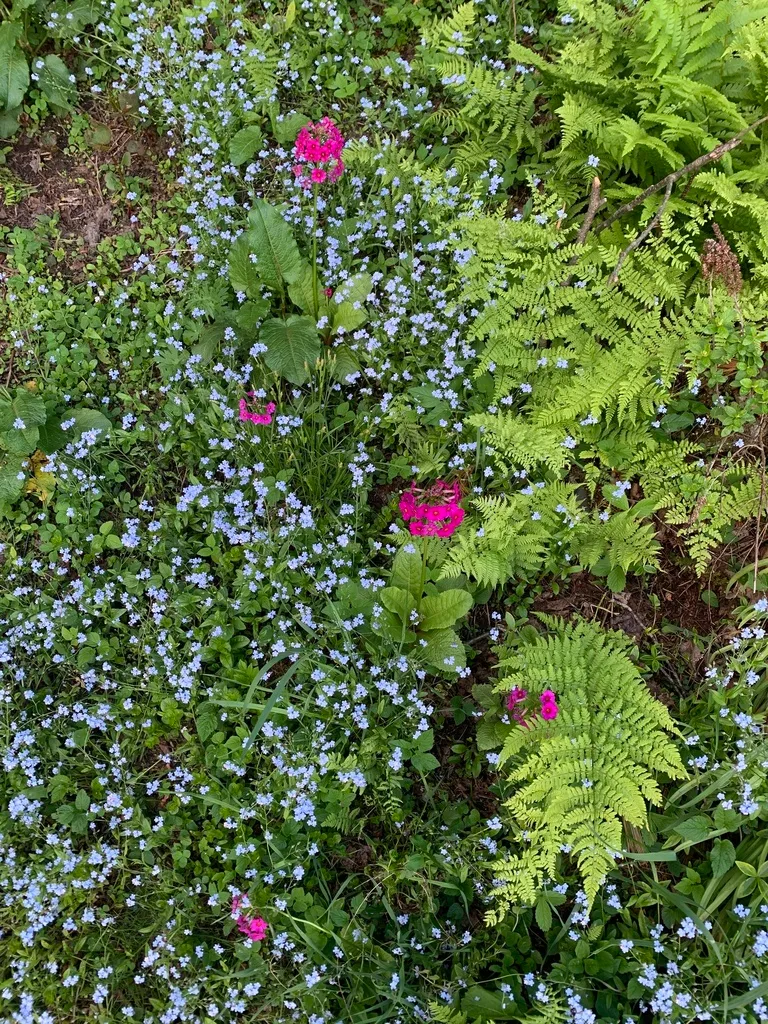
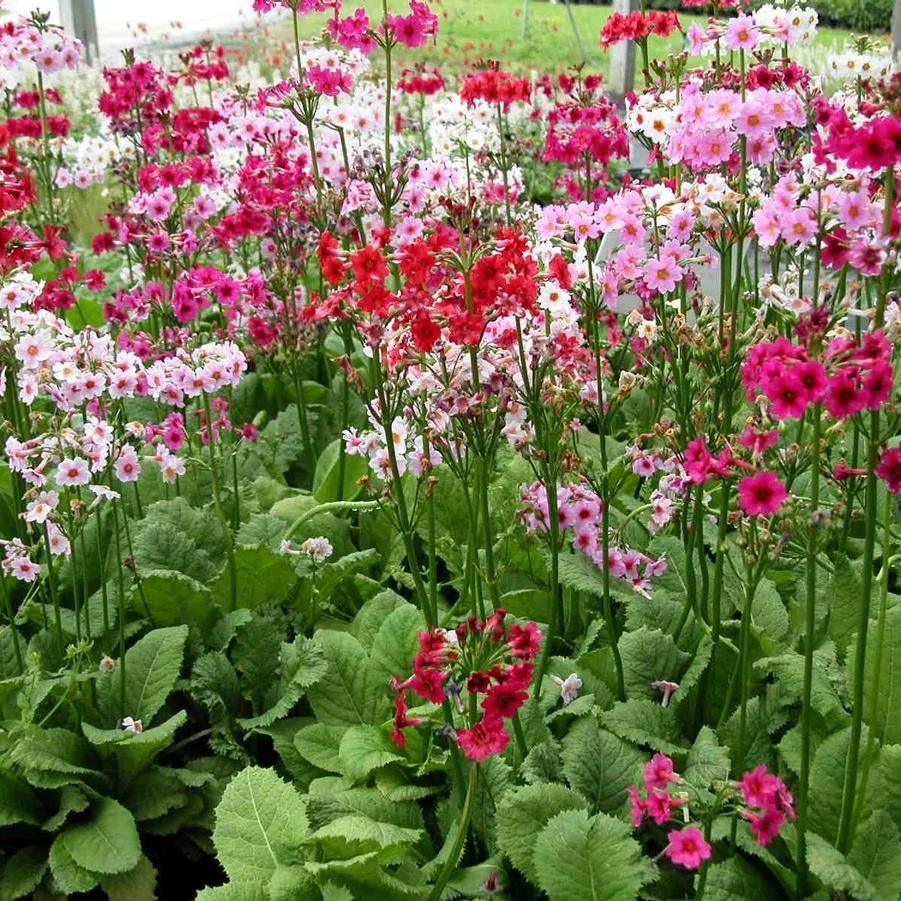
Distribution of Japanese primrose
Distribution map
- Native
- Introduced
- Cultivated
Source:WCVP v16 · Royal Botanic Gardens, Kew · CC BY 3.0 · Boundaries:WGSRPD / TDWG
Japanese primrose care guide
- Water regularly, keeping the soil consistently moist, especially during dry weather.
- Watering
- Full sun · Partial shade
- Sunlight

Watering
Water regularly, keeping the soil consistently moist, especially during dry weather.
Fertilizing
 Fertilizing
Apply a balanced liquid fertilizer monthly during the growing season.
Pruning
 Pruning
Cut back after flowering
Propagation
 Propagation
Propagate by seed. Sow on the surface of the compost as soon as ripe in late winter or early spring. Can be propagated by division between autumn and early spring. Take root cuttings when dormant in winter
Growing
 Growing
Grow in deep moist or moist but well-drained neutral to acid, humus-rich soil in full sun or partial shade
Common pests and diseases
Diseases
May suffer from a virus, primula brown core and grey mould
Pests
May be attacked by aphids, vine weevil, slugs, leaf and bud eelworms and glasshouse red spider mite
Explore the plant health library →




