
baby primrose
Also known as: fairy primrose
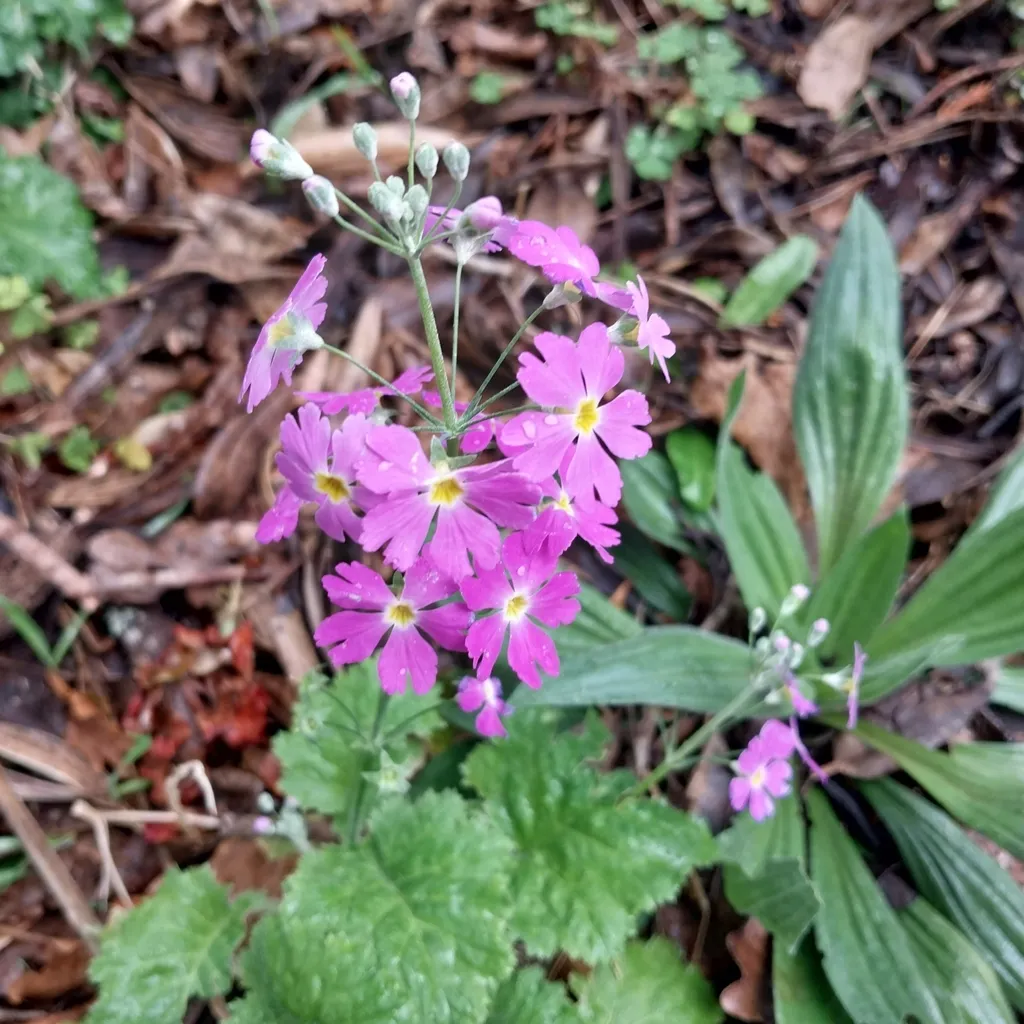
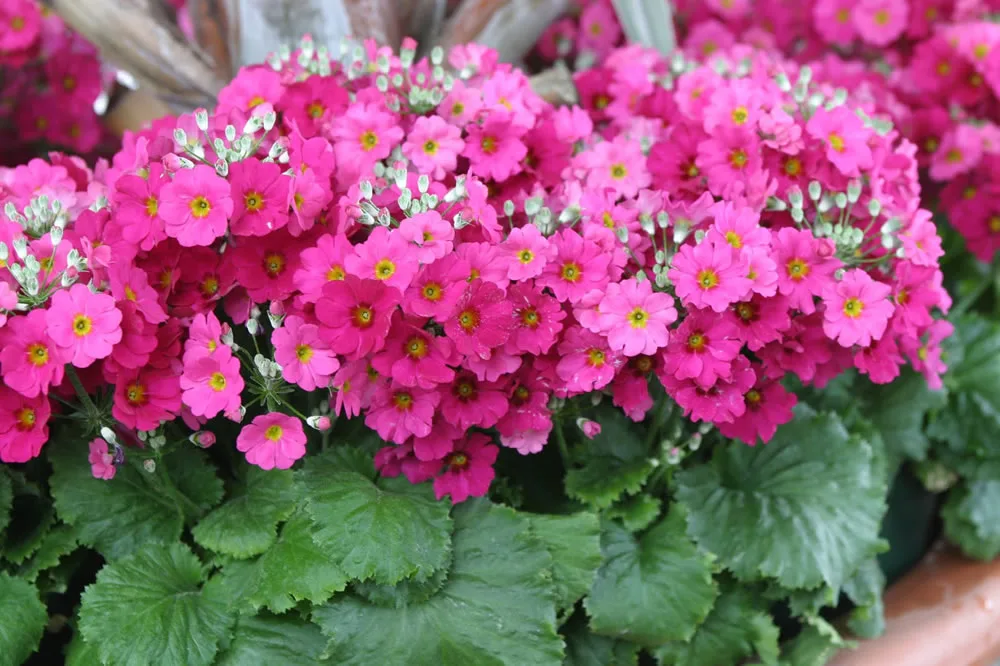
An erect, rosette-forming evergreen perennial, often grown as an annual, with frilly-margined, downy leaves to 10cm long. In winter and spring, single or double flowers in shades of purple, pink or white are borne in whorls of decreasing size up slender stems to 45cm. Grow in a cool or temperate greenhouse, or as a houseplant
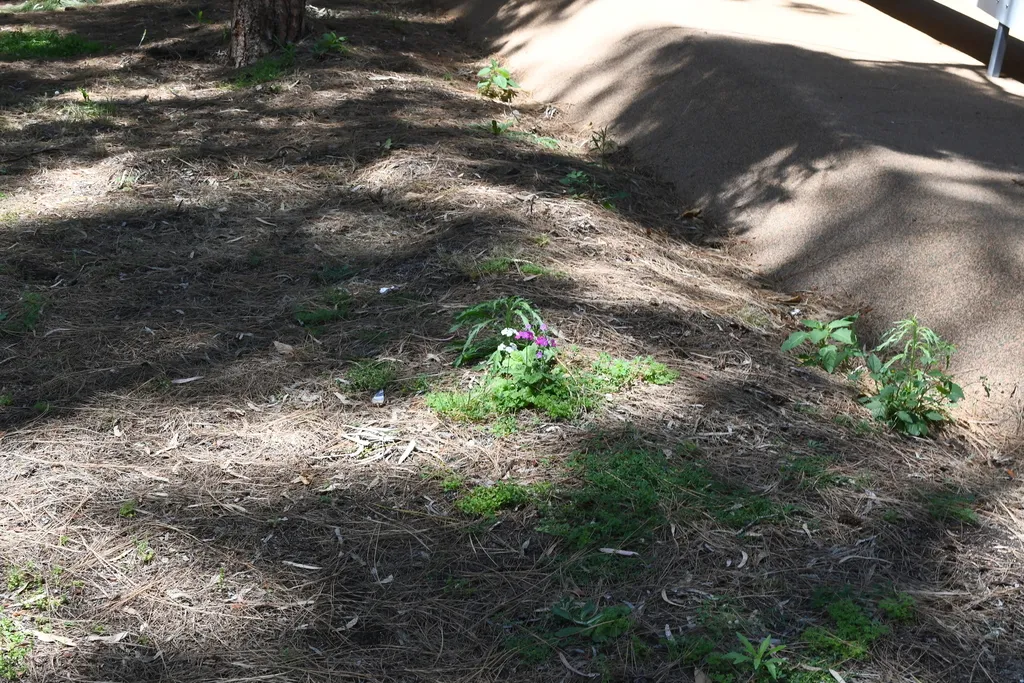
Scientific classification
- Species
- baby primrose (Primula malacoides)
- Genus
- Primula
- Family
- Primulaceae
- Information to be completed
- Toxicity
- Annual Biennial · Conservatory Greenhouse · Houseplants
- Plant type
- 0.1-0.5 metres
- Height
- 0.1-0.5 metres
- Spread
- Evergreen
- Foliage
- Columnar upright
- Habit
- Spring · Summer · Autumn · Winter
- Season of interest
- Full sun · Partial shade
- Sunlight
- Information to be completed
- Ideal temperature









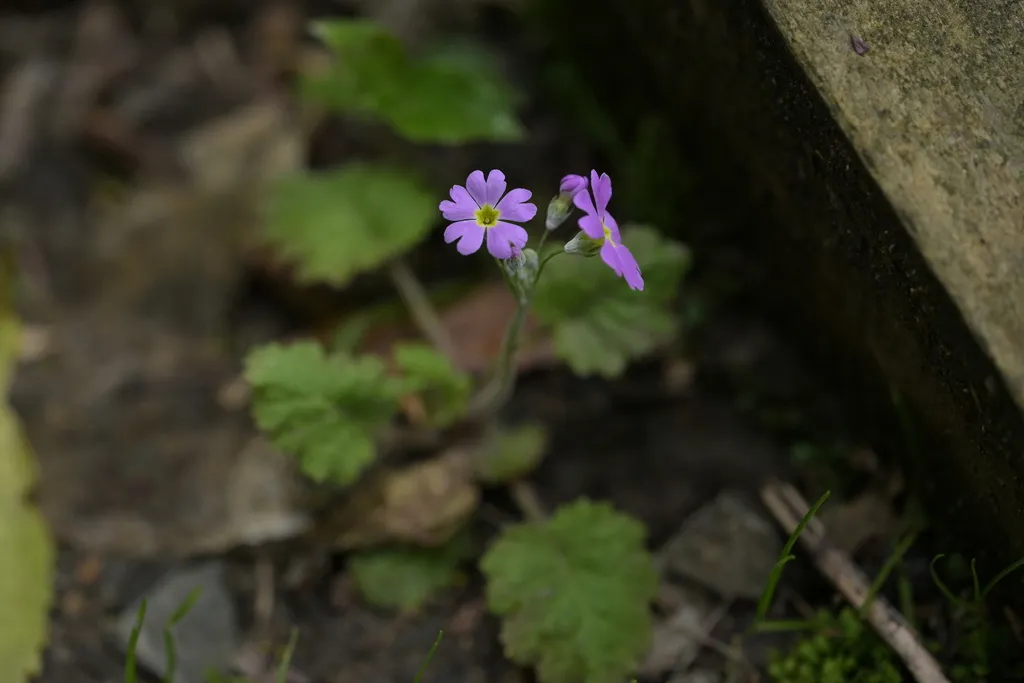
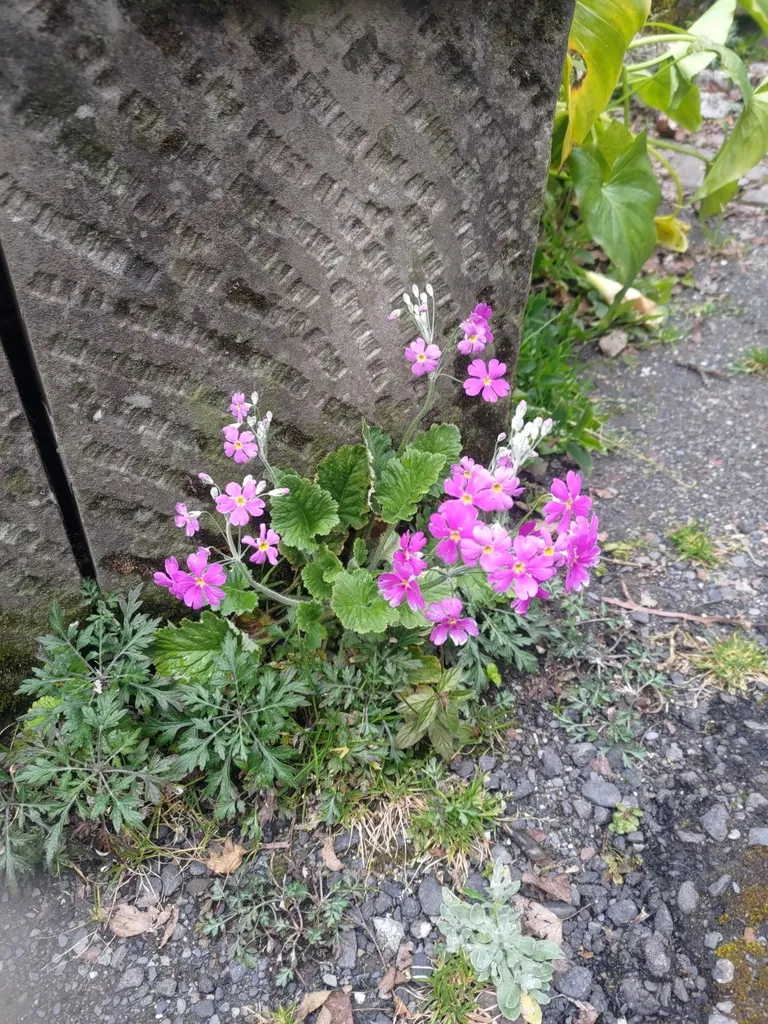
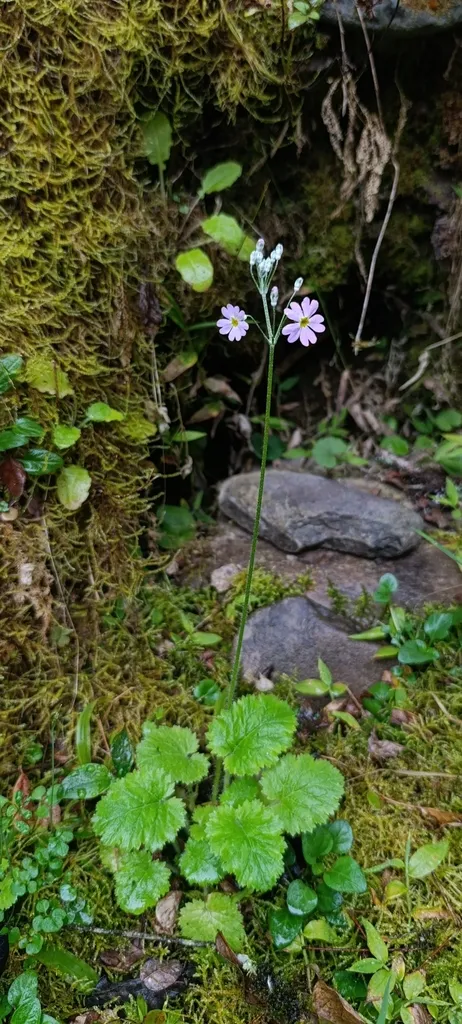
baby primrose pictures
Distribution of baby primrose
Distribution map
China
Information to be completed
Culture
Information to be completed
Toxicity
Information to be completed
Quick identification of baby primrose
Information to be completed
baby primrose care guide
- Moderate regular watering, allowing brief slight drying between soakings
- Watering
- Full sun · Partial shade
- Sunlight
- Information to be completed
- Ideal temperature

Watering
Moderate regular watering, allowing brief slight drying between soakings
Fertilizing
 Fertilizing
Balanced perennial feed every four weeks from spring through summer
Pruning
 Pruning
Deadhead to extend flowering
Propagation
 Propagation
Propagate by seed sown in summer for flowering plants the following winter. Surface sow onto moist, well-drained seed compost
Growing
 Growing
Grow on plants in a potting mix of 4 parts loam-based compost and 1 part each grit and leaf mould. Position in bright, filtered light in a cool room and mist plants daily
People also ask
Information to be completed
Common pests and diseases
Diseases
May be susceptible to grey moulds (botrytis)
Pests
May be susceptible to aphids
Explore the plant health library →




