
clarkia
Also known as: butterfly flower; flower of love; swan flower
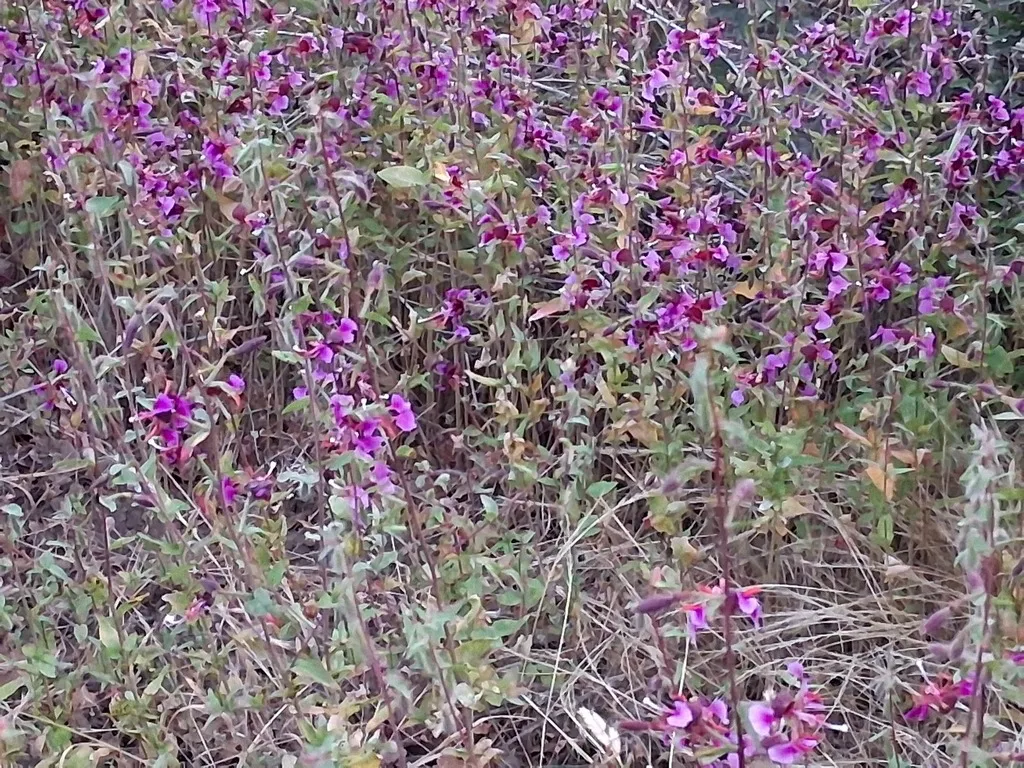
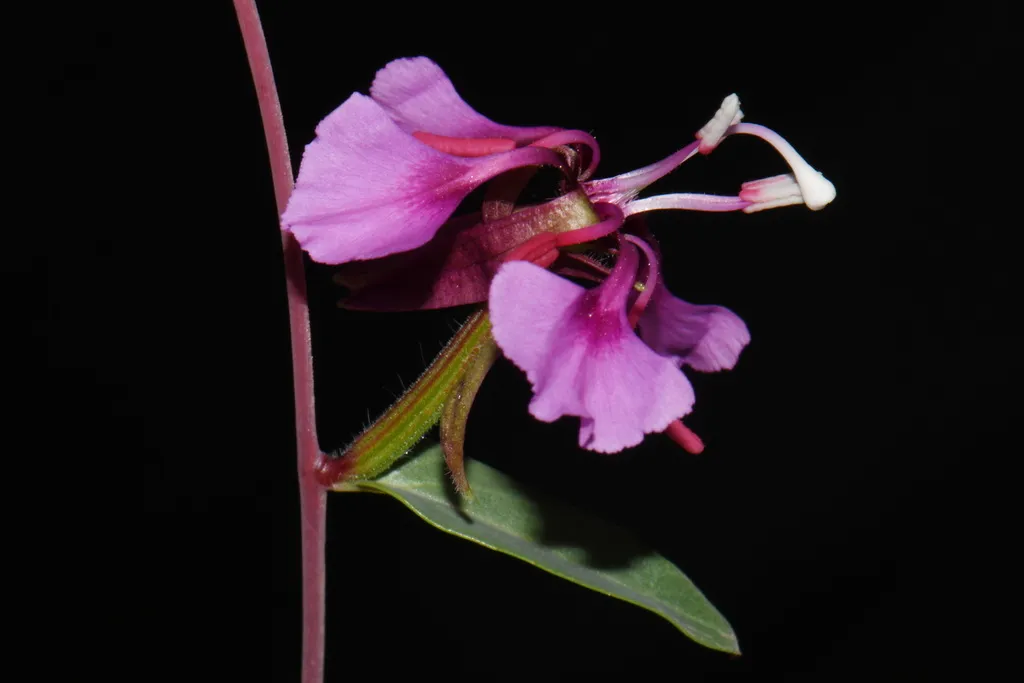
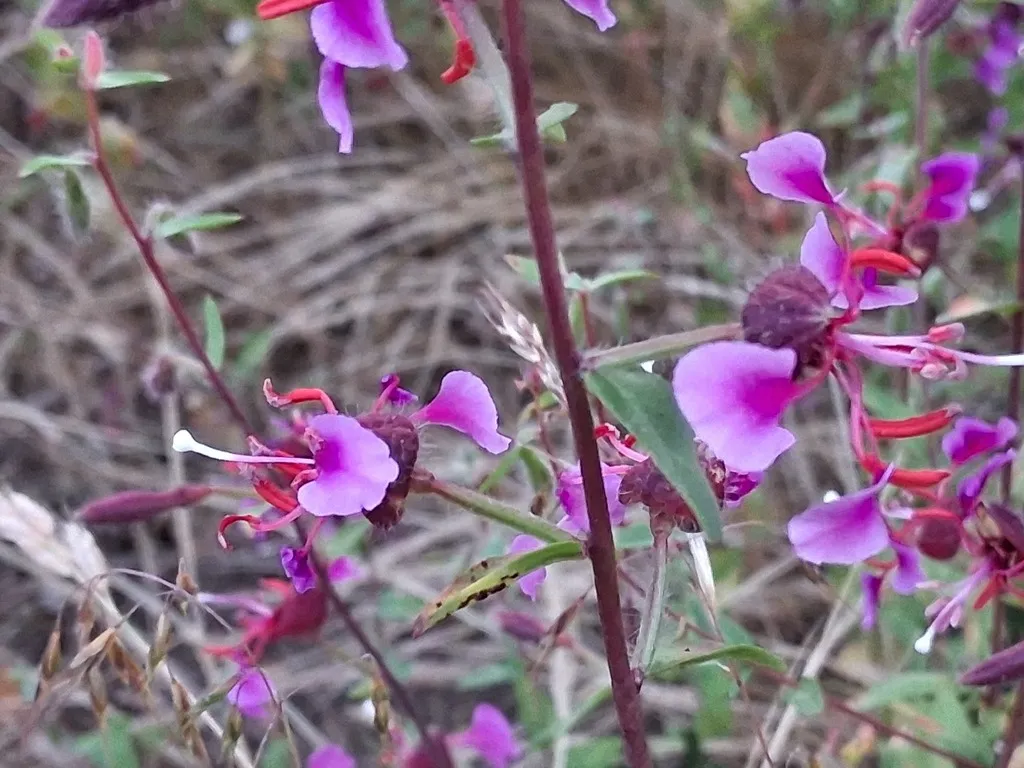
An upright, branching annual up to 1m high, with slender stems bearing sparse lance-shaped leaves. In late spring and early summer, flowers are produced from the upper leaf axils, with four widely-spaced, paddle-shaped petals in shades of pink, purple, red and occasionally white, and prominent stamens tipped with bright red anthers
Scientific classification
- Species
- clarkia (Clarkia unguiculata)
- Genus
- Clarkia
- Family
- Onagraceae
- Order
- Myrtales
- Class
- Magnoliopsida
- Phylum
- Tracheophyta
- Information to be completed
- Toxicity
- Annual Biennial
- Plant type
- 0.5-1 metres
- Height
- 0.1-0.5 metres
- Spread
- Deciduous
- Foliage
- Columnar upright
- Habit
- Spring · Summer
- Season of interest
- Full sun · Partial shade
- Sunlight
- Information to be completed
- Ideal temperature









clarkia pictures
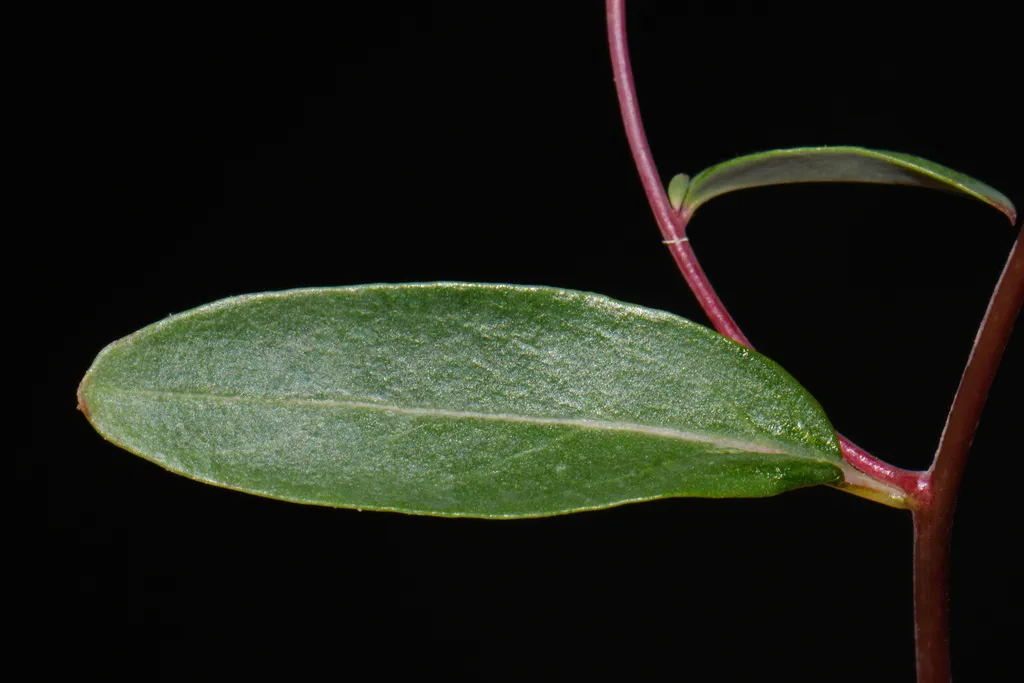
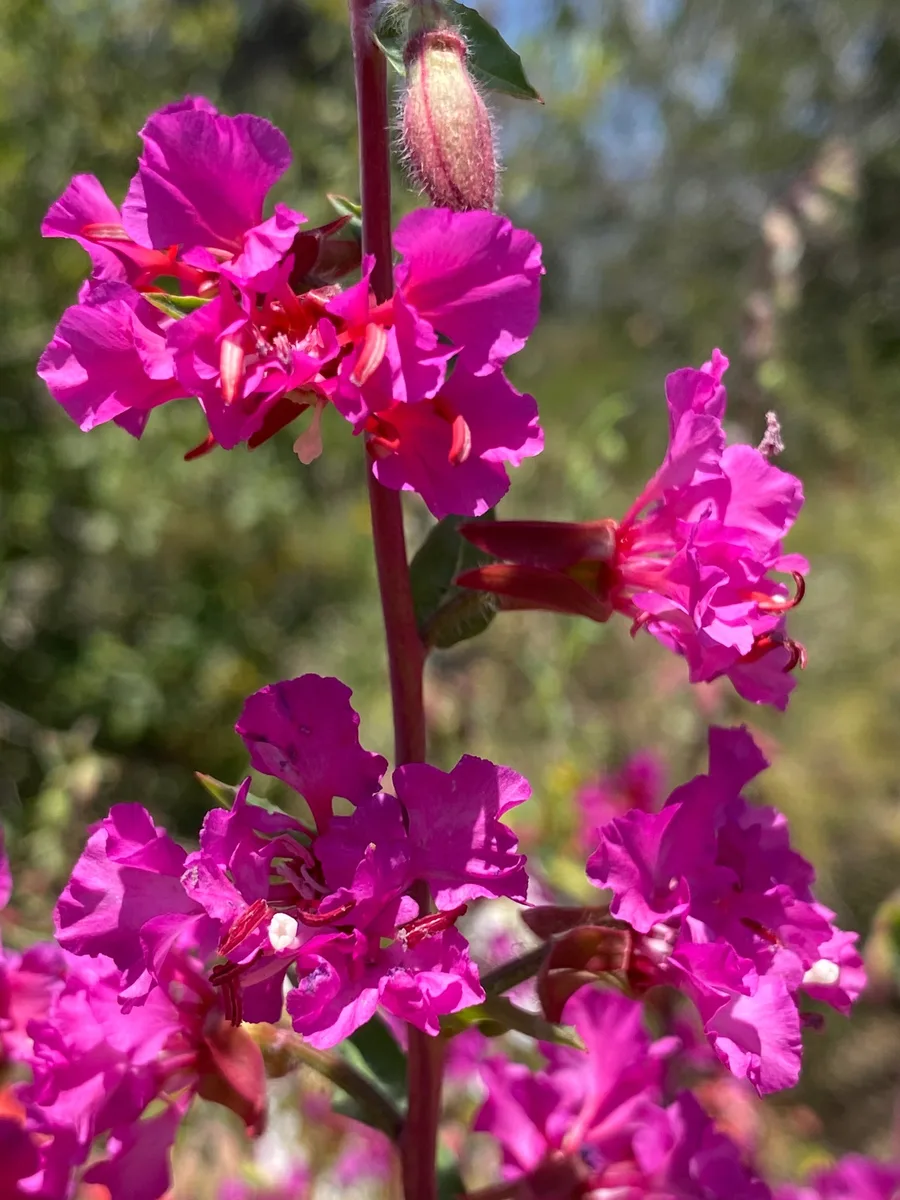
Distribution of clarkia
Distribution map
- Native
- Introduced
- Cultivated
Source:WCVP v16 · Royal Botanic Gardens, Kew · CC BY 3.0 · Boundaries:WGSRPD / TDWG
clarkia care guide
- Medium watering, brief dry soil tolerated in hot weather
- Watering
- Full sun · Partial shade
- Sunlight

Watering
Medium watering, brief dry soil tolerated in hot weather
Fertilizing
 Fertilizing
Diluted balanced feed once every three warm weeks
Pruning
 Pruning
Cut back after flowering
Propagation
 Propagation
Propagate by seed, sown in-situ in early spring or autumn, avoid transplanting. Protect autumn-sown seedlings over winter with cloches
Growing
 Growing
Grow in moderately fertile, slightly acid soil in sun or part shade. Some drought tolerance, dislikes hot and humid conditions. Rich soils will encourage growth of foliage at the expense of flowers
Common pests and diseases
Diseases
May be susceptible to foot, root and stem rot and downy mildews
Pests
Generally pest-free
Explore the plant health library →




