
Palinuro auricula
Also known as: Information to be completed
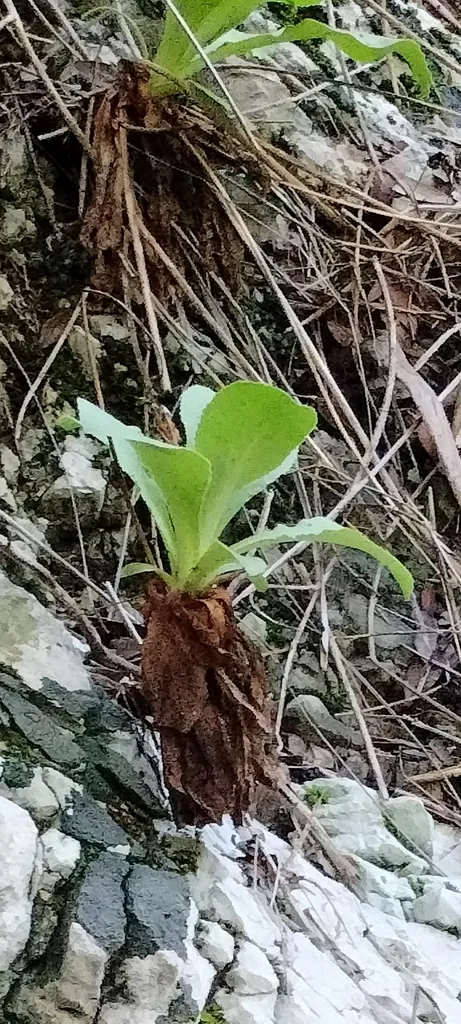
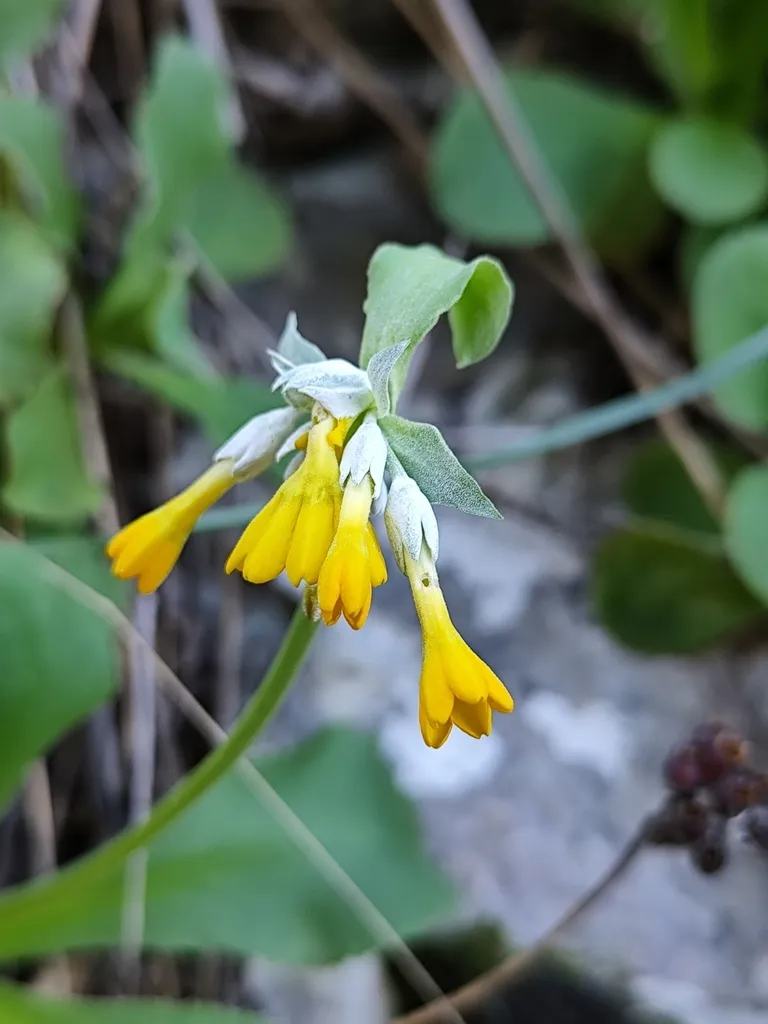
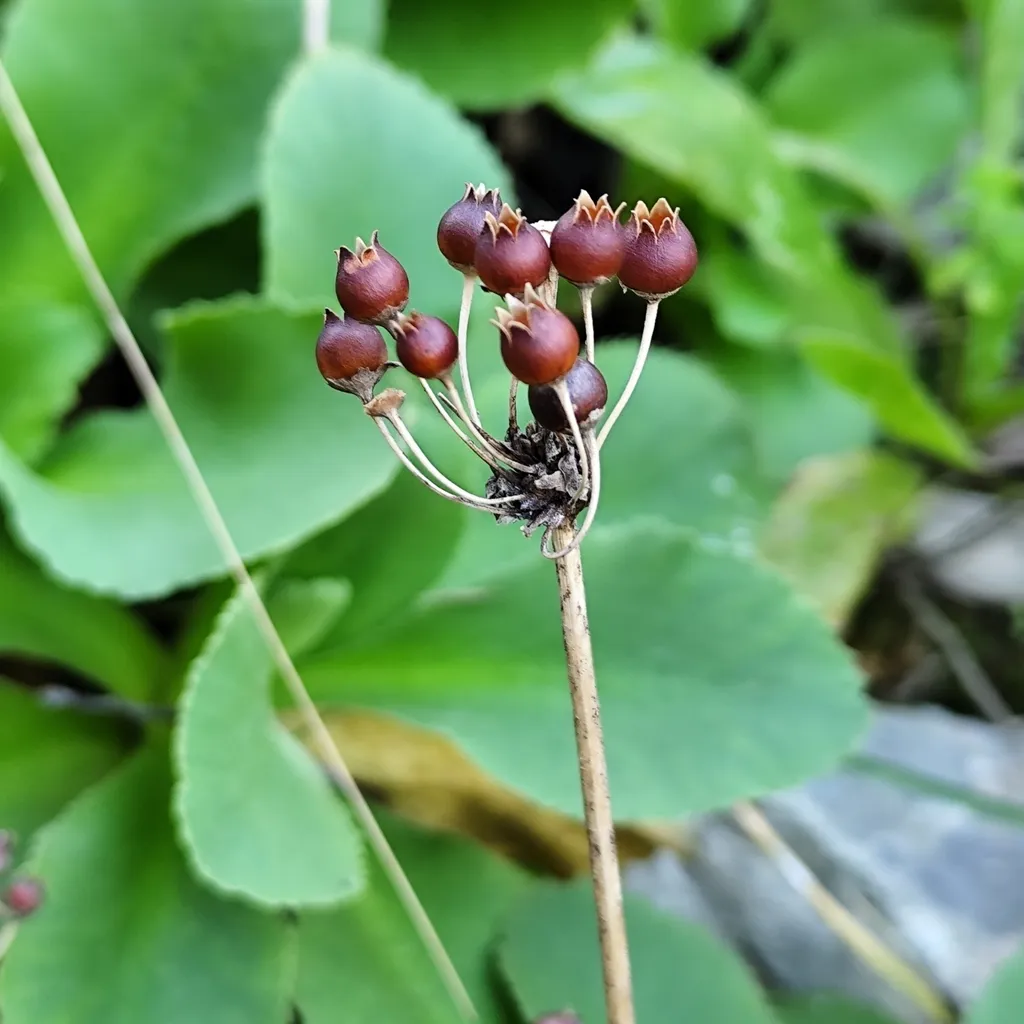
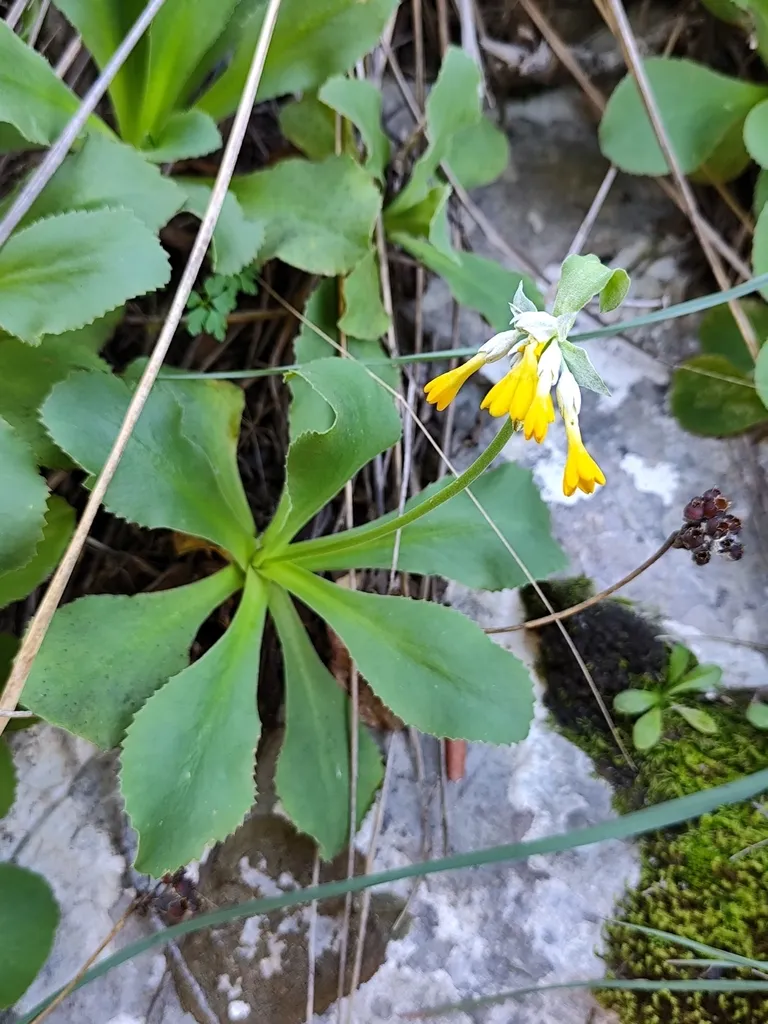
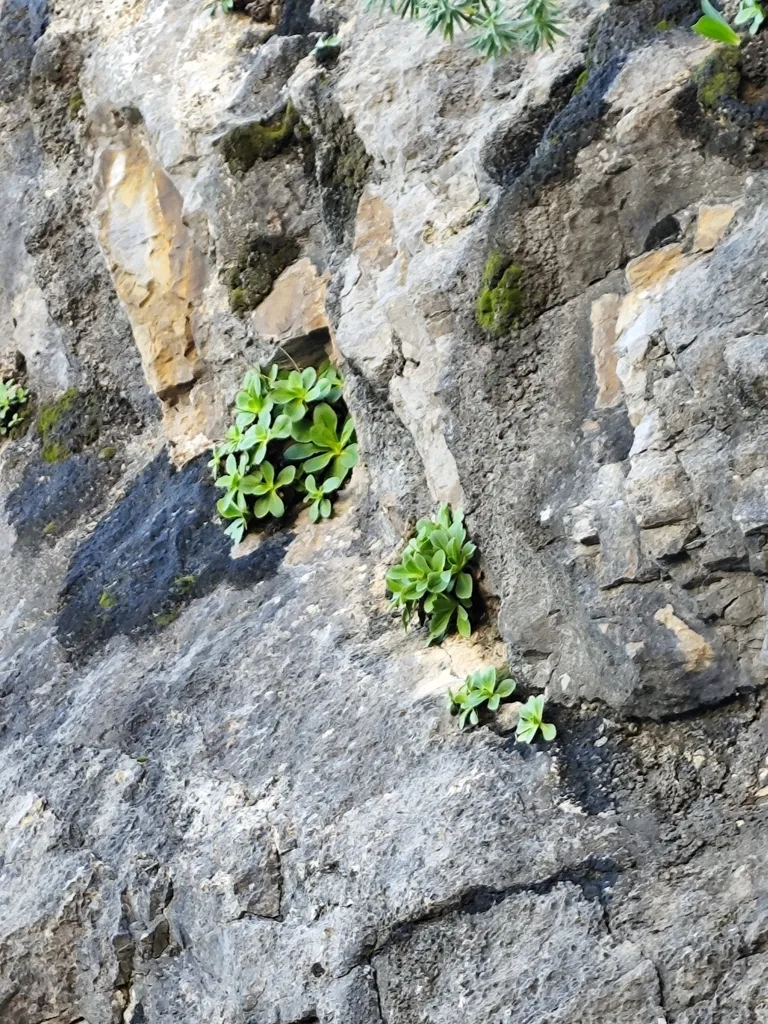
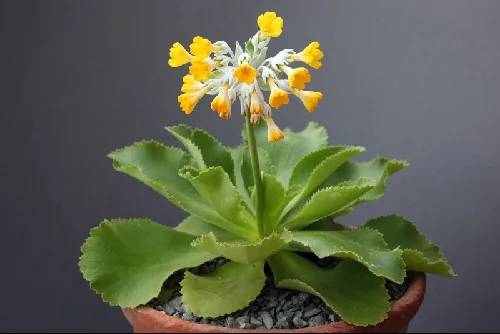
A rosette-forming evergreen perennial, with fleshy mid-green leaves that are sometimes hairy and lightly toothed. Produces clusters of many lightly scented, funnel-shaped flowers with silvery calyxes, yellow petals and a ring of creamy white at the throats, on stout stems in late winter and early spring
Scientific classification
- Species
- Palinuro auricula (Primula palinuri)
- Genus
- Primula
- Family
- Primulaceae
- Information to be completed
- Toxicity
- Alpine Rockery
- Plant type
- 0.1-0.5 metres
- Height
- 0.1-0.5 metres
- Spread
- Evergreen
- Foliage
- Clump forming
- Habit
- Spring · Summer · Autumn · Winter
- Season of interest
- Full sun
- Sunlight
- Information to be completed
- Ideal temperature









Palinuro auricula pictures
Distribution of Palinuro auricula
Distribution map
Italy
Information to be completed
Culture
Information to be completed
Toxicity
Information to be completed
Quick identification of Palinuro auricula
Information to be completed
Palinuro auricula care guide
- Keep soil evenly moist and cool, never fully dry
- Watering
- Full sun
- Sunlight
- Information to be completed
- Ideal temperature

Watering
Keep soil evenly moist and cool, never fully dry
Fertilizing
 Fertilizing
Weak balanced feed during spring growing season
Pruning
 Pruning
No pruning required
Propagation
 Propagation
Propagate by seed sown as soon as ripe, or in late winter or early spring, or by division between autumn and early spring
Growing
 Growing
Grow outdoors in well drained soil in full sun, or in an alpine house or cold frame in a mix of equal parts loam-based potting compost, leaf mould and grit. Avoid wetting the foliage when watering
People also ask
Information to be completed
Common pests and diseases
Diseases
May be susceptible to grey moulds, primula brown core and virus diseases
Pests
May be susceptible to aphids, red spider mites, leafhoppers, vine weevil and slugs
Explore the plant health library →




