
Rocky Mountain columbine
Also known as: Colorado blue columbine
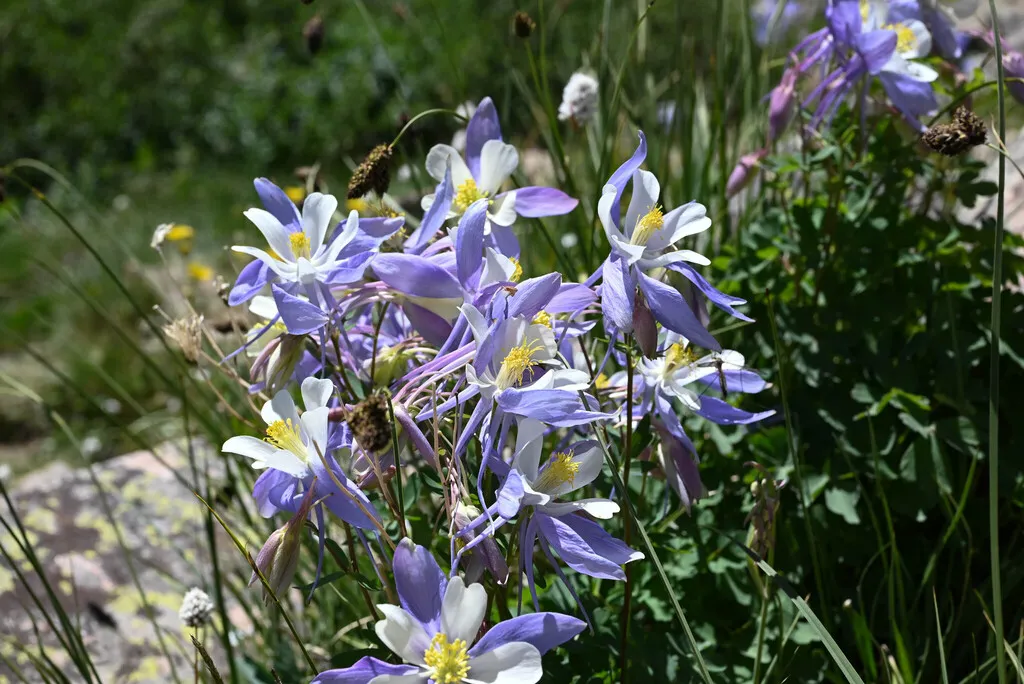
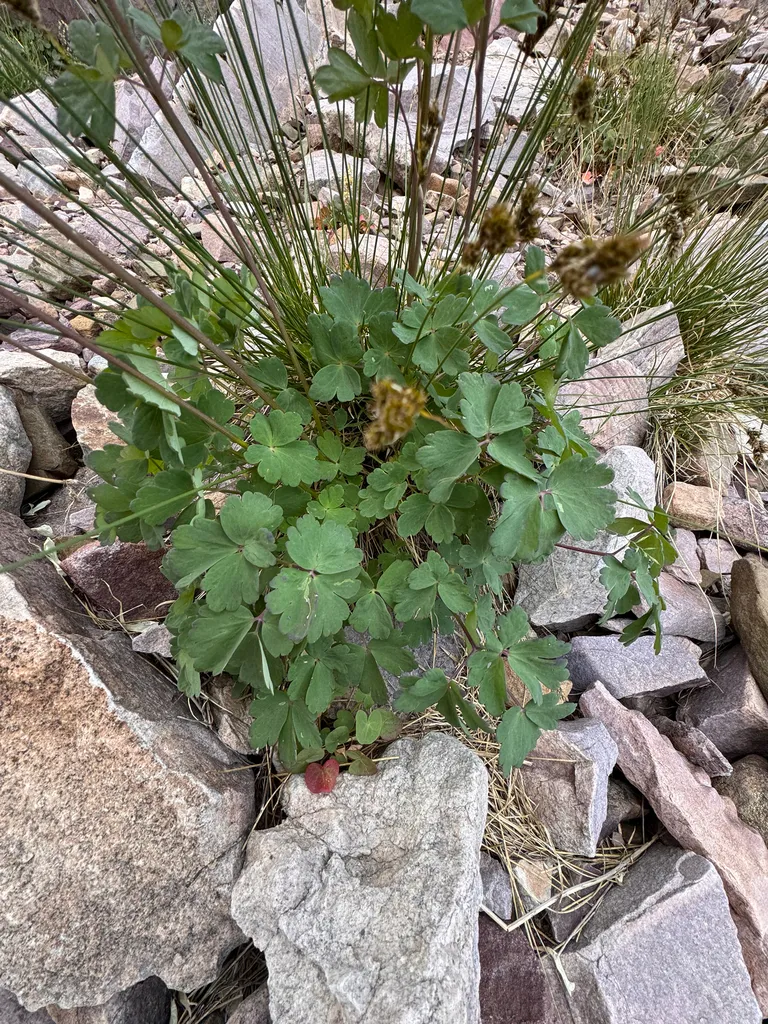
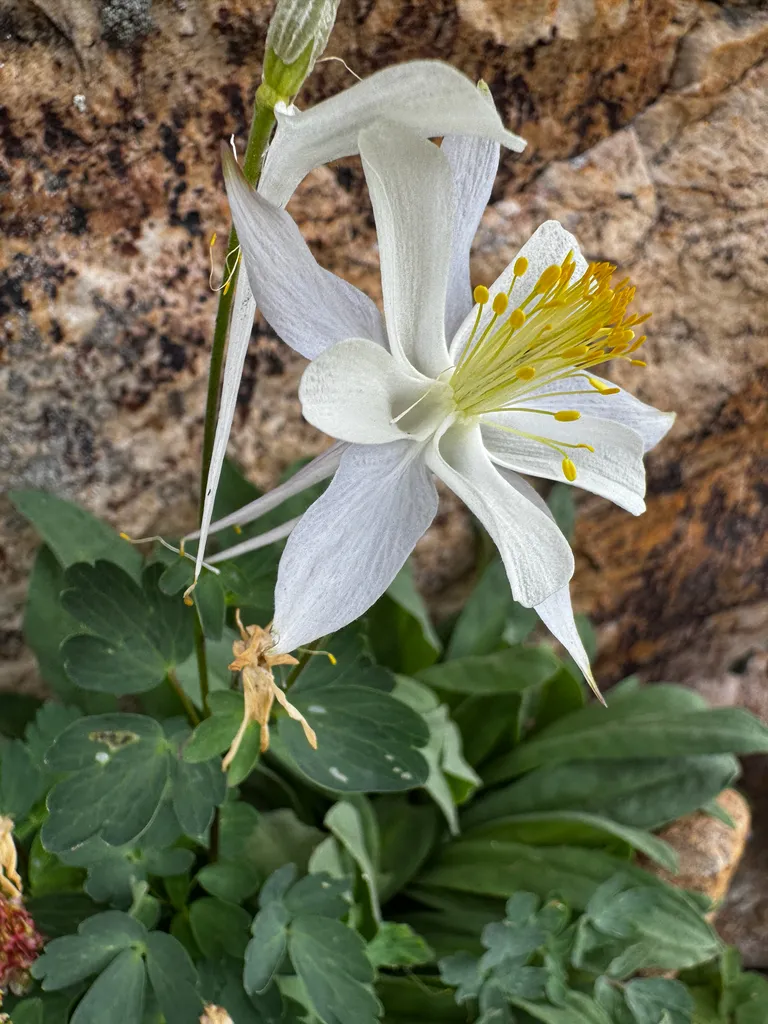
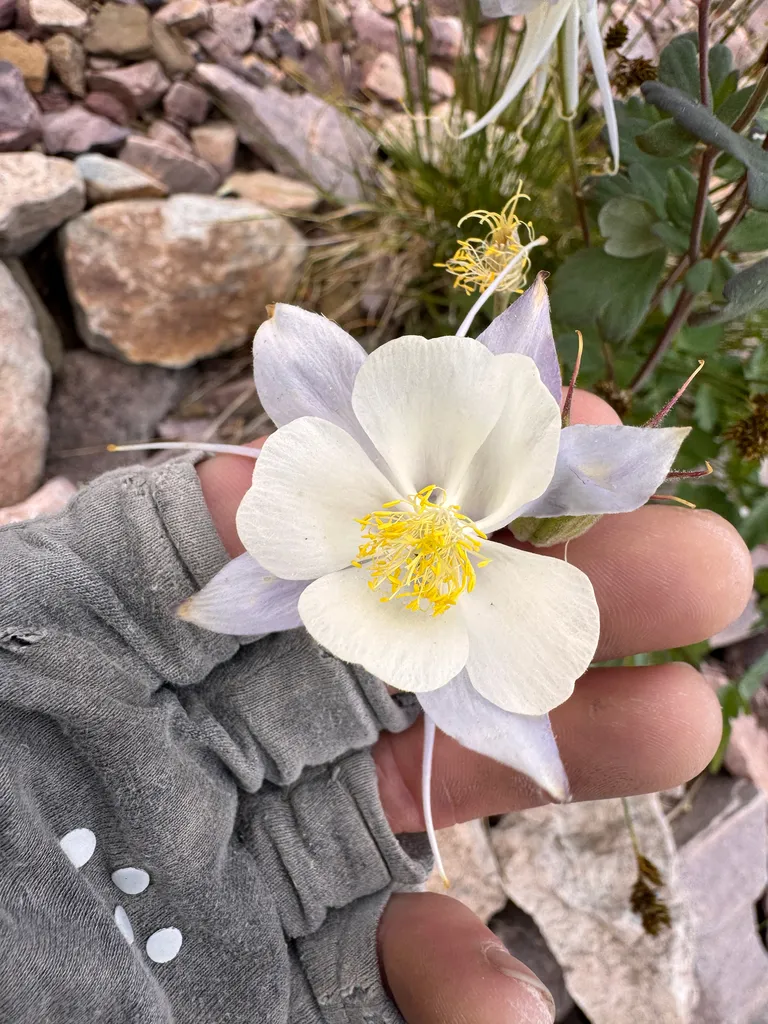
An upright perennial with mid-green leaves and deeply lobed leaflets; hairy on their undersides. Flowers are bicoloured with pale to dark blue, wide-spreading sepals and white petals with slender spurs
Scientific classification
- Species
- Rocky Mountain columbine (Aquilegia coerulea)
- Genus
- Aquilegia
- Family
- Ranunculaceae
- Order
- Ranunculales
- Class
- Magnoliopsida
- Phylum
- Magnoliophyta
- Information to be completed
- Toxicity
- Herbaceous Perennial
- Plant type
- 0.1-0.5 metres
- Height
- 0.1-0.5 metres
- Spread
- Deciduous
- Foliage
- Clump forming
- Habit
- Spring · Summer
- Season of interest
- Full sun · Partial shade
- Sunlight
- Information to be completed
- Ideal temperature









Rocky Mountain columbine pictures
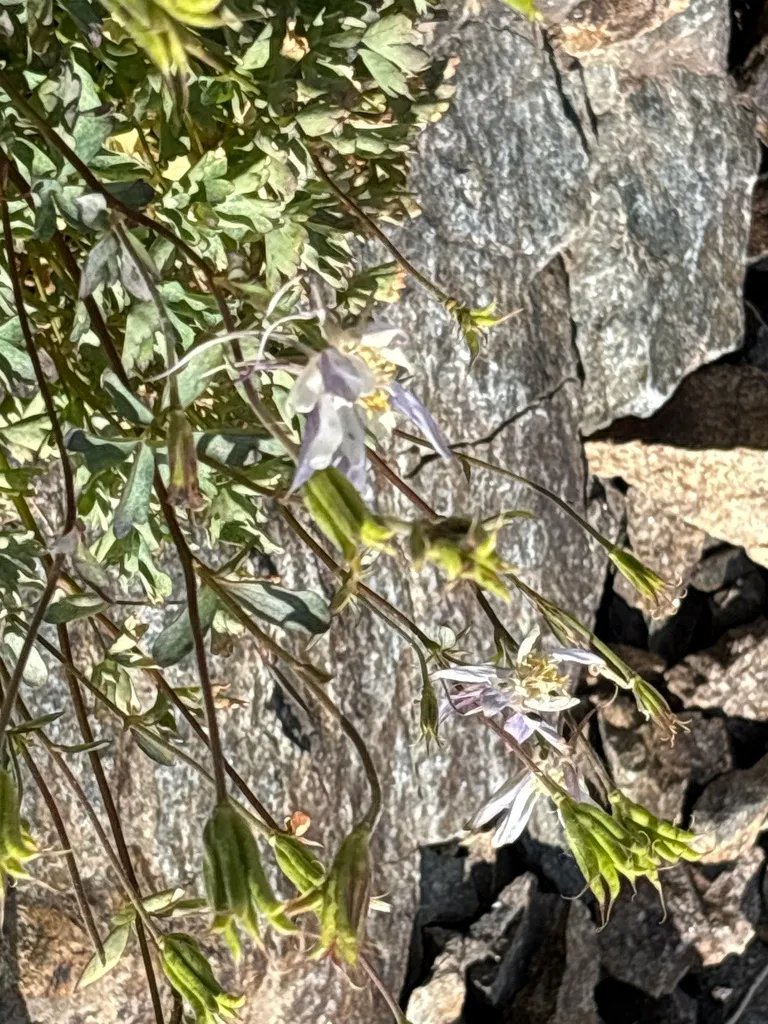
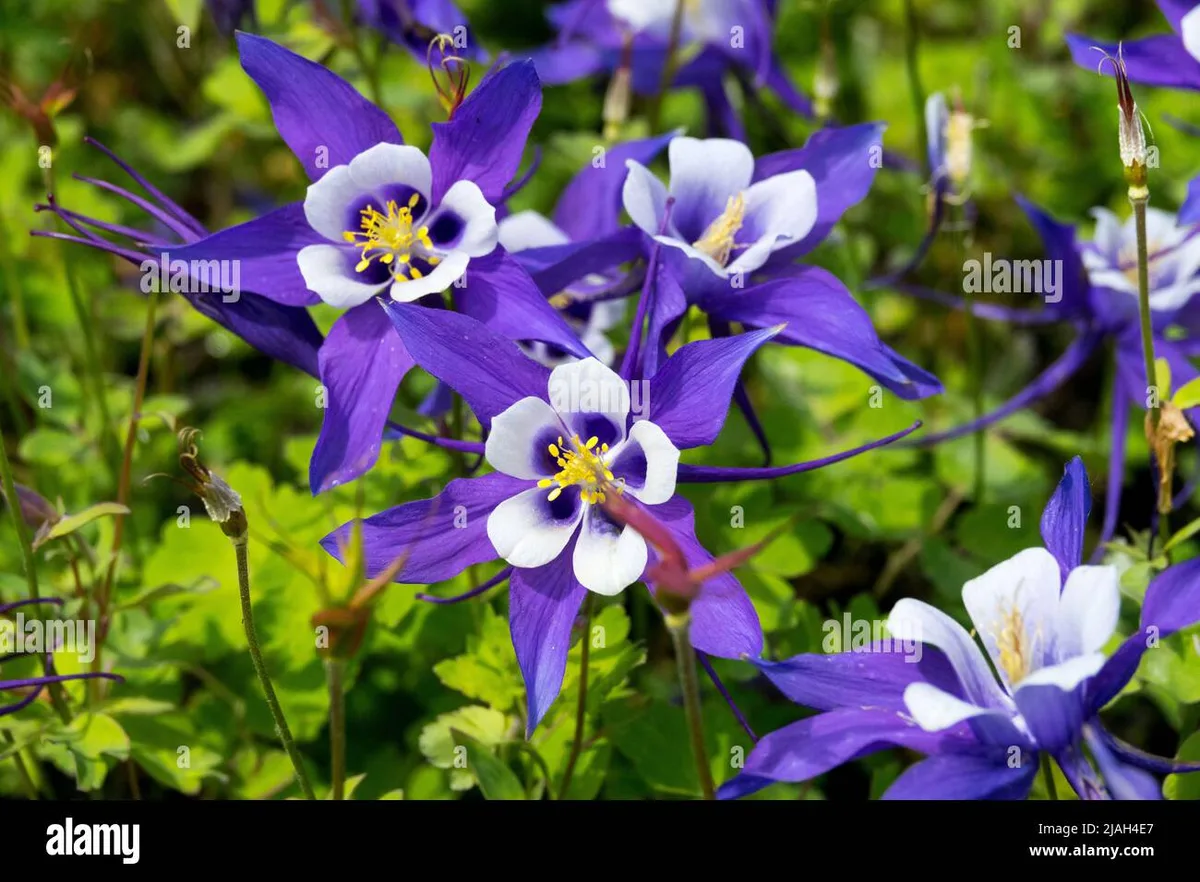
Distribution of Rocky Mountain columbine
Distribution map
- Native
- Introduced
- Cultivated
Source:WCVP v16 · Royal Botanic Gardens, Kew · CC BY 3.0 · Boundaries:WGSRPD / TDWG
Rocky Mountain columbine care guide
- Moderate regular watering, allowing brief slight drying between soakings
- Watering
- Full sun · Partial shade
- Sunlight

Watering
Moderate regular watering, allowing brief slight drying between soakings
Fertilizing
 Fertilizing
Balanced perennial feed every four weeks from spring through summer
Pruning
 Pruning
Cut back foliage affected by fungal diseases
Propagation
 Propagation
Propagate by seed sown in pots in a cold frame as soon as seed is ripe or in spring. It can also be propagated by division in spring but the plant will be slow to recover
Growing
 Growing
Grow in fertile, moist but well-drained soil in full sun or partial shade
Common pests and diseases
Diseases
May be infected by powdery mildews and aquilegia downy mildew
Pests
Can get aphids, leaf-mining flies and sawflies
Explore the plant health library →




