
rosy primrose
Also known as: Information to be completed
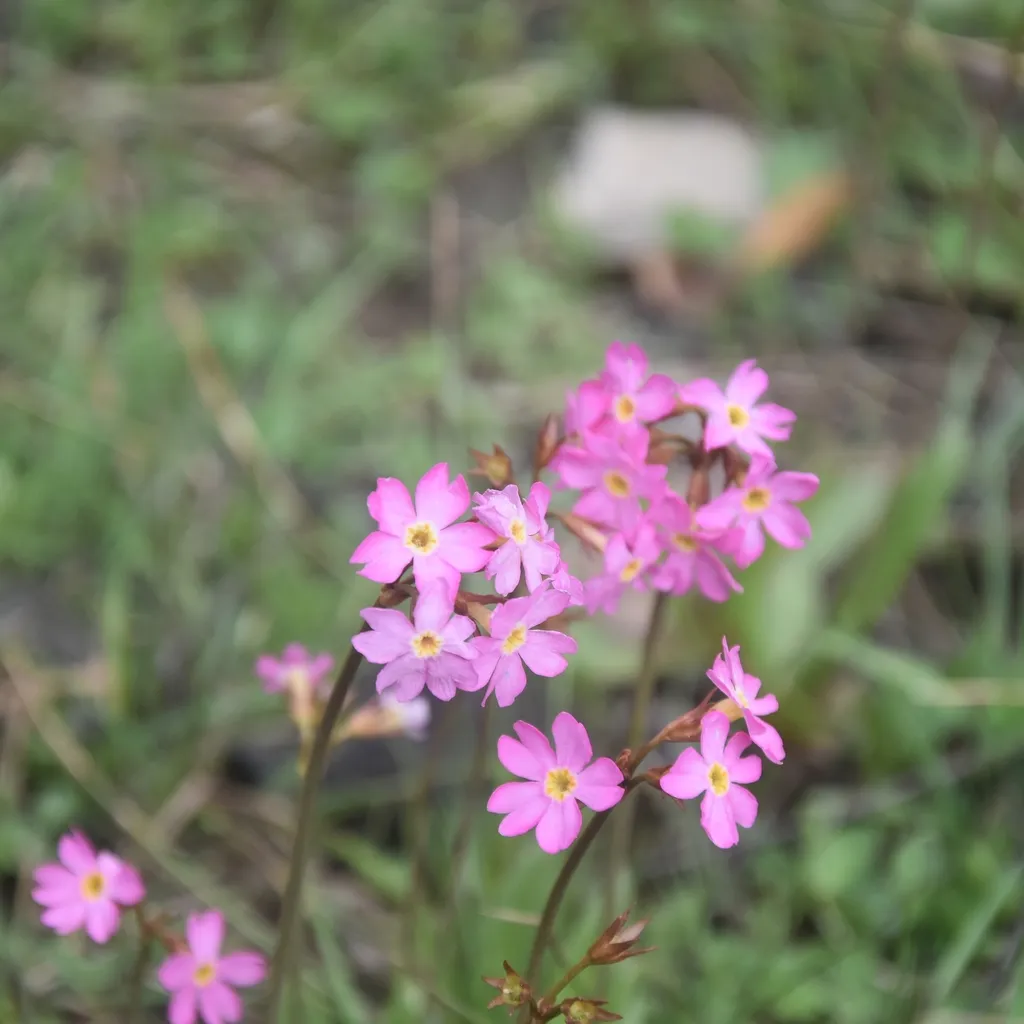
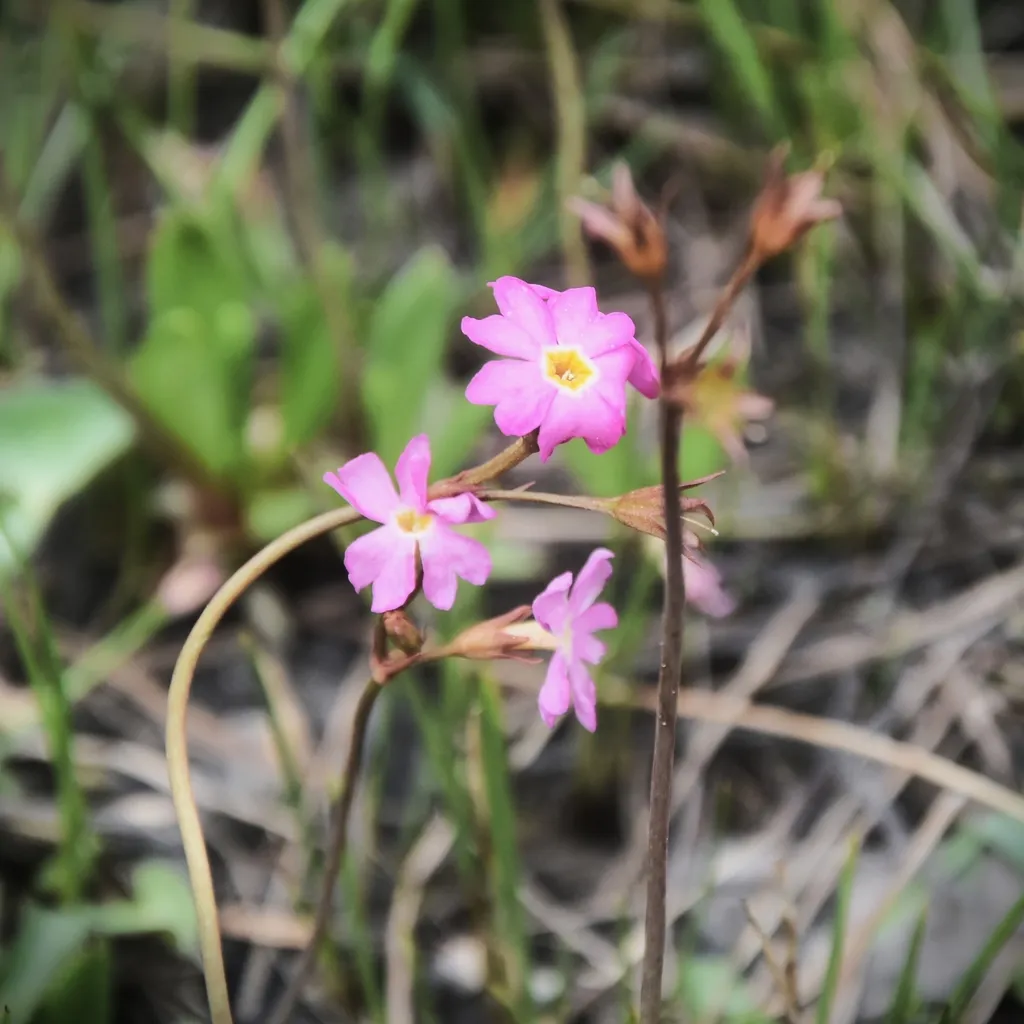
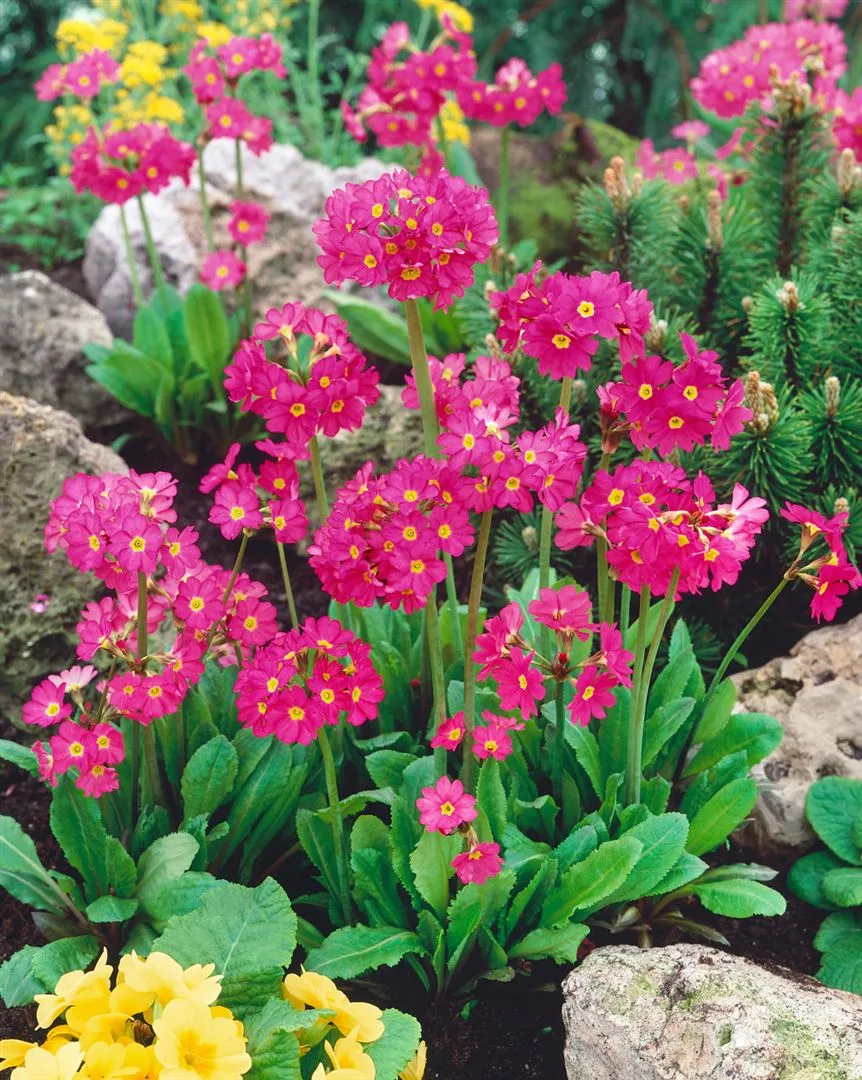
P. rosea is a rosette-forming herbaceous perennial to 20cm, with narrow, red-flushed leaves appearing after the flowers. Erect stems end in an umbel of bright deep rose-pink, yellow-eyed flowers 2-3cm in width
Scientific classification
- Species
- rosy primrose (Primula rosea)
- Genus
- Primula
- Family
- Primulaceae
- Information to be completed
- Toxicity
- Alpine Rockery · Herbaceous Perennial
- Plant type
- 0.1-0.5 metres
- Height
- 0.1-0.5 metres
- Spread
- Deciduous
- Foliage
- Clump forming
- Habit
- Spring
- Season of interest
- Full sun · Partial shade
- Sunlight
- Information to be completed
- Ideal temperature









rosy primrose pictures
Distribution of rosy primrose
Distribution map
NW and Western Himalaya
Information to be completed
Culture
Information to be completed
Toxicity
Information to be completed
Quick identification of rosy primrose
Information to be completed
rosy primrose care guide
- Consistently damp soil, suited to pond edge and wet planting areas
- Watering
- Full sun · Partial shade
- Sunlight
- Information to be completed
- Ideal temperature

Watering
Consistently damp soil, suited to pond edge and wet planting areas
Fertilizing
 Fertilizing
Weak aquatic flower feed monthly in spring and summer months
Pruning
 Pruning
No pruning required
Propagation
 Propagation
Propagate by division in autumn or after flowering
Growing
 Growing
Good for boggy conditions or waterside borders in sun or partial shade
People also ask
Information to be completed
Common pests and diseases
Diseases
May be susceptible to primula leaf spot, primula brown core and grey moulds
Pests
May be susceptible to aphids, vine weevil, slugs, leaf and bud eelworms, leaf-mining flies and glasshouse red spider mite
Explore the plant health library →




