
Cistus inflatus
Also known as: Information to be completed
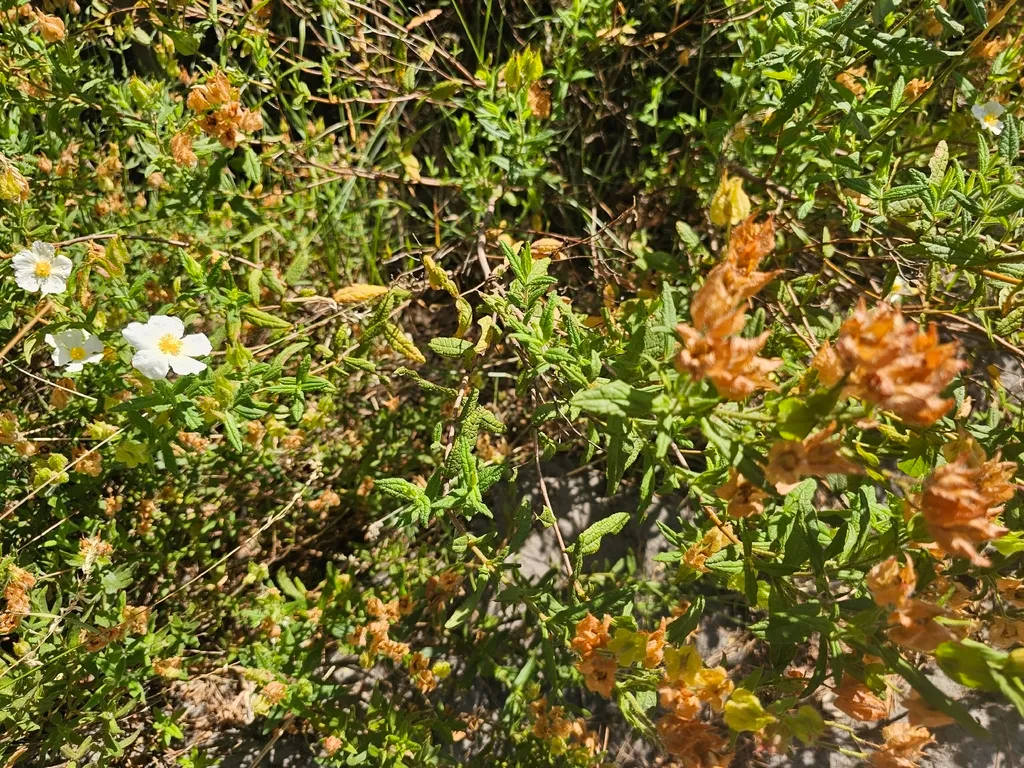
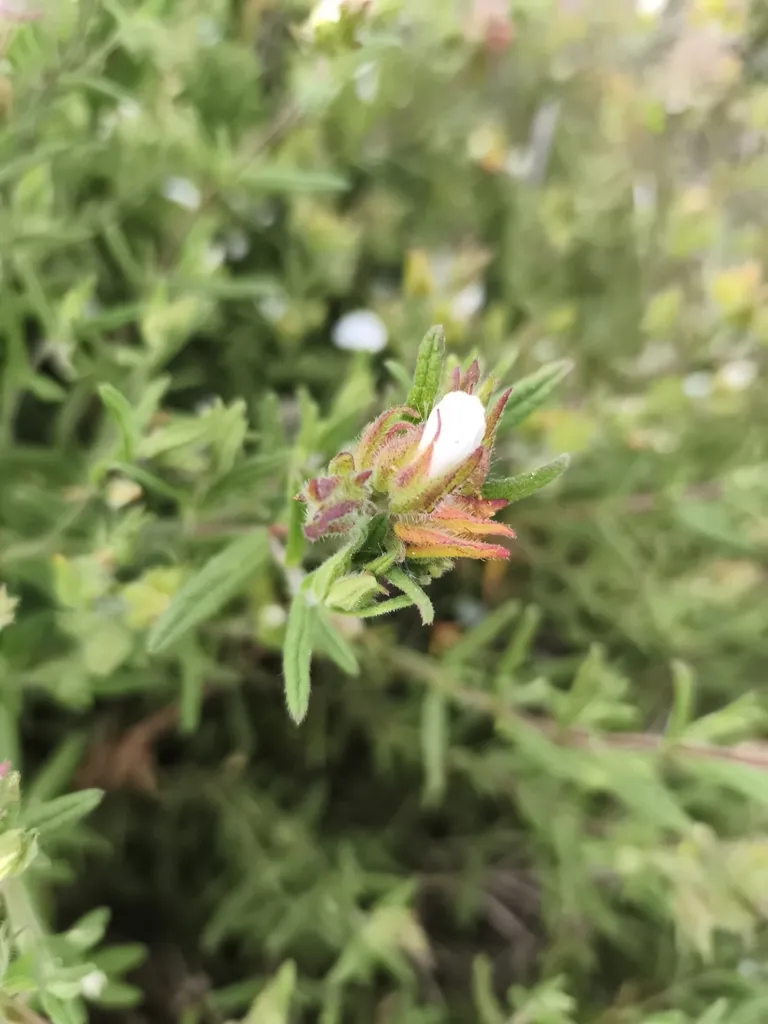
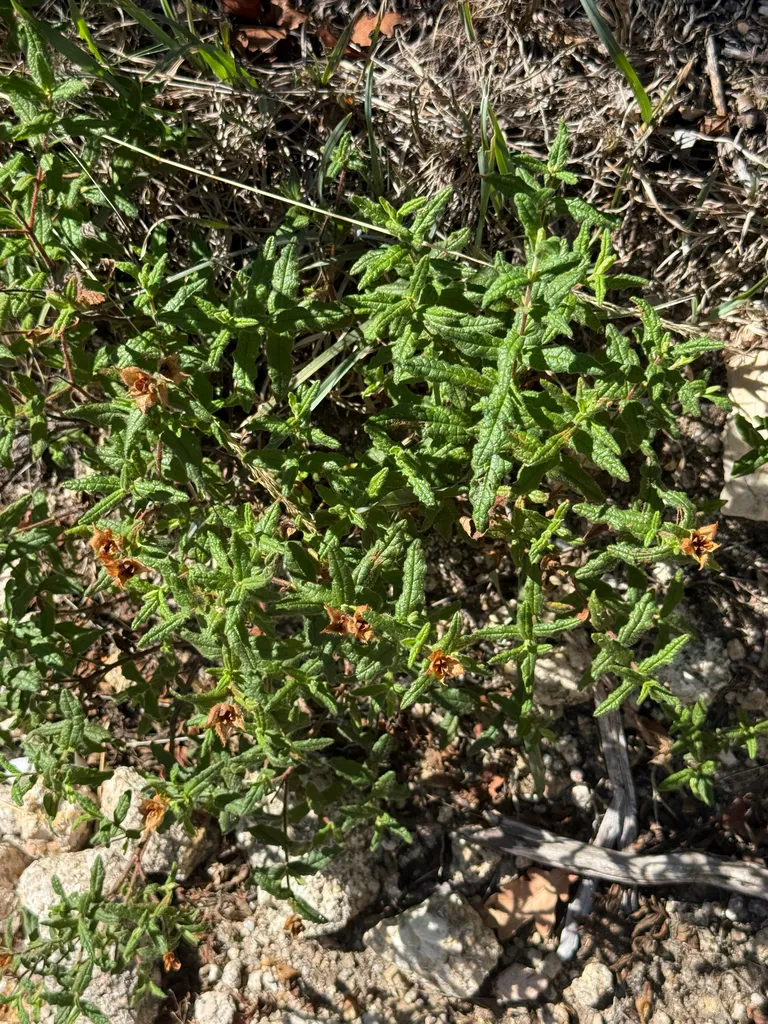
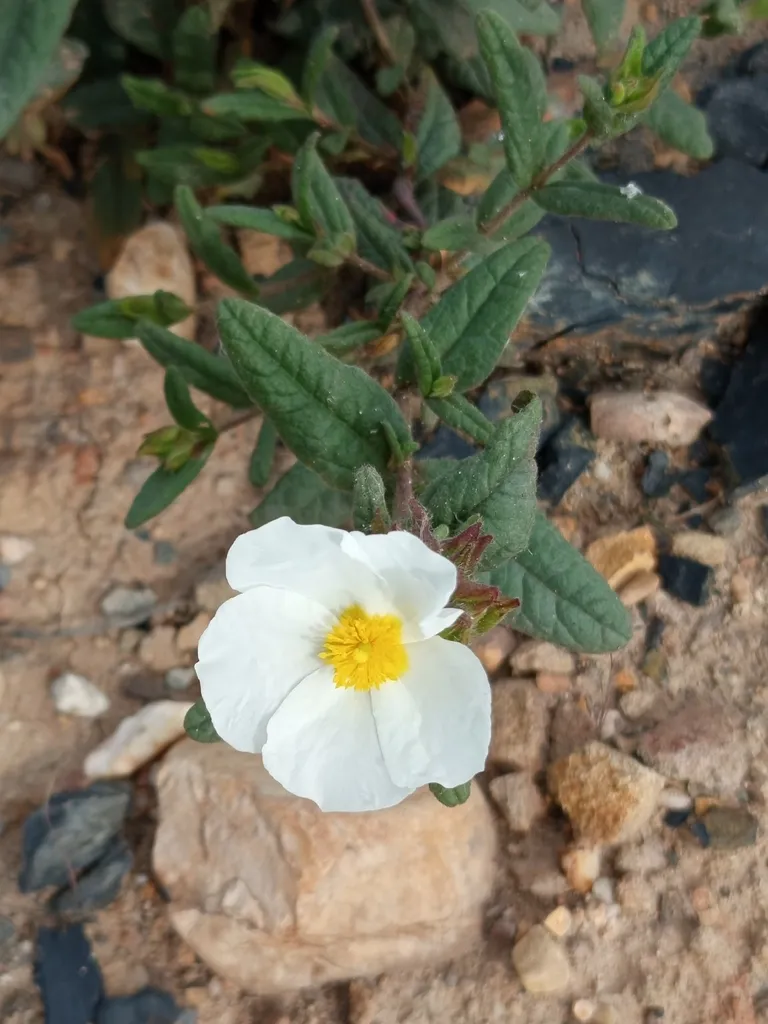
A bushy evergreen shrub producing stems to 1m high and across, with oval to oblong foliage, dark green on the upper surface and paler below. The plant is covered with glandular hairs and aromatic to the touch. White, five petalled flowers,to 4cm (1½in) in diameter, with a central boss of bright yellow stamens, are produced throughout summer. The petals are broadly oval in shape and recurved at their margins. The plant requires full sun and very well-drained soil in which to grow successfully, particularly overwinter, when rainfall may be higher.
Scientific classification
- Species
- Cistus inflatus (Cistus inflatus)
- Genus
- Cistus
- Family
- Cistaceae
- Order
- Malvales
- Class
- Magnoliopsida
- Phylum
- Tracheophyta
- Information to be completed
- Toxicity
- Shrubs
- Plant type
- 0.1-0.5 metres
- Height
- 0.5-1 metres
- Spread
- Evergreen
- Foliage
- Bushy
- Habit
- Spring · Summer · Autumn · Winter
- Season of interest
- Full sun
- Sunlight
- Information to be completed
- Ideal temperature









Cistus inflatus pictures
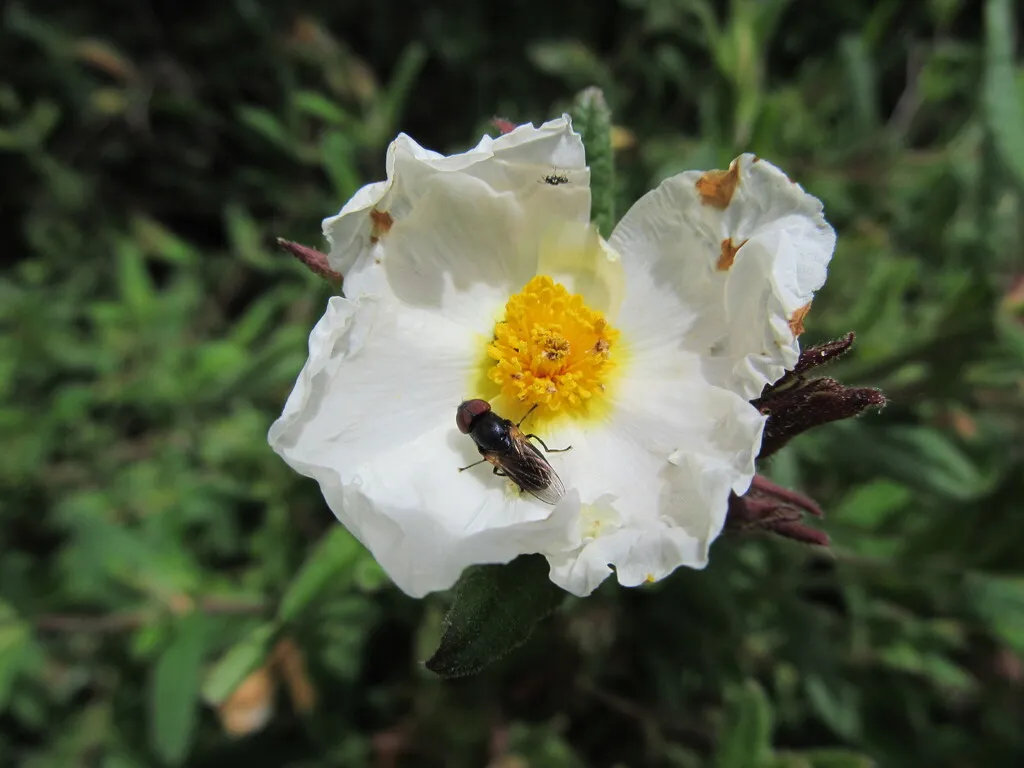
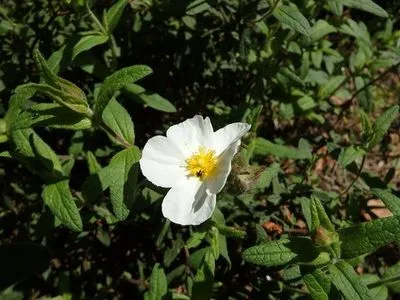
Distribution of Cistus inflatus
Distribution map
- Native
- Introduced
- Cultivated
Source:WCVP v16 · Royal Botanic Gardens, Kew · CC BY 3.0 · Boundaries:WGSRPD / TDWG
Cistus inflatus care guide
- Moderate regular watering, allowing brief slight drying between soakings
- Watering
- Full sun
- Sunlight

Watering
Moderate regular watering, allowing brief slight drying between soakings
Fertilizing
 Fertilizing
Balanced perennial feed every four weeks from spring through summer
Pruning
 Pruning
Usually little pruning is needed. Lightly shape if necessary, removing dead, damaged or diseased shoots. Prune after flowering.
Propagation
 Propagation
Propagate by seed, softwood cuttings in spring and by semi-ripe cuttings from midsummer to early autumn
Growing
 Growing
Grows well in poor, but well drained soil, in a sheltered site and full sun. The foliage may become chlorotic with age when the shrubs are grown on chalky soil.
Common pests and diseases
Diseases
May be susceptible to honey fungus
Pests
Generally pest-free
Explore the plant health library →




