
king protea
Also known as: Cape artichoke flower
P. cynaroides is a sparsely branched evergreen shrub with leathery, elliptic leaves and terminal, bowl-shaped flowerheads 15-30cm across, with red to pink or cream bracts
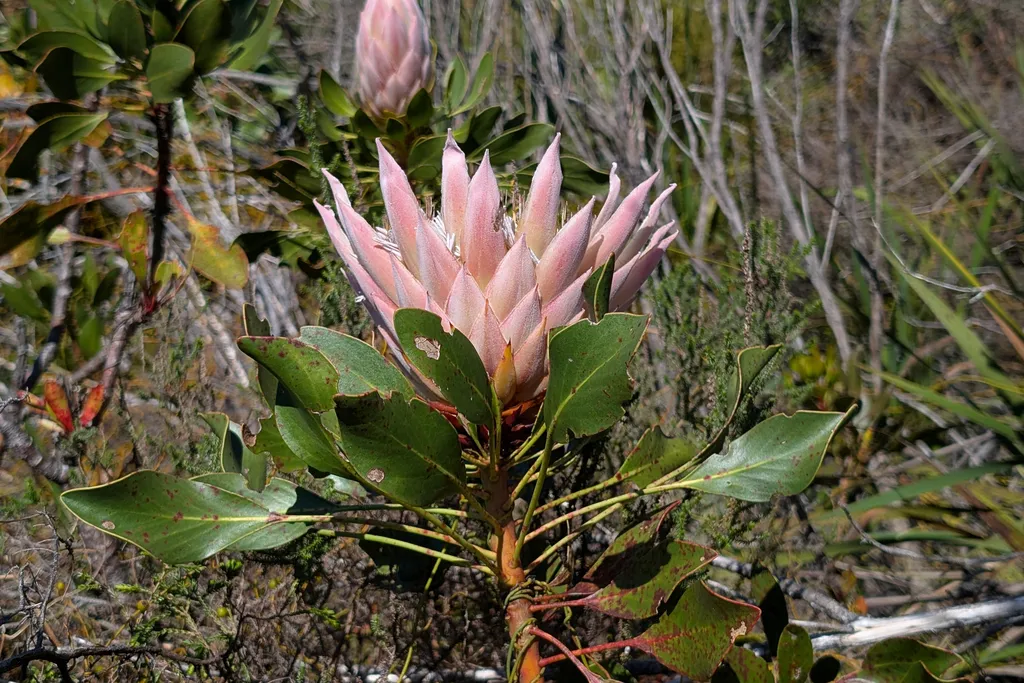
Scientific classification
- Species
- king protea (Protea cynaroides)
- Genus
- Protea
- Family
- Proteaceae
- Information to be completed
- Toxicity
- Conservatory Greenhouse · Shrubs
- Plant type
- 1-1.5 metres
- Height
- 1-1.5 metres
- Spread
- Evergreen
- Foliage
- Bushy
- Habit
- Spring · Summer · Autumn · Winter
- Season of interest
- Full sun
- Sunlight
- Information to be completed
- Ideal temperature









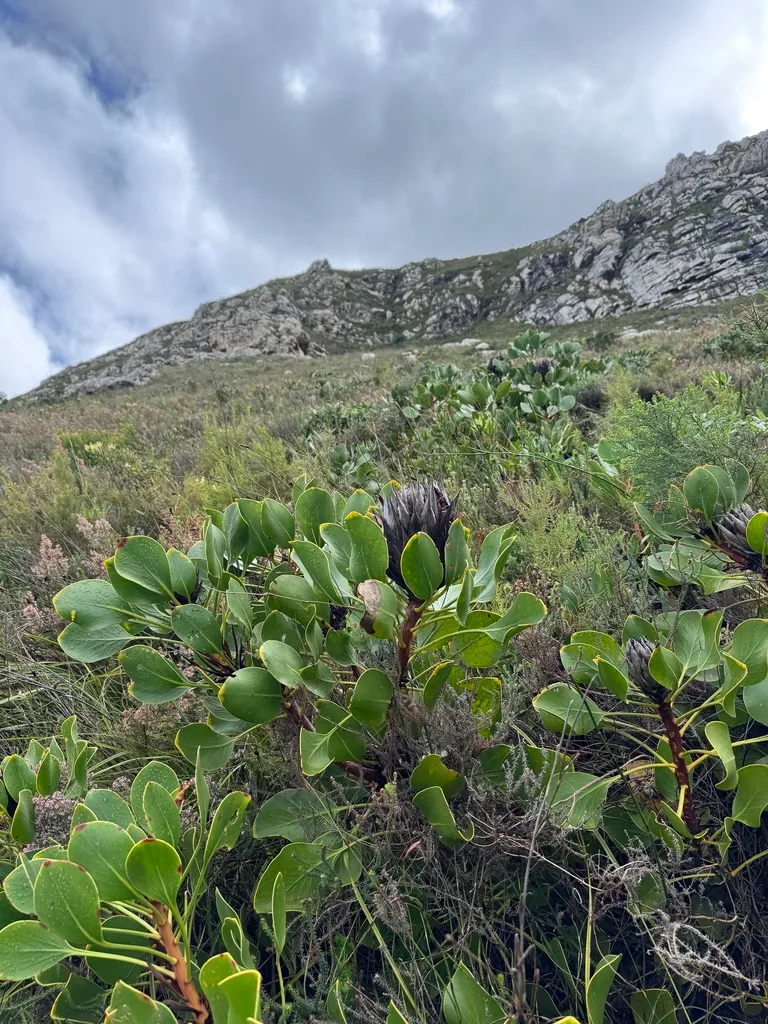
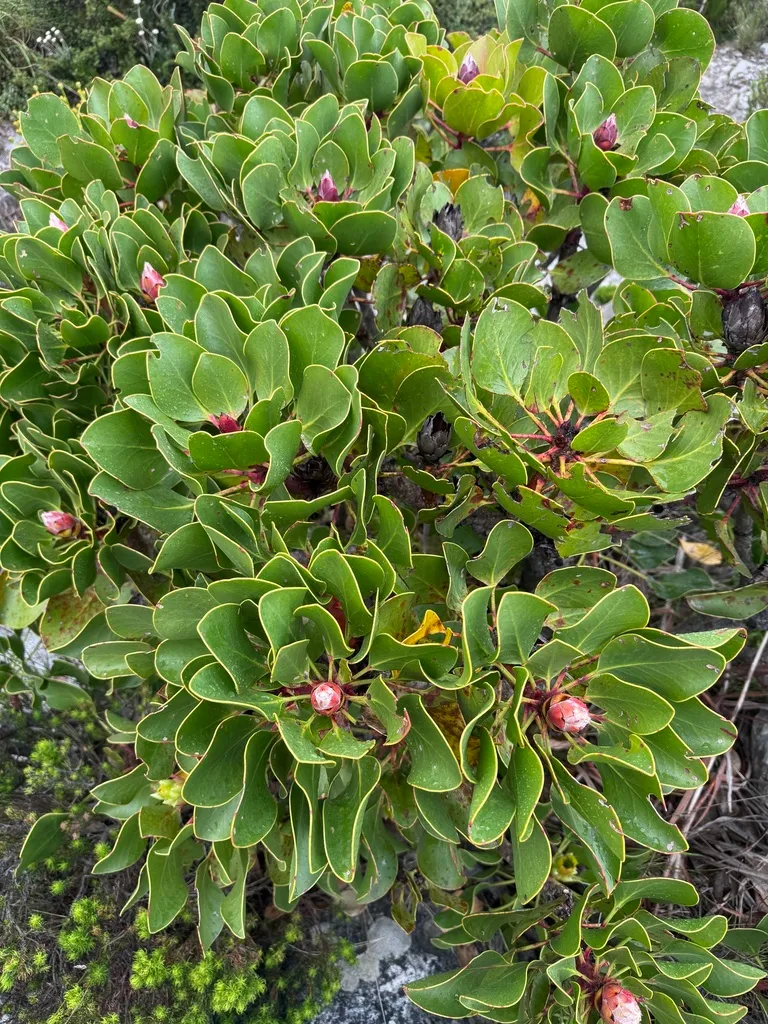
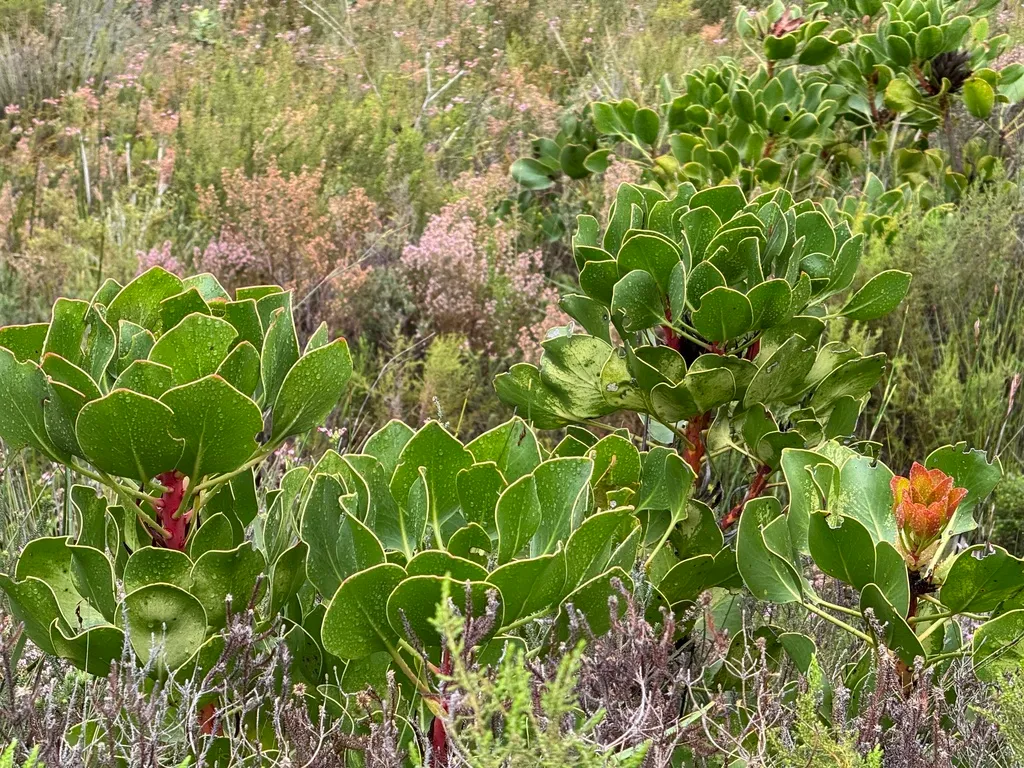
king protea pictures
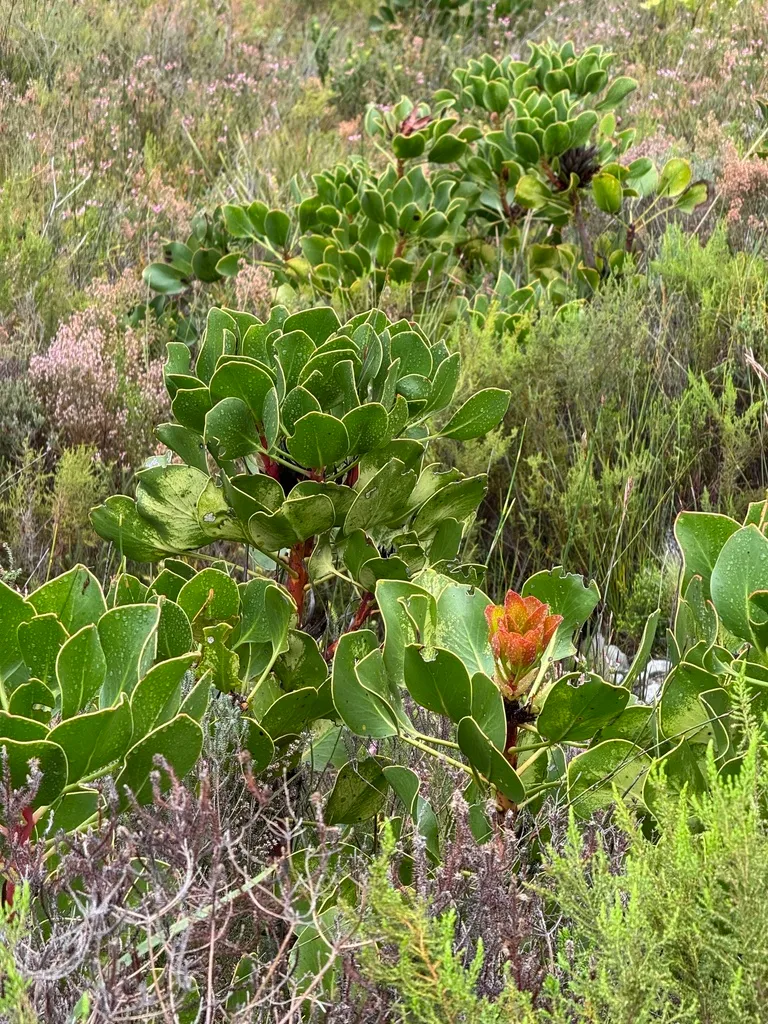
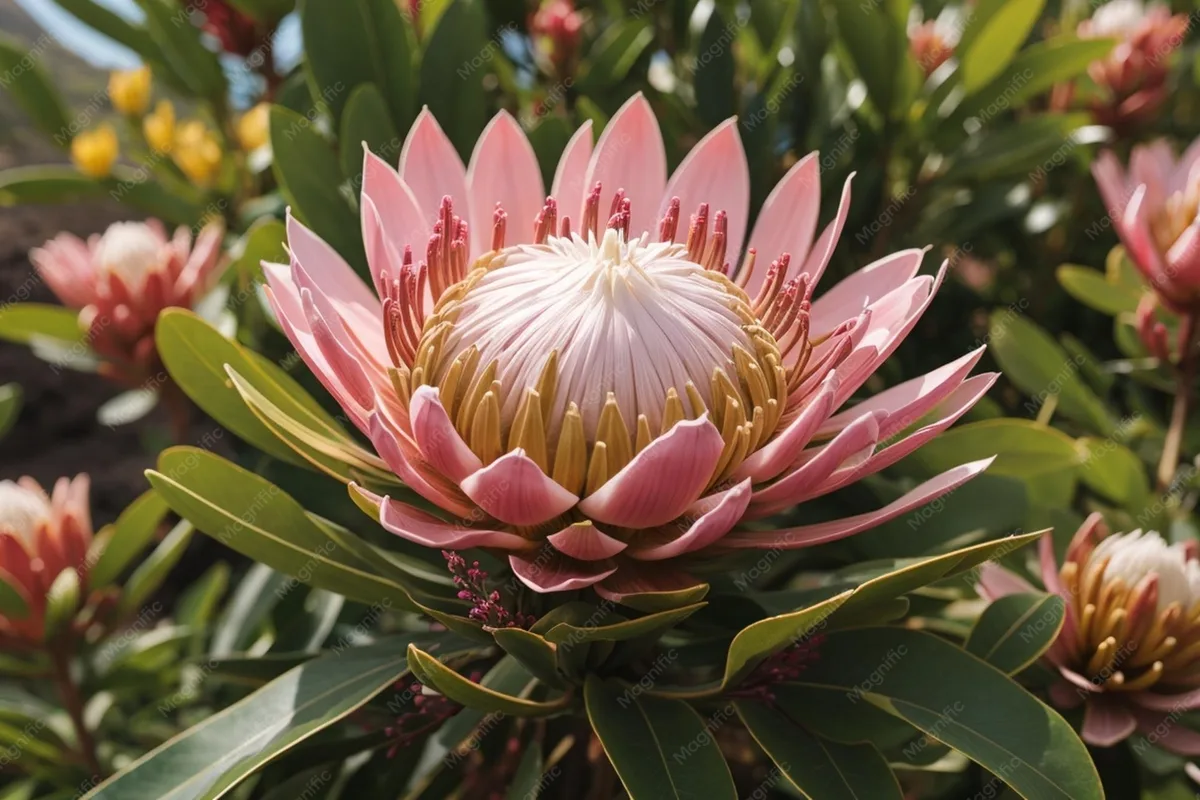
Distribution of king protea
Distribution map
South Africa
Information to be completed
Culture
Information to be completed
Toxicity
Information to be completed
Quick identification of king protea
Information to be completed
king protea care guide
- Moderate regular watering, allowing brief slight drying between soakings
- Watering
- Full sun
- Sunlight
- Information to be completed
- Ideal temperature

Watering
Moderate regular watering, allowing brief slight drying between soakings
Fertilizing
 Fertilizing
Balanced perennial feed every four weeks from spring through summer
Pruning
 Pruning
Little pruning is needed. Remove diseased, damaged, crowded or crossing shoots and unwanted growth. Timing depends on the plant: generally late winter or early spring; plants prone to bleeding and deciduous magnolias need different timing, and deciduous azaleas and lilacs are pruned after flowering.
Propagation
 Propagation
Propagate by seed sown at 13-18°C when ripe or in spring, or take semi-hardwood cuttings in summer
Growing
 Growing
Grow under glass in full light. Water sparingly in winter. Grow outdoors in a frost-free, sheltered border in poor neutral to acid, well drained soil. Die back and general failure to thrive usually indicates that the rooting medium is too rich
People also ask
Information to be completed
Common pests and diseases
Diseases
May be susceptible to honey fungus (rarely)
Pests
Generally pest-free
Explore the plant health library →




