
selfheal
Also known as: all-heal; blue curls; blue Lucy; brownwort; brunel; caravaun bog; carpenter grass; carpenter's square; heart of the earth; herb carpenter; Hercules' all-heal; hook-heal; hookweed; panay; proud carpenter; self heal; sickle-heal; sicklewort; slough-heal; square stem; carpenter's herb; heal-all; thimble flower
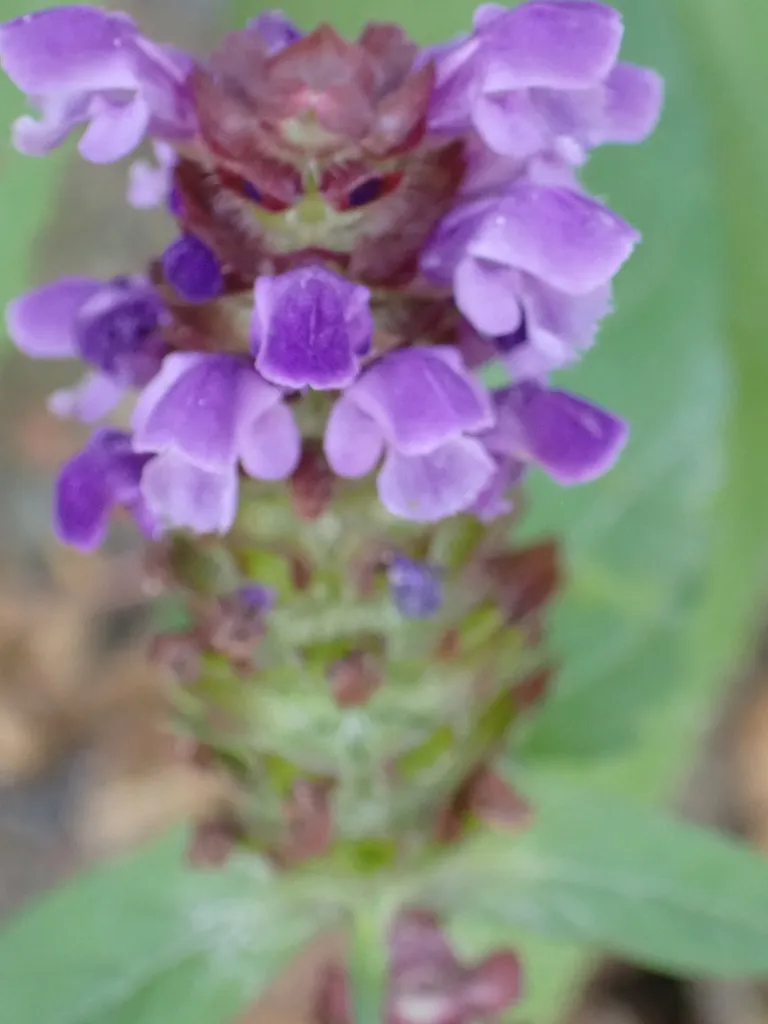
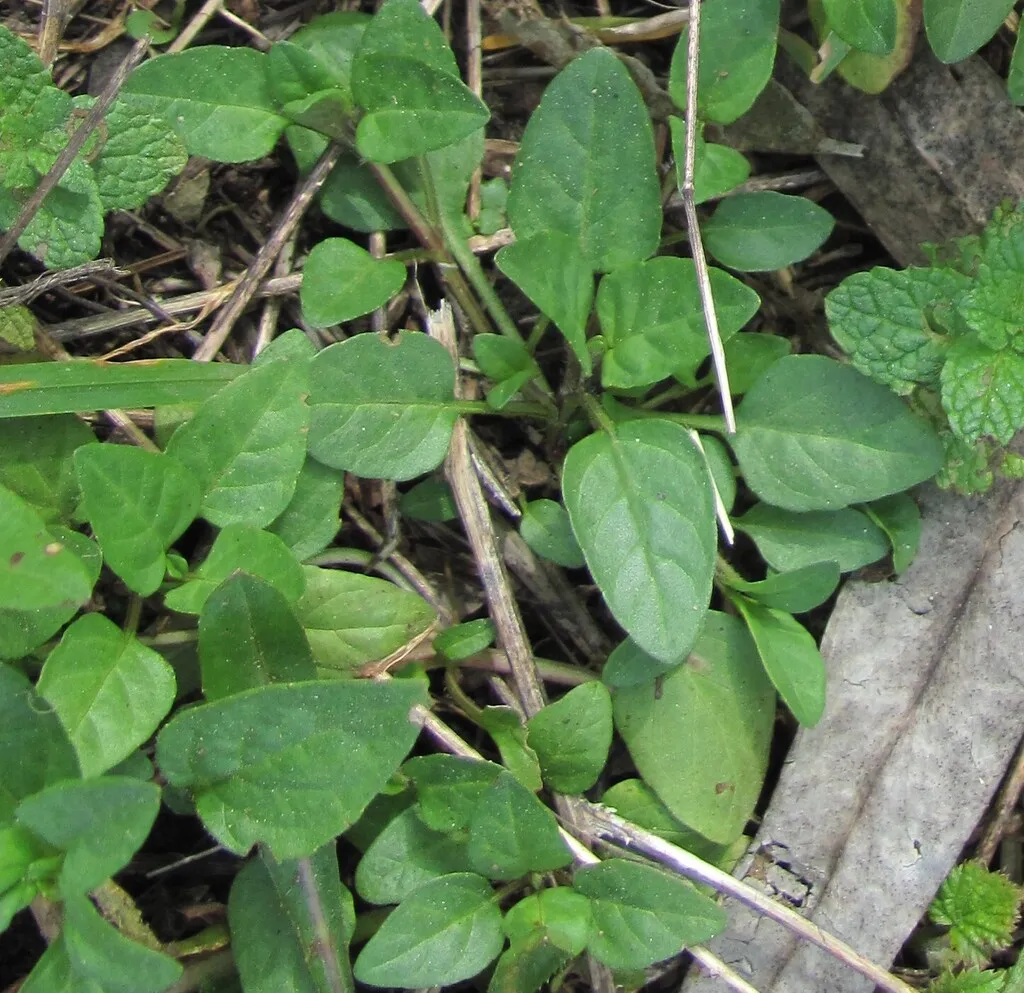
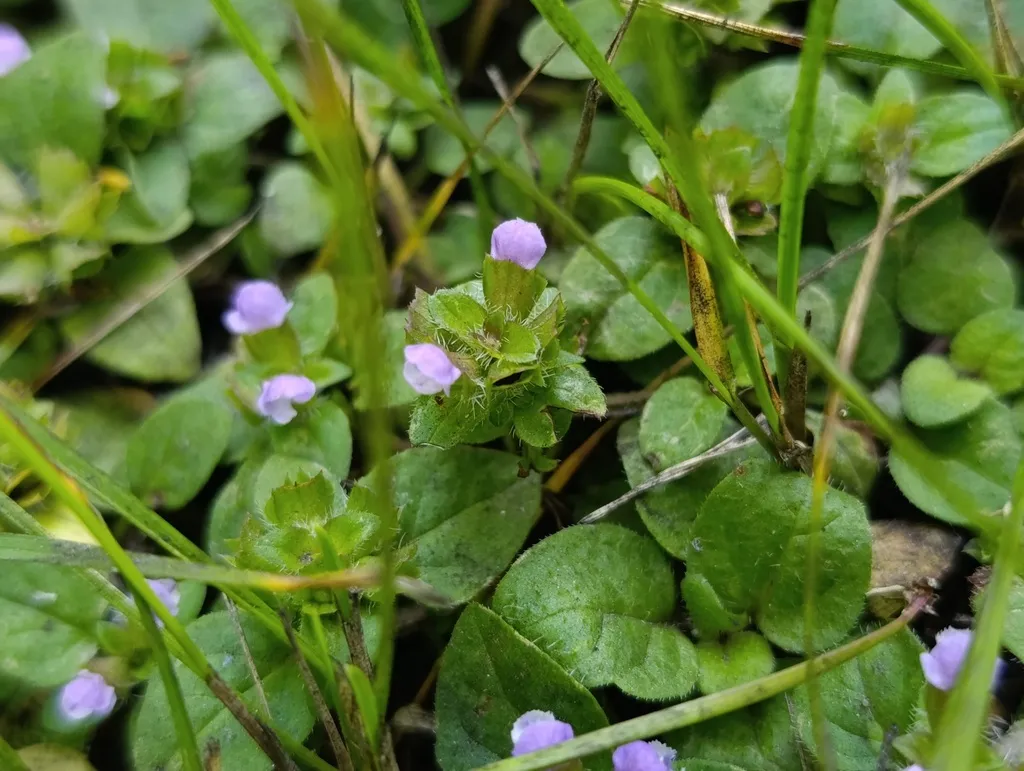
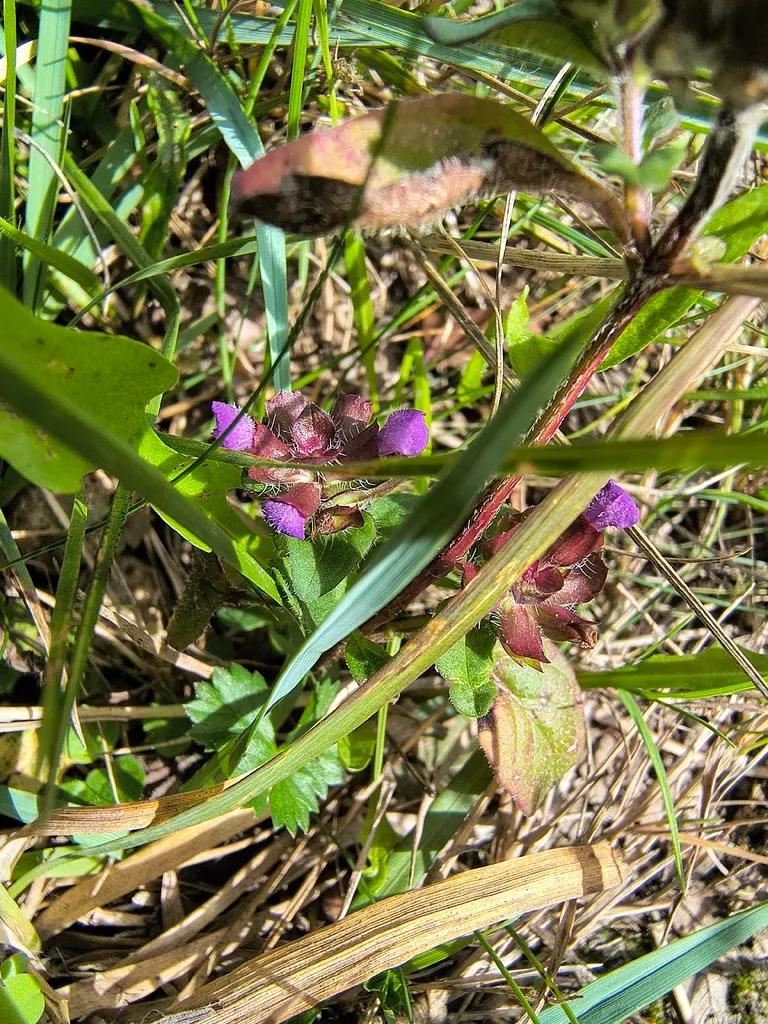
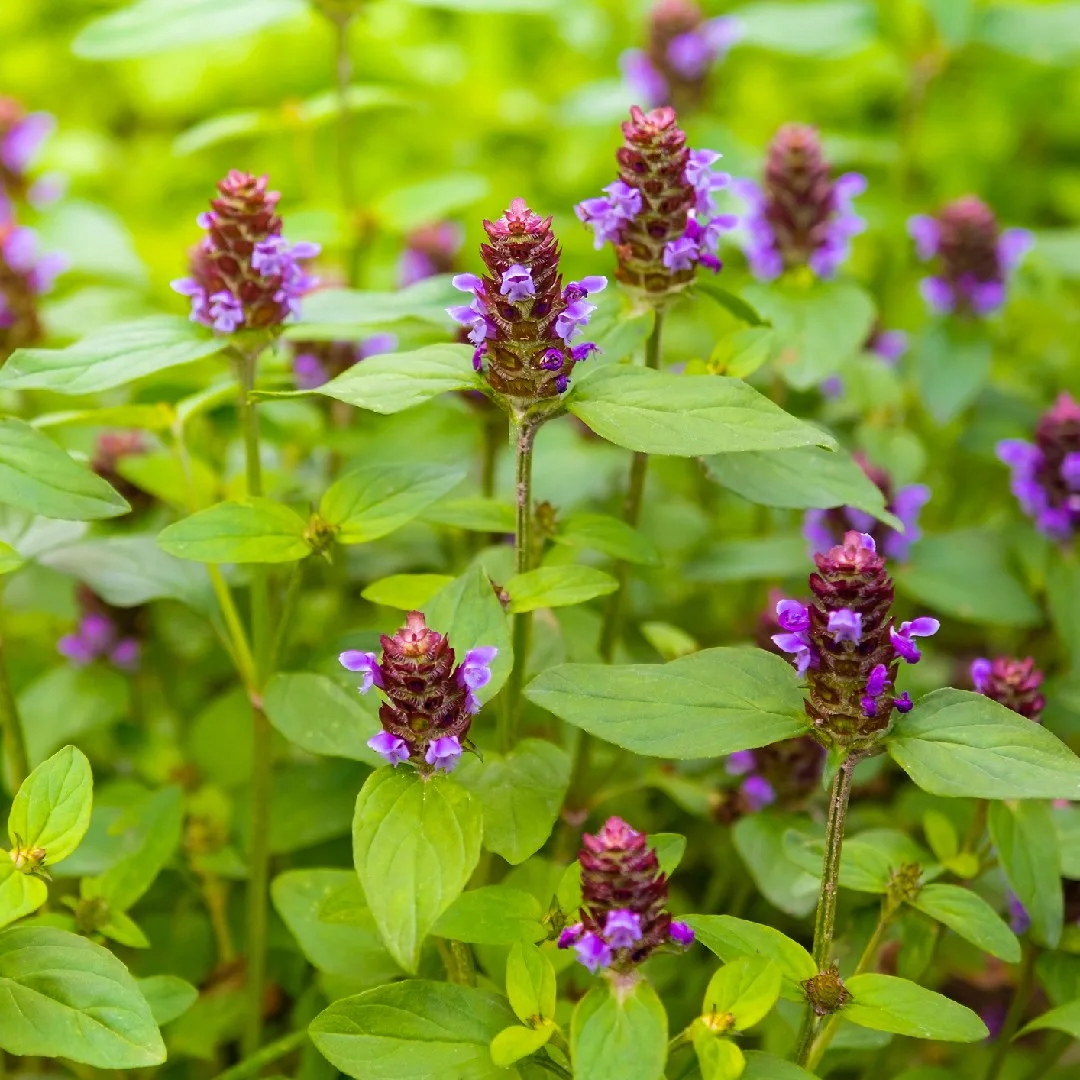
P. vulgaris is a creeping perennial to 30cm, with rooting stems bearing oblong or ovate leaves and short erect spikes of deep violet, rarely pink or white, tubular flowers in summer and early autumn
Scientific classification
- Species
- selfheal (Prunella vulgaris)
- Genus
- Prunella
- Family
- Lamiaceae
- Order
- Lamiales
- Class
- Magnoliopsida
- Phylum
- Magnoliophyta
- Information to be completed
- Toxicity
- Herbaceous Perennial
- Plant type
- 0.1-0.5 metres
- Height
- 0.1-0.5 metres
- Spread
- Semi evergreen
- Foliage
- Matforming
- Habit
- Summer · Autumn
- Season of interest
- Full sun · Partial shade
- Sunlight
- Information to be completed
- Ideal temperature









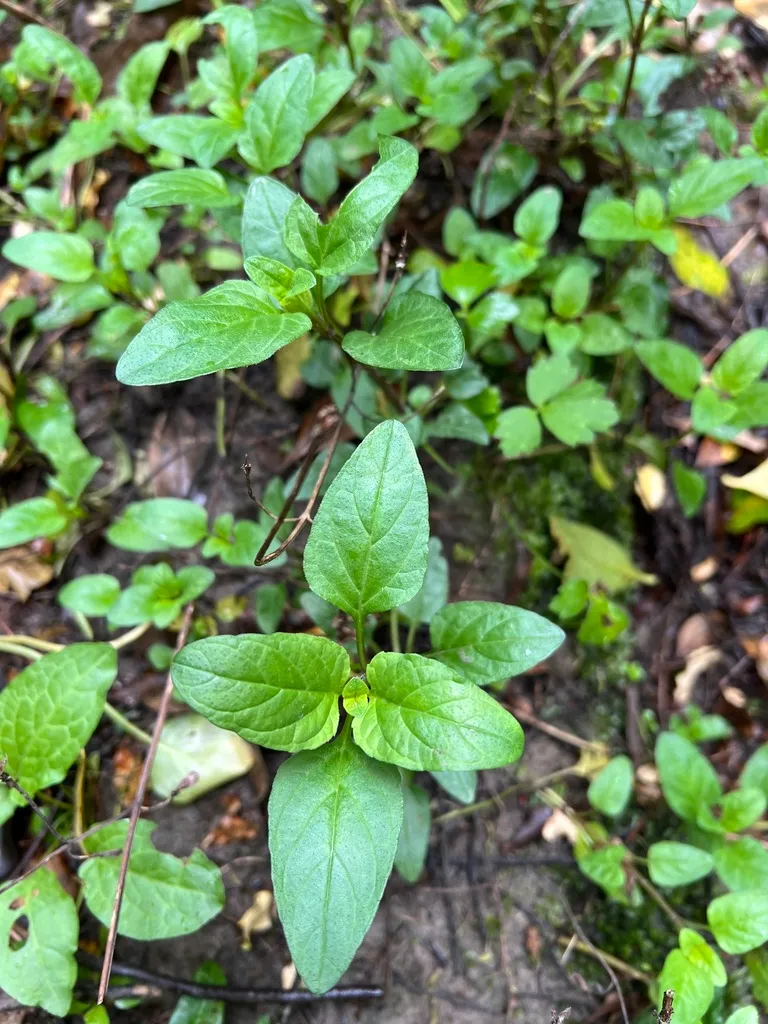
selfheal pictures
Distribution of selfheal
Distribution map
- Native
- Introduced
- Cultivated
Source:WCVP v16 · Royal Botanic Gardens, Kew · CC BY 3.0 · Boundaries:WGSRPD / TDWG
selfheal care guide
- Moderate regular watering, avoid prolonged drought or waterlogging
- Watering
- Full sun · Partial shade
- Sunlight

Watering
Moderate regular watering, avoid prolonged drought or waterlogging
Fertilizing
 Fertilizing
Balanced feed in spring and light repeat in growth season
Pruning
 Pruning
Deadhead to prevent self-seeding
Propagation
 Propagation
Propagate by seed or division
Growing
 Growing
Easy to grow plant for any soil in full sun or partial shade. May be considered invasive. Attract bees and other beneficial insects. Good ground cover
Common pests and diseases
Diseases
Generally disease free
Pests
Generally pest-free
Explore the plant health library →




