
almond
Also known as: almond oil plant; sweet almond
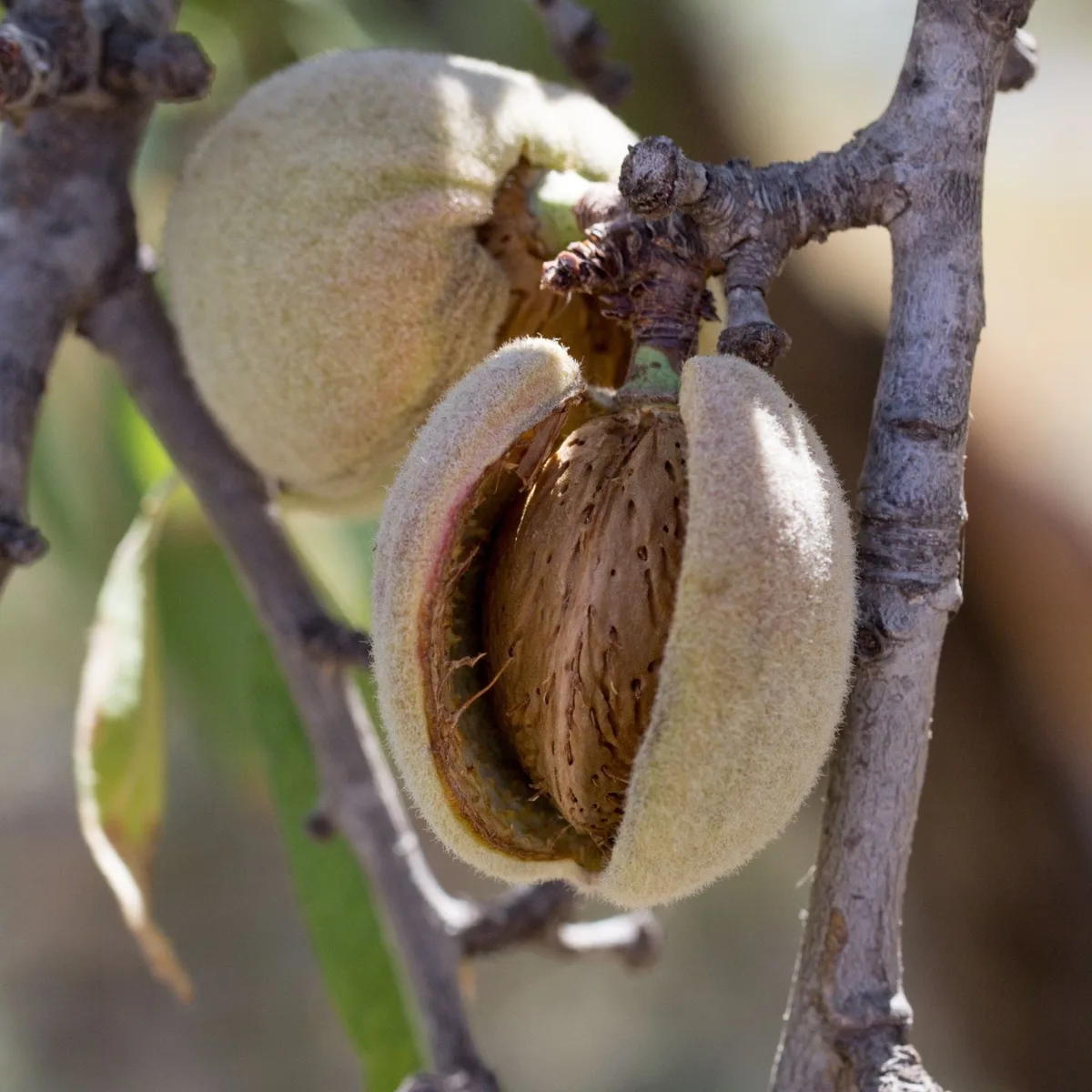
An upright, spreading, deciduous tree with lance-shaped, toothed dark green leaves. Blossom is pink or white, scented, and produced on bare stems in early spring, followed by oval-shaped green fruit encasing edible almond nuts.
Scientific classification
- Species
- almond (Prunus dulcis)
- Genus
- Prunus
- Family
- Rosaceae
- Information to be completed
- Toxicity
- Trees · Fruit Edible
- Plant type
- 4-8 metres
- Height
- 4-8 metres
- Spread
- Deciduous
- Foliage
- Columnar upright
- Habit
- Autumn · Spring · Summer
- Season of interest
- Full sun
- Sunlight
- Information to be completed
- Ideal temperature









almond pictures
Distribution of almond
Distribution map
Southern Europe, Southwestern Asia
Information to be completed
Culture
Information to be completed
Toxicity
Information to be completed
Quick identification of almond
Information to be completed
almond care guide
- Deep watering during dry spells, allowing slight surface drying between soakings
- Watering
- Full sun
- Sunlight
- Information to be completed
- Ideal temperature

Watering
Deep watering during dry spells, allowing slight surface drying between soakings
Fertilizing
 Fertilizing
Balanced shrub or tree feed once each early spring
Pruning
 Pruning
Little pruning is needed. Remove diseased, damaged, crowded or crossing shoots and unwanted growth. If silver leaf disease is a concern, prune in midsummer.
Propagation
 Propagation
Propagate by grafting in late winter
Growing
 Growing
Plant in a sunny, sheltered site with moist but well-drained, fertile soil, away from frost pockets. Can be grown as a standard or bush in milder areas, or fan-trained against a south-facing wall; final size will depend on the rootstock used. Almond blossom is very early, so flowers may need protection from frost.
People also ask
Information to be completed
Common pests and diseases
Diseases
May be susceptible to peach leaf curl, silver leaf, honey fungus, bacterial canker and brown rot. High Risk Host for Xylella fastidiosa
Pests
May be susceptible to aphids; caterpillars and birds can cause damage
Explore the plant health library →




