
Chinese sweetshrub
Also known as: Chinese sinocalycanthus
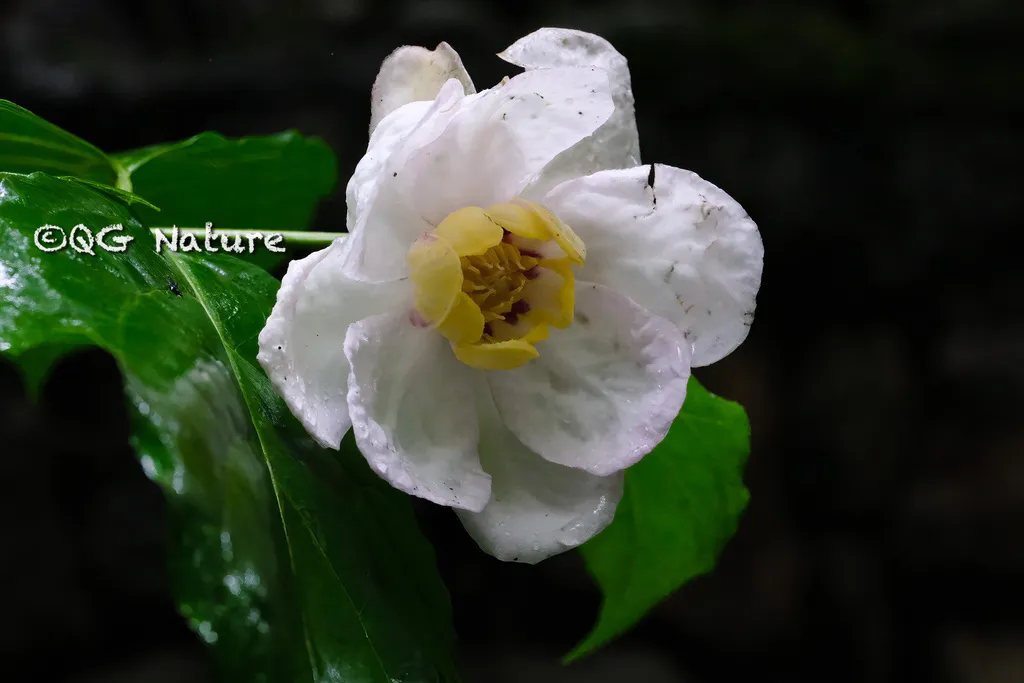
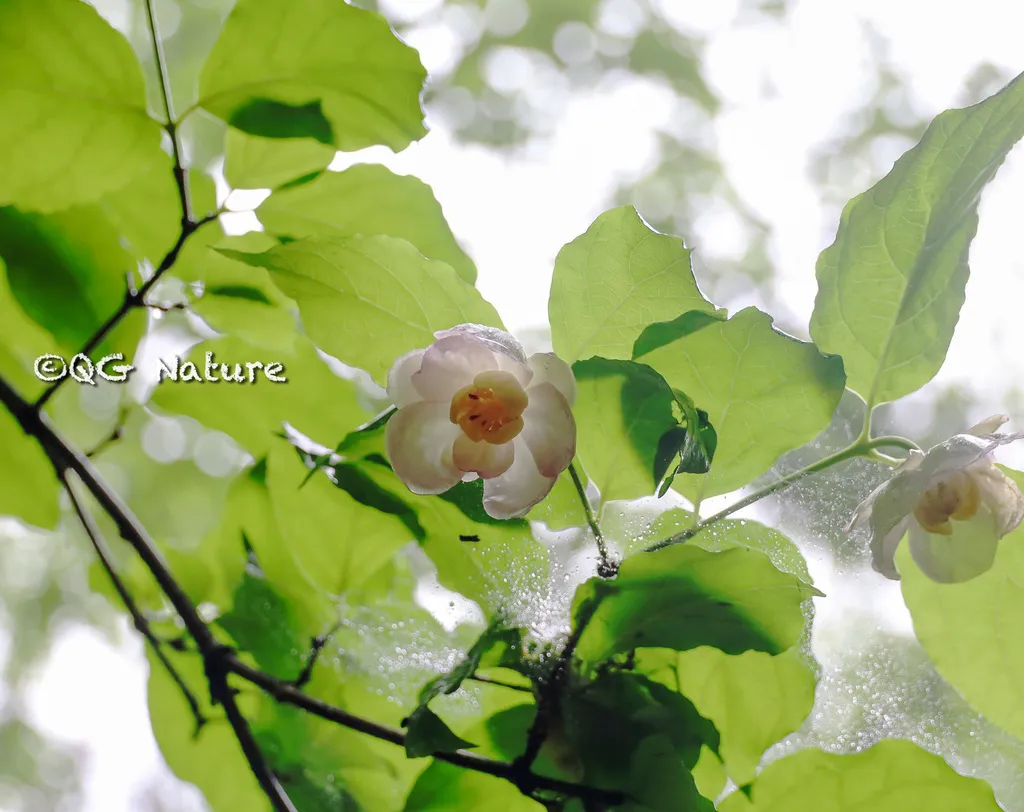
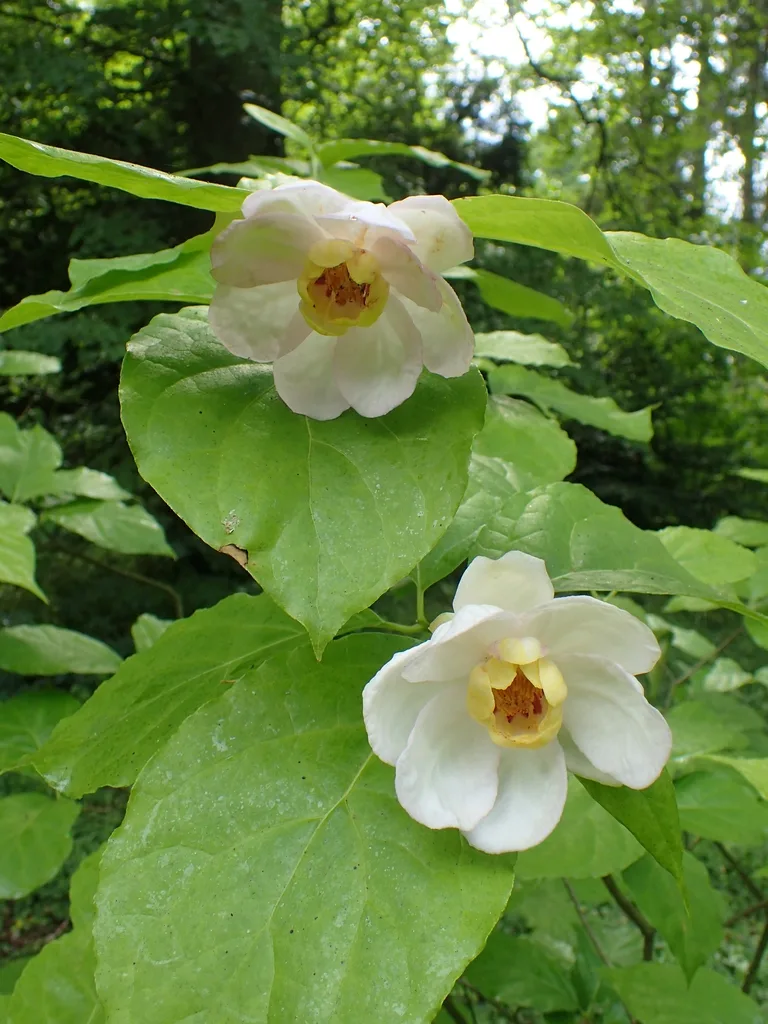
A medium-sized, densely branching, deciduous shrub, to 3m high and 4m wide, with large opposite leaves, broadly elliptical to obovate, to 15cm long, glossy green turning bright yellow in autumn. Nodding flowers, to 7cm across, are borne on the ends of shoots, in summer. They have white, overlapping petals in a shallow cup shape round a second ring of smaller, narrower, pale yellow petals, maroon at the base, which protrude to form a tight crown round yellow anthers
Scientific classification
- Species
- Chinese sweetshrub (Calycanthus chinensis)
- Genus
- Calycanthus
- Family
- Calycanthaceae
- Order
- Laurales
- Class
- Magnoliopsida
- Phylum
- Magnoliophyta
- Harmful if eaten. Wear gloves and other protective equipment when handling
- Toxicity
- Shrubs
- Plant type
- 2.5-4 metres
- Height
- 2.5-4 metres
- Spread
- Deciduous
- Foliage
- Bushy
- Habit
- Autumn · Spring · Summer
- Season of interest
- Full sun · Partial shade
- Sunlight
- Information to be completed
- Ideal temperature









Chinese sweetshrub pictures
Distribution of Chinese sweetshrub
Distribution map
- Native
- Introduced
- Cultivated
Source:WCVP v16 · Royal Botanic Gardens, Kew · CC BY 3.0 · Boundaries:WGSRPD / TDWG
Toxicity
Harmful if eaten. Wear gloves and other protective equipment when handling
Chinese sweetshrub care guide
- Moderate regular watering, allowing brief slight drying between soakings
- Watering
- Full sun · Partial shade
- Sunlight

Watering
Moderate regular watering, allowing brief slight drying between soakings
Fertilizing
 Fertilizing
Balanced perennial feed every four weeks from spring through summer
Pruning
 Pruning
Little pruning is needed. Remove diseased, damaged, crowded or crossing shoots and unwanted growth. Timing depends on the plant: generally late winter or early spring; plants prone to bleeding and deciduous magnolias need different timing, and deciduous azaleas and lilacs are pruned after flowering.
Propagation
 Propagation
Propagate by seed in containers in a cold frame in autumn or root softwood cuttings in late spring or early summer with bottom heat
Growing
 Growing
Grow in moderately fertile, humus-rich, moist but well-drained soil in full sun or with some midday shade and shelter from cold, drying winds
Common pests and diseases
Diseases
May be susceptible to honey fungus (rarely)
Pests
Generally pest-free
Explore the plant health library →




