
Rankan strobilanthes
Also known as: Information to be completed
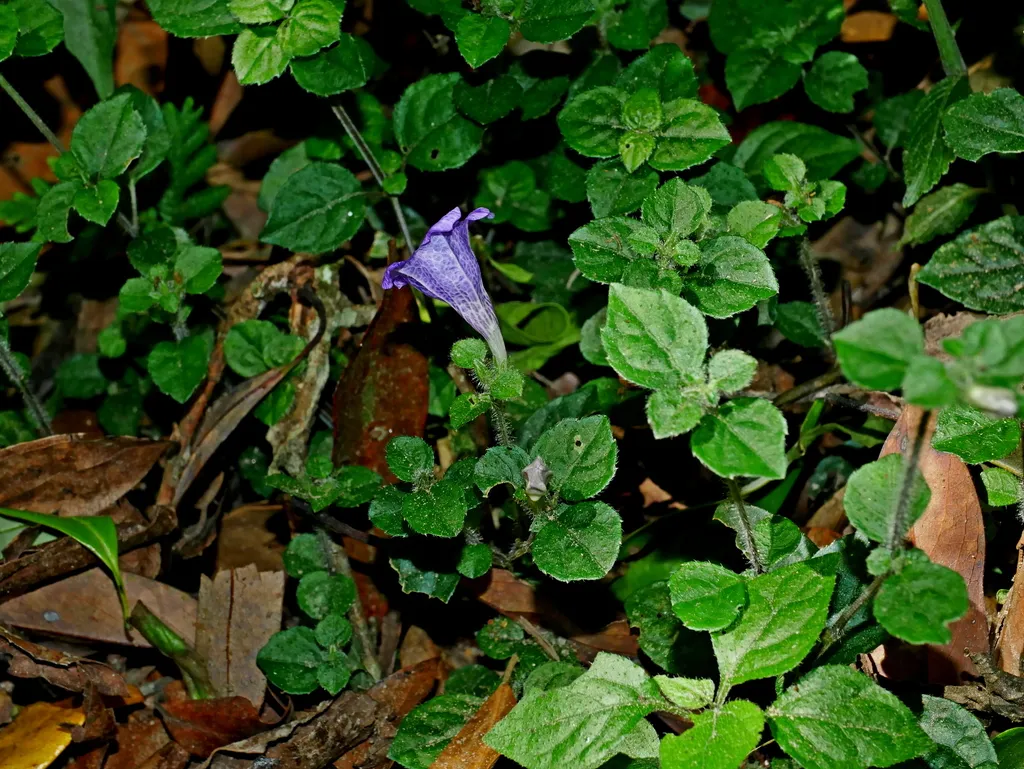
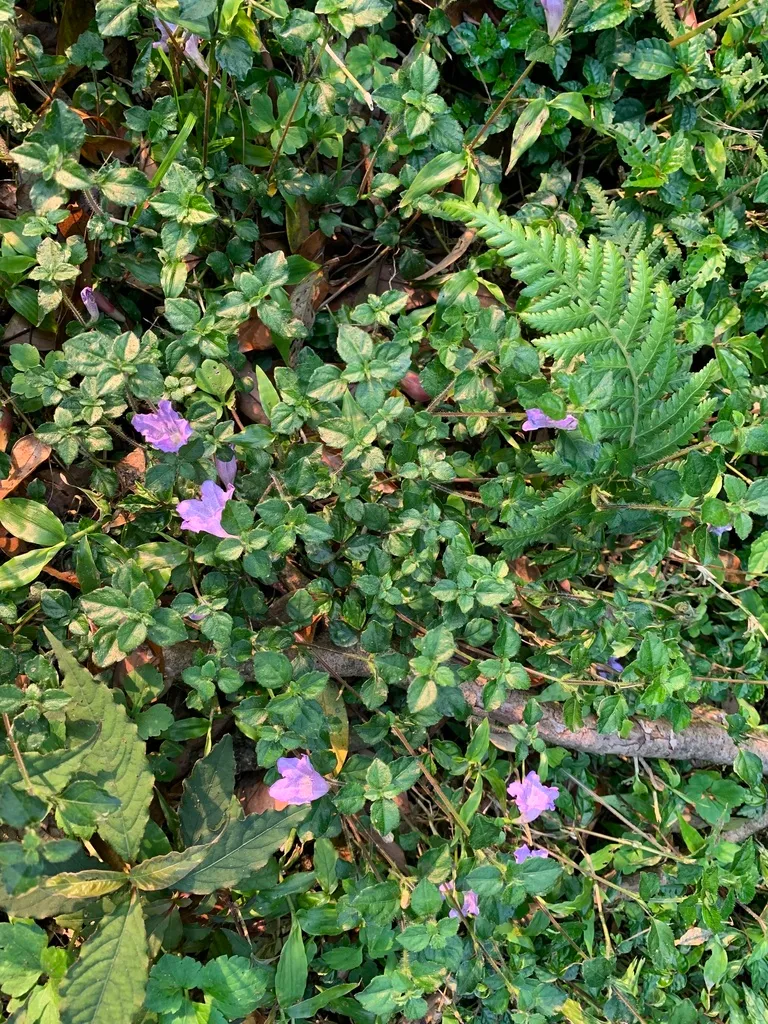
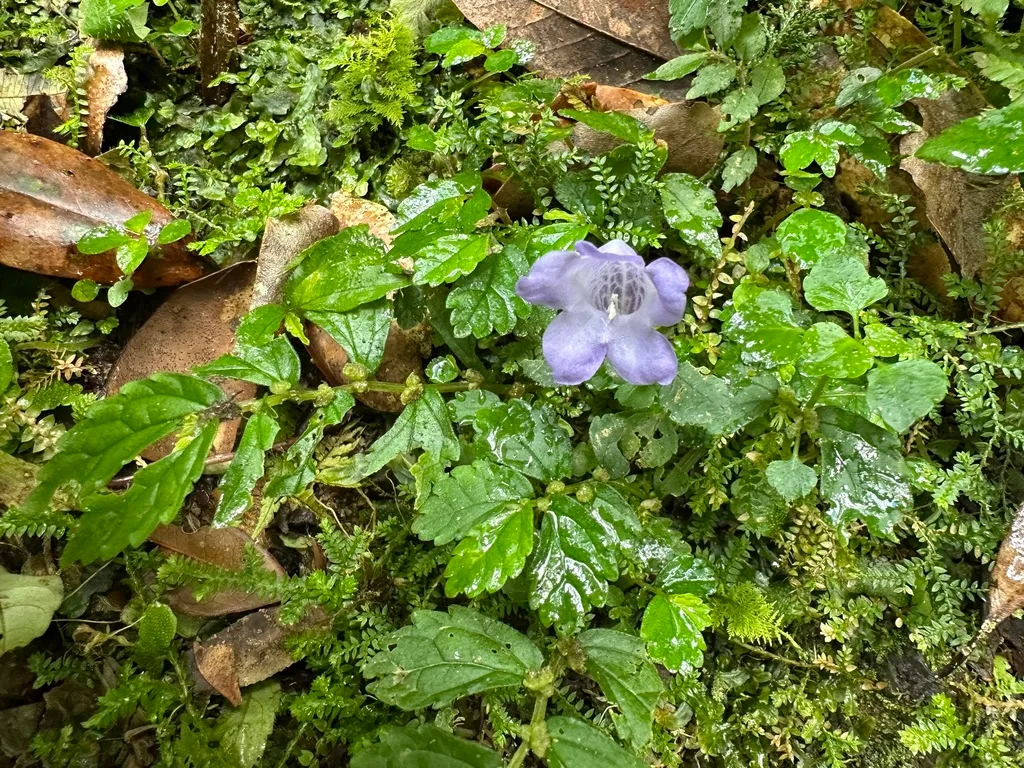
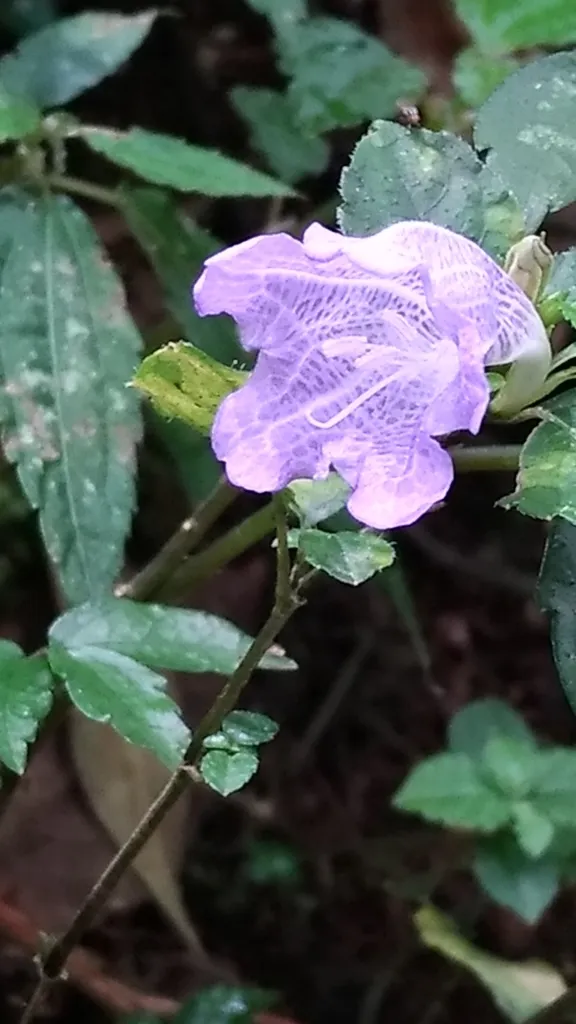
A tender perennial with slender, trailing stems that root at the nodes and curve upwards at the tips. Leaves are oval to elliptic, mid-green with serrated edges. Solitary, funnel-shaped purple flowers streaked with white are produced in the leaf axils in summer and early autumn
Scientific classification
- Species
- Rankan strobilanthes (Strobilanthes rankanensis)
- Genus
- Strobilanthes
- Family
- Acanthaceae
- Order
- Lamiales
- Class
- Magnoliopsida
- Phylum
- Magnoliophyta
- Information to be completed
- Toxicity
- Herbaceous Perennial
- Plant type
- 0.1-0.5 metres
- Height
- 0.1-0.5 metres
- Spread
- Semi evergreen
- Foliage
- Bushy
- Habit
- Spring · Summer · Autumn
- Season of interest
- Full sun · Partial shade
- Sunlight
- Information to be completed
- Ideal temperature









Rankan strobilanthes pictures
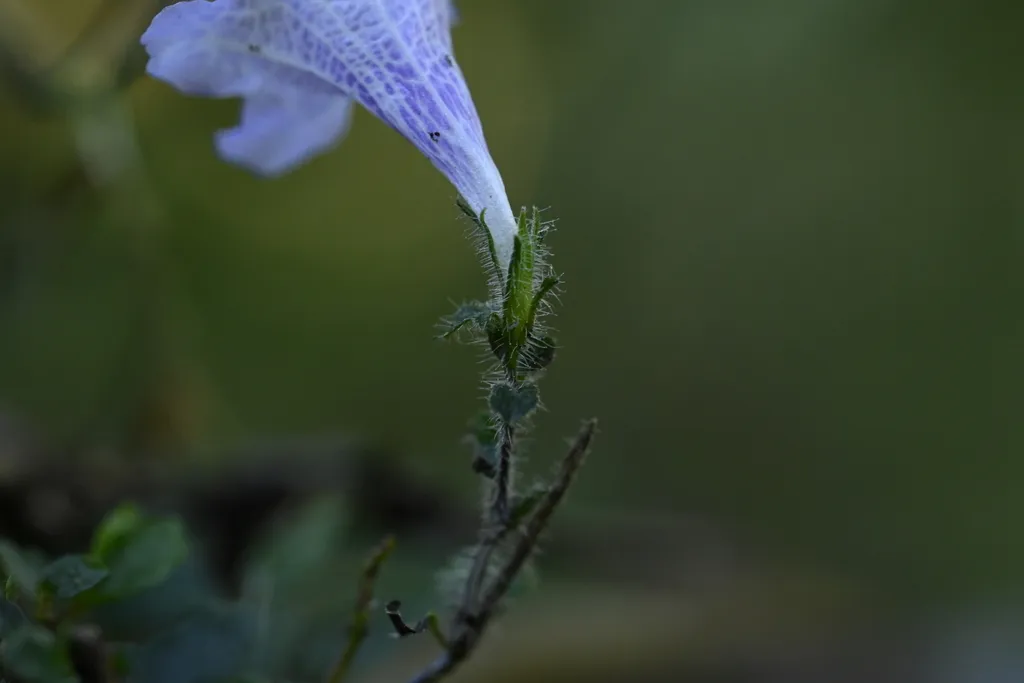
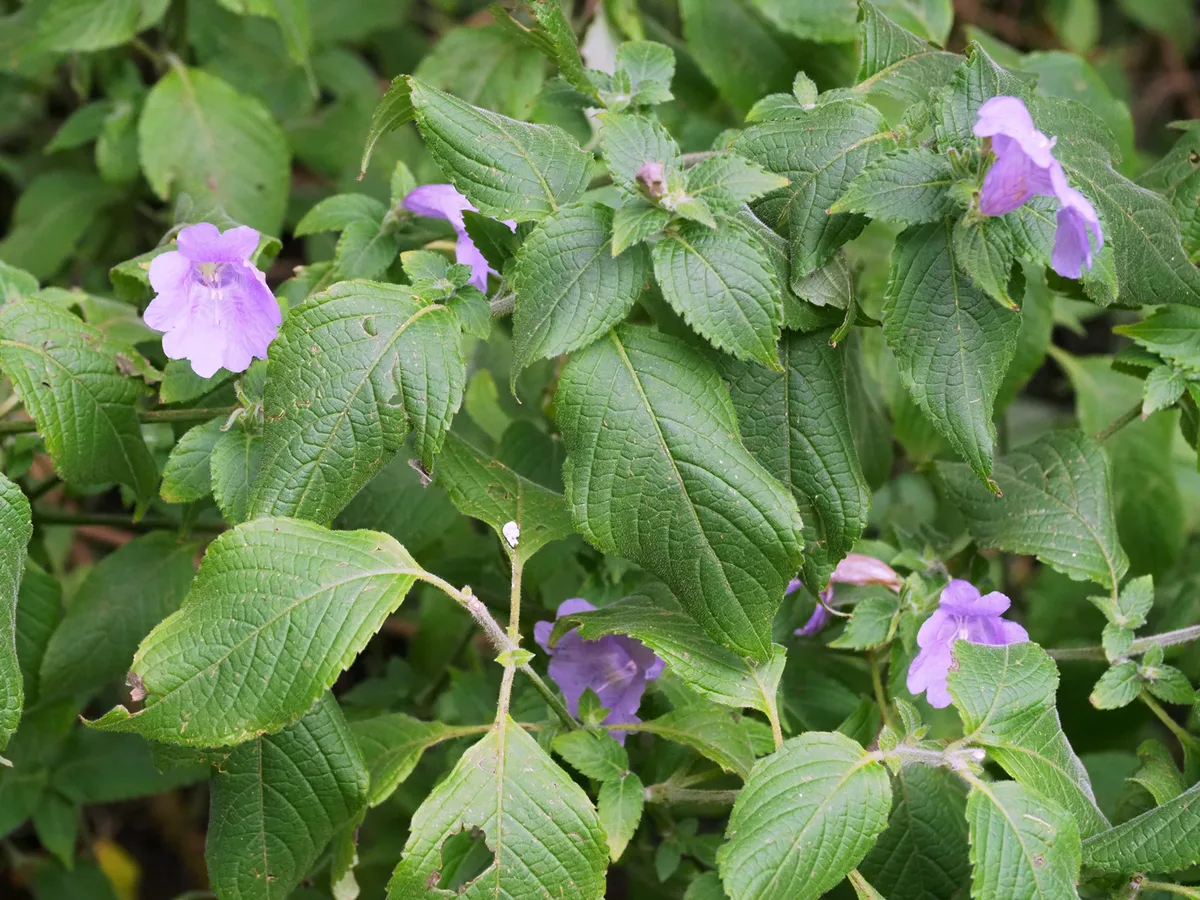
Distribution of Rankan strobilanthes
Distribution map
- Native
- Introduced
- Cultivated
Source:WCVP v16 · Royal Botanic Gardens, Kew · CC BY 3.0 · Boundaries:WGSRPD / TDWG
Rankan strobilanthes care guide
- Moderate regular watering, avoid prolonged drought and stagnant waterlogging
- Watering
- Full sun · Partial shade
- Sunlight

Watering
Moderate regular watering, avoid prolonged drought and stagnant waterlogging
Fertilizing
 Fertilizing
Balanced perennial feed every four weeks spring through summer growth
Pruning
 Pruning
No pruning required
Propagation
 Propagation
Propagate by seed, sown at 13-18°C in spring, or by basal or softwood cuttings in spring or early summer, with bottom heat
Growing
 Growing
In mild, frost-free areas, may be grown outdoors in light, fertile, free-draining soil in full sun or part shade. In colder areas, grow under glass or in containers that can be moved indoors over winter, in a loam-based compost in full light with shade from hot sun
Common pests and diseases
Diseases
Generally disease-free
Pests
May be susceptible to red spider mite
Explore the plant health library →




