
dark columbine
Also known as: Information to be completed
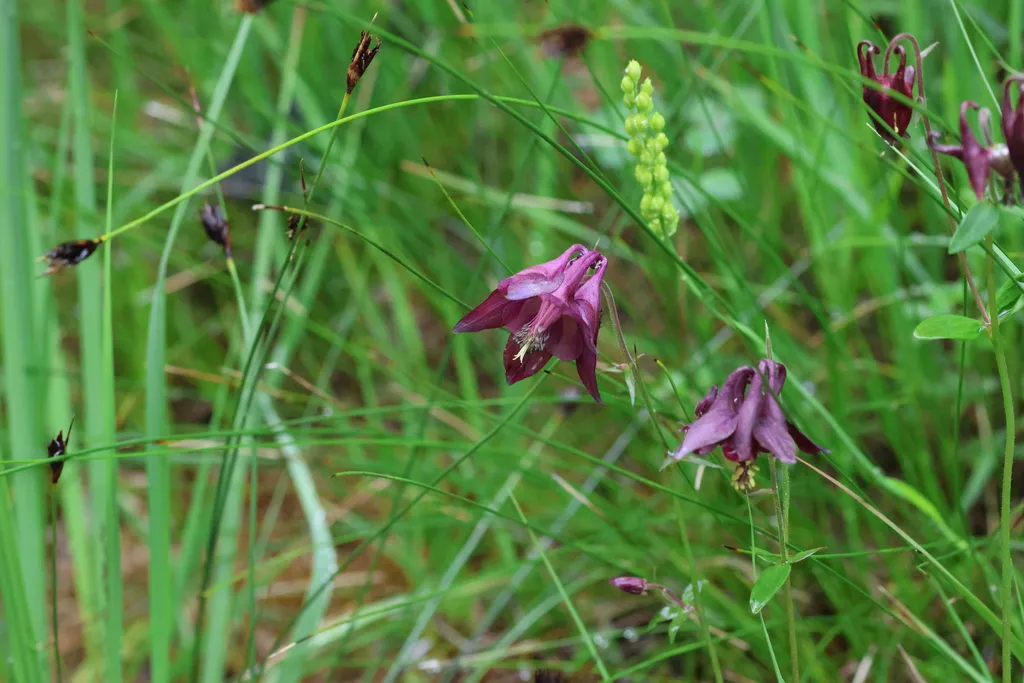
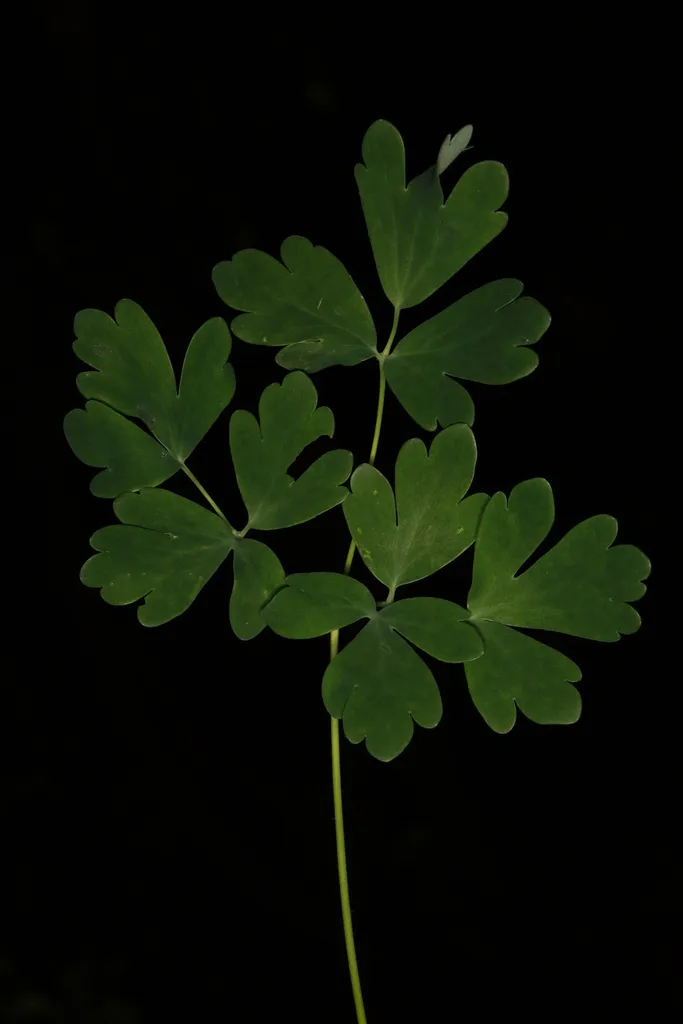
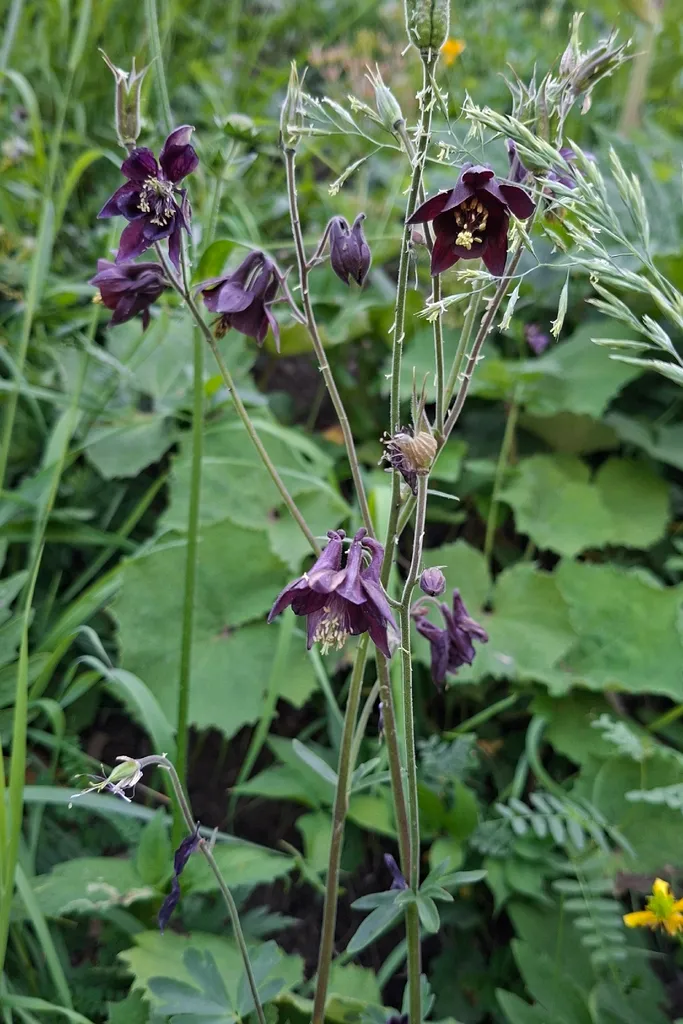
A long-flowering true alpine species of upright, clump-forming, deciduous rhizomatous perennial herb found at high altitudes, with mid-green, divided leaves around 60cm in height. This species produces dark purple to black flowers with yellow stamens, which are produced on upright stems from May to August.
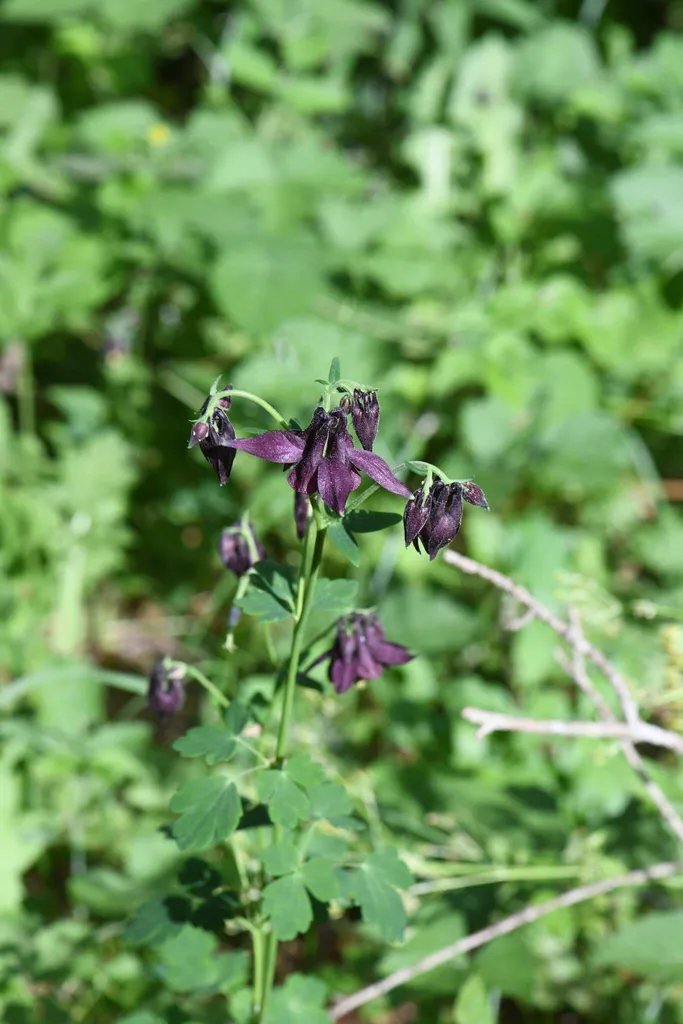
Scientific classification
- Species
- dark columbine (Aquilegia atrata)
- Genus
- Aquilegia
- Family
- Ranunculaceae
- Order
- Ranunculales
- Class
- Magnoliopsida
- Phylum
- Magnoliophyta
- Information to be completed
- Toxicity
- Alpine Rockery · Herbaceous Perennial
- Plant type
- 0.5-1 metres
- Height
- 0.5-1 metres
- Spread
- Deciduous
- Foliage
- Clump forming · Columnar upright
- Habit
- Spring · Summer · Autumn
- Season of interest
- Full sun · Partial shade
- Sunlight
- Information to be completed
- Ideal temperature









dark columbine pictures
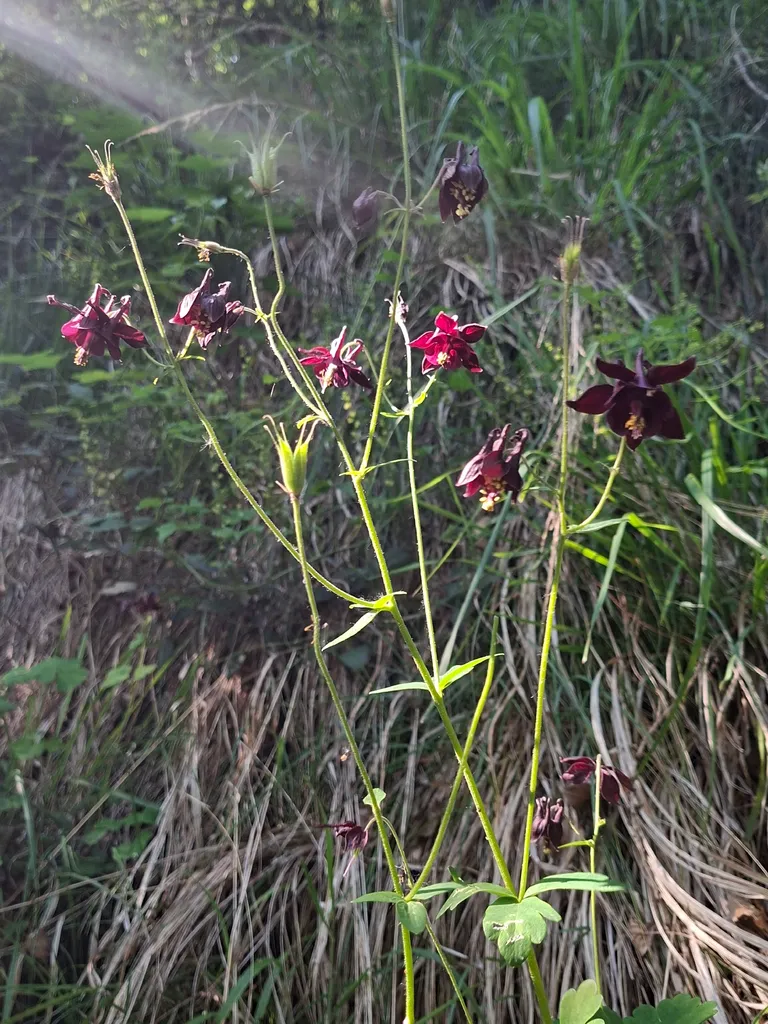
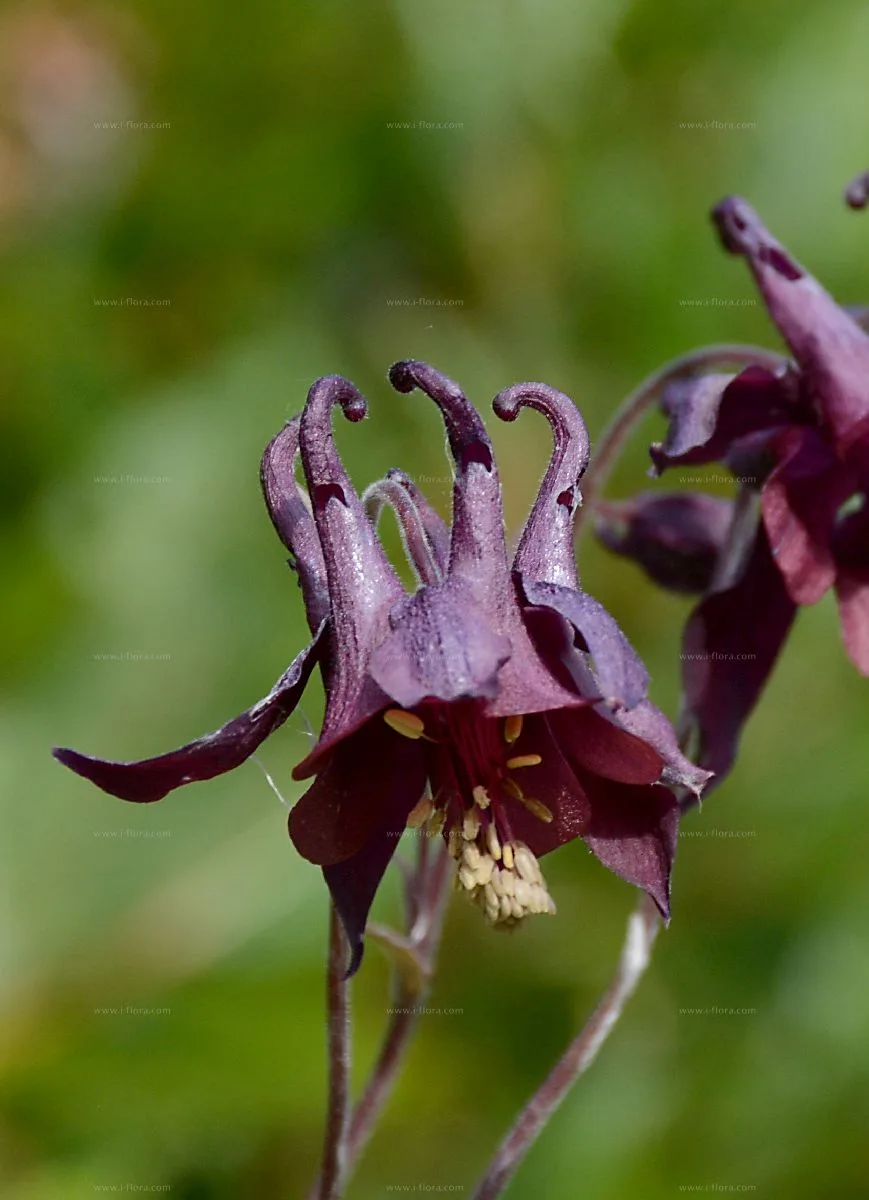
Distribution of dark columbine
Distribution map
- Native
- Introduced
- Cultivated
Source:WCVP v16 · Royal Botanic Gardens, Kew · CC BY 3.0 · Boundaries:WGSRPD / TDWG
dark columbine care guide
- Keep soil evenly moist with free drainage
- Watering
- Full sun · Partial shade
- Sunlight

Watering
Keep soil evenly moist with free drainage
Fertilizing
 Fertilizing
Light balanced feed during active growth season
Pruning
 Pruning
No pruning required. May be cut back after flowering and kept well watered to encourage new leaf growth
Propagation
 Propagation
Propagate by seed or by division. Propagates freely by seed in situ
Growing
 Growing
Grow in fertile, moist but well-drained soil, in full sun or partial shade. See aquilegia cultivation for further advice
Common pests and diseases
Diseases
May be susceptible to powdery mildews, aquilegia downy mildew and fungal leaf spot
Pests
May be susceptible to aphids, aquilegia sawfly, aquilegia sawfly and leaf miners
Explore the plant health library →




