
pepper tree
Also known as: Information to be completed
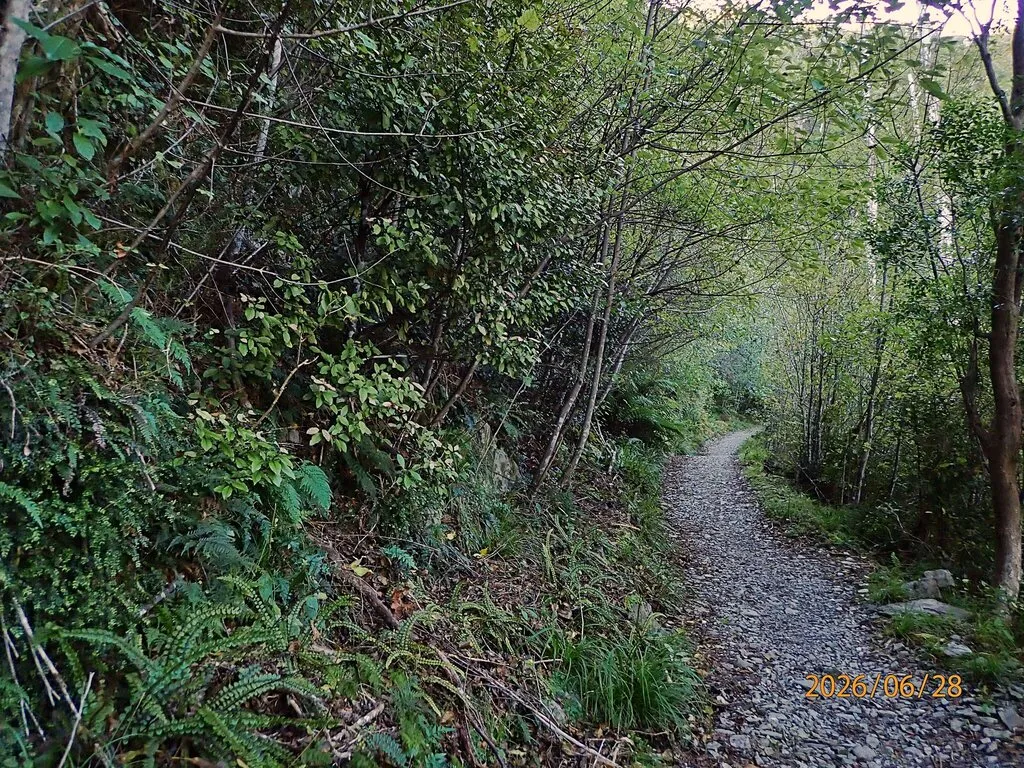
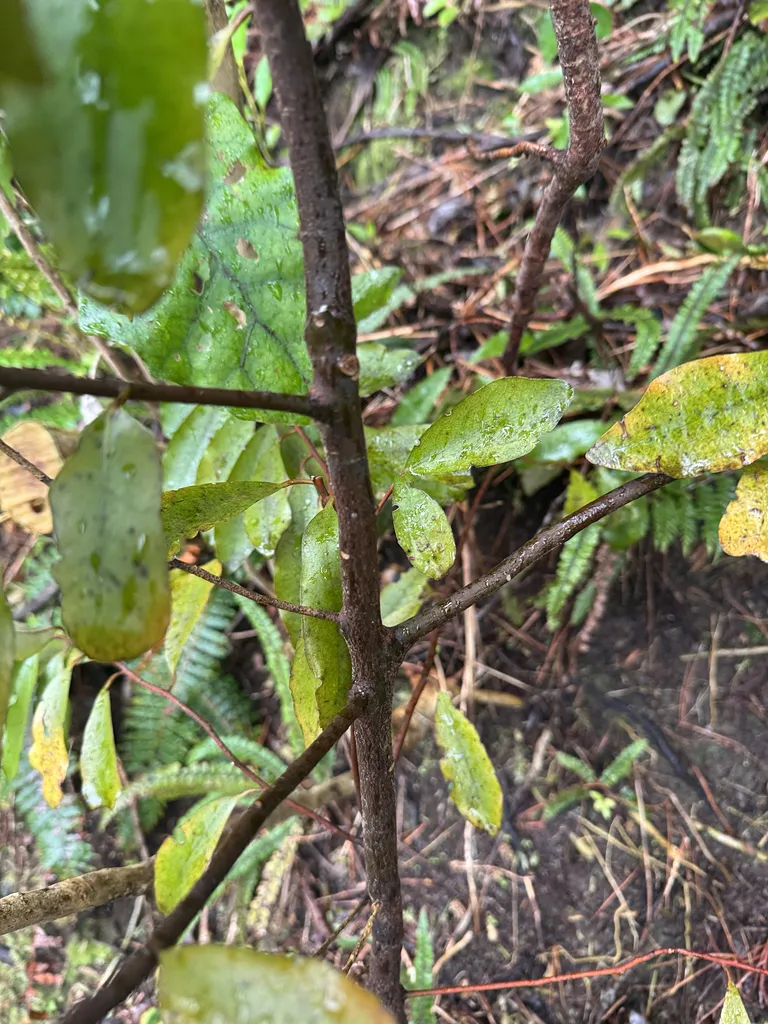
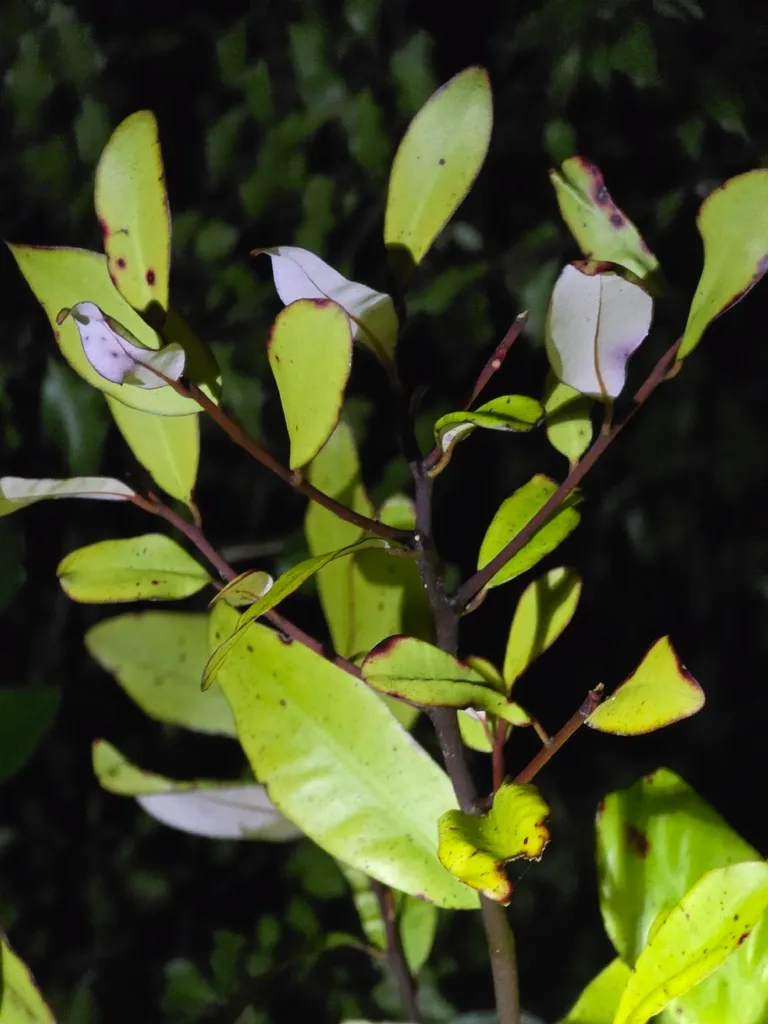
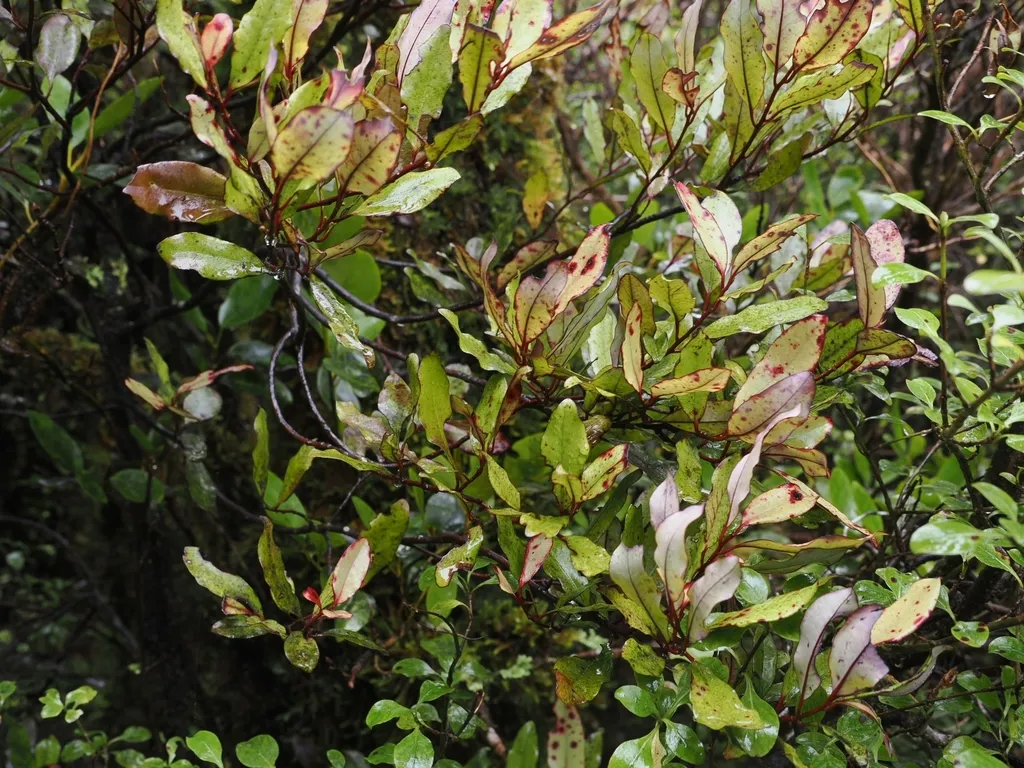
P. colorata is an evergreen shrub to 1m tall, with elliptic leaves to 6cm long, yellowish-green blotched with dull red and margined dark purple-red above, glaucous beneath; greenish-yellow cup-shaped flowers 1cm across open in spring, followed by small red, later black, berries
Scientific classification
- Species
- pepper tree (Pseudowintera colorata)
- Genus
- Pseudowintera
- Family
- Winteraceae
- Information to be completed
- Toxicity
- Shrubs
- Plant type
- 1.5-2.5 metres
- Height
- 1-1.5 metres
- Spread
- Evergreen
- Foliage
- Bushy
- Habit
- Spring · Summer · Autumn · Winter
- Season of interest
- Full sun · Partial shade
- Sunlight
- Information to be completed
- Ideal temperature









pepper tree pictures
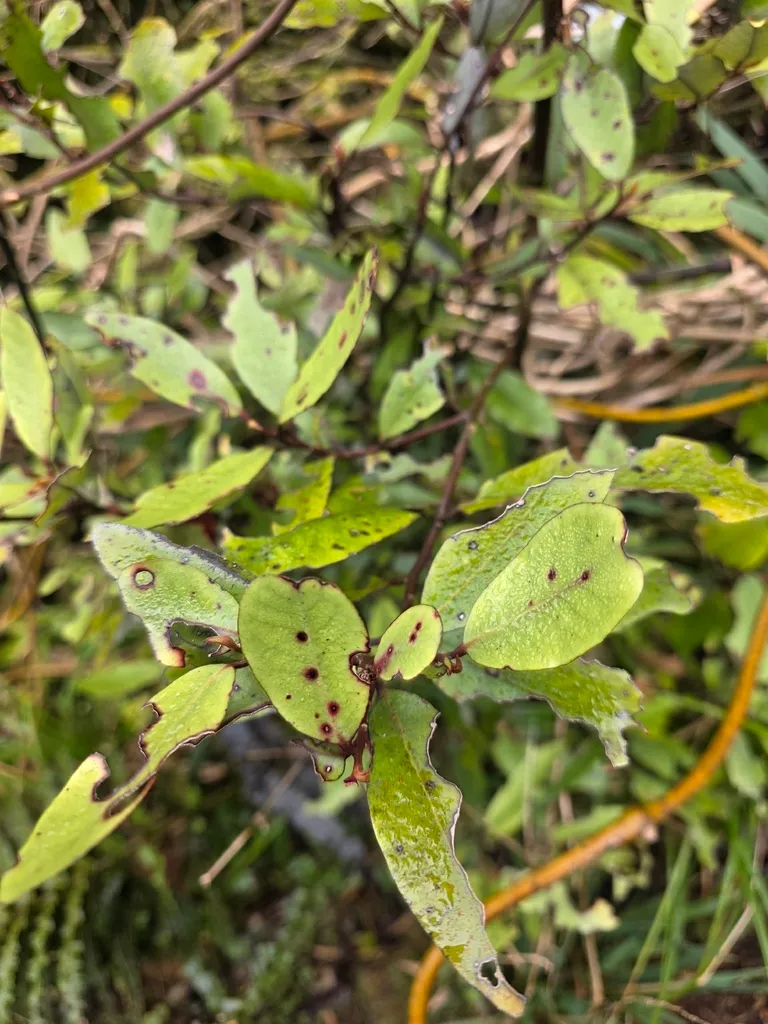
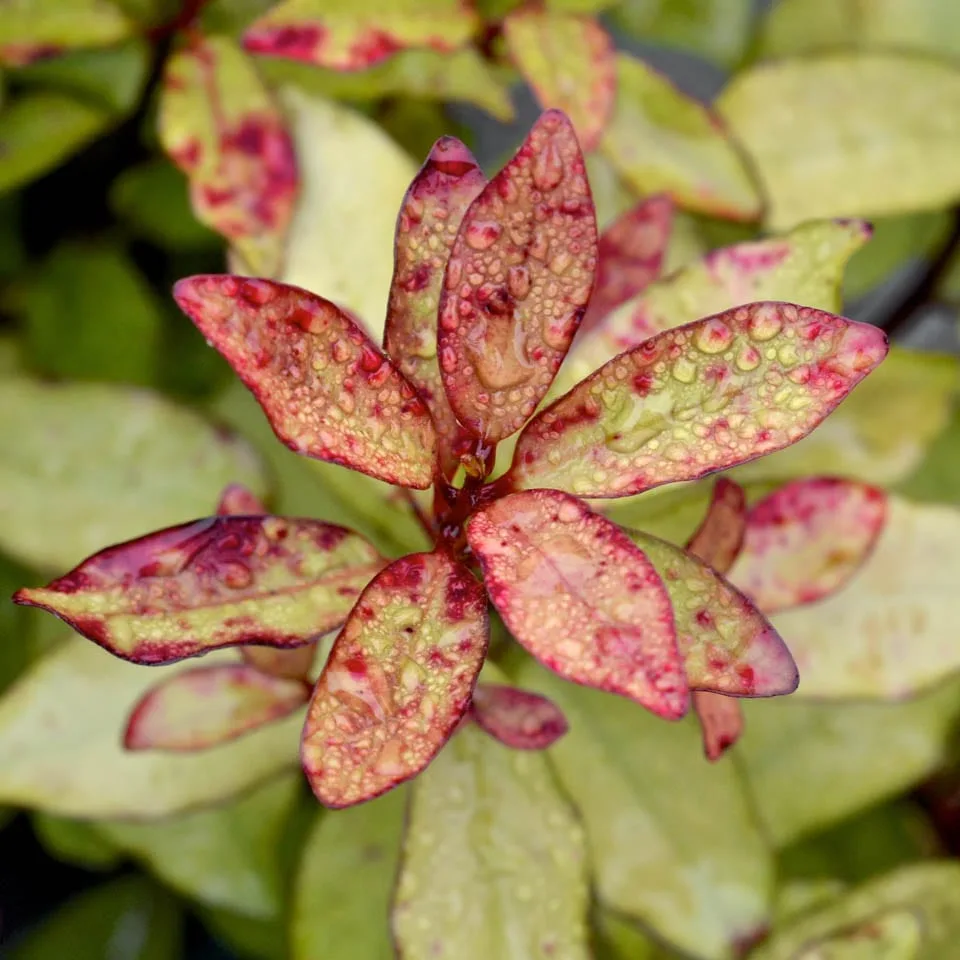
Distribution of pepper tree
Distribution map
New Zealand
Information to be completed
Culture
Information to be completed
Toxicity
Information to be completed
Quick identification of pepper tree
Information to be completed
pepper tree care guide
- Moderate watering, shelter roots from extreme dry heat
- Watering
- Full sun · Partial shade
- Sunlight
- Information to be completed
- Ideal temperature

Watering
Moderate watering, shelter roots from extreme dry heat
Fertilizing
 Fertilizing
Slow release shrub fertilizer applied single dose in spring
Pruning
 Pruning
Usually little pruning is needed. Lightly shape if necessary, removing dead, damaged or diseased shoots. Prune after flowering. Plants grown under glass may need trimming to restrict size.
Propagation
 Propagation
Propagate by seed at 13-18°C (55-64°F) in autumn or spring. Root semi-ripe cuttings in midsummer with bottom heat
Growing
 Growing
Grow in humus-rich, preferably neutral to acid, moist but well-drained soil in full sun or light shade. Indoors or under glass grow in loam-based potting compost (JI No.3) in full light or bright filtered light; water freely in the growing season and sparingly at all other times
People also ask
Information to be completed
Common pests and diseases
Diseases
Generally trouble free
Pests
Generally trouble free
Explore the plant health library →




