
Aquilegia flavescens
Also known as: Information to be completed
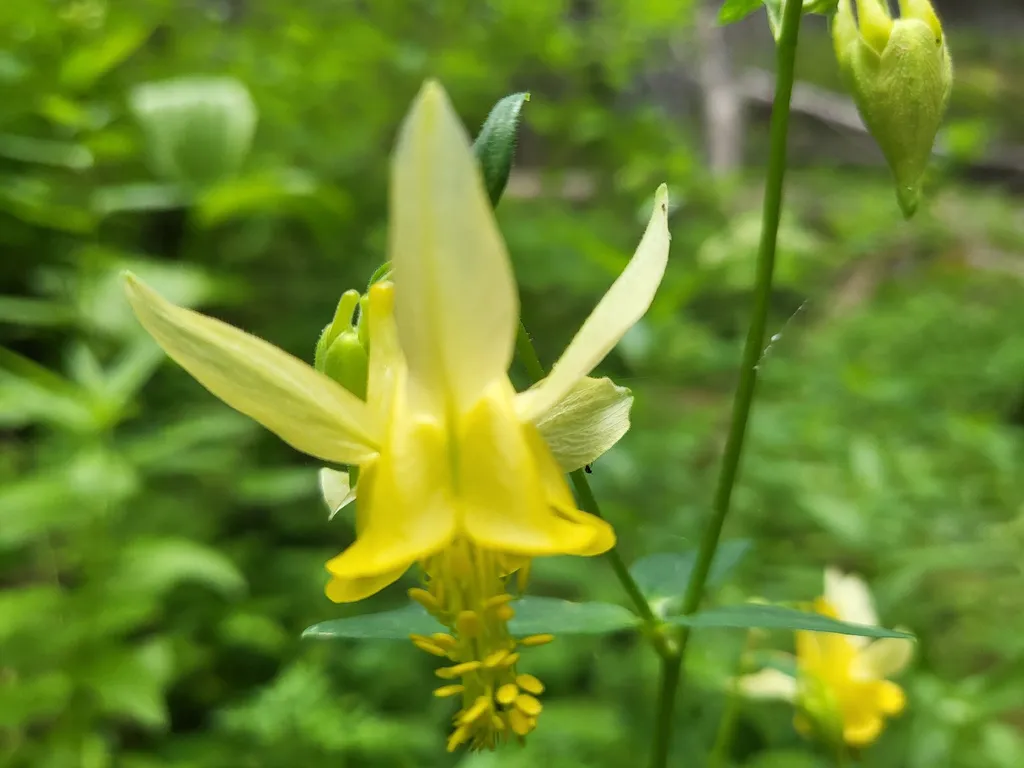
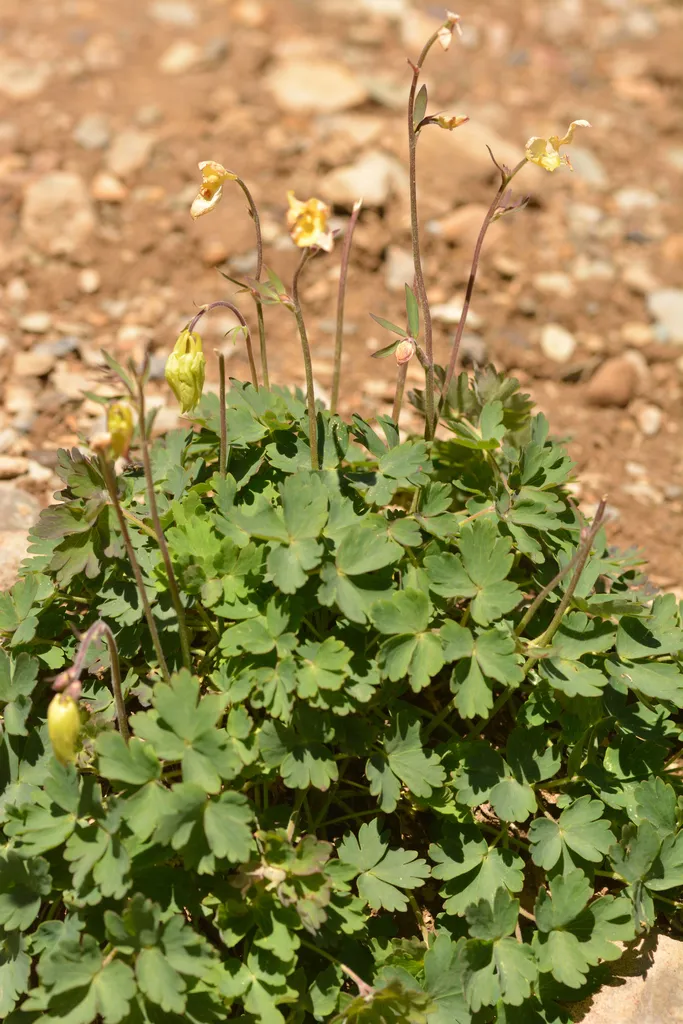
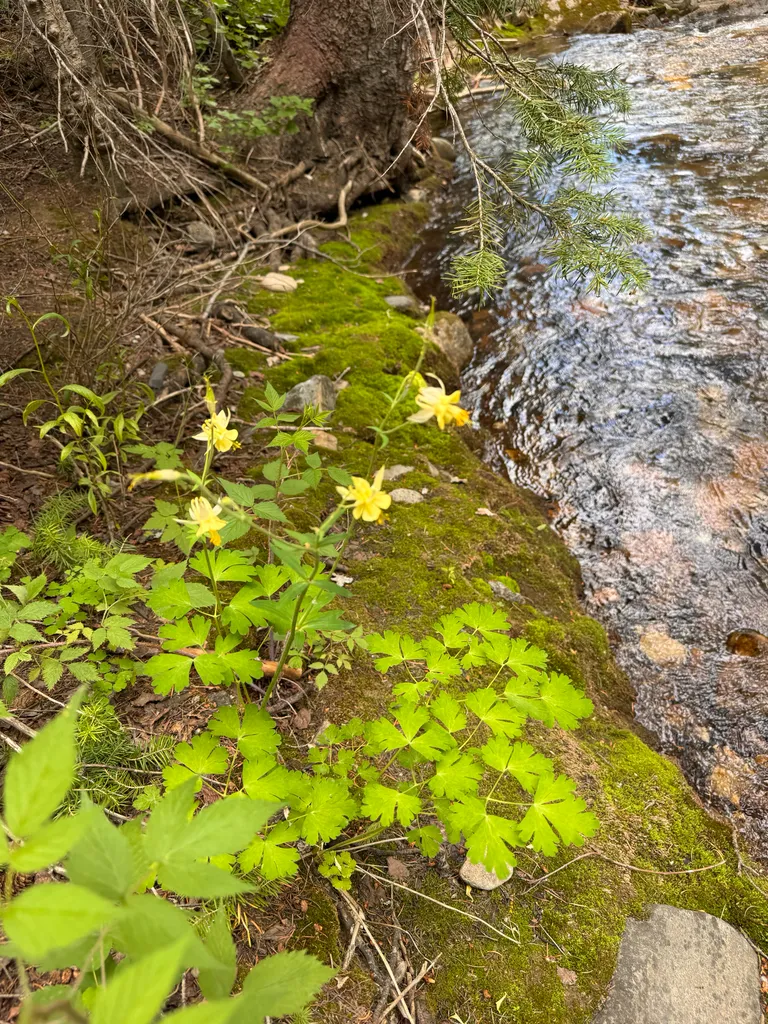
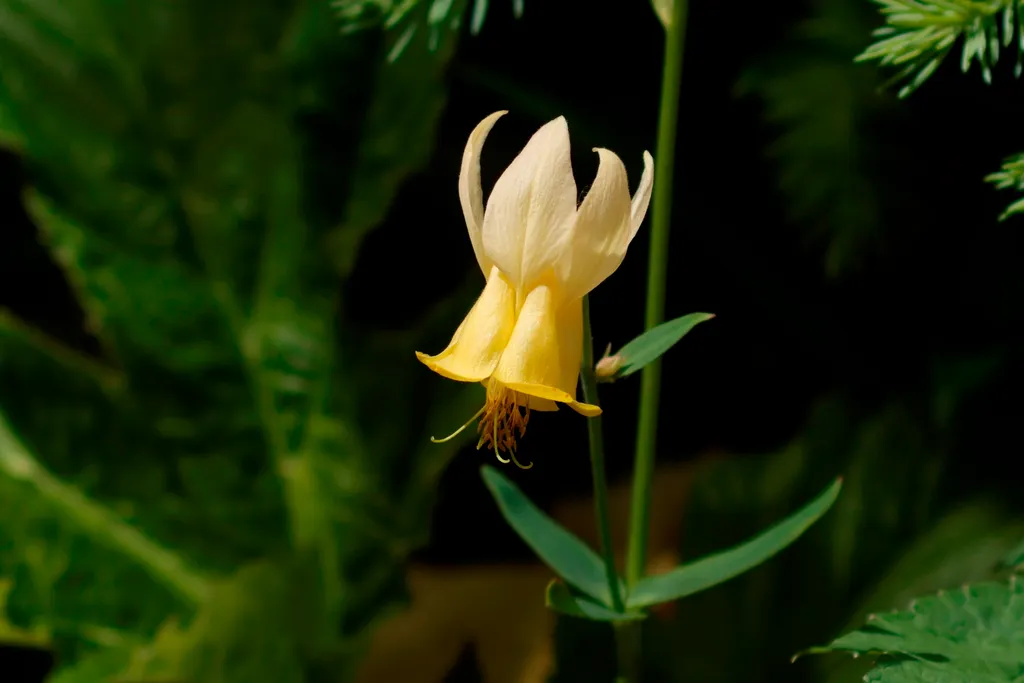
An upright, clump-forming, deciduous herbaceous perennial with divided green leaves. Slender, nodding yellow flowers, sometimes tinged with pink, are produced on slender, upright stems in spring and early summer
Scientific classification
- Species
- Aquilegia flavescens (Aquilegia flavescens)
- Genus
- Aquilegia
- Family
- Ranunculaceae
- Order
- Ranunculales
- Class
- Magnoliopsida
- Phylum
- Magnoliophyta
- Information to be completed
- Toxicity
- Herbaceous Perennial
- Plant type
- 0.5-1 metres
- Height
- 0.5-1 metres
- Spread
- Deciduous
- Foliage
- Clump forming · Columnar upright
- Habit
- Spring · Summer · Autumn
- Season of interest
- Full sun · Partial shade
- Sunlight
- Information to be completed
- Ideal temperature









Aquilegia flavescens pictures
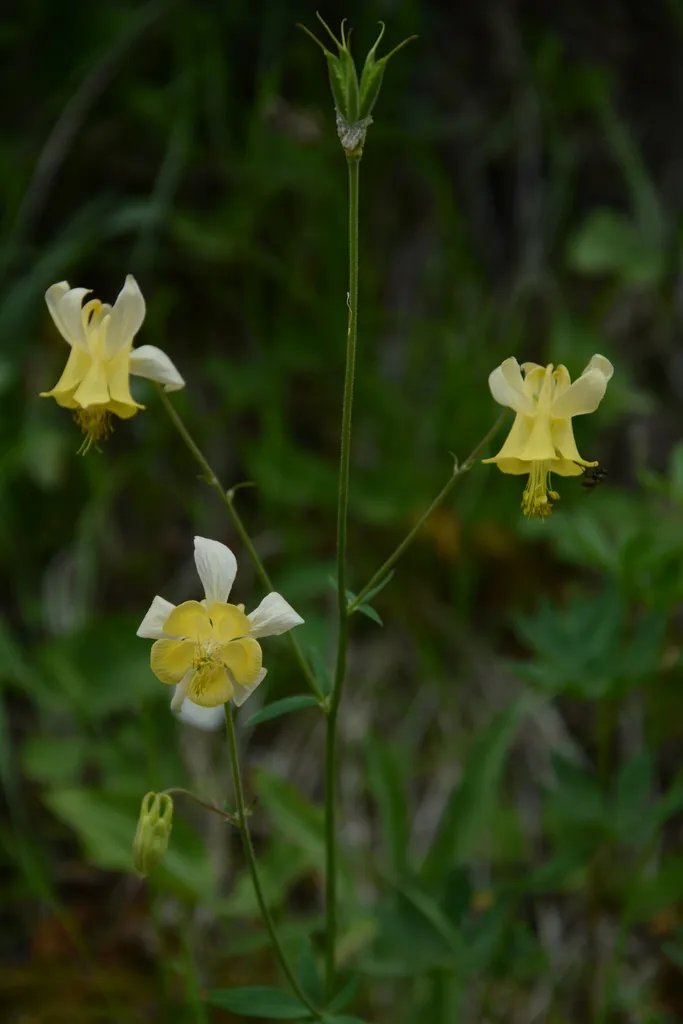
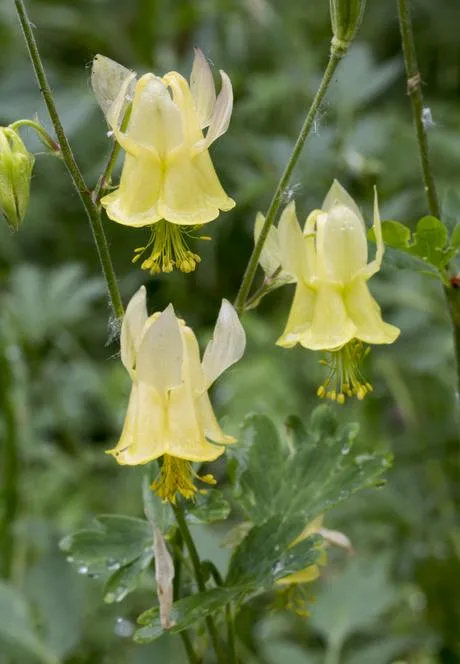
Distribution of Aquilegia flavescens
Distribution map
- Native
- Introduced
- Cultivated
Source:WCVP v16 · Royal Botanic Gardens, Kew · CC BY 3.0 · Boundaries:WGSRPD / TDWG
Aquilegia flavescens care guide
- Regular watering to keep mild moisture, reduce water after leaves die back
- Watering
- Full sun · Partial shade
- Sunlight

Watering
Regular watering to keep mild moisture, reduce water after leaves die back
Fertilizing
 Fertilizing
Thin balanced liquid feed monthly through spring active growth months
Pruning
 Pruning
No pruning required. May be cut back after flowering and kept well watered to encourage new leaf growth
Propagation
 Propagation
Propagate by seed or by division. Propagates freely by seed in situ
Growing
 Growing
Grow in fertile, moist but well-drained soil, in full sun or partial shade. See aquilegia cultivation for further advice
Common pests and diseases
Diseases
May be susceptible to powdery mildews, aquilegia downy mildew and fungal leaf spot
Pests
May be susceptible to aphids, aquilegia sawfly, aquilegia sawfly and leaf miners
Explore the plant health library →




