
Pilosocereus leucocephalus
Also known as: Information to be completed
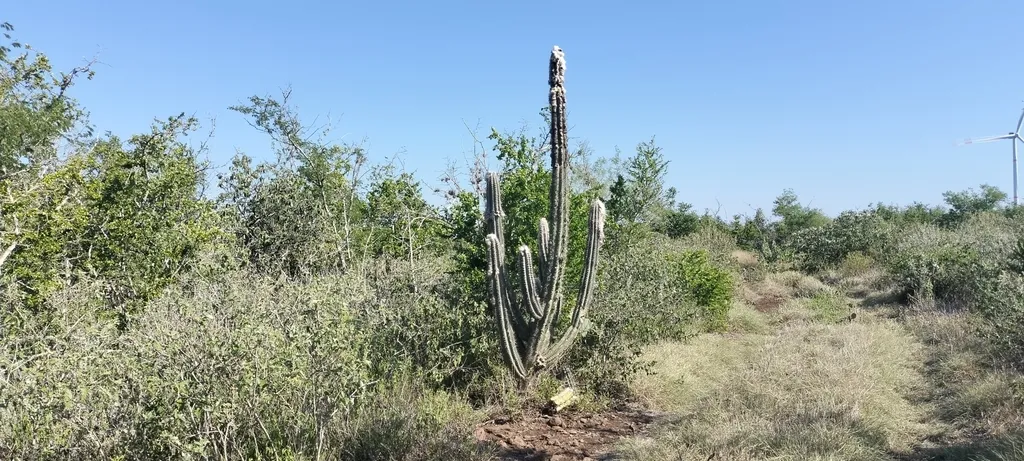
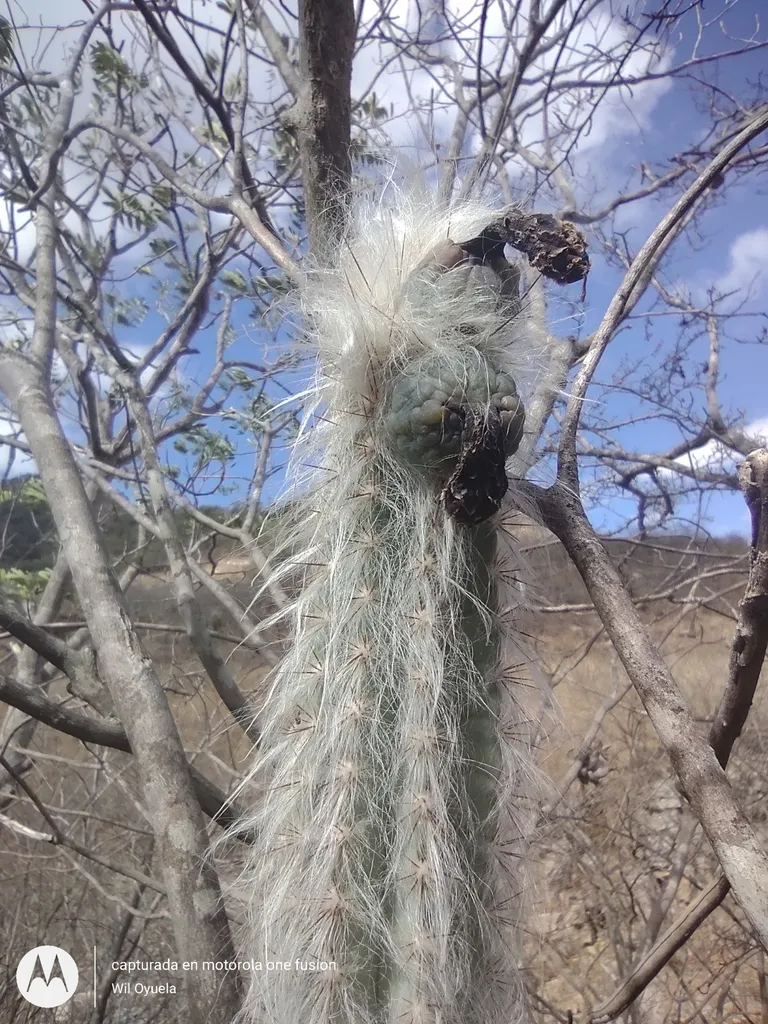
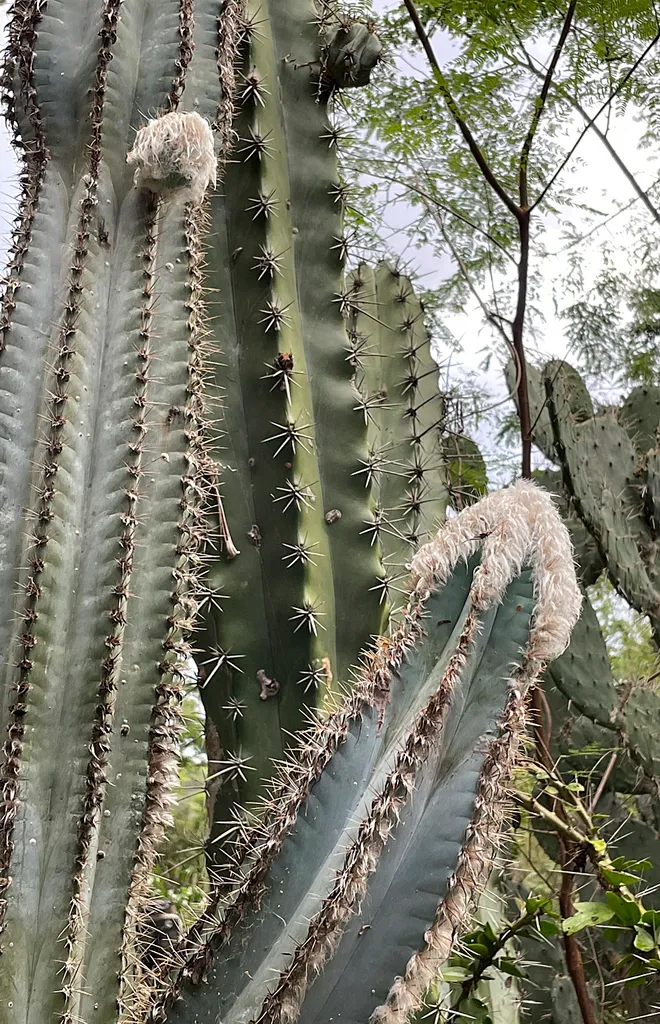
This cactus hails from Central America. Distinctive for the silky growth surrounding its spines, it has earned the nickname, woolly torch. The ribbed trunks may be branched and can reach 6m.Older plants will bear showy pale pink flowers with lemon throats on their crowns. In the wild these are principally bat pollinated
Scientific classification
- Species
- Pilosocereus leucocephalus (Pilosocereus leucocephalus)
- Genus
- Pilosocereus
- Family
- Cactaceae
- Order
- Caryophyllales
- Class
- Magnoliopsida
- Phylum
- Magnoliophyta
- Information to be completed
- Toxicity
- Cactus Succulent
- Plant type
- 4-8 metres
- Height
- 0.5-1 metres
- Spread
- Information to be completed
- Foliage
- Columnar upright
- Habit
- Spring · Summer · Autumn · Winter
- Season of interest
- Full sun
- Sunlight
- Information to be completed
- Ideal temperature









Pilosocereus leucocephalus pictures
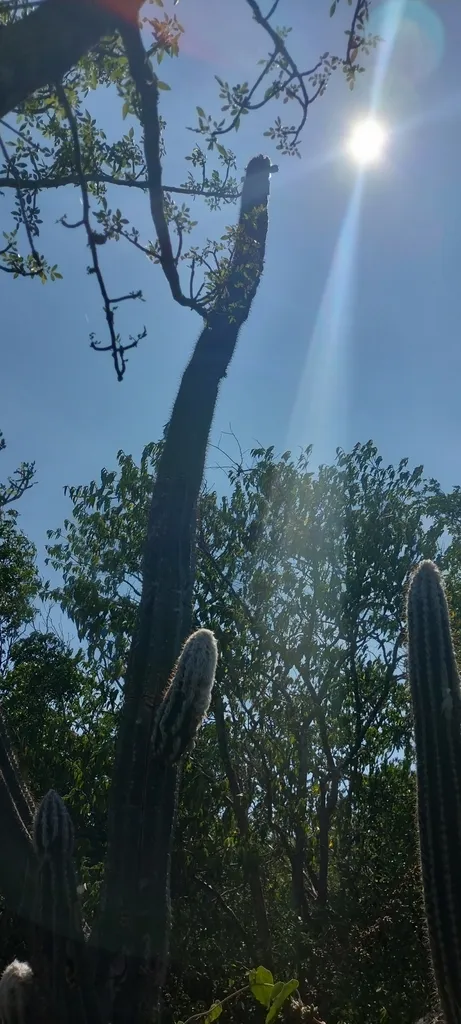
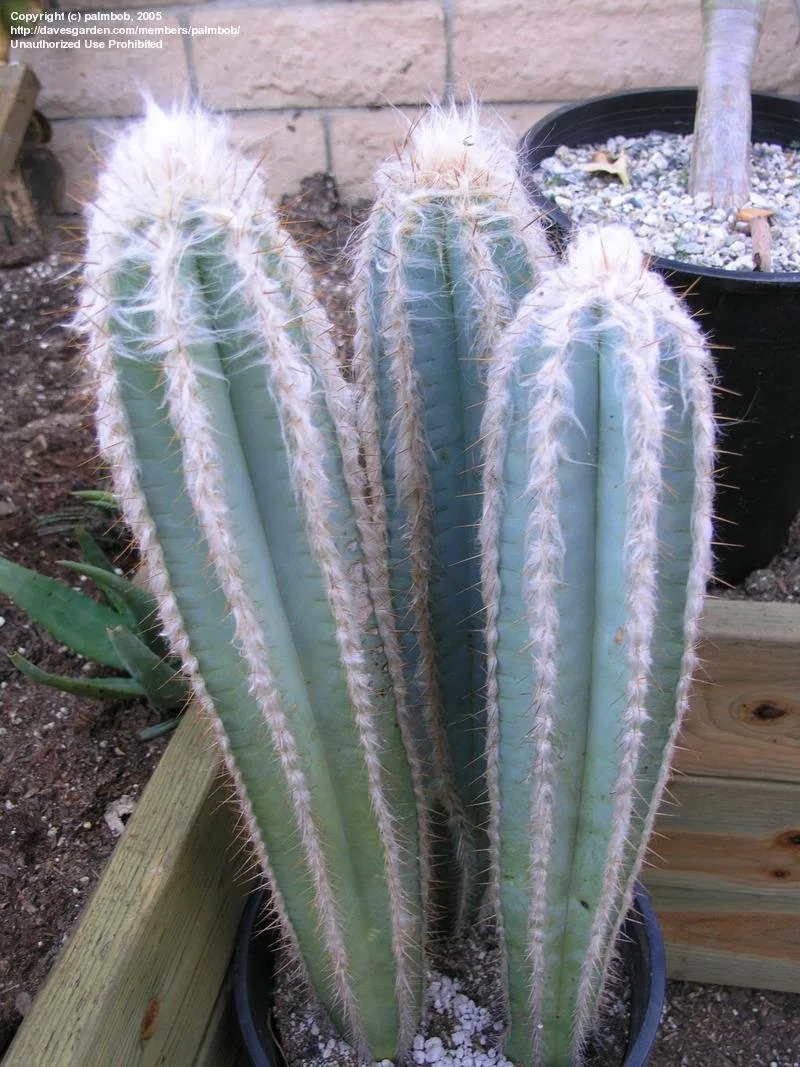
Distribution of Pilosocereus leucocephalus
Distribution map
- Native
- Introduced
- Cultivated
Source:WCVP v16 · Royal Botanic Gardens, Kew · CC BY 3.0 · Boundaries:WGSRPD / TDWG
Pilosocereus leucocephalus care guide
- Moderate regular watering, allowing brief slight drying between soakings
- Watering
- Full sun
- Sunlight

Watering
Moderate regular watering, allowing brief slight drying between soakings
Fertilizing
 Fertilizing
Balanced perennial feed every four weeks from spring through summer
Pruning
 Pruning
 is not required
Propagation
 Propagation
Propagate by stem cuttings or by seed in summer
Growing
 Growing
Requires good light and sharp drainage. Increase watering and feeding in summer months to promote growth. A minimum temperature of 11oC. Could be placed outdoors in a sheltered spot in summer. See houseplant cacti and succulent cultivation
Common pests and diseases
Diseases
Over-watering, especially in cooler temperatures will cause rot
Pests
Prone to glasshouse pests such as mealybugs
Explore the plant health library →




